Norwegian Bunad Fashion: 2026 Sustainable Styling Guide
The 2026 Bunad Revival: Heritage Meets Modern Sustainability
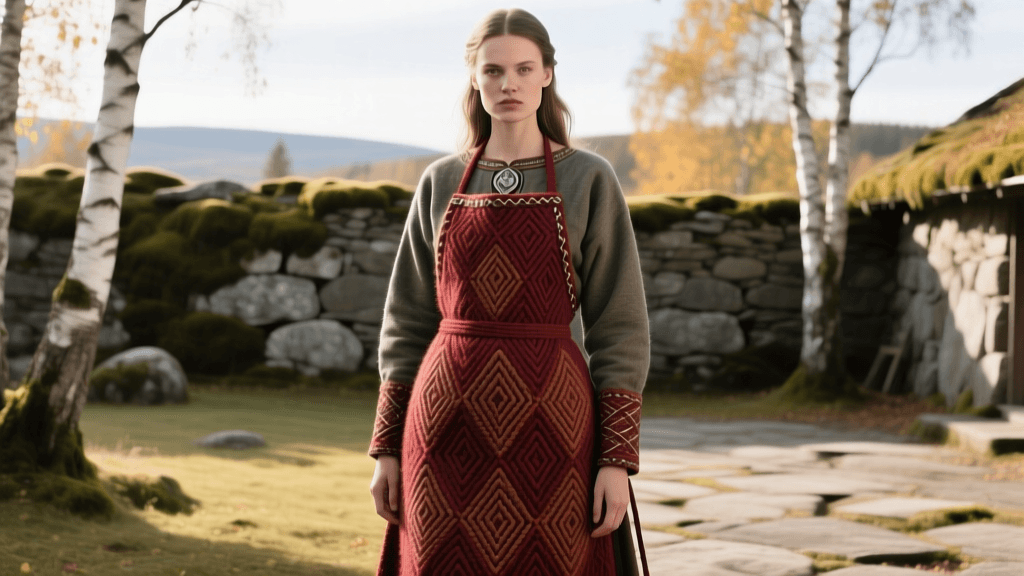
The Norwegian bunad is far more than a static museum piece; it is a living, breathing testament to regional identity, craftsmanship, and ancestral pride. As we navigate the fashion landscape of 2026, the European folk dress revival has taken a decisive turn toward sustainability, ethical sourcing, and contemporary integration. For modern enthusiasts and cultural preservationists alike, the challenge and joy lie in honoring centuries-old textile traditions while adapting them to the realities of a modern, eco-conscious wardrobe. This comprehensive guide explores the current landscape of the Norwegian bunad, offering actionable advice on sourcing sustainable materials, styling heritage pieces for everyday wear, and investing in craftsmanship that will last generations.
In recent years, the global fashion industry has faced intense scrutiny regarding its environmental impact. In response, the 2026 European folk dress movement has leaned heavily into regenerative agriculture and localized supply chains. According to the Norsk Institutt for Bunad og Folkedrakt (Norwegian Institute for Bunad and Folk Costume), there has been a massive surge in demand for historically accurate, naturally dyed textiles that support local Norwegian sheep farmers and artisan weavers. This shift represents a beautiful intersection of heritage preservation and modern ecological responsibility.
Sourcing Authentic and Sustainable Materials
When constructing or commissioning a bunad in 2026, the origin of the wool is paramount. The iconic Hillesvåg Ullvarefabrikk, one of Norway's oldest wool mills, continues to set the standard for heritage textiles. This year, their commitment to traceable, regenerative wool sourcing has made them the premier choice for eco-conscious bunad makers. A high-quality, handwoven bunad wool fabric (stakkstoff) currently retails for approximately 1,200 to 1,500 NOK ($110 to $140 USD) per meter, reflecting the true cost of sustainable, small-batch milling.
Natural dyeing has also experienced a renaissance. Instead of synthetic chemical dyes, contemporary artisans are reviving historical botanical recipes. Madder root (krapp) is used to achieve the deep, vibrant reds seen in the Hardangerbunad, while woad (vaid) and indigo provide the rich blues characteristic of the Nordlandsbunad. Sourcing these naturally dyed fabrics requires planning; lead times from specialized weavers can span six to eight months in 2026, so early consultation with local craft guilds like Husfliden is essential for securing your materials.
Contemporary Styling: Integrating Bunad Elements into Daily Wear
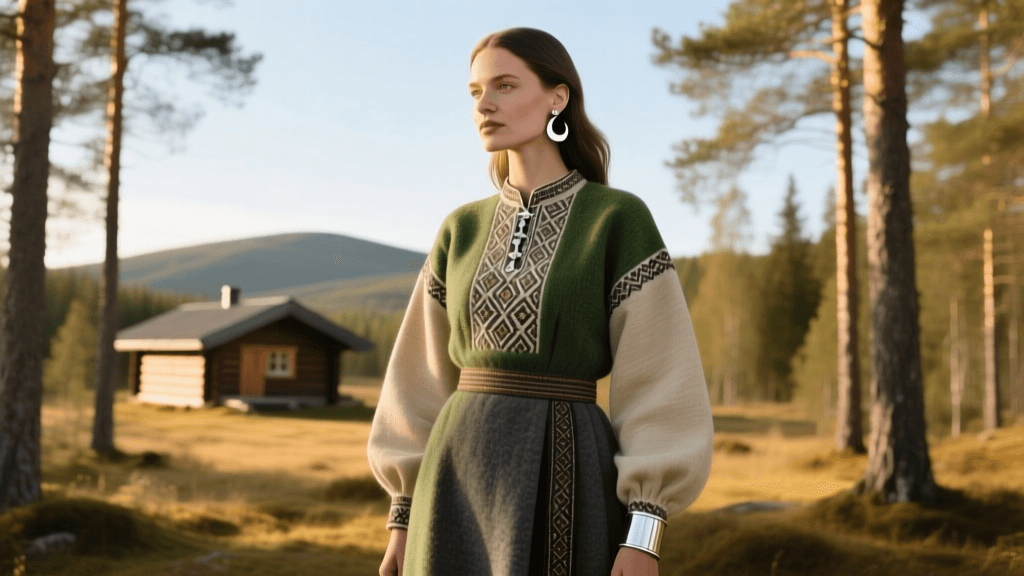
While the full, traditional bunad is typically reserved for Constitution Day (Syttende Mai), weddings, and milestone celebrations, the 2026 styling ethos encourages the integration of individual heritage components into daily 'quiet luxury' wardrobes. This approach allows wearers to celebrate their cultural roots without resorting to costume-like presentations in everyday settings.
The Modern Linen Skjorte (Blouse)
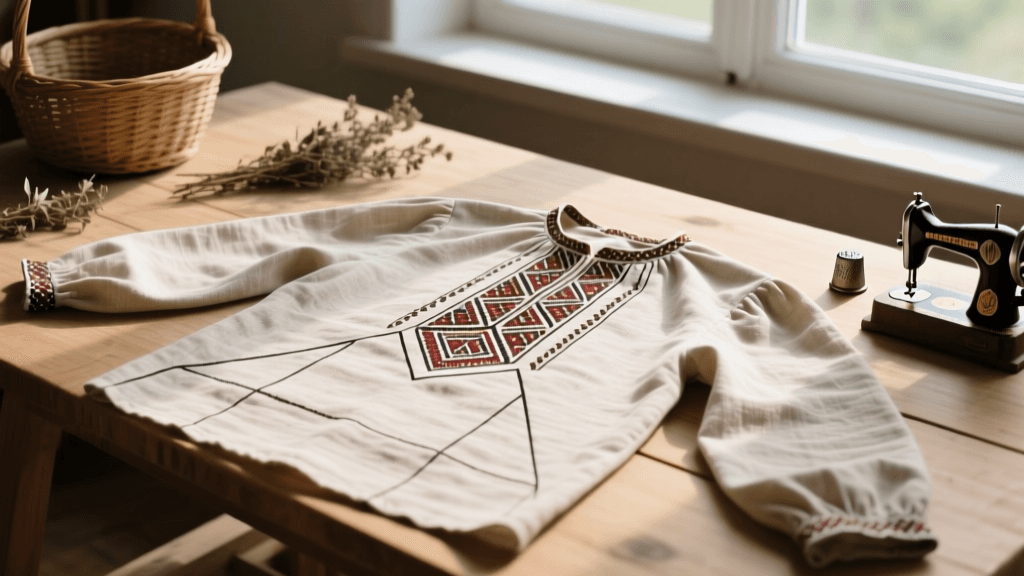
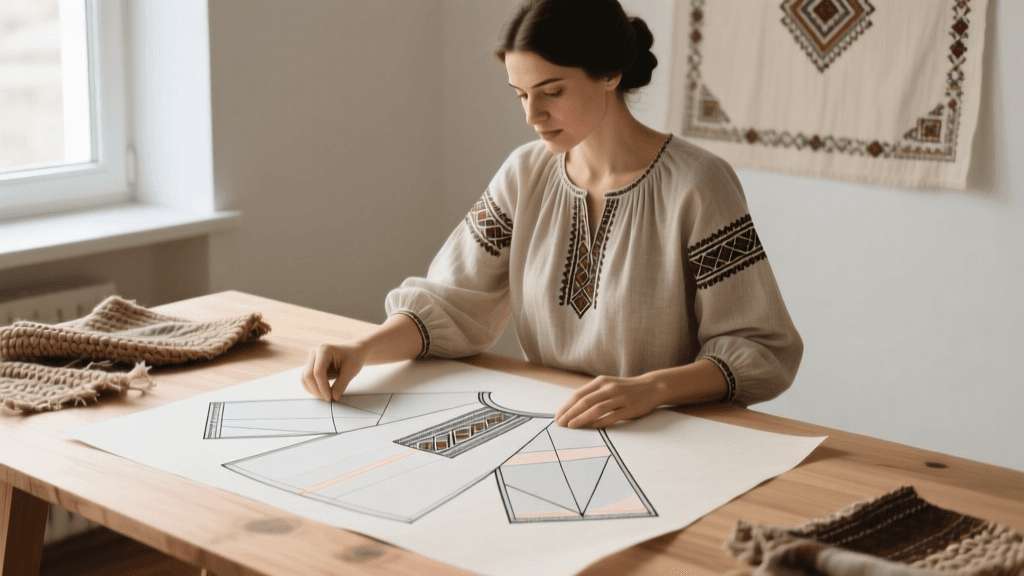
The traditional bunad blouse, or skjorte, is a masterclass in textile artistry. Featuring intricate hardangersøm (whitework embroidery) or cross-stitch, these blouses are crafted from 100% European-grown linen. In 2026, styling a hand-embroidered skjorte under a modern, tailored wool blazer or paired with high-waisted, wide-leg trousers creates a striking juxtaposition of historical craft and contemporary silhouette. To maintain the garment's structural integrity, modern wearers are opting for organic linen blends that resist heavy wrinkling while retaining the breathability required for layering.
Accessorizing with Traditional Silver (Sølv)
No bunad is complete without its accompanying silver jewelry, known as sølv. Historically, these pieces served as a portable form of wealth and status. Today, the 2026 trend leans toward minimalist, everyday interpretations of traditional designs. The bringekjede (chest chain) and the sølje (brooch) are being reimagined by contemporary Oslo and Bergen-based silversmiths. Instead of the heavy, ornate oxidized silver of the past, modern artisans are crafting lighter, polished, and geometrically simplified versions of the traditional ringdalsølje. These pieces pair beautifully with modern knitwear, silk dresses, and even structured denim, serving as a subtle nod to Norwegian heritage.
Investment Breakdown: Traditional vs. Contemporary Capsule
Understanding the financial commitment of heritage garments is crucial for modern collectors. Below is a 2026 cost comparison between commissioning a full traditional bunad and building a contemporary, bunad-inspired capsule wardrobe.
| Garment Category | Traditional Full Bunad (e.g., Hardanger) | 2026 Contemporary Capsule Alternative |
|---|---|---|
| Wool Skirt / Trousers | 18,000 NOK ($1,680 USD) | 4,500 NOK ($420 USD) - Tailored Wool Trousers |
| Embroidered Bodice / Vest | 15,000 NOK ($1,400 USD) | 6,000 NOK ($560 USD) - Embroidered Wool Vest |
| Linen Blouse (Skjorte) | 6,500 NOK ($605 USD) | 3,200 NOK ($298 USD) - Artisan Linen Top |
| Silver Jewelry Set (Sølv) | 12,000 NOK ($1,120 USD) | 4,000 NOK ($373 USD) - Modern Minimalist Sølje |
| Total Estimated Investment | ~51,500 NOK ($4,805 USD) | ~17,700 NOK ($1,651 USD) |
As illustrated, a full traditional bunad remains a significant, multi-generational investment. However, the contemporary capsule approach offers a highly accessible entry point for those wishing to incorporate heritage textiles into their daily rotation without the strict rules of traditional bunad compliance.
Caring for Heritage Textiles in a Modern Climate
Proper maintenance is crucial for preserving the structural and historical integrity of wool and linen garments. The 2026 approach to textile care emphasizes eco-friendly, non-toxic methods that protect both the garment and the environment.
- Moth Prevention: Abandon chemical mothballs in favor of natural deterrents. Cedarwood blocks, dried lavender sachets, and modern pheromone traps are the gold standard for protecting expensive Hillesvåg wool from textile pests.
- Cleaning Protocols: Traditional bunad wool should rarely, if ever, be washed in water. Instead, utilize the 'winter airing' method: hang the garment outside on a dry, freezing winter day. The cold air naturally kills bacteria and neutralizes odors. For localized stains, consult a specialist textile conservator.
- Storage Solutions: Store heavy wool skirts and bodices flat or rolled in acid-free tissue paper to prevent shoulder distortion and fiber stress. Avoid plastic garment bags, which trap moisture and promote mold growth; opt for breathable cotton canvas storage bags instead.
'The bunad is not a relic to be locked away in a cedar chest; it is a living garment that evolves with its wearer. By integrating these textiles into our modern lives, we ensure the survival of the craftsmanship that defines our cultural landscape.' — Curator of Textiles, Norwegian Museum of Cultural History.
Final Thoughts on the 2026 Folk Dress Movement
The revival of the Norwegian bunad in 2026 is a powerful statement against the transient nature of fast fashion. By investing in sustainable wool, supporting local artisans, and thoughtfully integrating heritage pieces into contemporary wardrobes, we do more than preserve history—we weave it into the fabric of our daily lives. Whether you are commissioning a full, historically accurate Hardangerbunad or simply pinning a modern silver sølje to your favorite winter coat, you are participating in a vibrant, ongoing cultural dialogue that honors the past while dressing for the future.