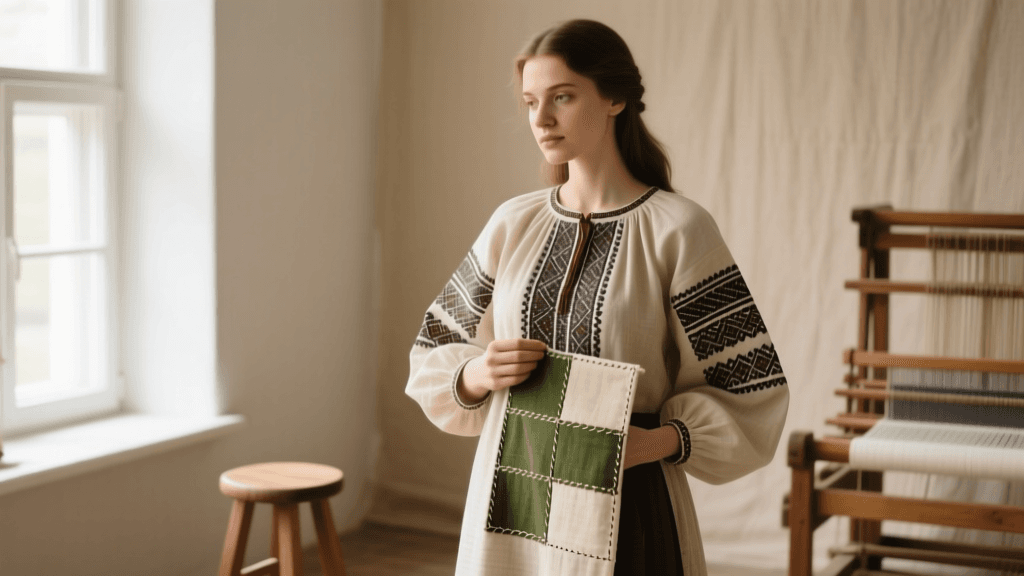
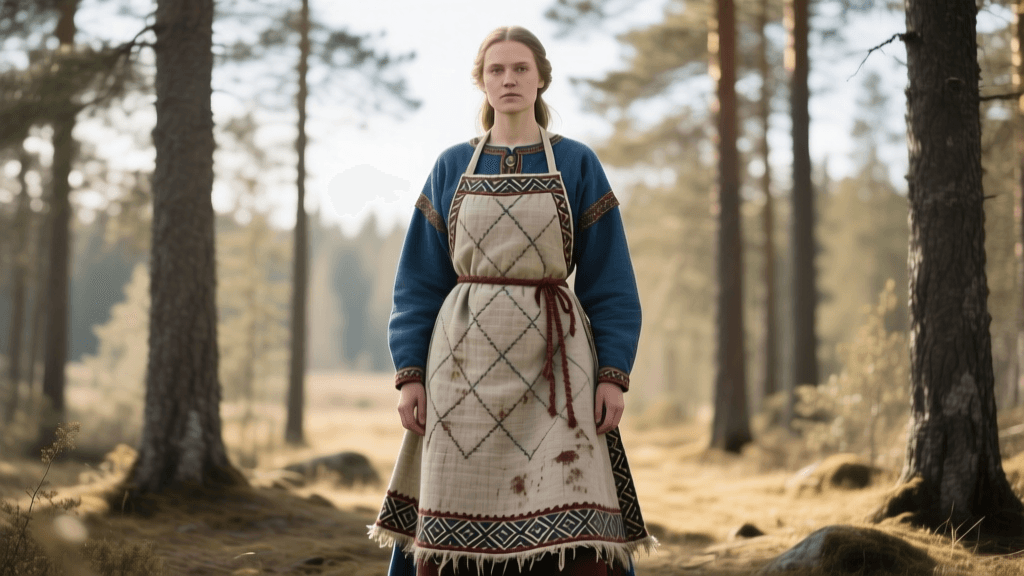
Slavic Rubakha Zero-Waste Pattern Cutting Techniques 2026
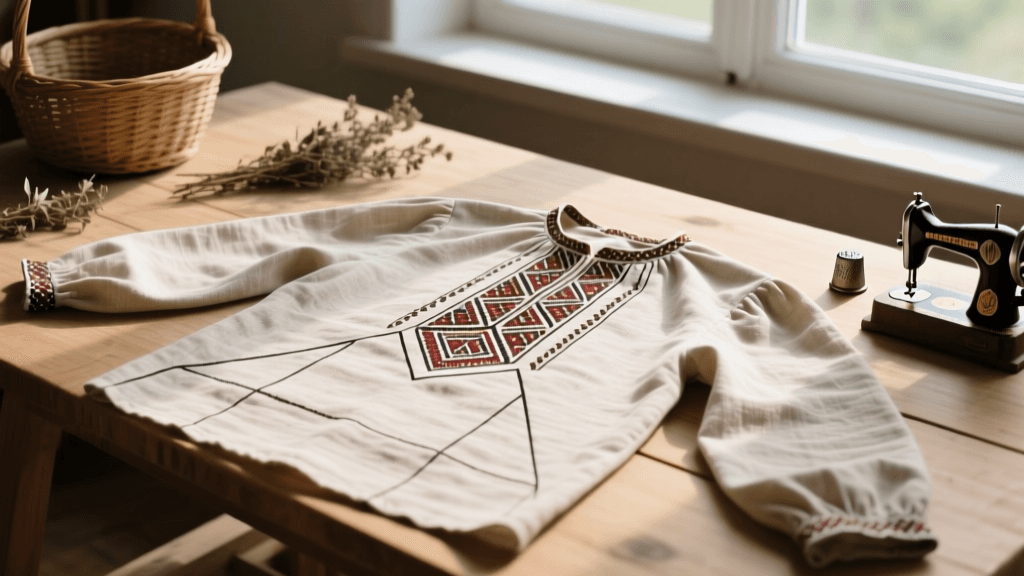
The Renaissance of the Slavic Rubakha in 2026
In 2026, the intersection of historical authenticity and sustainable fashion has brought traditional European folk dress back into the global spotlight. Among the most celebrated garments is the Slavic rubakha (also known regionally as the sorochka, kosovorotka, or vyshyvanka), the foundational linen shirt worn for centuries across Eastern Europe. While modern fast fashion relies on curved seams, complex darts, and massive textile waste, the traditional rubakha represents a masterclass in zero-waste pattern cutting. By understanding the geometric constraints of historical weaving, contemporary makers and designers are reviving these ancient techniques to create durable, sustainable, and culturally resonant garments.
This comprehensive guide explores the construction patterns, geometric logic, and sewing techniques required to draft and assemble a traditional Slavic rubakha using zero-waste principles, fully updated with 2026 fabric sourcing metrics and modern sewing adaptations.
The Philosophy of Zero-Waste Geometric Cutting
Before the industrialization of textile mills, linen was a precious, labor-intensive commodity. Every thread was spun by hand, and weaving on traditional warp-weighted or horizontal treadle looms yielded narrow cloth widths, typically between 35 and 60 centimeters. To cut curved armholes or shaped waistlines would result in unusable scraps, wasting months of labor.
Consequently, the rubakha was born from a strict geometric constraint. The garment is constructed entirely from rectangles, squares, and triangles. According to the Victoria and Albert Museum's comprehensive guide to linen textiles, historical linen weaving dictated the very architecture of folk clothing. In 2026, as the global fashion industry grapples with environmental crises, organizations like Fashion Revolution heavily promote these historical zero-waste methodologies. By utilizing 100% of the fabric width, traditional seamstresses achieved complete material efficiency—a standard modern sustainable designers are striving to replicate today.
Essential Pattern Components of the Rubakha
To draft a rubakha pattern, you must abandon modern slopers and embrace modular geometry. The garment is composed of four primary structural elements.
1. The Main Body Panels (Stan)
The core of the shirt consists of two long rectangular panels. In the most ancient versions, a single length of fabric was folded over the shoulders, eliminating the shoulder seam entirely. In later iterations (and most 2026 revival patterns), two separate rectangles are joined at the shoulder. The width of these panels is dictated by the loom width, meaning the shirt hangs straight from the shoulder without waist shaping. The front and back panels are typically identical in width, though the front may be slightly shorter to accommodate movement and embroidery placement.
2. The Underarm Gusset (Lastovitsa)
Because the body panels are straight rectangles and the sleeves are set in at a right angle, lifting the arms would cause immense tension and tear the fabric. The solution is the lastovitsa, a small square gusset (usually 10x10 cm to 15x15 cm) inserted at the underarm intersection. This brilliant geometric insertion transforms a rigid, boxy structure into a highly mobile garment, allowing for agricultural labor and traditional dancing without stressing the linen fibers.
3. The Side Gores (Klin)
To provide volume for walking and sitting without adding bulk to the shoulders, triangular gores (klins) are inserted into the side seams. These triangles typically begin at the waist or hip and flare out to the hem. Depending on the region and the desired fullness, a rubakha might feature two side gores, or additional gores inserted directly into the center of the front and back panels.
4. The Sleeves (Rukav)
Sleeves are cut as simple, wide rectangles. The width of the sleeve is determined by the remaining fabric width or by joining two narrower loom widths. The bottom edge is either gathered into a narrow woven cuff or left wide and finished with intricate lace or embroidery.
2026 Fabric Sourcing: Modern Linens for Traditional Cuts
Modern linen is woven on wide industrial looms, often 150 cm or more. To maintain the historical drape and grainline integrity of the rubakha in 2026, makers must artificially restrict their cutting layout. Instead of cutting across the 150 cm width, you must cut long rectangles parallel to the selvedge, mimicking the narrow 40-60 cm historical loom widths. The leftover fabric can be utilized for matching accessories, such as woven belts, headwraps, or zero-waste pouches.
Selecting the correct weight of linen is crucial for the garment's drape and durability. Below is a comparison of 2026 linen weights ideal for rubakha construction.
| Linen Weight | Weave Type | Best Application | 2026 Avg. Cost (EUR/m) |
|---|---|---|---|
| 130 g/m² | Plain Weave | Summer Sorochka, Underlayers, Lightweight Cuffs | €18 - €24 |
| 190 g/m² | Plain/Twill | Everyday Rubakha, Gussets, Standard Sleeves | €25 - €32 |
| 280 g/m² | Heavy Plain | Outer Shirts, Winter Layers, Heavy Gores | €35 - €45 |
Step-by-Step Construction Techniques
Assembling a rubakha requires specific seam finishes designed to prevent the raw edges of woven linen from fraying, while maintaining a clean interior that is comfortable against the skin.
Seam Finishes: The Run-and-Fell Method
Historically, the run-and-fell (or flat-felled) seam was the standard for folk dress. This technique encloses all raw edges, providing immense structural integrity. To execute this in 2026, whether by hand or using a modern sewing machine, follow these steps:
- Step 1: Place the fabric pieces wrong sides together and sew a standard seam (approx. 6mm allowance).
- Step 2: Trim one side of the seam allowance down to 3mm.
- Step 3: Fold the longer seam allowance over the trimmed edge, encasing it completely.
- Step 4: Press flat and stitch down close to the folded edge. This results in a clean, durable seam that lies flat against the body.
Neline Construction and Gathering
The neckline of the rubakha is a simple slit or a geometric square cutout. Rather than using modern curved facings, the raw edge is finished with a narrow straight-grain binding or a simple drawstring casing. For the classic gathered look, makers use a technique called smocking or cartridge pleating, drawing the excess fabric of the body panels and sleeves into a narrow collar or drawstring channel. This allows the garment to be adjusted for comfort and provides a structured base for neckline embroidery.
Hemming and Edge Finishing
Hems on the rubakha are finished using a narrow rolled hem or a whipped edge. Because the hem is cut on the straight cross-grain, it does not stretch or warp, making a crisp, narrow hem (often less than 5mm wide) both historically accurate and easy to achieve with modern 2026 hemming feet or traditional hand-rolling techniques.
Embroidery Placement and Cultural Significance
No discussion of rubakha construction is complete without addressing embroidery. In Slavic folklore, the openings of the garment—neck, cuffs, and hem—were considered vulnerable points where malevolent spirits could enter the body. Therefore, these edges were heavily fortified with counted-thread cross-stitch, satin stitch, or drawn-thread work.
When planning your pattern, you must account for embroidery before cutting. The geometric nature of the rubakha means that embroidery is typically worked on flat, unsewn rectangles. In 2026, many makers utilize water-soluble stabilizers or digital grid projections to map out complex traditional motifs, such as the eight-pointed star (Aalatyr) or geometric rhombuses symbolizing fertility and the harvest. Preserving these techniques is vital; as noted by UNESCO's framework on preserving traditional craftsmanship, the transmission of these textile skills is a crucial element of global intangible cultural heritage.
Sustainable Revival: Why Zero-Waste Matters Today
The revival of the Slavic rubakha is more than a nostalgic exercise in historical costuming; it is a practical response to the environmental failures of contemporary apparel manufacturing. By adopting the geometric, zero-waste pattern cutting techniques of our ancestors, modern sewists and independent fashion labels are proving that functionality, beauty, and sustainability can coexist. Whether you are drafting your first linen shirt or refining your traditional embroidery skills, the rubakha offers a timeless blueprint for mindful garment creation in 2026 and beyond.