Bavarian Tracht Guide 2026: Dirndl & Lederhosen Revival
The 2026 Renaissance of Alpine Tracht
In 2026, the landscape of European folk dress is experiencing a profound renaissance, nowhere more visibly than in the Alpine regions of Germany and Austria. The traditional Bavarian and Austrian garments, collectively known as 'Tracht', have transcended their historical roots and the clichéd tourist stereotypes of the late 20th century. Today, Tracht is recognized as a pinnacle of sustainable, slow fashion. Driven by a renewed interest in heritage craftsmanship, regional identity, and eco-friendly textiles, the modern Dirndl and Lederhosen are celebrated at major cultural events, from the Munich Oktoberfest to the Salzburg Festival, as garments of high sartorial merit.
According to the Munich Tourism Board, the demand for authentic, tailor-made Tracht has surged by over 35% since the early 2020s, as consumers actively reject mass-produced 'fast fashion' costumes in favor of garments that support local artisans and utilize natural, biodegradable materials. This guide explores the intricate regional variations of Bavarian and Austrian folk dress, the anatomy of authentic craftsmanship, and how to navigate the Tracht market in 2026.
Decoding the Dirndl: Anatomy and Regional Variations
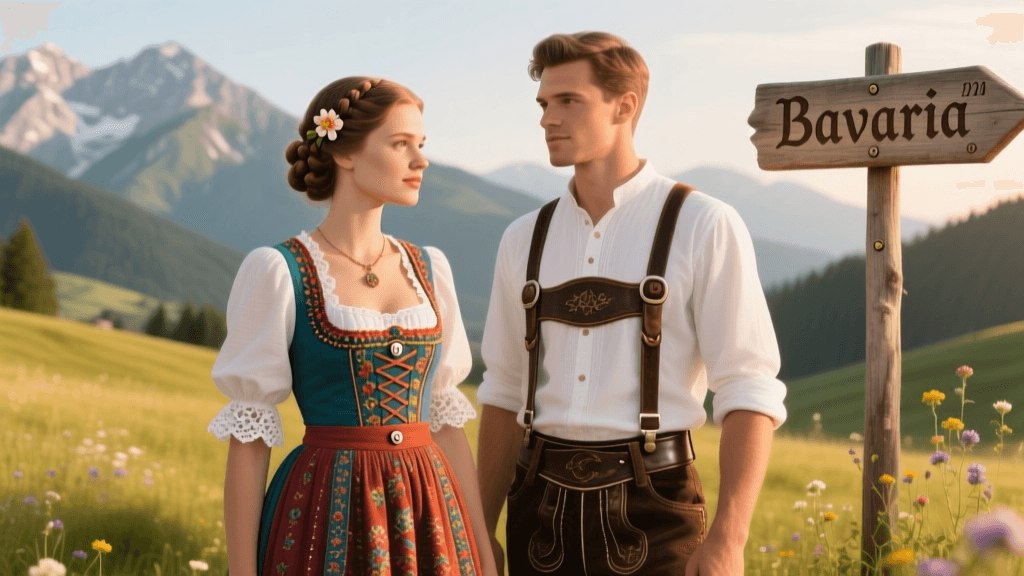
The Dirndl is not a single, monolithic dress, but rather a highly structured ensemble consisting of four distinct components: the 'Mieder' (bodice), the 'Rock' (skirt), the 'Schürze' (apron), and the 'Bluse' (blouse). While the basic silhouette remains consistent, the textiles, color palettes, and embroidery techniques vary drastically depending on the specific valley or municipality.
The Miesbacher Tracht
Originating from the Miesbach district in Upper Bavaria, the Miesbacher Tracht is considered the epitome of luxury folk dress. In 2026, authentic Miesbacher Dirndls are highly sought after by collectors and fashion connoisseurs. The bodice is typically crafted from heavy silk or velvet, often in deep jewel tones like emerald, ruby, or sapphire. The skirt is made of fine wool or silk, and the apron features intricate, hand-woven patterns. The embroidery on the bodice often incorporates gold and silver thread, utilizing the 'Sponsiermuster' technique, a highly complex form of floral and geometric stitching that takes dozens of hours to complete by hand.
The Werdenfelser Tracht
In contrast, the Werdenfelser Tracht, native to the Garmisch-Partenkirchen region, is rooted in practicality and mountain resilience. Historically worn by working-class women and farmers, the 2026 revival of the Werdenfelser Dirndl emphasizes raw, unbleached linens, heavy loden wool, and cotton prints. The color palette is earthier, featuring forest greens, slate grays, and muted browns. The bodice is less rigid than the Miesbacher variant, often featuring a front-lacing design with silver hooks and a contrasting silk cord, making it highly functional for outdoor Alpine festivals and hiking events.
The Ausseer Dirndl (Austria)
Crossing the border into the Salzkammergut region of Austria, we find the Ausseer Dirndl, a garment celebrated for its unique color-blocking and lack of a traditional apron in some historical iterations. The classic Ausseer ensemble features a striking combination of pink, green, and blue. The bodice is typically pink, the skirt a vibrant green, and the apron a deep blue. According to archives preserved at the Tiroler Volkskunstmuseum, these specific color combinations were historically used to denote the wearer's marital status and regional village, a coding system that modern Tracht enthusiasts still study and respect today.
Lederhosen: Beyond the Stereotype
While the Dirndl often takes center stage in fashion editorials, the Lederhosen (leather breeches) represent an equally complex tradition of master craftsmanship. Authentic Lederhosen are not merely leather pants; they are masterpieces of the 'Sämischgerbung' (oil tanning) process. This ancient tanning method uses natural oils, historically fish or brain oils, but in 2026, sustainable plant-based and synthetic eco-oils are utilized to achieve the same buttery soft, washable finish without the environmental impact.
Plattlerhosen vs. Bundhosen
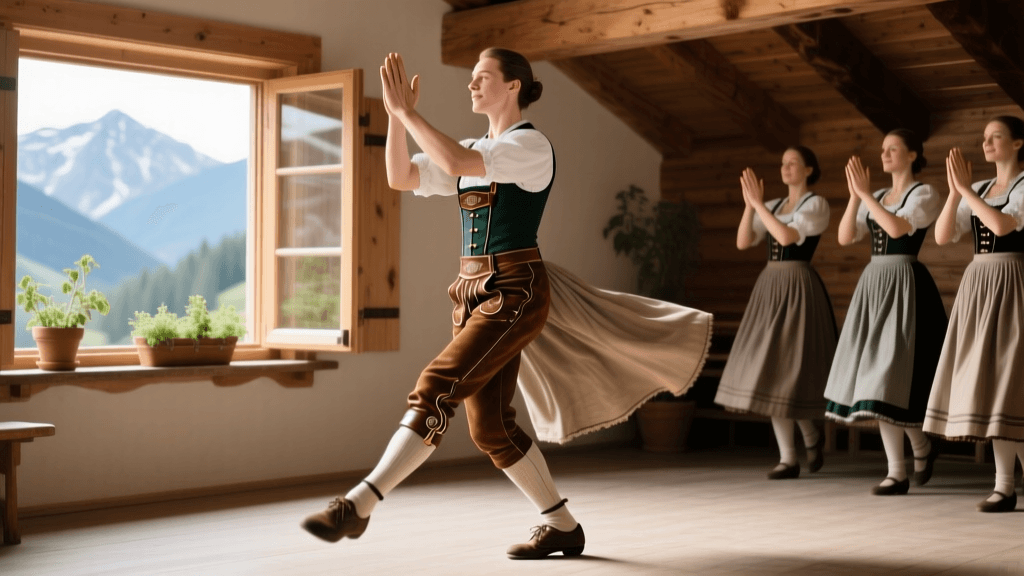
There are two primary cuts of traditional Lederhosen. The 'Kurze' or 'Plattlerhosen' are short breeches that end above the knee, traditionally worn with thick, hand-knitted wool socks ('Loferl') and robust 'Haferlschuhe' (Alpine shoes with a distinctive side-lacing and split toe). The 'Bundhosen' are knee-length or calf-length trousers, often fastened with a drawstring or leather tie at the hem, offering more protection against harsh mountain brush and cold weather.
The Art of the Hosenträger (Suspenders)
The 'Hosenträger', or suspenders, are the canvas for the leatherworker's artistry. In 2026, the most prized Lederhosen feature hand-embroidered suspenders showcasing the 'Weißstickerei' (white embroidery) technique. Motifs are deeply symbolic: oak leaves represent strength and endurance, edelweiss signifies noble purity and the harsh beauty of the Alps, and hunting scenes reflect the wearer's connection to the forest. A master-crafted pair of Hirschleder (deer skin) Lederhosen with hand-embroidered suspenders can take up to six months to complete, with 2026 pricing reflecting this immense labor, often starting at €1,500 and exceeding €4,000 for bespoke commissions.
Authenticating Craftsmanship: Fast Fashion vs. Heritage Tailoring
As the popularity of Alpine festivals continues to grow globally, the market has been flooded with cheap, mass-produced imitations. For the serious collector or cultural enthusiast, distinguishing between a genuine heritage garment and a fast-fashion costume is crucial. The German Commission for UNESCO has recognized several traditional textile and leather crafting techniques as Intangible Cultural Heritage, underscoring the importance of supporting authentic 'Massschneiderei' (bespoke tailoring).
| Feature | Fast Fashion (Wiesn Mass-Market) | Heritage Tailor (Massschneiderei) |
|---|---|---|
| Materials | Polyester blends, synthetic lace, PU leather | Alpine wool, peace silk, linen, Hirschleder |
| Construction | Machine-stitched, glued interlinings, plastic zippers | Hand-finished seams, horn buttons, hidden metal clasps |
| Embroidery | Machine-embroidered patches, glued appliqués | Hand-stitched Weißstickerei, gold/silver thread work |
| Fit & Longevity | Standardized sizing, degrades after 1-2 washes | Custom-draped, designed to last generations, washable leather |
| 2026 Price Range | €50 - €250 | €850 - €4,500+ |
Sourcing Authentic Tracht in 2026
Investing in authentic Tracht is an investment in European textile history. For those looking to acquire genuine pieces in 2026, several heritage houses and regional tailors stand out. 'Angermaier' in Munich remains a premier destination for high-end, contemporary interpretations of historical Dirndls, often collaborating with luxury textile mills. For purists seeking historically accurate, museum-quality reproductions, smaller ateliers in rural Bavaria, such as those in the Chiemgau region, offer bespoke services where every stitch is dictated by historical pattern books.
When purchasing a Dirndl, pay close attention to the 'Schürze' (apron). In authentic Tracht, the apron is never made of the exact same fabric as the skirt; it is meant to provide a textural and color contrast. Furthermore, the traditional 'bow code' remains a vital piece of cultural etiquette at festivals: a bow tied on the wearer's left indicates she is single, on the right means she is married or taken, in the center traditionally signifies virginity (though less commonly enforced today), and a bow tied at the back indicates the wearer is widowed or working as a waitress.
Accessorizing the Alpine Ensemble
No Tracht ensemble is complete without its specific accessories. For women, the 'Kropfband' (a velvet choker adorned with a central cameo or silver coin) and the 'Charivari' (a silver chain featuring hunting trophies like boar tusks or silver coins) are essential. In 2026, contemporary jewelers are reimagining the Charivari with sustainable, ethically sourced silver and cruelty-free alternative trophies, appealing to a younger, eco-conscious demographic.
Footwear is equally critical. The traditional 'Haferlschuh' for men and the 'Dirndlschuh' (a low-heeled, often velvet or leather pump with a decorative buckle) for women are experiencing a surge in bespoke shoemaking. Comfort is paramount for long days at Alpine festivals, and modern 2026 iterations often feature hidden orthotic support and advanced, sustainable rubber soles that mimic the look of traditional stacked leather heels while providing superior grip on cobblestones and mountain paths.
Conclusion
The 2026 landscape of Bavarian and Austrian Tracht is a testament to the enduring power of regional identity in a globalized world. Far from being static museum pieces or cheap festival costumes, the Dirndl and Lederhosen are living, evolving garments that demand respect for their intricate construction and historical significance. By understanding the regional variations, recognizing the hallmarks of master craftsmanship, and investing in heritage tailoring, enthusiasts can participate in a rich cultural tradition that honors the past while embracing a sustainable, artisanal future.