Modern Vyshyvanka Styling: 2026 European Folk Revival
The Renaissance of the Vyshyvanka in 2026
The European folk dress revival has reached a sophisticated zenith in 2026, moving far beyond the realm of museum archives and ceremonial costumes to become a cornerstone of contemporary luxury streetwear. At the forefront of this movement is the Ukrainian Vyshyvanka, a traditional embroidered shirt that has captivated global fashion houses and independent designers alike. No longer confined to national holidays, the Vyshyvanka is now celebrated for its intricate geometry, sustainable materiality, and profound cultural storytelling. As we navigate the 2026 fashion landscape, the integration of heritage textiles into daily wardrobes represents a powerful shift toward slow fashion and mindful consumption.
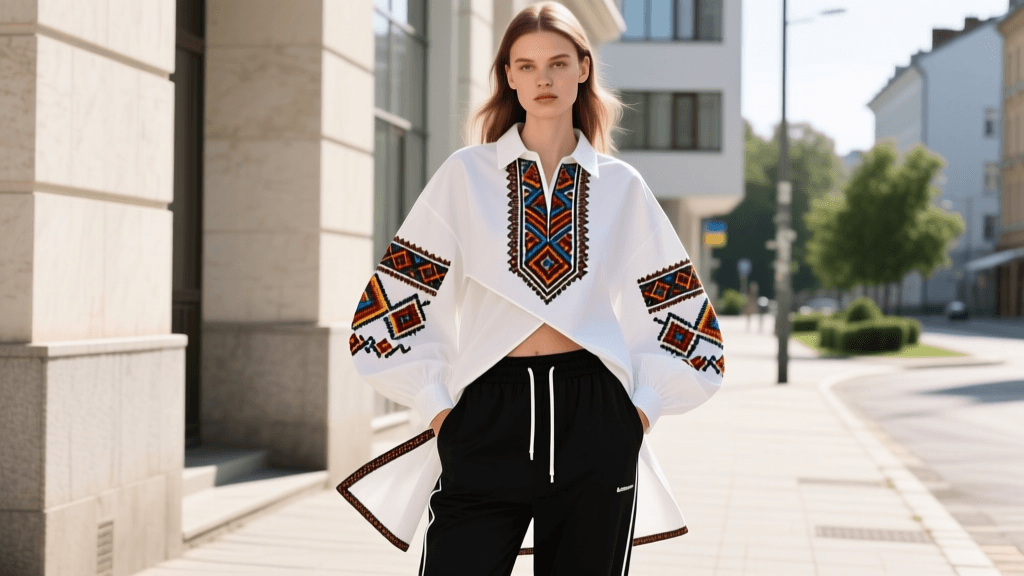
Today’s styling of the Vyshyvanka is defined by a delicate balance between honoring ancestral craftsmanship and embracing modern silhouettes. Designers are reimagining the classic linen shift dress and tunic through oversized cuts, asymmetric hemlines, and innovative fabric blends. Understanding how to wear these pieces requires a deep appreciation of their origins, as well as a keen eye for contemporary tailoring. Whether you are navigating the urban commute or attending an evening gallery opening, the Vyshyvanka offers a versatile, striking foundation for a wardrobe that values both aesthetics and heritage.
Decoding the Stitches: Heritage Meets Modernity
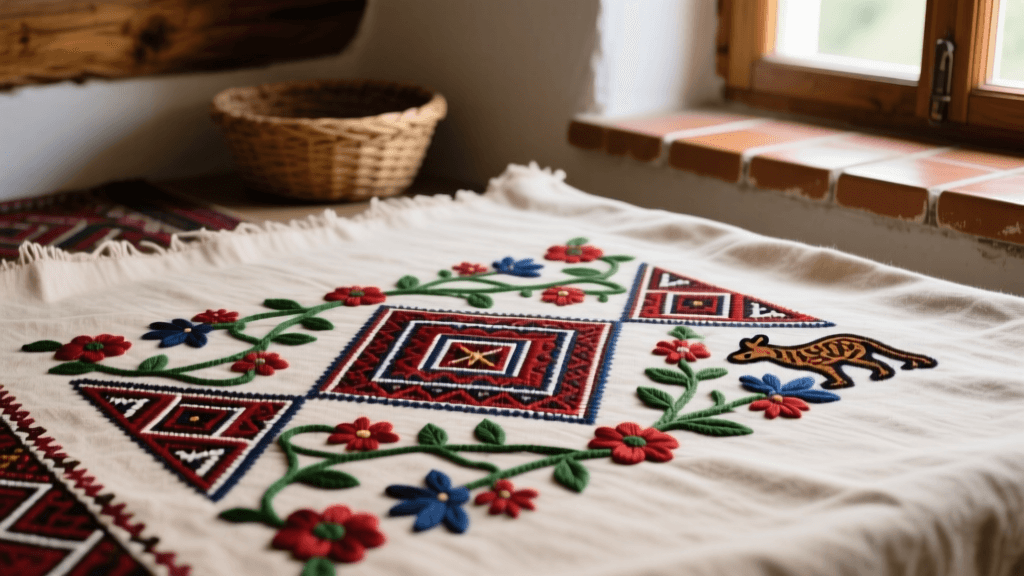
To style the garment authentically and respectfully, one must first understand its anatomical and symbolic language. The embroidery on a Vyshyvanka is not merely decorative; it is a coded text. According to historical textile archives documented by experts in Ukrainian embroidery, the geometric patterns, floral motifs, and color palettes were traditionally used to convey regional identity, social status, and protective talismans. In 2026, contemporary artisans are preserving these historical stitches while adapting them for modern textiles.
The broader context of European folk art and its regional variations is extensively cataloged by institutions such as Britannica's folk art archives, which highlight how regional isolation historically allowed distinct textile dialects to flourish. Today, these distinct dialects are being merged into a cohesive pan-European folk aesthetic.
| Embroidery Technique | Historical Origin & Meaning | 2026 Contemporary Application |
|---|---|---|
| Zavolikannya | Horizontal weaving stitch; creates dense, geometric bands often symbolizing earth and fertility. | Used on structured cuffs and heavy linen collars to provide architectural rigidity to oversized streetwear shirts. |
| Brodivka | A delicate, open-work cutwork technique resembling lace, symbolizing lightness and spiritual connection. | Integrated into sheer silk-blend panels and summer resort wear, replacing traditional lace inserts. |
| Shtapivka | A satin stitch used for vibrant, dense floral and botanical motifs, representing life and growth. | Applied asymmetrically on modern tailored blazers and denim jackets, merging folk art with urban outerwear. |
| Nyz | A reverse-side stitching technique creating a subtle, textured pattern on the front, often in black and red. | Favored in minimalist, monochromatic 2026 capsule collections where texture is prioritized over loud color contrast. |
Core Styling Principles for the Contemporary Wardrobe
Styling a heavily embroidered garment in a modern context requires restraint. The golden rule for 2026 is to let the embroidery serve as the focal point, anchoring the rest of your outfit in clean, contemporary silhouettes and neutral tones. Here are three actionable styling frameworks for integrating the Vyshyvanka into your daily rotation.
1. The Urban Commuter: Structured Contrast
The most effective way to bring a traditional linen Vyshyvanka into a professional or urban setting is through high-contrast tailoring. Pair an oversized, white linen Vyshyvanka featuring dense black nyz embroidery with wide-leg, charcoal wool trousers. The crispness of the wool contrasts beautifully with the organic texture of the hand-loomed linen. Tuck the front of the shirt loosely to define the waist without sacrificing the relaxed drape of the garment. Complete the look with chunky, polished leather loafers and a structured, minimalist tote bag. This silhouette bridges the gap between heritage craft and modern corporate dressing.
2. Evening Minimalism: Silk and Shadow
For evening wear, the 2026 trend leans heavily into tonal embroidery. Seek out a Vyshyvanka crafted from a silk-linen blend where the thread color matches the base fabric—for example, a deep navy shirt with navy embroidery. This subtle, shadow-like effect is incredibly luxurious. Pair this tonal piece with a tailored, bias-cut midi skirt in a complementary heavy crepe. Keep accessories sparse; opt for sculptural, matte-finish metal jewelry that echoes the geometric angles of the embroidery. A sleek, low chignon will ensure the intricate neckline and shoulder stitching remain entirely visible.
3. Avant-Garde Layering: Streetwear Integration
The streetwear revival has fully embraced the Vyshyvanka as a layering piece. In cooler months, wear a mid-weight, long-sleeved Vyshyvanka over a fine-gauge, black merino wool turtleneck. Leave the traditional front laces (the zastibka) slightly undone to reveal the layer beneath. Over this, drape a deconstructed, water-resistant trench coat or a cropped, utilitarian vest. The juxtaposition of ancient, meticulous hand-stitching against modern, technical outerwear fabrics creates a visually arresting, avant-garde aesthetic that is highly prevalent in current European street style.
Sourcing Authentic Pieces: The 2026 Market Guide
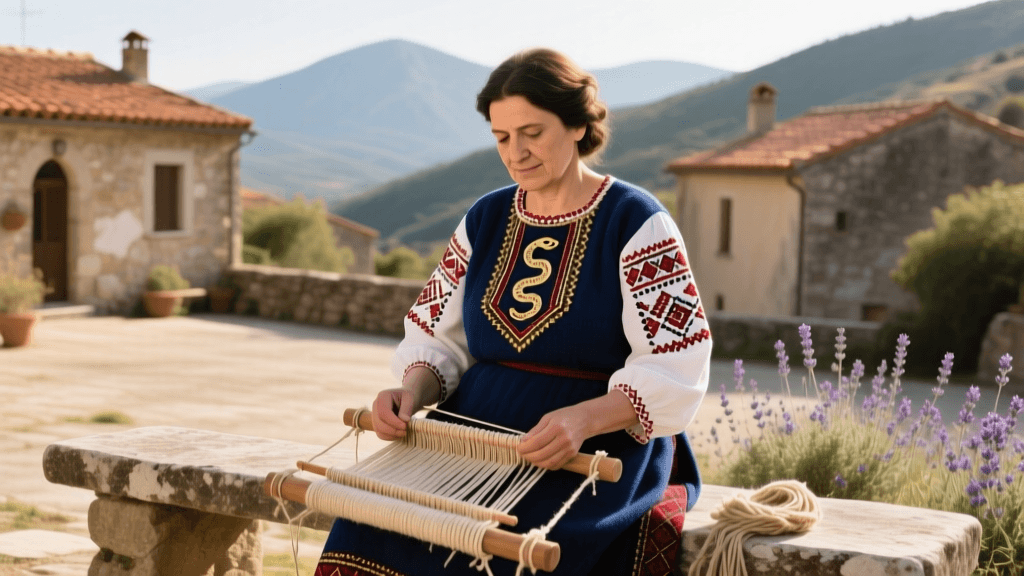
As demand for authentic European folk dress has surged, the market has bifurcated into mass-produced imitations and genuine artisanal cooperatives. In 2026, conscious consumers are prioritizing the latter, supporting rural artisan communities and sustainable agricultural practices. When sourcing a Vyshyvanka, look for certifications of origin and transparency regarding the loom and dye processes.
| Garment Tier | Material & Construction | Estimated 2026 Price Range (EUR) | Best Use Case |
|---|---|---|---|
| Artisanal Heritage | Hand-spun hemp/linen, natural botanical dyes, 100+ hours of hand-embroidery. | €450 - €1,200+ | Heirloom collecting, ceremonial wear, high-end editorial styling. |
| Contemporary Slow Fashion | Machine-loomed organic linen, partial hand-finishing, hybrid machine/hand embroidery. | €180 - €350 | Daily streetwear, office styling, versatile layering. |
| Commercial Fast-Folk | Conventional cotton/poly blends, fully digital machine embroidery, mass-produced. | €40 - €90 | Casual festivals, temporary styling (Not recommended for serious collectors). |
When investing in the Artisanal or Slow Fashion tiers, you are not just purchasing a garment; you are funding the preservation of intangible cultural heritage. Many 2026 cooperatives now offer digital passports for their garments, utilizing blockchain technology to verify the exact village, artisan, and stitch count involved in the piece's creation.
Preservation and Care for Hand-Embroidered Linens
Proper care is essential to maintain the structural integrity and vibrancy of a hand-embroidered Vyshyvanka. The tension of the embroidery threads can warp delicate linens if handled incorrectly during laundering.
- Washing: Never machine wash an artisanal Vyshyvanka. Hand wash in cool water (below 30°C) using a pH-neutral, enzyme-free detergent specifically formulated for delicate natural fibers. Do not rub or wring the embroidered sections; instead, gently agitate the water and let the garment soak for no more than ten minutes.
- Drying: Avoid direct sunlight, which will rapidly fade natural botanical dyes and weaken linen fibers. Roll the garment in a clean, dry cotton towel to press out excess moisture, then lay it flat on a drying rack in a well-ventilated, shaded area.
- Ironing: Always iron the garment while it is still slightly damp. Turn the shirt inside out and place a soft, fluffy towel beneath the embroidered sections. This prevents the iron from crushing the three-dimensional texture of the stitches, preserving the tactile relief of the zavolikannya and shtapivka techniques.
- Storage: Store your Vyshyvanka folded loosely with acid-free tissue paper between the layers to prevent the embroidery threads from snagging on the linen weave. Avoid wire hangers, which will distort the shoulder seams and stretch the neckline over time.
Conclusion
The 2026 European folk dress revival is a testament to the enduring power of cultural textiles. The Vyshyvanka, with its rich symbolic vocabulary and masterful construction, offers a profound alternative to the homogenization of global fashion. By understanding the historical weight of its stitches and applying thoughtful, contemporary styling principles, we can integrate these magnificent garments into our modern lives. Whether styled with sharp tailoring for the city or layered for avant-garde streetwear, the Vyshyvanka remains a vibrant, living artifact of European heritage, proving that true style is deeply rooted in history.