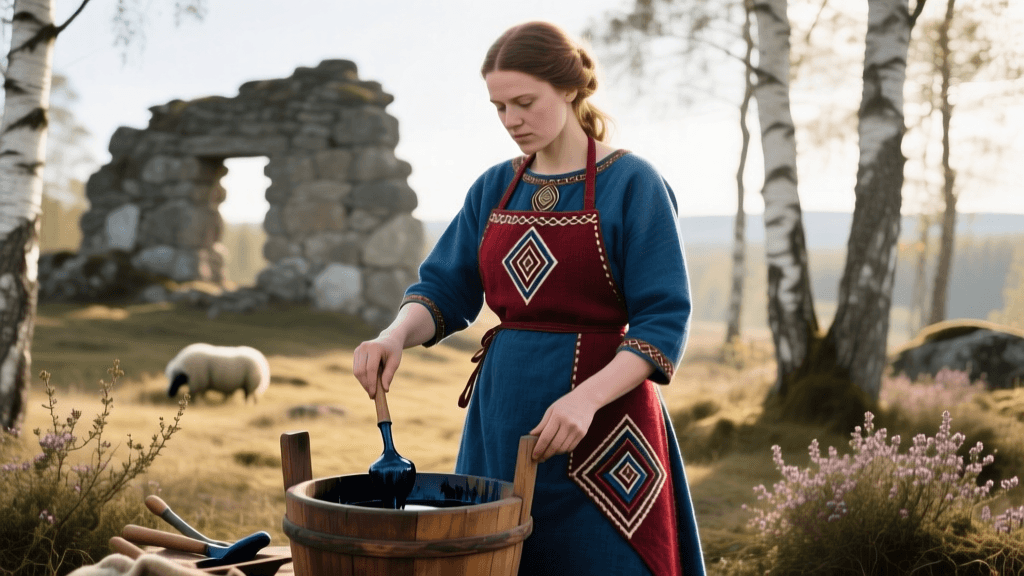
Bulgarian Shevitsa Embroidery Guide 2026: Motifs & Sourcing
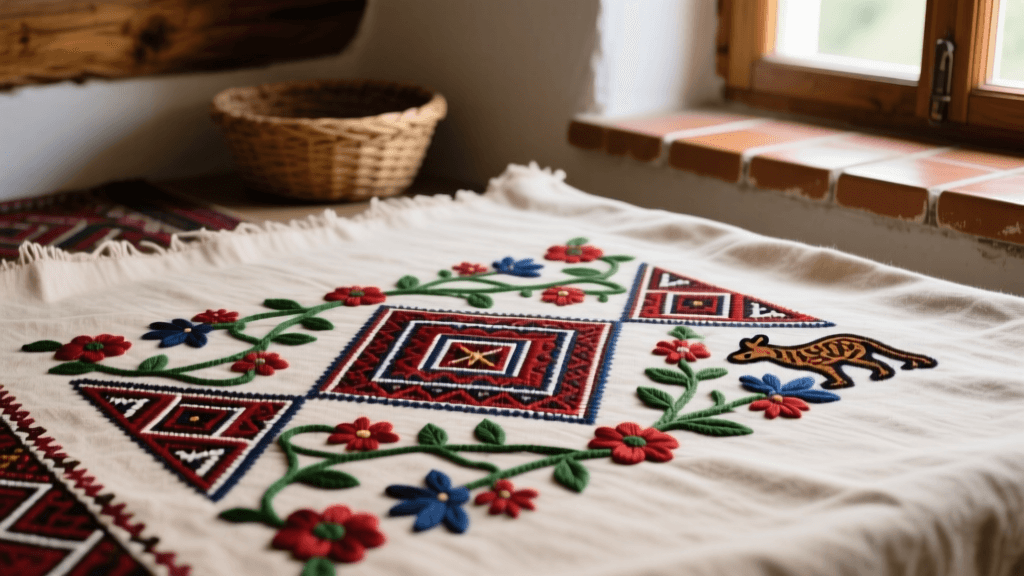
The Living Code of Bulgarian Shevitsa in 2026
Bulgarian Shevitsa is far more than mere decorative needlework; it is an ancient, geometric language woven into the very fabric of Slavic and Balkan identity. Historically, these intricate embroidery patterns served as talismans, protecting the wearer from evil spirits, ensuring fertility, and signaling social status or regional origin. As we navigate the global slow fashion and heritage revival movements of 2026, authentic Shevitsa has transitioned from museum archives back into the contemporary wardrobe. Today’s collectors, cultural enthusiasts, and ethical fashion consumers are actively seeking out master artisans who preserve these centuries-old techniques using organic linens and natural dyes.
Understanding the deeper context of Bulgarian cultural traditions is essential for anyone looking to appreciate or acquire these garments. The modern market is flooded with machine-made imitations, making it crucial to know how to decode the motifs, identify regional variations, and source genuine hand-stitched pieces. This comprehensive 2026 guide will equip you with the knowledge to navigate the rich world of Eastern European folk dress.
The Geometry of Protection: Core Shevitsa Motifs
Traditional Balkan embroidery relies heavily on strict geometric forms. Unlike the flowing floral patterns of Western European folk art, Slavic Shevitsa is mathematical, reflecting the ancient worldview of agrarian societies. According to experts studying global folk art movements, these repeating shapes were believed to create an impenetrable spiritual shield around the wearer, particularly when placed at the 'vulnerable' openings of a garment, such as the neckline, cuffs, and hem.
Elbetitsa (The Eight-Pointed Star)
Perhaps the most recognizable and powerful of all Bulgarian motifs, the Elbetitsa represents the eight directions of the world and the harmony of the universe. It is a universal symbol of protection, often stitched in deep red thread over the heart or on the chest of a traditional blouse (known as a 'riza'). In 2026, contemporary artisans frequently use the Elbetitsa as a centerpiece for modern minimalist tunics, bridging ancient protection with modern aesthetics.
Makaz (The Diamond / Rhombus)
The Makaz is a symbol of fertility, marriage, and female energy. Often featuring a small cross or dot in the center (representing a seed or the spark of life), this motif is traditionally gifted to young brides. When diamonds are linked together in a continuous chain, they represent the unbroken lineage of a family and the eternal cycle of life and harvest.
Kanatitsa (The Tree of Life / Bird Motif)
Stylized to look like a geometric tree or two birds facing one another, the Kanatitsa symbolizes longevity, family roots, and the connection between the earthly and spiritual realms. It is heavily featured in the bridal aprons and heavy woolen outer garments of the mountainous regions.
Zhivotvoryashtiyat Krust (The Vivifying Cross)
Not strictly a Christian cross, this ancient solar symbol predates the arrival of Christianity in the Balkans. It represents the sun, health, and spiritual vitality. Artisans often stitch this in golden-yellow threads to invoke the healing power of sunlight.
Color Symbolism in Slavic Balkan Embroidery
The color palette of Shevitsa is never arbitrary. Before the advent of synthetic aniline dyes in the late 19th century, all threads were dyed using local flora and minerals. Today’s 2026 heritage revivalists are returning to these natural dye methods, which yield richer, more complex tones that age beautifully.
- Red (Madder Root): The dominant color in almost all regional variations. It symbolizes blood, life force, protection, and the sun. It is believed to repel the 'evil eye'.
- Green (Nettle and Indigo Overdye): Represents youth, nature, the eternal cycle of vegetation, and health.
- Black (Walnut Husks and Oak Galls): Symbolizes the earth, stability, and sometimes sorrow or mourning. It is often used as an outlining color to make the red and green motifs pop.
- White (Undyed Linen/Hemp): The base fabric represents purity, light, and the divine.
Regional Variations: A Comparative Guide
Bulgaria’s diverse topography—from the Thracian plains to the rugged Rhodope Mountains—has given rise to distinct regional styles. When sourcing authentic pieces in 2026, identifying the region helps verify the garment's provenance and ensures you are paying the correct market value. The following table outlines the primary ethnographic regions and their signature textile characteristics.
| Region | Dominant Colors | Key Motifs & Style | Base Fabric (2026 Artisan Standard) |
|---|---|---|---|
| Thrace | Vibrant Red, Gold, Green | Dense, heavy embroidery; large floral-geometric hybrids; elaborate aprons. | Fine organic cotton and lightweight hemp. |
| Pirin (Macedonia) | Red, Blue, Black, White | Strict geometric patterns; openwork embroidery; heavily pleated skirts. | Medium-weight linen with visible slub texture. |
| Dobrudzha | Red, Black, Yellow | Minimalist, highly stylized geometric shapes; asymmetrical placements. | Coarse, unbleached hemp for durability. |
| Shopluk | Red, Black, Dark Blue | Tiny, dense cross-stitches; compact motifs; dark, heavy outer garments. | Thick wool blends and heavy winter linen. |
| Rhodope | Dark Red, Brown, Black | Subtle, dark-on-dark embroidery; heavy use of woven Sayak (woolen cloth). | Hand-woven Sayak (fulled wool) and raw fleece. |
Sourcing Authentic Shevitsa in 2026
The commercialization of folk dress has led to a market saturated with mass-produced, machine-embroidered souvenirs. As of 2026, the European Union’s expanded Geographical Indication (GI) frameworks and digital artisan registries have made it easier to verify authentic hand-stitched garments, but buyers must still exercise diligence. Organizations aligned with UNESCO intangible heritage guidelines frequently partner with local Balkan cooperatives to certify master artisans.
How to Spot Hand-Stitched vs. Machine-Made
- The 'Wrong' Side of the Fabric: Turn the garment inside out. Hand-stitched Shevitsa will look almost identical on the reverse side, with neat, deliberate thread carries. Machine embroidery will show a chaotic web of backing threads and bobbin knots.
- Stitch Irregularity: Human hands are not robots. Look closely at the cross-stitches; slight variations in tension and angle are hallmarks of authentic artisan work.
- Fabric Integration: Traditional Shevitsa is counted-thread embroidery, meaning the artisan counts the warp and weft threads of the base fabric to ensure perfect geometry. If the embroidery looks 'stamped' on or ignores the fabric's weave, it is likely machine-made.
2026 Market Pricing Guide
Investing in authentic Eastern European folk dress requires an understanding of the labor involved. A single master artisan may spend 80 to 150 hours hand-stitching a traditional blouse. Below is the current 2026 pricing landscape for authentic Bulgarian Shevitsa garments:
- Machine-Made Souvenirs (Factory Produced): €25 – €60. (Not recommended for serious collectors or cultural preservationists).
- Semi-Handmade (Machine base, hand-finished details): €90 – €180. (Acceptable for casual festival wear, but lacks historical integrity).
- Authentic Artisan (Fully hand-stitched, commercial dyes): €250 – €450. (The standard for cultural enthusiasts and slow-fashion advocates).
- Master Heritage Piece (Hand-spun, naturally dyed, museum-quality): €600 – €1,500+. (Commissioned directly from certified heritage cooperatives in regions like Koprivshtitsa or Smolyan).
Where to Buy: Trusted 2026 Channels
Avoid generic tourist shops in major capitals. Instead, source directly from regional 'Chitalishte' (community cultural centers) which frequently host artisan markets and maintain online storefronts. Additionally, verified European craft platforms like the Balkan Artisan Guild Direct and specialized Etsy sellers who provide video proof of their stitching process and transparent supply chains regarding their organic hemp and linen sources are your best bet for securing genuine pieces.
Caring for Hand-Embroidered Heritage Linens
Authentic Shevitsa garments are heirlooms meant to outlive their original owners. However, the natural dyes and organic fibers used in the 2026 revival movement require specific care to prevent degradation.
- Washing: Never machine wash. Hand wash in cold water (below 20°C) using a pH-neutral, eco-friendly detergent designed for delicate natural fibers. Do not soak for more than 10 minutes to prevent natural red dyes from bleeding into the white linen.
- Drying: Never wring or twist the fabric, as this will warp the counted-thread geometry. Roll the garment in a clean, dry towel to press out excess water, then lay it flat to dry in the shade. Direct UV sunlight will rapidly fade natural madder and indigo dyes.
- Ironing and Storage: Iron the garment inside out while it is still slightly damp, using a medium heat setting. Store folded in acid-free tissue paper inside a breathable cotton bag. Avoid plastic bins, which trap moisture and encourage mildew on organic hemp fibers.
Conclusion
The resurgence of Bulgarian Shevitsa in 2026 is a testament to the enduring power of Slavic and Balkan textile traditions. By understanding the profound symbolism of the Elbetitsa, the regional nuances of Thracian and Rhodope designs, and the meticulous standards of authentic hand-stitching, you can build a folk dress collection that is both culturally respectful and aesthetically timeless. Whether you are commissioning a bespoke bridal blouse or sourcing a vintage Pirin tunic, you are participating in the vital preservation of Europe's most beautiful geometric heritage.