Romanian Ie Blouse Revival: 2026 Contemporary Styling Guide
The 2026 Landscape of European Folk Dress Revival
The landscape of European folk fashion has undergone a radical transformation by 2026. No longer confined to museum archives, regional festivals, or historical reenactments, traditional garments are actively shaping contemporary global wardrobes. At the forefront of this European folk dress revival is the Romanian Ie (pronounced 'ee-eh'), the intricately embroidered peasant blouse that has captivated designers, artists, and modern consumers alike. In 2026, the Ie represents a masterclass in how to honor deep cultural heritage while adapting to the demands of modern, urban, and professional environments. This comprehensive guide explores the contemporary styling of the Romanian Ie, offering actionable advice for integrating this masterpiece of Eastern European textile tradition into your 2026 wardrobe without compromising its cultural integrity.
Understanding the Anatomy of the Authentic Ie
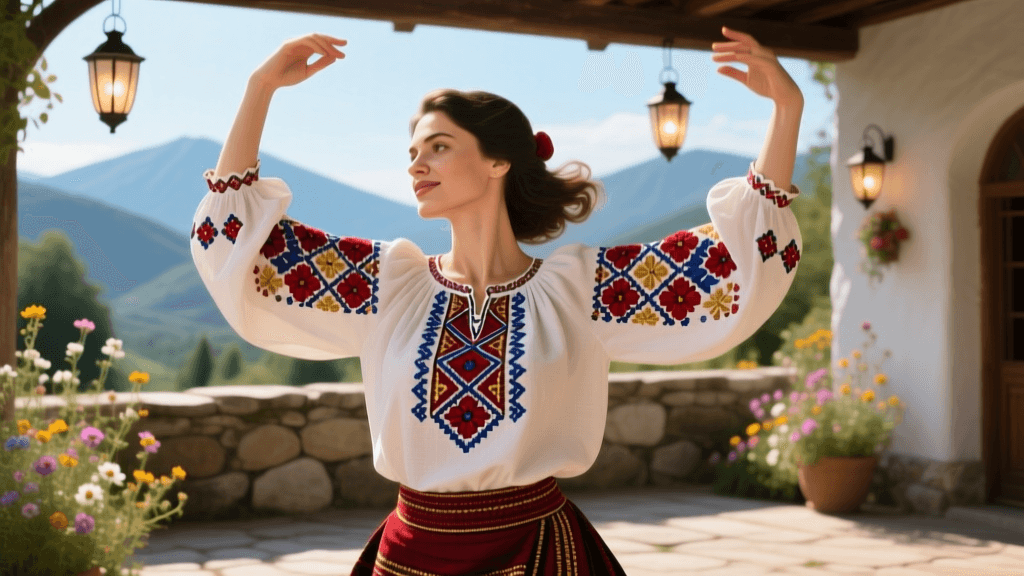
To style the Ie respectfully and effectively, one must first understand its structural and symbolic anatomy. The traditional blouse is not merely a garment; it is a canvas of regional identity and ancestral storytelling. The most critical component is the altiță (the shoulder band), which historically featured the most complex geometric and floral motifs, serving as a protective talisman and a marker of the wearer's specific village or region. Below the altiță lies the încreț (the gathering), and extending down the sleeve are the râuri (the rivers), which guide the eye downward and signify the flow of life and time.
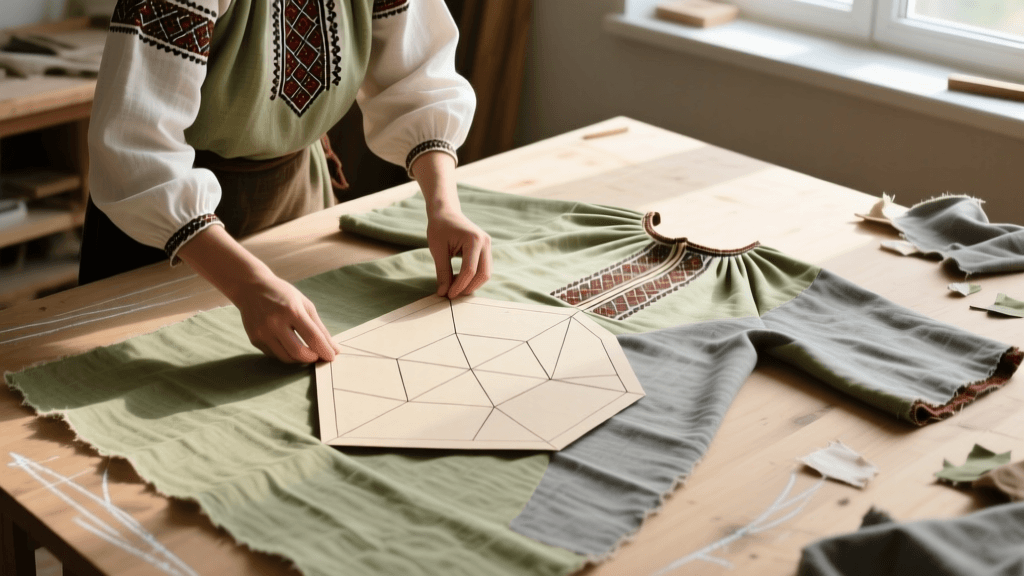
In 2026, authentic artisan cooperatives have decisively returned to heritage fibers. While the mid-20th century saw the introduction of synthetic threads and commercial cottons, the contemporary revival demands handwoven organic hemp, raw linen, and peace silk. The embroidery is executed using hand-spun wool or silk thread, dyed with natural botanicals like walnut husks, madder root, and indigo. According to the Europeana digital heritage archive, these specific regional dyeing and weaving techniques are critical markers of authentic Eastern European folk dress, distinguishing true heritage pieces from mass-produced, culturally disconnected imitations.
The 2026 Sourcing Matrix: Authentic Artisans vs. Fast Fashion
As the demand for folk-inspired fashion peaks in 2026, the market is saturated with both genuine artisanal masterpieces and culturally appropriative fast-fashion knockoffs. Investing in authentic pieces not only preserves the intangible cultural heritage—as championed by UNESCO's Intangible Cultural Heritage initiatives—but also ensures superior garment longevity, ethical labor practices, and sustainable production. Below is a comparative matrix to help you navigate the 2026 market.
| Category | 2026 Price Range | Material & Technique | Best Styling Use |
|---|---|---|---|
| Authentic Artisan Cooperative | $350 - $850+ | Handwoven hemp/linen, natural dyes, 100+ hours of hand-embroidery | Heirloom wear, high-end office, cultural events |
| Vintage / Antique (Pre-1980) | $200 - $600 | Aged cotton/linen, aniline or early synthetic threads, historical wear | Curated streetwear, collector archives, fashion layering |
| Contemporary Designer Interpretation | $150 - $400 | Commercial silk/cotton, machine-assisted embroidery, modern cuts | Everyday office wear, casual urban styling |
| Fast-Fashion 'Folk' Knockoff | $30 - $80 | Polyester blends, digital printing or basic machine stitch | Avoid (lacks cultural integrity, poor longevity) |
Contemporary Styling: The Modern Office Environment
The most significant styling shift in 2026 is the seamless integration of the Ie into professional and corporate wardrobes. The voluminous, romantic silhouette of the traditional blouse can easily clash with the structured environment of a modern office if not balanced correctly. The key to contemporary office styling is contrast, proportion, and minimalism.
The Tailored Trouser Pairing
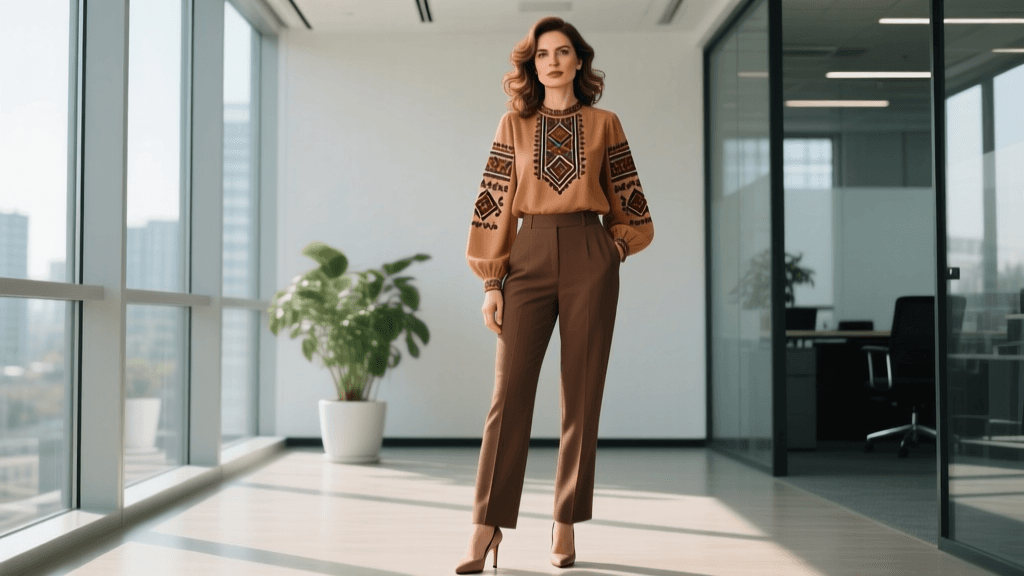
Opt for an Ie crafted from a finer, lightweight linen or silk blend with subtle, monochromatic embroidery (such as white-on-white or black-on-black). Tuck the blouse into high-waisted, wide-leg tailored trousers in charcoal, camel, or navy. The structured drape of the trousers grounds the volume of the blouse's bishop sleeves, creating a sophisticated, avant-garde silhouette suitable for creative agencies, architecture firms, or modern corporate settings. Finish with a structured leather tote and pointed-toe loafers.
The Minimalist Midi Skirt
For a more conservative office environment, pair a mid-weight cotton Ie with a sleek, bias-cut satin or wool-crepe midi skirt. Allow the blouse to blouse slightly over the waistband, secured with a thin, artisanal leather belt to define the waist without crushing the delicate embroidery. Keep footwear minimalist—think sleek leather mules or low-block heels. Avoid pairing the Ie with other heavily patterned or folk-inspired items; let the embroidery be the sole focal point of the ensemble.
Urban Streetwear and Weekend Layering
Outside the office, the 2026 streetwear scene has embraced the Ie as a statement layering piece. The juxtaposition of delicate, historic embroidery with rugged, utilitarian fabrics is a defining trend of the year, bridging the gap between pastoral tradition and urban edge.
Denim and Leather Juxtaposition
A heavyweight, raw-hemp Ie with bold, rust-red or indigo geometric altiță patterns looks striking when paired with dark, raw selvedge denim or wide-leg vintage carpenter jeans. Layer a cropped, vintage-style leather moto jacket over the shoulders to frame the intricate neckline and shoulder embroidery. This combination highlights the texture contrast between the soft, handwoven fibers and the rigid leather.
The Slip Dress Layer
For transitional spring or autumn weather, layer a sheer, finely woven silk Ie over a solid-colored, heavyweight slip dress. This modern styling technique allows the intricate cutwork and embroidery of the blouse to pop against the solid backdrop, offering a contemporary take on traditional layering practices while providing practical warmth.
Accessorizing the Folk Revival
When styling the Ie in 2026, accessory selection must be deliberate to avoid a 'costume' aesthetic. Avoid traditional folk beads, heavy coin jewelry, or rustic woven baskets unless you are attending a specific cultural festival or heritage parade. Instead, elevate the blouse with modern, architectural jewelry. Sculptural brass earrings, minimalist geometric silver rings, and structured, high-quality leather handbags provide a contemporary frame that signals a deliberate fashion choice rather than historical reenactment.
Garment Care and Preservation
Authentic, hand-embroidered Ie blouses are investment pieces that require meticulous care. The natural dyes and hand-spun fibers used in 2026 artisan cooperatives are highly sensitive to harsh chemicals, agitation, and high temperatures.
- Washing: Never machine wash an authentic Ie. Hand wash in cold water using a pH-neutral, eco-friendly detergent specifically formulated for delicate natural fibers. Do not wring or twist the fabric; instead, gently press the water out and lay the garment flat on a clean, dry towel to air dry away from direct sunlight, which can fade the botanical dyes.
- Storage: Store your Ie flat or rolled in acid-free tissue paper within a breathable cotton garment bag. Avoid wire hangers, which can distort the delicate shoulder seams and stretch the încreț gathering over time.
- Ironing: If necessary, iron the blouse inside out on a low heat setting, using a pressing cloth to protect the raised embroidery stitches from being crushed.
Conclusion
The 2026 revival of the Romanian Ie is a testament to the enduring power and adaptability of European folk dress. By understanding its rich anatomy, sourcing ethically from verified cooperatives, and applying modern styling principles, you can seamlessly integrate this cultural masterpiece into your contemporary wardrobe. In doing so, you honor the ancestral artisans of the past while confidently dressing for the future.