Feria De Abril 2026: Sevillanas Dance & Flamenca Dress Guide
The Heart of Andalusian Folk Culture: Feria de Abril 2026
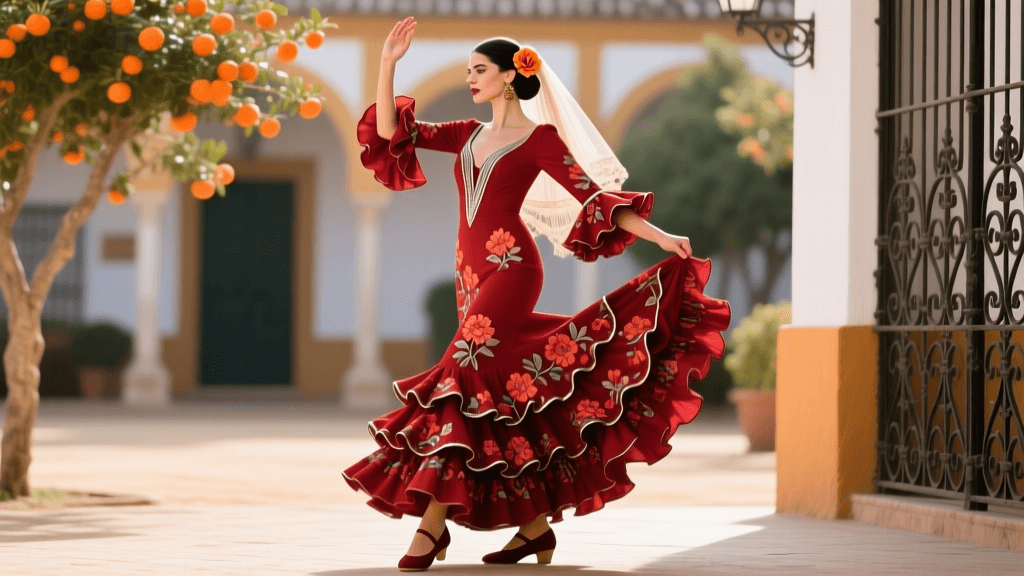
The Feria de Abril in Seville is far more than a seasonal celebration; it is a profound, living expression of Andalusian identity, folklore, and community. As we approach the 2026 festival season, the intersection of traditional European folk dress and dynamic movement has never been more relevant. At the center of this cultural phenomenon is the Traje de Flamenca (Flamenco dress) and its inextricable link to the Sevillanas, the rhythmic, partnered folk dance that dictates the social rhythm of the festival. According to the official Spanish tourism board, the Feria draws millions of visitors annually, all eager to witness or participate in the vibrant display of regional heritage. For the garment enthusiast and the folk dancer alike, understanding the construction, evolution, and functional requirements of the 2026 Flamenca dress is essential for an authentic and comfortable festival experience.
Evolution of the Silhouette: 2026 Trends in Flamenca Fashion
Historically, the Flamenca dress evolved from the modest, ruffled robes worn by the wives of Romani livestock traders in the late 19th and early 20th centuries. Today, it is the only traditional European folk costume that continuously evolves with high fashion trends while maintaining its core structural DNA. For the 2026 season, Seville's premier designers have introduced a fascinating blend of historical revival and modern sustainability. The heavy, restrictive polyesters of the early 2000s have been entirely replaced by high-thread-count organic cottons, breathable viscose blends, and innovative digital-print textiles that mimic traditional artisanal block printing without the environmental toll.
The 2026 silhouette favors the cola corta (short train) and a slightly higher waistline, allowing for greater freedom of movement during the vigorous footwork of the Sevillanas. Ruffles (volantes) are being constructed with a specialized, lightweight cotton cord sewn into the hem of each tier. This structural addition ensures that when a dancer executes a vuelta (turn), the skirt flares out in a perfect, controlled circle rather than tangling around the legs, a critical safety and aesthetic feature for crowded festival dance floors.
Engineering the Dress for the Sevillanas Folk Dance
The Sevillanas is a rhythmic folk dance divided into four distinct parts (coplas), characterized by sharp, percussive footwork (zapateado), graceful sweeping arm movements (braceo), and intricate partnered turns. The Traje de Flamenca must be engineered specifically to accommodate this biomechanical demand. The bodice (cuerpo) is traditionally tailored to fit like a second skin, providing core support without restricting the diaphragm, which is vital for the stamina required to dance for hours in the warm Andalusian spring.
Furthermore, the internal structure of the skirt relies heavily on the bambalina—the hidden, inner ruffle layer made of stiff netting or can-can fabric. In 2026, textile engineers working with the Museo del Baile Flamenco have popularized a new hybrid mesh for the bambalina that offers the necessary volumetric lift while reducing the garment's overall weight by up to 30%. This weight reduction is a game-changer for folk dancers, preventing the lower back fatigue commonly associated with wearing multi-layered traditional garments during extended festival days.
2026 Sourcing and Pricing Guide for the Traje de Flamenca
Acquiring a Flamenca dress requires careful planning, especially if you intend to dance the Sevillanas. The market in 2026 offers distinct pathways depending on your budget, timeline, and commitment to the folk dance tradition. Below is a comprehensive breakdown of sourcing options available in Seville and online for the current season.
| Sourcing Method | Average Cost (EUR) | Lead Time | Best For |
|---|---|---|---|
| Custom Atelier (Alta Costura) | €450 - €1,200+ | 2-4 Months | Serious dancers, bespoke fit, unique textile selection |
| Off-the-Rack Boutique | €150 - €350 | Immediate | First-time attendees, budget-conscious buyers |
| Specialized Rental Services | €60 - €120 | 1 Week | Single-use, eco-conscious travelers, minimalists |
| Vintage / Second-Hand Markets | €80 - €250 | Variable | Sustainability advocates, lovers of 1990s/2000s silhouettes |
For those committed to dancing the Sevillanas, a custom or carefully tailored off-the-rack dress is highly recommended. The hemline must be measured precisely while wearing your specific dance shoes, resting exactly 2 centimeters above the floor to prevent tripping during rapid footwork.
Essential Accessories for Movement and Tradition
No Flamenca ensemble is complete without its accompanying accessories, each serving both an aesthetic and functional purpose in the context of the folk dance.
The Mantón de Manila (Manila Shawl)
Originating from the historic silk trade routes between Asia and Spain via Manila, this heavily embroidered silk shawl is a masterpiece of textile art. For the 2026 folk dancer, the trend is to use a slightly smaller, lighter mantón (measuring 140x140 cm rather than the traditional 180x180 cm) to prevent the heavy silk from dragging down the shoulders during vigorous braceo. The hand-tied fringes (flecos) act as visual extensions of the dancer's arms, accentuating the rhythmic beats of the music.
Zapatos de Flamenca (Dance Shoes)
You cannot safely or effectively perform Sevillanas in standard fashion heels. The 2026 standard for festival folk dancers is a reinforced flamenco shoe with a 5cm to 6cm heel, a suede upper for breathability, and a toe and heel reinforced with hundreds of tiny metal nails. These nails create the percussive tacón and punta sounds essential to the dance's rhythm. Brands like Bulería and Menkes have released updated 2026 models featuring ergonomic arch support and shock-absorbing insoles, recognizing that modern festival-goers dance on hard wooden and concrete caseta (tent) floors for hours. As noted by the Instituto Andaluz del Flamenco, proper footwear is fundamental to preserving both the auditory tradition of the dance and the physical health of the performer.
Peineta and Flor (Hair Accessories)
The hair is traditionally swept up into a tight bun to elongate the neck and accommodate the peineta (decorative comb). In 2026, lightweight, flexible acrylic combs have largely replaced heavy tortoiseshell or metal, preventing headaches during long days in the heat. The flor (flower) is placed precisely at the crown of the bun, color-coordinated with the secondary tones of the dress's ruffles.
Garment Care and Preservation for the Festival Season
The intricate ruffles and delicate fabrics of the 2026 Traje de Flamenca require meticulous care. After a long day of dancing, the dress must be aired out immediately to prevent sweat and humidity from degrading the organic cotton fibers. When storing the garment, never fold the skirt; the ruffles must be stuffed with acid-free tissue paper to maintain their shape and hung on a padded hanger inside a breathable cotton garment bag. If the ruffles become crushed during travel, a handheld steamer is the only safe method to restore their volume, as direct contact with a traditional iron will melt the synthetic netting of the bambalina.
Conclusion
The Feria de Abril 2026 promises to be a spectacular showcase of Andalusian heritage, where the boundaries between high fashion, historical preservation, and folk dance seamlessly blur. The Traje de Flamenca is not merely a costume to be observed; it is a dynamic, engineered garment designed to be lived in, moved in, and danced in. By understanding the 2026 trends, respecting the biomechanical needs of the Sevillanas, and investing in the proper accessories and footwear, you ensure that your participation in this magnificent European folk tradition is both authentic and deeply joyful.