Sourcing Authentic Carpathian Vyshyvanka & Ia Blouses 2026
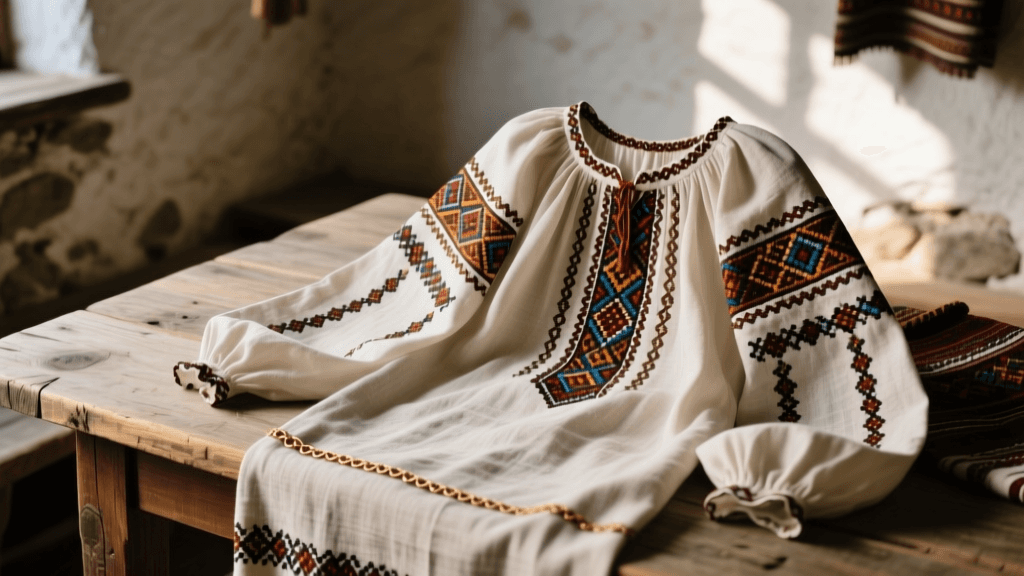
The Living Heritage of Carpathian Textile Art
The Carpathian Mountain basin has long served as a cultural crossroads, nurturing some of the most intricate and symbolically rich textile traditions in Europe. For collectors, cultural enthusiasts, and slow-fashion advocates in 2026, the traditional embroidered blouses of this region—specifically the Ukrainian Vyshyvanka and the Romanian/Moldovan Ia—represent far more than mere garments. They are woven maps of identity, carrying centuries of botanical knowledge, spiritual protection motifs, and regional pride. However, as global interest in Eastern European folk dress surges, the market has become saturated with mass-produced, machine-embroidered imitations. Understanding the nuanced construction, regional variations, and authentic sourcing methods is essential for anyone looking to invest in genuine heritage textiles this year.
Anatomy of the Blouse: Structural Differences
While both the Vyshyvanka and the Ia share a foundation of handwoven linen or hemp, their structural anatomy and decorative philosophies differ significantly based on their cultural origins.
The Romanian Ia
The traditional Romanian blouse is defined by its highly structured decorative zones. The most critical element is the Altiță, a rectangular, heavily embroidered panel situated on the upper shoulder and sleeve. Directly beneath the Altiță lies the Increț, a narrow band of gathering stitches that transitions into the Râuri (literally 'rivers'), which are diagonal or vertical stripes of embroidery flowing down the sleeve. The joining seams of the fabric panels are traditionally bound using a technique called Cheiță (little key), a complex needle-lace stitch that is both functional and highly decorative.
The Ukrainian Vyshyvanka
The Ukrainian Vyshyvanka is typically constructed from loom-width panels joined with minimal cutting, preserving the integrity of the handwoven cloth. The focal points are the Ustavka (a rectangular shoulder insert), the Pazinka (cuffs), and the chest panel. Unlike the flowing 'rivers' of the Ia, the Vyshyvanka often relies on dense, geometric cross-stitch (Krestik) or intricate drawn-thread cutwork (Merezhka), creating a striking contrast between the negative space of the fabric and the dense embroidery.
Key Embroidery Techniques to Identify
Authenticating a piece requires a close examination of the stitch work. Machine embroidery, no matter how advanced in 2026, cannot replicate the tension and structural nuances of hand-executed heritage techniques.
- Merezhka (Drawn-Thread Cutwork): Predominant in central and western Ukraine, this technique involves selectively removing warp or weft threads from the linen base and wrapping the remaining threads to create lace-like geometric patterns. True Merezhka is entirely hand-pulled and bound.
- Krestik (Cross-Stitch): The foundational stitch of Slavic folk art. In authentic vintage or high-end contemporary pieces, the cross-stitches are executed with mathematical precision, with all top stitches leaning in the exact same direction to catch the light uniformly.
- Lantsuh (Chain Stitch): Often used in the Carpathian foothills and Bukovina region, this continuous loop stitch is used to outline motifs or fill in floral patterns, providing a textured, raised surface that machines struggle to mimic on delicate handwoven linen.
2026 Regional Style Comparison Chart
When sourcing authentic blouses, identifying the regional origin is key to understanding the garment's value and cultural context. The table below outlines the primary characteristics and current market pricing for authentic, handmade pieces from four major Carpathian regions.
| Region | Primary Motif & Style | Dominant Colors | Base Fabric | 2026 Avg. Authentic Price (USD) |
|---|---|---|---|---|
| Pokuttia (Ukraine) | Dense geometric cross-stitch, star and diamond motifs | Black, deep red, occasional yellow | Heavy handwoven linen | $450 - $700 |
| Bukovina (Ukraine/Romania) | Floral and geometric mix, heavy use of chain stitch and beadwork | Vibrant red, green, black, gold thread | Medium-weight linen, hemp blends | $500 - $850 |
| Olt (Romania) | Floral 'rivers', intricate Altiță with stylized peacocks and vines | Crimson red, black, subtle blue accents | Fine white cotton or thin linen | $350 - $600 |
| Maramureș (Romania) | Minimalist geometric patterns, subtle cutwork, modest Altiță | Black on white, or muted earth tones | Unbleached hemp, raw linen | $300 - $550 |
How to Authenticate Handmade Pieces in 2026
Whether you are purchasing from a specialized dealer in Kyiv, a cooperative in Sibiu, or an online heritage marketplace, use these actionable steps to verify authenticity:
- Inspect the Reverse Side: Turn the blouse inside out. Hand embroidery is typically executed with such care that the 'wrong' side is nearly as neat as the front, with no long, loose threads or messy jump-stitches. Machine embroidery often leaves a chaotic web of connecting threads on the back.
- Examine the Fabric Selvedge: Authentic handwoven fabric is woven on narrow looms, typically producing cloth only 40 to 50 centimeters wide. Look for the natural selvedge edges incorporated into the side seams. If the fabric is 150cm wide with synthetic serging, it is modern, factory-milled cloth.
- Check the Thread Composition: Burn a tiny, discreet snippet of the embroidery thread (if permitted). Cotton or silk will turn to ash and smell like burning paper or hair. Synthetic polyester will melt into a hard plastic bead. Furthermore, hand-dyed threads will exhibit slight, natural color variances along the length of the stitch, whereas commercial dyes are perfectly uniform.
- Assess the Seam Joinery: Look for the Cheiță or hand-stitched faggoting joining the sleeves to the body. Authentic pieces use decorative needle-lace to bridge the gap between fabric panels, rather than simple machine zig-zag stitching.
Sourcing and Ethical Purchasing
In 2026, the most reliable way to source authentic Vyshyvankas and Ia blouses is directly through verified artisan cooperatives or specialized textile conservators. Organizations dedicated to preserving rural crafts often operate online storefronts that guarantee fair compensation for the village artisans, who may spend upwards of 200 hours on a single blouse. Avoid generic e-commerce platforms that ship from massive fulfillment centers; instead, look for sellers who provide the name of the artisan, the specific village of origin, and photographic documentation of the embroidery process. Expect to pay a premium—genuine handmade heritage blouses are investment pieces, reflecting hundreds of hours of skilled labor.
Caring for Heritage Linen and Hemp Textiles
Proper conservation is vital to maintaining the structural integrity and vibrant colors of these historical garments. Heritage textiles require specialized care to prevent fiber degradation and dye bleeding. According to the Victoria and Albert Museum's textile conservation guide, historic linens should never be subjected to harsh chemical bleaches or high-heat machine washing, as this shatters the natural fibers and causes irreversible shrinkage.
For routine maintenance, hand-wash the blouse in cool water (below 30°C) using a pH-neutral, conservation-grade detergent. Never wring or twist the fabric; instead, gently press the water out and roll the garment in a clean, dry cotton towel to absorb excess moisture. Allow it to dry flat, away from direct sunlight, which can rapidly fade natural botanical dyes like madder root and weld.
When storing your collection, the National Trust's heritage textile care instructions strongly advise against hanging heavy, embroidered blouses on wire or wooden hangers, as the weight of the dense embroidery will distort the shoulder seams over time. Instead, store the blouses flat in archival-quality, acid-free boxes. Interleave the folds with acid-free tissue paper to prevent hard creases from forming, which can eventually lead to fiber snapping along the fold lines.
Styling Traditional Blouses for Contemporary Wear
Integrating a traditional Carpathian blouse into a modern 2026 wardrobe requires a balanced approach that respects the garment's cultural weight while avoiding a costumey appearance. The key is contrast. Pair the voluminous, heavily embroidered sleeves of a Bukovina Vyshyvanka with sharply tailored, high-waisted wool trousers or a minimalist, structured midi skirt. This juxtaposition allows the intricate needlework to serve as the focal point of the outfit. Avoid pairing these blouses with other heavily patterned items or folk-inspired accessories; let the heritage textile speak for itself. By understanding the profound history, structural anatomy, and proper care of the Vyshyvanka and Ia, collectors and fashion enthusiasts alike can help preserve the living legacy of Carpathian textile art for generations to come.