Authentic Slavic & Balkan Embroidered Blouses: 2026 Guide
The 2026 Revival of Eastern European Folk Dress
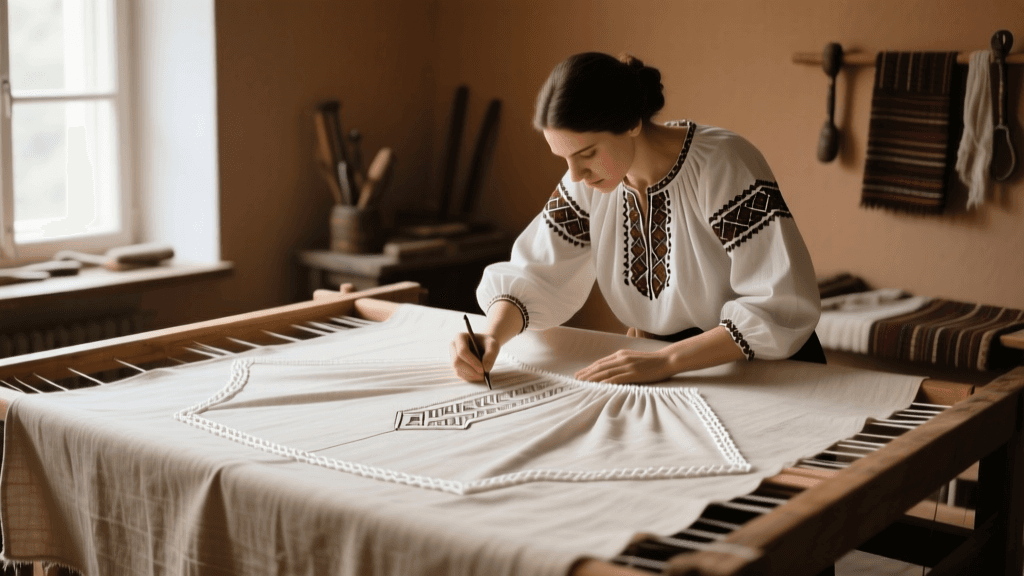
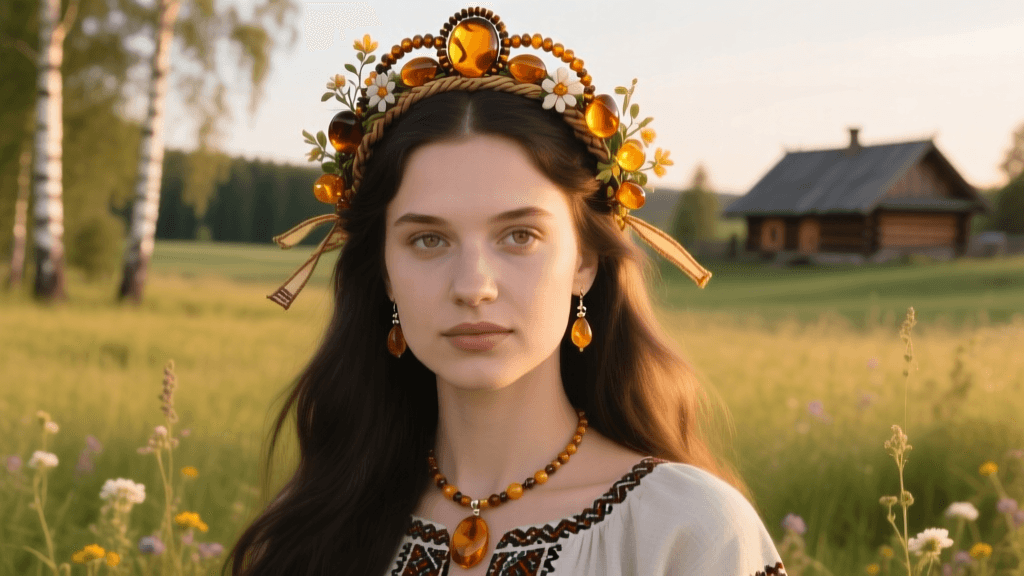
The global fashion landscape of 2026 has witnessed a profound shift toward heritage-driven, sustainable wardrobes, placing traditional European folk dress at the forefront of conscious style. Among the most sought-after garments are the intricately embroidered blouses of the Slavic and Balkan regions. Far from being mere historical costumes, these pieces represent living traditions, meticulously preserved by artisan cooperatives and reimagined by contemporary designers. As consumers increasingly reject fast fashion in favor of garments with deep cultural narratives and exceptional craftsmanship, the Slavic Vyshyvanka and the Romanian/Balkan Ie have emerged as cornerstone pieces for the modern heritage wardrobe. According to UNESCO's Intangible Cultural Heritage frameworks, the techniques used to create these garments are recognized not just as clothing production, but as vital expressions of cultural identity, community resilience, and ancestral knowledge passed down through generations of female artisans.
Anatomy of Heritage: Vyshyvanka vs. The Romanian Ie
While often grouped together by international buyers, the Slavic Vyshyvanka and the Balkan/Romanian Ie possess distinct structural and decorative philosophies. Understanding these differences is crucial for any collector or enthusiast navigating the 2026 market.
The Slavic Vyshyvanka
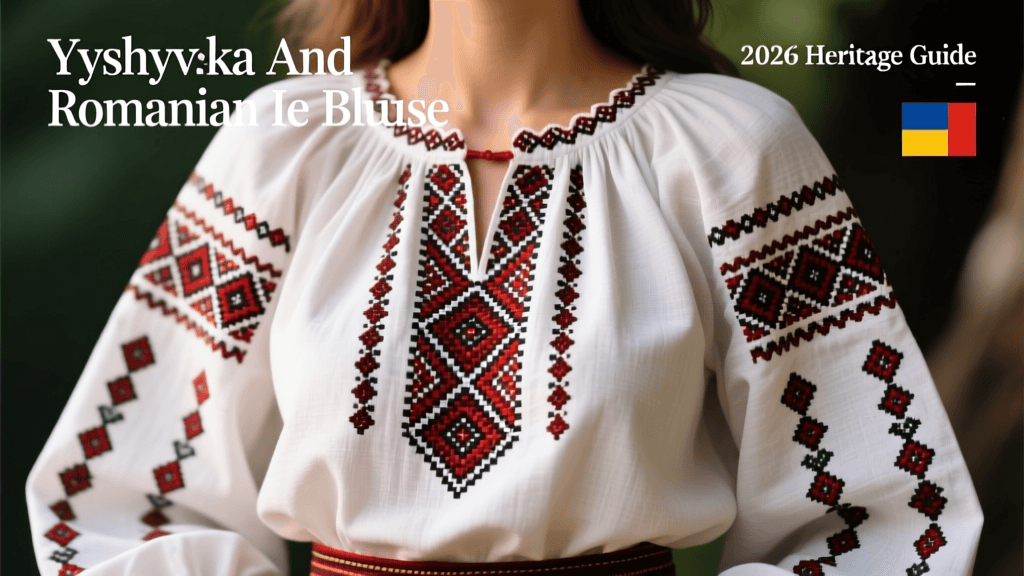
Originating primarily from Ukraine and surrounding Slavic territories, the Vyshyvanka is characterized by its strategic placement of embroidery. The protective motifs are traditionally concentrated at the 'vulnerable' openings of the garment: the neckline, the cuffs, and the hem. In 2026, the most prized regional variations include the Poltava style, famous for its ethereal white-on-white cutwork and satin stitching, and the Hutsul style from the Carpathian Mountains, which features dense, vibrant geometric patterns in black, red, and yellow. The cut is typically a straight, tunic-like silhouette constructed from rectangular panels of hand-woven linen or hemp, minimizing fabric waste and honoring the integrity of the loom-woven cloth.
The Balkan and Romanian Ie
The Ie, prominent in Romania and parts of the broader Balkan peninsula, is defined by its highly structured approach to surface design. The most iconic feature is the 'Altita'—a dense, rectangular block of embroidery on the shoulder, historically meant to protect the wearer from the evil eye and signify social status. Below the Altita lies the 'Incret' (a narrow transitional band) and the 'Rauri' (vertical rivers of embroidery flowing down the sleeve). As noted by Encyclopedia Britannica's comprehensive guide to embroidery, the Romanian stitch (also known as the Oriental or Balkan stitch) is frequently utilized here, creating a ribbed, textured effect that distinguishes it from the flat cross-stitch commonly found in Slavic traditions. The Ie often features a gathered neckline with a braided drawstring, allowing for versatile styling.
2026 Buyer’s Guide: Sourcing Authentic Garments
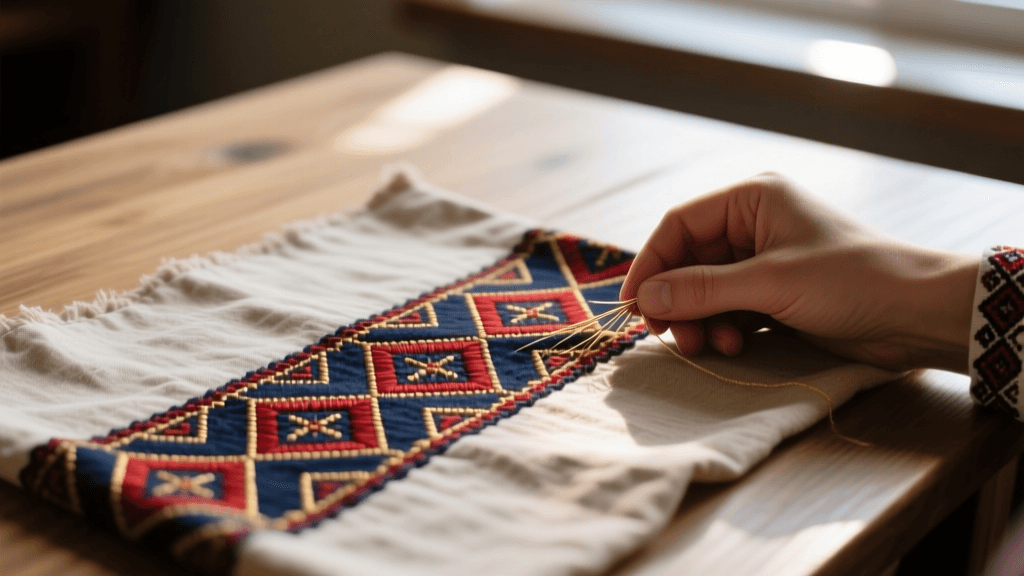
Sourcing authentic Eastern European folk dress in 2026 requires a discerning eye. The market is currently saturated with mass-produced, machine-embroidered approximations that lack the structural integrity and cultural accuracy of true heritage pieces. When investing in a genuine garment, buyers must look for hand-loomed base fabrics (typically a linen-cotton blend or pure hemp), natural dye lots, and the slight, beautiful irregularities that prove human hands guided the needle. Leading textile institutions, such as The Metropolitan Museum of Art's Costume Institute, frequently highlight the importance of examining the reverse side of the embroidery; in authentic handmade pieces, the back is nearly as neat as the front, with minimal loose threads or harsh synthetic stabilizers.
Market Comparison: Handmade Heritage vs. Modern Replicas
| Feature | Authentic Handmade Heritage (2026) | Modern Machine-Made Replica |
|---|---|---|
| Average Price | $350 - $950+ | $45 - $120 |
| Production Time | 40 to 120+ hours | Under 2 hours |
| Base Material | Hand-loomed linen, hemp, or raw cotton | Factory-milled polyester blends |
| Embroidery Thread | Naturally dyed wool, silk, or cotton | Synthetic rayon or polyester |
| Reverse Side | Neat, reversible, no stabilizer backing | Messy, backed with paper or synthetic mesh |
| Cultural Value | Supports rural artisan cooperatives | Mass-produced in overseas factories |
To source authentic pieces in 2026, bypass generic marketplace algorithms and connect directly with verified artisan cooperatives in regions like Lviv, Chernivtsi, Sibiu, and Maramureș. Many of these cooperatives now operate direct-to-consumer platforms, ensuring fair wages for the embroiderers and guaranteeing the provenance of the textile.
Decoding the Symbols: What Your Embroidery Means
Every stitch in a traditional Slavic or Balkan blouse serves a purpose beyond mere aesthetics. The embroidery acts as a visual language, a talismanic code designed to protect the wearer and align them with the natural world. When selecting a garment, understanding these motifs adds a profound layer of personal connection to the piece.
- The Rhombus (Diamond): One of the most ancient and ubiquitous symbols across both Slavic and Balkan traditions, the rhombus represents the sown field, fertility, and agricultural abundance. A rhombus divided into four smaller squares with dots inside signifies seeds sprouting and the promise of a bountiful harvest.
- The Rozhanitsa (Goddess/Fertility Figure): Often stylized into geometric, tree-like, or hourglass shapes, this motif represents the divine feminine, maternal protection, and the continuity of the family lineage. It is frequently placed near the hem or the chest.
- Oak Leaves and Acorns: Prominent in Ukrainian and Carpathian designs, the oak symbolizes immense physical strength, endurance, and masculine energy. It is often intertwined with floral motifs to represent the balance of masculine and feminine forces.
- The Tree of Life: A central axis motif found heavily in Balkan and Romanian Ie designs, representing the connection between the underworld (roots), the earthly realm (trunk), and the divine heavens (branches). It is a symbol of immortality and spiritual growth.
- Hops and Vines: Flowing, continuous winding lines that symbolize youth, vitality, and the unbroken cycle of life. These are often used in the 'Rauri' (vertical bands) on the sleeves of the Ie.
Styling Heritage Blouses for the Modern 2026 Wardrobe
The beauty of the Vyshyvanka and the Ie lies in their remarkable versatility. In 2026, the most compelling styling approaches treat these heritage blouses not as delicate museum pieces, but as robust, everyday luxury items. For a contemporary, elevated look, pair a white-on-white Poltava Vyshyvanka with high-waisted, wide-leg wool trousers and structured leather loafers. The contrast between the organic, hand-loomed texture of the blouse and the sharp tailoring of modern trousers creates a striking visual balance.
For the Romanian Ie, with its voluminous sleeves and gathered neckline, the key is proportion. Balance the dramatic volume of the sleeves by tucking the blouse into a sleek, midi-length slip skirt or dark, straight-leg denim. Cinching the waist with a minimalist leather belt or a traditional woven 'brau' (sash) helps define the silhouette. In cooler months, these blouses layer beautifully under tailored waistcoats, oversized chunky knit cardigans, or structured blazers, allowing the intricate Altita shoulder embroidery to peek through and serve as the focal point of the outfit.
Preservation: Caring for Hand-Embroidered Linen
Investing in authentic Eastern European folk dress requires a commitment to proper garment care. The natural fibers and organic dyes used in these pieces demand a gentle, deliberate maintenance routine to ensure they last for generations.
First, avoid machine washing entirely. Hand wash your blouse in cool water, never exceeding 30°C (86°F), using a pH-neutral, eco-friendly detergent designed for delicate natural fibers. Never wring or twist the fabric, as this can distort the hand-loomed linen and pull the embroidery threads. Instead, gently press the water out and roll the garment in a clean, dry towel to absorb excess moisture. Always dry the blouse flat, away from direct sunlight, which can fade natural dyes like madder root red or woad blue.
When ironing, the garment must be slightly damp. Crucially, always iron on the reverse side, placing a soft cotton pressing cloth between the iron and the embroidery. This protects the raised relief of the stitches from being crushed and preserves the three-dimensional texture that is the hallmark of authentic Slavic and Balkan needlework. By following these preservation steps, your heritage blouse will remain a vibrant, wearable piece of living history for decades to come.