The Sari in 2026 Global Fashion Media: Editorial Styling Trends
The Evolution of the Sari in Western Fashion Media
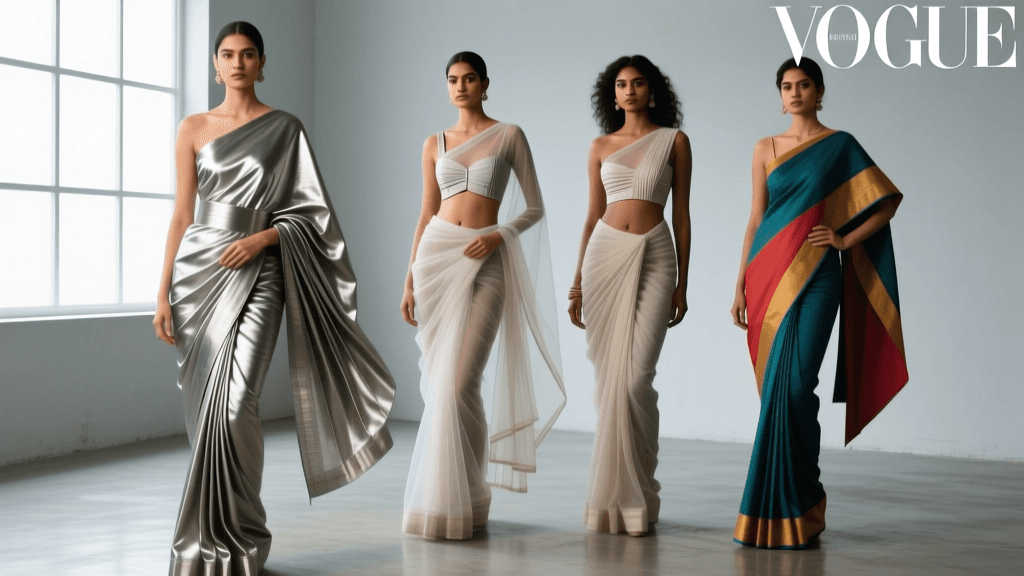
In the landscape of 2026 global fashion media, the sari has firmly transcended its historical categorization as mere 'ethnic wear' or 'costume.' Today, top-tier publications like Vogue, Harper's Bazaar, and Elle treat the sari as a masterclass in structural engineering and textile artistry. The narrative has shifted dramatically from exoticizing the garment to analyzing its complex drape architecture, sustainable weaving techniques, and avant-garde styling potential. Fashion critics and editorial stylists in 2026 are no longer just draping models in silk; they are deconstructing the garment, pairing it with contemporary tailoring, and highlighting the intricate warp and weft of regional weaves on the world's most prestigious digital and print covers.
This editorial renaissance is deeply rooted in a respect for the garment's history. As noted by the Encyclopaedia Britannica, the sari is one of the oldest surviving garments in the world, with origins tracing back to the Indus Valley Civilization. However, the 2026 fashion media lens focuses on how this ancient, unstitched rectangle of cloth is being manipulated to fit modern, high-octane editorial narratives. Stylists are moving away from the standard Nivi drape, instead exploring regional variations like the Coorgi, Bengali, and Gujarati styles, adapting them with contemporary hardware, corsetry, and unexpected layering techniques.
Key 2026 Editorial Trends Featuring the Sari
The current year's editorial spreads showcase a distinct departure from traditional red-carpet styling. Fashion houses and independent stylists are pushing the boundaries of how the sari interacts with the human form and Western silhouettes. Here are the top three sari trends dominating global fashion media in 2026.
1. The Structured Pre-Draped Silhouette and Corsetry
The 'concept sari' or pre-draped sari has reached its zenith in 2026 editorials. Pioneered by Indian couturiers and now fully embraced by Western fashion editors, this style features pre-stitched pleats and integrated pallus that allow for dynamic movement on camera. In recent Vogue editorials, these pre-draped garments are being paired with heavily boned, Victorian-inspired corset blouses rather than traditional cholis. The juxtaposition of the fluid, liquid-like drape of a pre-stitched chiffon or georgette sari against the rigid, architectural structure of a corset creates a striking visual tension that photographers favor for high-contrast studio shoots.
2. Heirloom Textiles in Avant-Garde Lighting
For print and high-resolution digital covers, stylists are pulling vintage Kanjeevaram and Banarasi brocades from archives. The 2026 trend involves shooting these heavy, gold-zari laden textiles in moody, avant-garde lighting setups—think neon cyberpunk aesthetics or stark, shadow-heavy chiaroscuro. The metallic threads (zari) catch the light in unpredictable ways, turning the model into a living sculpture. Fashion journalists are quick to point out the Geographical Indication (GI) tags of these textiles in their articles, educating readers on the specific loom techniques and artisan communities behind the garments.
3. The Sari-Trouser Hybrid for Street-Style Editorials
In street-style and off-duty model editorials, the sari is being reimagined as an outerwear layer. The 2026 'pant-sari' hybrid involves draping a lightweight, sheer organza or cotton sari over wide-leg tailored trousers and a cropped turtleneck. This styling technique, heavily featured in Elle's spring street-style reports, appeals to a younger, global demographic that values the sari's cultural resonance but requires the mobility and modesty of Western trousers. It is a pragmatic, highly wearable interpretation that bridges the gap between heritage and contemporary urban fashion.
2026 Global Media Sari Styling Matrix
To understand how different publications approach the sari this year, we have analyzed the styling choices across three major fashion media houses. The table below outlines the distinct editorial directions taken by these publications in 2026.
| Publication | Editorial Focus | Preferred Fabric (2026) | Blouse / Top Styling | Footwear Pairing |
|---|---|---|---|---|
| Vogue | High-Fashion Couture & Red Carpet | Heavy Silk Brocade, Velvet | Structured Corsets, Halter Necks | Thigh-High Leather Boots |
| Harper's Bazaar | Avant-Garde & Artistic Spreads | Sheer Organza, Metallic Tissue | Asymmetric Draped Tops, Bodysuits | Sculptural Heel Mules |
| Elle | Street-Style & Wearable Luxury | Chanderi Cotton, Linen Blends | Oversized Blazers, Cropped Knits | Chunky Loafers, Sneakers |
Cultural Context: Moving Beyond Exoticism
A critical shift in 2026 fashion journalism is the rigorous demand for cultural context and artisan credit. In previous decades, Western media often flattened the sari into a generic 'Indian dress.' Today, editors are held to a higher standard of cultural literacy. Articles now routinely differentiate between the intricate jamdani weaving of Bengal and the patola silk of Gujarat. The Victoria and Albert Museum has long emphasized the sari's role as a canvas for regional identity and storytelling, and modern fashion journalists are finally mirroring this academic rigor in their editorial copy.
Furthermore, the conversation around cultural appropriation versus appreciation has matured. When non-South Asian celebrities or models are styled in saris for global campaigns in 2026, the media focus is heavily placed on whether the styling respects the garment's modesty parameters and structural integrity, rather than treating it as a costume party prop. Stylists are consulting with South Asian drape experts to ensure that the pallu (the loose end of the sari) is treated with the reverence it commands in traditional contexts, even when adapted for high fashion.
Actionable Guide: Recreating the 2026 Editorial Look
For fashion enthusiasts, stylists, and content creators looking to replicate the 2026 high-fashion sari aesthetic, precision in measurements and fabric selection is paramount. Here is a practical guide to achieving the modern editorial drape.
- Fabric Selection and Yardage: For the structured corset look, opt for a 5.5-yard to 6-yard sari in fluid fabrics like crepe, satin, or lightweight georgette. Heavy silks will bulk up at the waist when paired with a tight corset. For the street-style trouser drape, choose a 9-yard cotton or linen sari to allow for dramatic, sweeping folds over the pants.
- The Corset Blouse (Choli): Ditch the traditional hook-and-eye closures. Commission a custom corset blouse with steel boning and a lace-up back. Ensure the hemline hits exactly at the natural waist (usually 1 to 2 inches above the navel) to allow the sari's waist pleats to sit flush against the skin without overlapping the corset's structure.
- Pleat Engineering: The 2026 editorial look demands razor-sharp pleats. Use a steam iron and temporary fabric adhesive or double-sided fashion tape to secure the front pleats. Standard Nivi drapes use 5 to 7 pleats, each measuring exactly 5 inches wide. Pin them securely to an underskirt (petticoat) that features a silicone grip band at the waist to prevent slipping during dynamic photoshoots.
- Pallu Styling: Instead of letting the pallu fall loosely over the shoulder, the current media trend involves 'pinning and fanning.' Pleat the pallu into tight, 1-inch accordion folds, pin it to the left shoulder, and use a decorative brooch or structural shoulder piece to anchor it. This creates a cascading, uniform waterfall effect that photographs beautifully in high-definition.
- Accessorizing: Minimalist, architectural jewelry is the standard for 2026 editorials. Avoid heavy traditional gold sets. Instead, opt for a single, oversized metallic ear cuff or a sculptural brass choker that complements the neckline of the corset without competing with the sari's intricate border (zari) work.
The Role of Digital Media and Influencers
Beyond traditional print and digital magazines, platforms like TikTok and Instagram have birthed a new wave of 'drape critics' and textile historians who dissect editorial sari styling in real-time. In 2026, a viral video analyzing the structural integrity of a celebrity's sari drape at a global film festival can generate millions of views. This democratization of fashion criticism has forced mainstream media to be more meticulous in their styling. Influencers who specialize in South Asian heritage wear frequently collaborate with global fashion houses as 'drape consultants,' ensuring that the viral editorial looks are both culturally sound and visually groundbreaking.
Conclusion
The sari's presence in 2026 global fashion media is a testament to its unparalleled versatility and enduring elegance. By treating the garment as a dynamic piece of structural fashion rather than a static cultural artifact, editors and stylists have unlocked new dimensions of styling that resonate across borders. Whether it is a heavily embroidered Banarasi silk paired with a leather corset on the pages of Vogue, or a sheer organza drape layered over tailored trousers in an Elle street-style spread, the sari continues to prove that it is not just a garment of the past, but a defining silhouette of the future of global fashion.