Mindful Kitsuke: Kimono Dressing For Zen Meditation 2026
The Intersection of Zen Spirituality and Traditional Garments
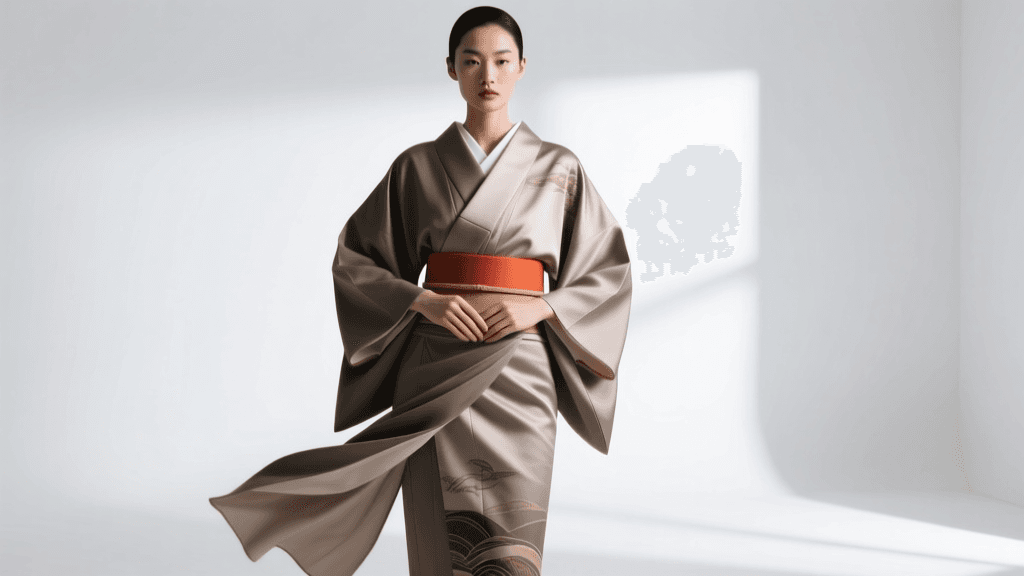
In the fast-paced modern world, the act of getting dressed is often reduced to a mundane, rushed routine. However, within the profound traditions of Japanese Zen Buddhism, every action is an opportunity for awakening. As we navigate the wellness and spiritual tourism landscape in 2026, a powerful intersection has emerged between the traditional art of kimono dressing (kitsuke) and Zen meditation (zazen). This practice, known as mindful kitsuke, transforms the physical wrapping of silk, hemp, and cotton into a moving meditation that grounds the practitioner before they ever reach the meditation cushion.
Zen philosophy teaches that enlightenment is not found solely in seated stillness, but in the meticulous, present experience of everyday activities. The rigorous, multi-layered process of donning traditional Japanese garments demands absolute focus, deliberate breathwork, and a deep connection to one's physical center of gravity, or hara. In 2026, leading meditation retreats across Kyoto, Kamakura, and the rural temples of Shikoku have integrated mindful dressing into their core curriculums, recognizing that the preparation of the body is inextricably linked to the preparation of the mind.
The Philosophy of Mindful Dressing
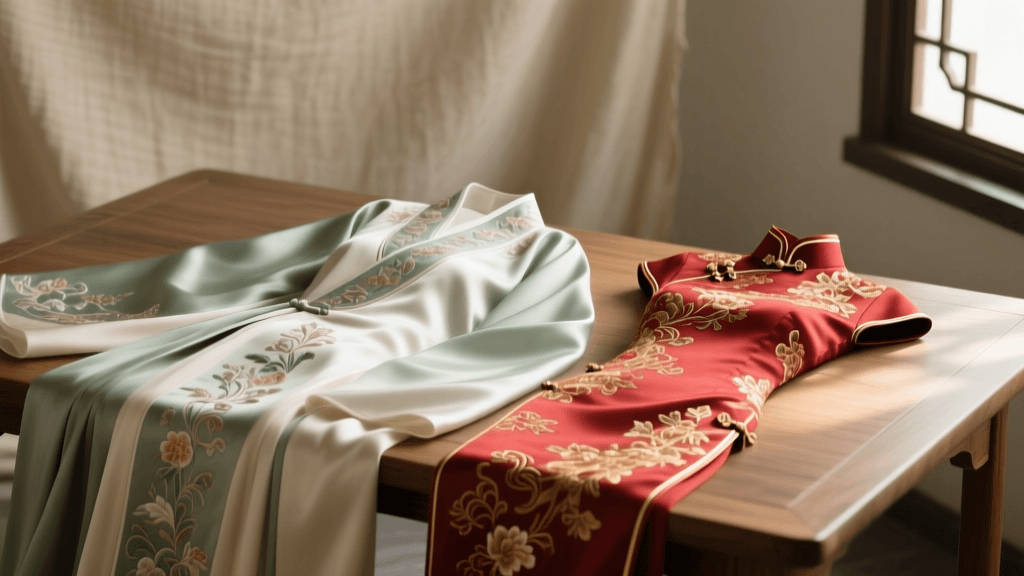
The concept of ma (negative space) is central to both Zen aesthetics and the architecture of the kimono. Unlike Western tailoring, which cuts and sews fabric to conform to the three-dimensional curves of the body, traditional Asian garments are constructed from straight, uncut bolts of cloth. The garment is essentially two-dimensional; it is the act of wrapping, folding, and tying that creates the three-dimensional form. This requires the wearer to actively participate in the creation of the garment's shape, fostering a deep somatic awareness.
When approaching kitsuke as a Zen practice, the practitioner does not merely 'put on clothes.' They engage in a ritual of alignment. The straight seams of the kimono and its undergarments act as physical guides for the spine, encouraging the perfect posture required for zazen. The tension of the obi (sash) provides gentle, continuous feedback to the core, reminding the meditator to maintain their upright posture and diaphragmatic breathing throughout hours of seated practice.
Choosing the Right Garments for Zazen in 2026
While the formal silk kimono is a masterpiece of textile art, Zen practitioners and monks have historically relied on specific garments designed for mobility, breathability, and humility. In 2026, contemporary practitioners blend historical authenticity with sustainable, organic textiles. Understanding the hierarchy of meditation wear is essential for the mindful dressing practice.
| Garment Type | Primary Material (2026 Standards) | Zen Function & Use Case | Mindfulness Focus |
|---|---|---|---|
| Samue | Organic Indigo-Dyed Cotton or Hemp | Monastic work wear (sa-mu); ideal for walking meditation (kinhin) and temple chores. | Grounding, connection to labor and earth. |
| Juban | Washed Ramie or Asa (Hemp) | The foundational undergarment; absorbs sweat and protects outer layers. | Spinal alignment, sensory awareness of the skin. |
| Yukata | Lightweight Summer Cotton | Casual temple wear; worn during informal evening meditation or after bathing. | Simplicity, releasing attachment to formality. |
| Kimono (Tsumugi) | Pongee Silk (Slubbed texture) | Formal sitting meditation; provides weight and structure for long zazen sessions. | Posture maintenance, core engagement via the Obi. |
The Modern Samue: A 2026 Essential
The samue has seen a massive resurgence in 2026, not just as monastic attire, but as the preferred garment for lay practitioners attending urban Zen centers. Modern iterations feature tattsuke-sode (gathered cuffs) to prevent sleeves from dragging during kinhin (walking meditation), and adjustable drawstrings that allow for cross-legged seating without binding the calves. Artisans in Tokushima are currently producing highly sought-after samue using natural ai-zome (indigo dye), which is prized for its natural antibacterial properties and the way the fabric softens and fades uniquely with the practitioner's movements over time.
Step-by-Step: The Moving Meditation of Kitsuke
To practice mindful kitsuke is to move with the fluidity of water and the stability of a mountain. Below is a foundational sequence adapted from traditional monastic morning routines, designed to transition the mind from the chaos of the outside world into the sacred space of the zendo (meditation hall).
1. Centering and Purification (Mokuso)
Before touching any fabric, stand in a relaxed posture with feet shoulder-width apart. Close your eyes and engage in mokuso (silent contemplation) for three minutes. Visualize the breath traveling down into the hara, located roughly two inches below the navel. Acknowledge the garments laid out before you not as objects, but as partners in your spiritual practice.
2. Donning the Juban (The Foundation)
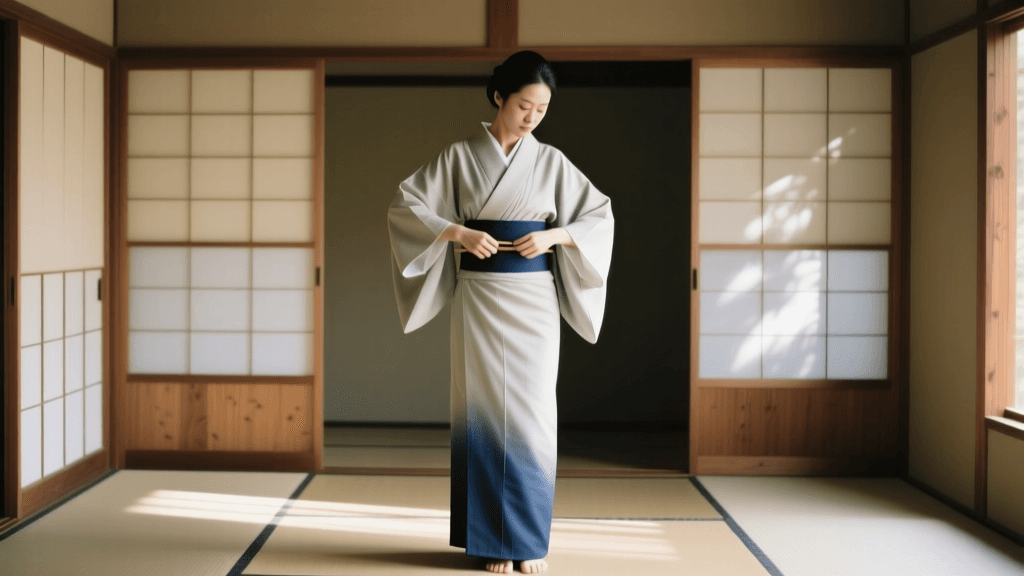
Slip the juban over your shoulders. As you bring the left front panel over the right (always left over right in traditional Asian dressing for the living), feel the seam resting against the center of your chest. This central seam becomes your anchor. Tie the koshi-himo (waist tie) with a mindful, deliberate knot. The tension should be firm enough to support the lower back, but loose enough to allow deep, diaphragmatic breathing.
3. Wrapping the Outer Garment
Whether wrapping a kimono or a heavier meditation robe, align the back seam perfectly with your spine. As you pull the fabric taut around your hips, synchronize your movements with your breath: inhale as you reach for the fabric, exhale as you pull it into place. This rhythmic wrapping acts as a physical cocoon, signaling to the nervous system that it is time to turn inward.
4. Tying the Obi (Sealing the Core)
The tying of the obi is the climax of the kitsuke meditation. For practitioners, a simple, unadorned cotton or hemp kaku-obi is preferred. As you wind the sash around your abdomen, apply even pressure. The final knot, often a simple karuta-musubi at the back or a flat tie at the front for meditation, seals the energy in the hara. The physical pressure of the obi serves as a continuous tactile reminder to maintain your posture and focus during zazen.
Sustainable Textiles for Modern Zen Practitioners
The year 2026 has brought a heightened awareness of ecological mindfulness, which aligns perfectly with the Zen principle of interconnectedness and non-harming (ahimsa). Practitioners are increasingly rejecting mass-produced, synthetic meditation wear in favor of heritage textiles that support local ecosystems and artisan communities.
According to data regarding traditional crafts preservation, there has been a significant revival in the cultivation of asa (hemp) and choma (ramie) in regions like Tochigi and Miyazaki. These bast fibers are inherently sustainable, requiring minimal water and no pesticides. When woven into meditation garments, they offer unparalleled thermoregulation—keeping the practitioner cool during intense summer retreats and providing a dry, breathable barrier against the skin during long hours of seated stillness. By choosing garments certified by Japan's Ministry of Economy, Trade and Industry as Traditional Craft Products, practitioners ensure their meditation wear supports ethical, multi-generational weaving cooperatives.
Where to Experience Mindful Dressing Retreats
For those looking to immerse themselves in the intersection of traditional garments and Zen spirituality, 2026 offers unprecedented access to authentic monastic experiences. The tradition of shukubo (temple lodging) has evolved to include specialized workshops on mindful kitsuke and textile meditation. According to comprehensive guides on Japanese temple lodgings, temples in the Koyasan and Kamakura regions are currently offering multi-day immersive programs.
A typical three-day 'Garments of Zen' retreat in Kamakura now averages around ¥65,000. This includes dawn zazen sessions, vegetarian shojin ryori meals, and private instruction from monastic tailors who teach the meditative folding, storing, and wearing of temple robes. These retreats emphasize that the care of the garment—meticulously folding it into its tatou (storage paper) after use—is just as vital as the wearing of it, reinforcing the Zen tenet of respecting all objects and environments.
Conclusion: The Fabric of Awakening
The integration of kimono and traditional monastic garments into Zen meditation is far more than an exercise in historical cosplay. It is a profound, tactile methodology for cultivating mindfulness. In 2026, as digital distractions continue to fracture our attention, the deliberate, sensory-rich practice of mindful kitsuke offers a radical return to the present moment. Every fold of hemp, every tie of the cotton obi, and every alignment of the silk seam serves as a gentle, physical reminder to breathe, to center, and to awaken. Through the mindful wearing of traditional Asian garments, the boundary between the sacred space of the meditation hall and the everyday world dissolves, proving that enlightenment is woven into the very fabric of our daily lives.