2026 Hanbok Revival in Global Media: Styling the Modern Jeogori
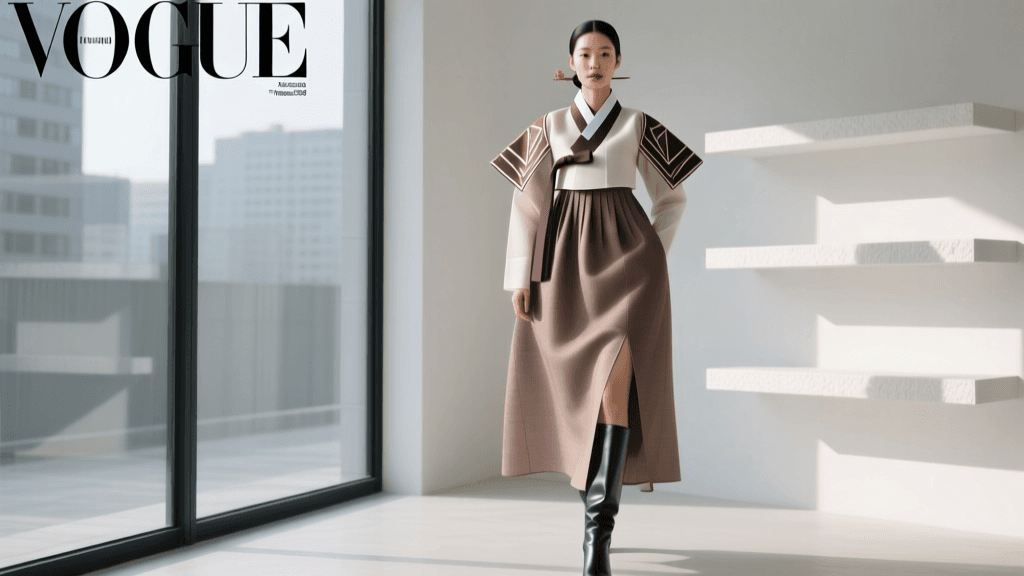
The global fashion media landscape of 2026 has decisively moved past the superficial appropriation of Asian garments. Today, prestigious publications like Vogue, Harper’s Bazaar, and Elle are engaging with the Korean hanbok through a lens of deep structural reverence and artisanal collaboration. No longer relegated to costume departments or fleeting K-pop music video cameos, the hanbok—specifically the modernized jeogori (jacket) and chima (skirt)—has become a staple of high-fashion editorials and Paris Fashion Week runways for the Spring/Summer 2026 season. This shift represents a mature dialogue between traditional Korean sartorial heritage and contemporary global couture, offering readers a masterclass in cross-cultural styling.
The 2026 Editorial Shift: From Pop Culture to Couture
In previous years, global media often flattened the hanbok into a monolithic trend, stripping it of its regional nuances. However, 2026 marks a pivotal year where fashion journalists and editors are highlighting the specific weaving techniques and historical silhouettes that define authentic Korean dress. According to industry analyses from the Business of Fashion, luxury conglomerates are now partnering directly with Korean heritage artisans to produce exclusive textile runs for their 2026 collections, ensuring that the economic benefits of this global spotlight return to local weaving communities.
Editorials this year are focusing heavily on the goreum (the traditional tie) and the dongjeong (the white paper-like collar). Rather than altering these elements to fit Western tailoring, 2026's top stylists are using them as the focal point of the garment. The media narrative has shifted from an 'East meets West' fusion to an appreciation of indigenous Korean geometry—the gentle curves of the baerae (sleeve bottom) and the sharp, clean lines of the collar.
Deconstructing the Media-Darling Jeogori
The jeogori is the upper garment of the hanbok, and in 2026 global fashion spreads, it has been reimagined as a standalone luxury outerwear piece. The traditional cropped length, which historically sat just below the bust or at the waist, has been embraced by European fashion houses for its ability to manipulate proportions and highlight the waistline without the need for restrictive corsetry.
The Architectural Cropped Fit
The 2026 media trend favors a slightly structured jeogori made from myeongju (traditional Korean silk) blended with modern organza. This specific textile innovation allows the garment to hold the architectural shape of the sleeves without the need for heavy, uncomfortable interlining. Fashion editors are praising this lightweight structure, noting that it provides a commanding silhouette while remaining breathable for transitional spring weather.
Sleeve Proportions and the Hansam
Global fashion magazines are currently highlighting the hansam (extended white cuffs). In recent editorial shoots featured on Vogue Runway, designers have elongated the hansam to drape elegantly over the knuckles, creating a striking visual contrast when paired with sharp, tailored trousers or sleek midi skirts. This deliberate elongation emphasizes the grace of the wearer's hand movements, a core tenet of traditional Korean elegance.
Color Palettes and Natural Dyes
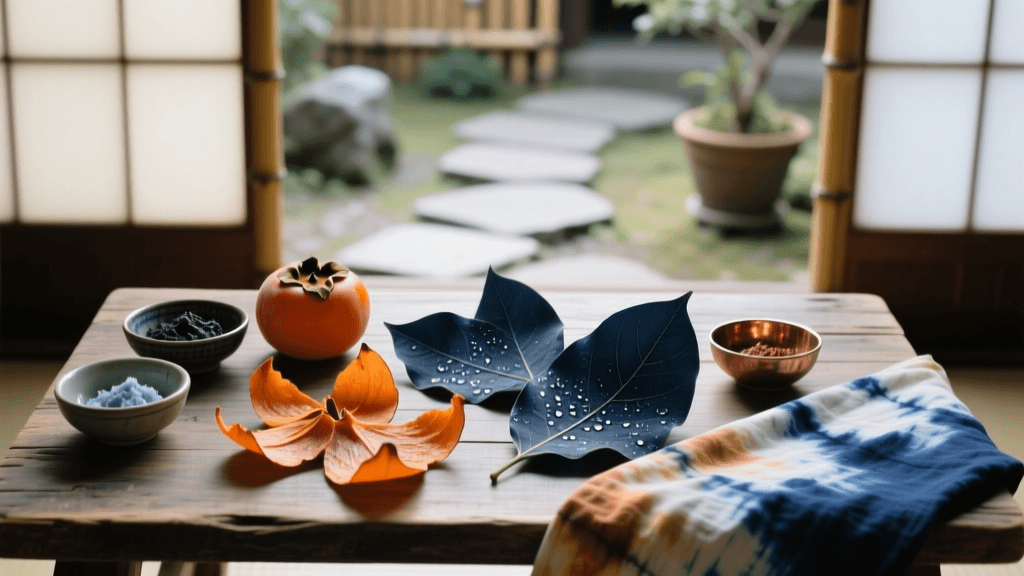
While the traditional obangsaek (five cardinal colors) remains culturally significant for ceremonial wear, 2026 high-fashion editorials are favoring muted, naturally dyed shades. Indigo (jjok), mugwort green (ssuk), and persimmon dye (gamul) are dominating the pages of luxury magazines. These earth-toned hues appeal to the modern consumer's desire for sustainable, low-impact luxury, aligning perfectly with the global fashion industry's 2026 sustainability mandates.
The Chima (Skirt) in High-Fashion Spreads
The chima provides the voluminous lower half of the traditional women's hanbok. In 2026, global fashion media is celebrating the chima not just as a skirt, but as a masterclass in fabric manipulation and draping. Unlike Western skirts that rely on darts and seams to create shape, the chima relies on the sheer volume of fabric and the precise tension of the shoulder straps (chima-heori).
Below is a breakdown of how top global fashion publications are styling the chima in their 2026 editorial spreads:
| Fashion Media Outlet | Editorial Theme | Chima Styling Approach | Key Garment Pairing |
|---|---|---|---|
| Vogue Global | Neo-Romanticism | High-waisted, floor-sweeping silk organza chima with raw-edge hemlines. | Oversized, deconstructed wool blazers. |
| Harper's Bazaar | Artisanal Heritage | Heavyweight ramie (mosi) chima with subtle metallic thread weaving. | Fitted, ribbed cashmere turtlenecks. |
| Elle International | Urban Minimalist | Asymmetrical, midi-length cotton chima with hidden structural boning. | Crisp, poplin button-down shirts worn untucked. |
Sourcing Authentic Pieces Featured in 2026 Media
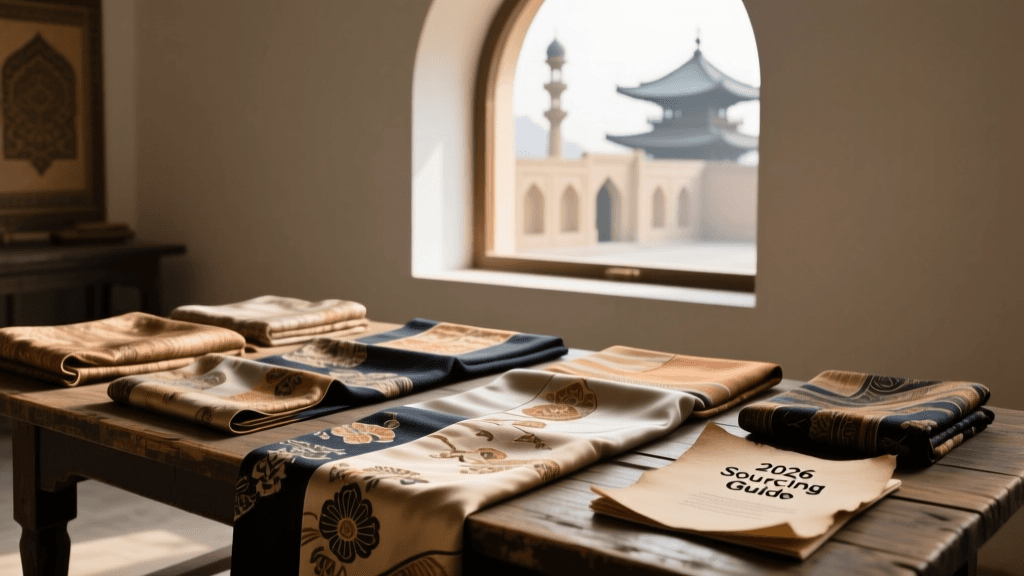
For readers inspired by these global fashion spreads, sourcing an authentic, editorial-grade hanbok requires navigating a market flooded with fast-fashion imitations. In 2026, the price of a genuine, artisan-crafted modern jeogori ranges from $450 to $1,200, while a fully hand-woven chima can command between $800 and $2,500 depending on the complexity of the weave.
Verifying the Goreum and Collar
The most critical marker of authenticity highlighted by fashion critics this year is the goreum. Mass-produced knockoffs often use stiff, synthetic ribbons that tie into rigid, asymmetrical bows. Authentic 2026 pieces utilize silk or fine cotton blends that allow the goreum to form the traditional, elegant, and slightly relaxed long knot. Furthermore, the dongjeong (white collar) on authentic pieces is removable and made of stiffened cotton or paper, whereas fast-fashion versions simply sew a strip of white polyester directly onto the neckline.
Navigating the 2026 Luxury Resale Market
If retail prices are prohibitive, the 2026 luxury resale market has seen an influx of archived hanbok pieces from early 2020s designer collaborations. When shopping on verified resale platforms, always request detailed photographs of the interior seams. Traditional hanbok construction hides the raw edges entirely within the seams, leaving the interior as clean as the exterior. If you see serged or overlocked edges inside the garment, it is a modern factory reproduction, not an artisan piece.
Caring for Editorial-Grade Hanbok Textiles
The delicate nature of the textiles favored by 2026 fashion media requires specialized care. The industry-wide shift toward natural dyes means these garments are highly susceptible to pH changes, water spotting, and UV degradation.
Managing Natural Dye Fading and Cleaning
Never machine wash a modern jeogori or chima. For myeongju (silk), professional dry cleaning with a specialist who understands Asian heritage garments is mandatory. For mosi (ramie), gentle hand washing in cold water with a neutral pH detergent is recommended, followed by flat drying in the shade. Persimmon-dyed (gamul) garments require special attention; the tannins in the dye continue to oxidize and darken over time when exposed to sunlight, a feature that owners should embrace as a living patina rather than a defect.
Archival Storage Techniques
The voluminous nature of the chima makes storage challenging. Fashion archivists in 2026 recommend rolling the skirt around acid-free tissue paper tubes rather than folding it, which can permanently crease the delicate warp threads and cause natural dyes to crack along the fold lines. The jeogori should be hung on wide, padded hangers to support the curved baerae sleeve structure without stretching the shoulder seams. Always store these garments in breathable cotton dust bags, avoiding plastic which can trap moisture and promote mildew on natural fibers.
Conclusion
The presence of the hanbok in 2026 global fashion media is a testament to the enduring power of Asian traditional garments when treated with respect, historical accuracy, and artisanal integrity. By understanding the structural nuances of the jeogori and the draping mastery of the chima, fashion enthusiasts can move beyond passive consumption and actively participate in the preservation and elevation of Korean sartorial heritage. As global magazines continue to spotlight these garments, the line between traditional cultural dress and high-fashion couture will only continue to blur in the most beautiful, respectful ways. For those looking to integrate these pieces into their 2026 wardrobe, the key lies in prioritizing authentic textiles, honoring the traditional silhouette, and embracing the rich history woven into every thread.