Kimono Textile Trade Routes: A 2026 Sourcing Guide
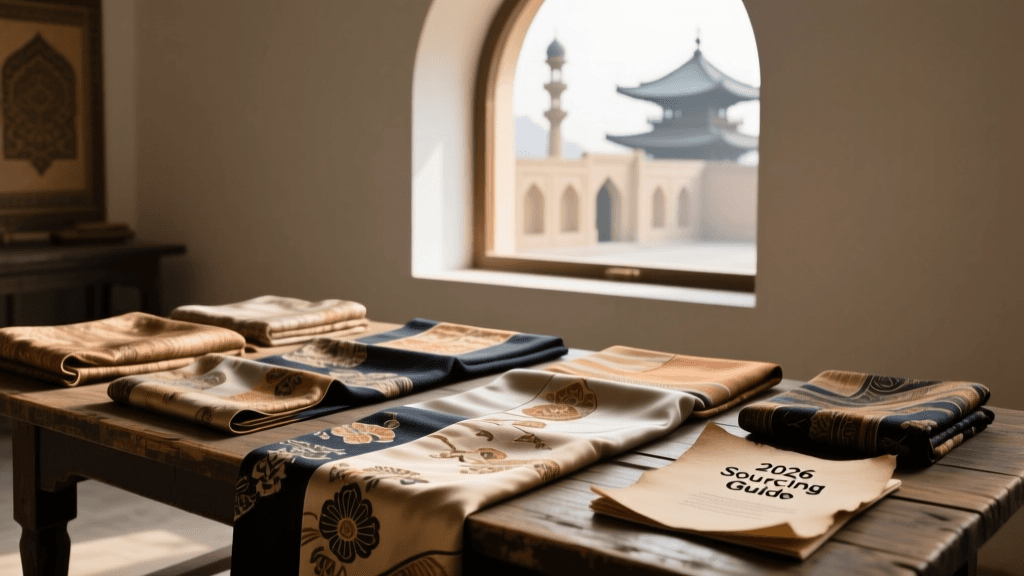
The Global Threads of the Kimono
When we envision the traditional Japanese kimono, it is easy to imagine an isolated, purely domestic art form. However, the reality of Japanese garment history is deeply intertwined with international commerce. As of 2026, the resurgence of heritage crafting and the booming market for vintage textiles have brought the historical trade routes of Asia back into the spotlight. Collectors, designers, and cultural historians are increasingly looking beyond Japan's borders to understand the foreign materials that fundamentally shaped the kimono. According to The Metropolitan Museum of Art, the evolution of Japanese textiles was heavily influenced by the importation of foreign fabrics, dyes, and weaving techniques via the Silk Road and maritime trade networks. This comprehensive 2026 guide explores the historical imports that defined Japanese fashion, how to identify them in today's antique market, and where modern artisans are sourcing materials to revive these ancient routes.
Key Historical Imports That Shaped Japanese Fashion
The foundation of the kimono as we know it was built upon centuries of cross-cultural exchange. From the Nara period through the Edo period, Japan actively imported luxury goods that were eventually adapted into domestic production.
Indian Sarasa and the Maritime Routes
Perhaps the most visually striking historical import is sarasa, the Japanese term for Indian chintz or printed cotton. Arriving via Portuguese and later Dutch maritime trade routes in the 16th and 17th centuries, these vibrant, colorfast cottons were highly prized. Because Japan's domestic cotton production at the time could not replicate the complex mordant-dyeing techniques of the Coromandel Coast, imported sarasa was reserved for the elite. It was frequently used for the linings of kosode (the predecessor to the modern kimono), for obi sashes, and for wrapping precious items. In 2026, authentic Edo-period sarasa remains one of the most highly sought-after textiles among serious collectors, with verified pieces commanding premium prices at auction houses in Tokyo and Kyoto.
Chinese Kara-ito and the Silk Road Legacy
The influence of Chinese silk, known historically as kara-ito (Chinese thread), cannot be overstated. The Silk Road facilitated the movement of not just raw silk, but advanced weaving technologies. The famous Nishijin weaving district in Kyoto was built upon the foundation of Chinese brocade and damask techniques. During the Ming and Qing dynasties, imported silk threads and finished brocades were utilized by the Japanese aristocracy and samurai class. Today, the Kyoto National Museum houses extensive collections of these early imported silks, showcasing the intricate metallic threads and complex weave structures that Japanese artisans spent centuries reverse-engineering and perfecting.
Persian and Southeast Asian Dyes
The vivid palette of the traditional kimono relies heavily on historical dye imports. While Japan cultivated its own indigo (ai) and safflower (benibana), other crucial colors required foreign sourcing. Madder root, essential for deep reds, was frequently imported from Persia and the Middle East via the Silk Road. Sappanwood, used for rich purples and deep reds, was imported in massive quantities from Southeast Asia, particularly Siam (modern-day Thailand) and the Indonesian archipelago. The global supply chain for these natural dyes was a marvel of pre-modern logistics, and the 2026 push for sustainable, non-synthetic fashion has sparked a massive revival in sourcing these exact historical dye materials.
Identifying Historical Imports in the 2026 Antique Market
For collectors and vintage kimono enthusiasts navigating the 2026 market, distinguishing between domestic Japanese textiles and historical imports (or early Japanese reproductions of imports) requires a keen eye and, increasingly, modern technology. Here are the primary methods used by authenticators today:
- Weave Structure Analysis: Early imported Chinese brocades often feature specific warp-faced weave structures that differ from later Japanese Nishijin adaptations. Using portable digital microscopes, which have become standard tools for 2026 antique appraisers, collectors can examine the twist of the metallic threads. Imported gold threads often utilize animal-based adhesives and specific paper backings distinct from domestic variants.
- Dye Spectrometry: To verify if a red or purple garment utilizes imported sappanwood or Persian madder rather than domestic safflower or early synthetic aniline dyes (which flooded the market post-1868), authenticators now use handheld Raman spectrometers. This non-destructive testing identifies the exact molecular fingerprint of the dye.
- Pattern and Motif Tracing: Indian sarasa imported during the Edo period often features distinct Mughal-inspired floral motifs, such as the buta (paisley) or specific lotus patterns, which were later stylized into more abstract Japanese geometric forms. Identifying the original Mughal aesthetic is a strong indicator of an early maritime import.
"The kimono is not a static garment; it is a canvas of global history. Every thread of imported silk and every drop of Southeast Asian dye tells a story of a world deeply connected long before the modern era." — 2026 Exhibition Catalog, Asian Textile Heritage Society.
2026 Sourcing Guide and Market Pricing
Whether you are a museum curator, a fashion designer looking for historical inspiration, or a private collector, understanding the current market valuation is crucial. The table below outlines the 2026 market dynamics for historical imported textiles versus modern artisan reproductions.
| Textile Type | Historical Origin | 2026 Antique Market Price (USD) | 2026 Artisan Reproduction Price (USD) | Primary Sourcing Hub |
|---|---|---|---|---|
| Edo Sarasa (Chintz) | Coromandel Coast, India | $2,500 - $8,000+ (per panel) | $450 - $900 (per yard) | Antique: Tokyo Auctions / Repro: Kyoto |
| Kara-ori Brocade | Ming Dynasty, China | $1,200 - $4,500 (garment) | $800 - $1,500 (per meter) | Antique: Kyoto Dealers / Repro: Nishijin |
| Sappanwood Dyed Silk | Siam / Southeast Asia | $800 - $2,000 (vintage bolt) | $300 - $600 (per bolt) | Antique: Online Estate Sales / Repro: Okinawa |
Note: Prices fluctuate based on condition, provenance, and the presence of verifiable documentation. In 2026, textiles accompanied by blockchain-verified provenance or historical merchant registry logs command a 20-30% premium.
The 2026 Artisan Revival: Sustainable and Traceable Imports
One of the most exciting developments in the 2026 Asian traditions landscape is the conscious revival of historical trade routes by modern artisans. Driven by a global demand for sustainability and radical transparency, contemporary weavers and dyers are bypassing synthetic, mass-produced materials and returning to the exact geographic sources their ancestors relied upon.
According to the Japan Kogei Association, there has been a significant increase in certified traditional craftsmen who are establishing direct, fair-trade partnerships with dye farmers in Southeast Asia and silk spinners in specific Chinese provinces. For example, master dyers in Okinawa are currently importing raw sappanwood directly from sustainable forestry cooperatives in Thailand, utilizing historical Edo-period recipes to achieve the deep, rich purples that synthetic dyes simply cannot replicate. Similarly, weavers in the Kiryu and Nishijin districts are sourcing heritage-breed silk from rural Chinese cooperatives that maintain the exact genetic lineage of the kara-ito used centuries ago.
This revival is not merely about historical accuracy; it is about ecological responsibility. By tracing the supply chain back to the original historical trade routes, 2026 artisans are supporting indigenous farming practices, preserving rare botanical dye species, and reducing the carbon footprint associated with modern, centralized chemical dye manufacturing. For the modern consumer, purchasing a kimono or obi crafted from these traceable, historically imported materials offers a profound connection to the past, wrapped in the ethical standards of the future.
Conclusion
The kimono is far more than a symbol of isolated Japanese tradition; it is a wearable archive of Asian and global commerce. From the vibrant Indian chintz that lined the garments of Edo-period merchants to the Persian dyes that colored the robes of the aristocracy, the historical trade routes of the Silk Road and maritime networks are woven into the very fabric of Japanese culture. As we navigate the 2026 textile market, the ability to identify, source, and support the revival of these historical imports ensures that the global legacy of the kimono will continue to be celebrated, preserved, and worn for generations to come.