The Ultimate Kimono Buying Guide: Types, Sizing, and Costs
Introduction to Buying a Traditional Kimono
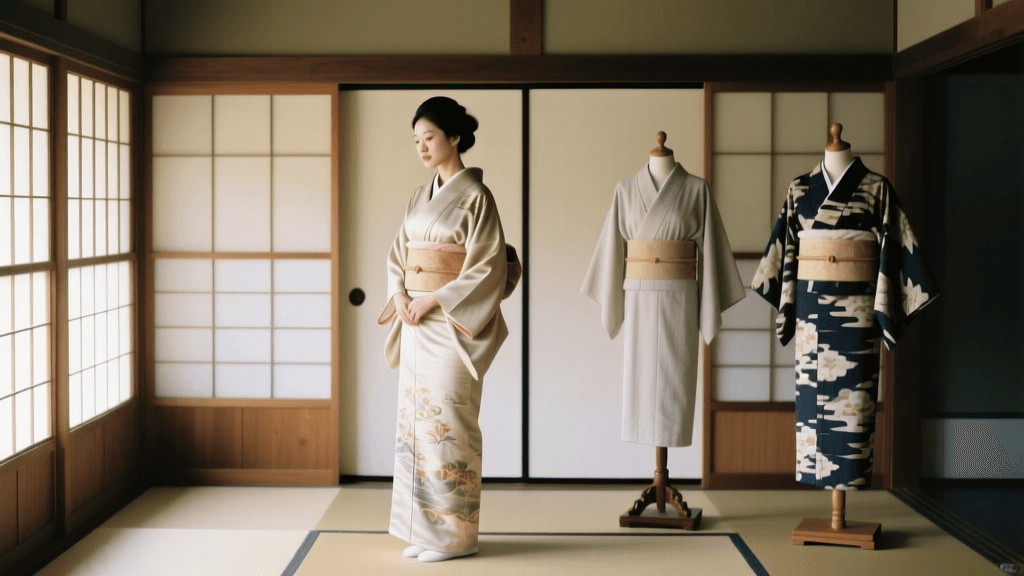
Purchasing a traditional Japanese kimono is an investment in wearable art, cultural heritage, and meticulous craftsmanship. Whether you are an expatriate living in Tokyo looking to attend local tea ceremonies, a tourist seeking an authentic and high-quality souvenir in Kyoto, or a global fashion enthusiast eager to incorporate traditional Asian garments into your wardrobe, navigating the kimono market can be deeply overwhelming. The hierarchy of Japanese garments is governed by strict rules regarding formality, seasonality, marital status, and age. Furthermore, the sizing system operates entirely differently from Western clothing, and the hidden costs of necessary accessories can easily double your initial budget.
This comprehensive buying guide will demystify the process. By understanding the distinct types of kimono, mastering the unique measurement requirements, and knowing where to source both new and vintage pieces, you can confidently acquire a garment that fits beautifully and respects cultural traditions. As noted by historians at The Metropolitan Museum of Art, the kimono is not merely clothing but a reflection of Japanese aesthetics, seasonal awareness, and social identity.
Decoding Kimono Types: A Buyer’s Comparison
Before making a purchase, it is vital to understand the formality scale of Japanese garments. Wearing a highly formal garment to a casual event, or vice versa, is considered a major faux pas in traditional Japanese society. Below is a comparison chart detailing the primary types of kimono you will encounter in retail and vintage shops.
| Kimono Type | Formality Level | Target Demographic | Average Price (USD) | Best Occasions |
|---|---|---|---|---|
| Yukata | Very Casual | Men & Women | $30 - $100 | Summer festivals, fireworks, casual lounging |
| Komon | Casual / Everyday | Women (Married/Unmarried) | $50 - $300 | Tea practice, casual dinners, shopping |
| Tsukesage | Semi-Formal | Women (Married/Unmarried) | $150 - $600 | Tea ceremonies, gallery openings, parties |
| Houmongi | Formal / Visiting | Women (Married/Unmarried) | $300 - $2,000+ | Weddings, formal tea ceremonies, graduations |
| Furisode | Highest Formality | Unmarried Women | $1,000 - $10,000+ | Coming of Age Day, formal weddings |
Yukata: The Casual Summer Staple
The yukata is the most accessible and widely recognized type of kimono, especially among international buyers. Originally worn as a bathrobe by the nobility during the Heian period, it evolved into the standard summer garment for commoners. Today, yukata are made from lightweight, breathable cotton or synthetic blends. They feature simple, often repeating patterns and do not require the complex undergarments (nagajuban) needed for silk kimonos. For buyers, yukata are an excellent starting point due to their affordability, ease of washing, and relaxed dressing rules.
Komon: Everyday Elegance
Komon translates to 'small pattern.' These kimonos feature a repeating design that covers the entire garment without a directional flow. Because the pattern is continuous and relatively understated, komon are considered casual or everyday wear. They are incredibly versatile and are often worn by women for informal tea ceremony lessons, casual dining, or cultural workshops. Vintage komon are abundant in Japanese recycle shops, making them a favorite for collectors looking for high-quality silk at a fraction of the cost of formal wear.
Houmongi: Semi-Formal Visiting Wear
The houmongi, or 'visiting kimono,' is a step up in formality and is characterized by its 'eba' dyeing technique. This method ensures that the pattern flows seamlessly across the seams of the garment when it is laid flat, creating a continuous, canvas-like picture. Houmongi are appropriate for both married and unmarried women and are the go-to choice for attending weddings as a guest, participating in formal tea ceremonies, or attending graduation ceremonies. According to the Victoria and Albert Museum, the artistic integration of pattern and structure in garments like the houmongi represents a pinnacle of Japanese textile engineering.
Furisode: The Pinnacle of Formality
Furisode, meaning 'swinging sleeves,' is the most formal kimono for unmarried women. The sleeves can range from 90 to 114 centimeters in length, creating a dramatic, elegant silhouette. These garments are heavily brocaded, dyed with vibrant colors, and often feature auspicious motifs like cranes, pine trees, or cherry blossoms. Due to their extreme formality and the immense labor required to produce them, furisode are rarely purchased outright by casual buyers; instead, they are usually rented for Coming of Age Day (Seijin no Hi) or formal wedding attendance.
The Sizing Conundrum: How to Measure for a Kimono
One of the most significant hurdles for international buyers is kimono sizing. Unlike Western clothing, which relies heavily on bust, waist, and hip measurements, the kimono is essentially a series of flat, rectangular panels wrapped around the body. Because of this wrap-style construction, the width of the kimono is highly forgiving. The critical measurement is the length.
Key Measurements to Know
- Mitake (Body Length): This is measured from the base of the neck (where the collar meets the shoulder) down to the hem. In traditional dressing, the kimono should reach exactly to the wearer’s ankles. To find your ideal mitake, measure your height and subtract approximately 10 inches (25 centimeters). For example, if you are 165 cm tall, your ideal kimono length is around 140 cm.
- Yuki (Sleeve Span): This is measured from the center of the back of the neck, across the shoulder, and down to the wrist. A standard vintage kimono usually has a yuki of around 64 to 66 cm. If you have a broader shoulder span, you must specifically seek out modern or custom-tailored pieces, as vintage kimono were made for a historically smaller Japanese demographic.
- Sode-guchi (Sleeve Opening): The width of the sleeve opening. This is important for comfort and ensuring your hands can pass through easily, especially when wearing multiple layers in the winter.
When trying on a kimono, the excess length is folded at the waist to create a horizontal tuck called the ohashori. This fold is not just a practical adjustment; it is a mandatory aesthetic element of women’s kimono dressing. If a kimono is too short to create an ohashori, it is considered improperly fitted and visually unbalanced.
Navigating the Market: Where and How to Buy
The kimono market is vast, ranging from high-end department store boutiques to dusty flea markets. Your buying strategy should depend on your budget, your desired formality, and your location.
New vs. Vintage (Recycle Shops)
Buying a brand-new, silk kimono from a traditional tailor in Kyoto or a department store like Mitsukoshi in Tokyo is a luxury experience. Prices for a new, custom-fitted Houmongi can easily exceed $3,000 to $5,000, and the lead time for tailoring can take several months. For most international buyers and enthusiasts, the 'recycle' (vintage) market is the most practical and exciting avenue.
Japan has a thriving network of kimono recycle shops. Chains like Tansu-ya, Chicago (in Harajuku), and various independent vendors in Kyoto’s Higashiyama district offer thousands of pre-loved silk garments. Here, you can find exquisite, hand-painted Showa-era komon and tsukesage for as little as $30 to $150. The Smithsonian National Museum of Asian Art frequently highlights how historical textiles circulate in modern markets, preserving craftsmanship that might otherwise be lost to time.
Online Buying Tips
If you are buying online via platforms like Etsy, eBay, or specialized Japanese exporters (such as Yamatoku or Ichiroya), you must carefully scrutinize the condition reports. Vintage silk is prone to specific issues:
- Shimi (Stains): Look for yellowing or dark spots, particularly around the collar and hem. While some stains can be professionally cleaned in Japan (a process called arai-hari), this service is expensive and difficult to access outside the country.
- Kise (Fold Marks): Kimonos are stored folded. Over decades, the fold lines can become weak or discolored. Ensure the seller notes whether the fold lines are structurally sound.
- Odor: Vintage garments often carry the scent of camphor or old incense. Ensure you have a well-ventilated space to air out the garment for several days upon arrival.
The Hidden Costs: Essential Accessories
A common mistake made by first-time buyers is purchasing only the kimono itself. A kimono cannot be worn without a specific ecosystem of undergarments and accessories. When budgeting for your purchase, you must account for the following items, which can collectively cost as much as the garment itself:
- Obi (Sash): The belt that holds the kimono closed. A formal fukuro obi can cost hundreds of dollars, while a casual hanhaba obi (half-width sash) for a yukata is much more affordable.
- Nagajuban (Under-kimono): A lightweight robe worn beneath the silk kimono to protect it from sweat and body oils. It features a detachable collar (han-eri) that can be swapped to match the season.
- Datejime and Koshihimo: These are the essential tying cords and elastic belts used to secure the kimono and obi in place before the final decorative knots are tied.
- Obiage and Obijime: The decorative silk scarf (obiage) that peeks out from the top of the obi, and the braided cord (obijime) that ties around the center of the sash.
- Tabi and Zori: Split-toe socks (tabi) and traditional sandals (zori). Note that zori are sized differently than Western shoes and are often sold in specific 'LL' or 'L' sizes.
Conclusion
Buying a kimono is a rewarding endeavor that connects you to centuries of Asian textile tradition. By understanding the strict formality hierarchy, accurately calculating your unique body measurements, and budgeting for the necessary accessories, you can build a traditional Japanese wardrobe that is both authentic and deeply personal. Whether you opt for a breezy cotton yukata for a summer evening or hunt down a vintage silk komon in a Tokyo recycle shop, the key is to embrace the meticulous nature of the garment and the rich cultural history it carries.