Eco-Friendly Kusaki-Zome: Sustainable Japanese Plant Dyes 2026
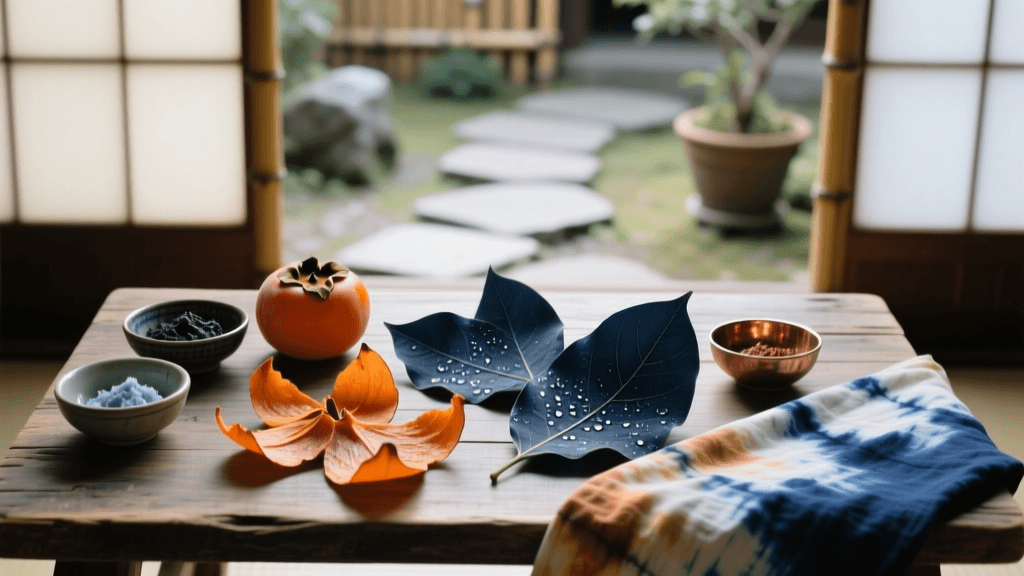
The Renaissance of Kusaki-Zome in 2026
The global fashion and textile industries have reached a critical environmental tipping point in 2026. As the push for circularity and zero-waste manufacturing accelerates, traditional artisans and modern designers alike are turning to Kusaki-zome (草木染め), the ancient Japanese art of plant dyeing. Unlike synthetic petrochemical dyes that pollute waterways and rely on finite resources, Kusaki-zome utilizes renewable botanicals, agricultural byproducts, and non-toxic mordants. Today, this practice is no longer just a historical preservation effort; it is a cornerstone of the regenerative textile movement.
Modern advancements in natural dye technology have allowed artisans to scale these traditional methods without sacrificing colorfastness or ecological integrity. By integrating 2026 sustainable farming practices with centuries-old Japanese techniques, contemporary dyers are achieving vibrant, lasting hues that honor both the environment and cultural heritage.
Core Japanese Botanical Dyes for Sustainable Textiles
The foundation of Kusaki-zome lies in the careful selection of plant materials. In 2026, the most prominent eco-friendly dye plants cultivated in Japan's regenerative agricultural zones include the following:
1. Ai (Japanese Indigo - Persicaria tinctoria)
Japanese indigo remains the undisputed king of natural dyes. Unlike synthetic indigo, which requires harsh reducing agents like sodium hydrosulfite, traditional aizome relies on natural fermentation. In 2026, farmers in Tokushima Prefecture are utilizing AI-monitored composting systems to produce sukumo (fermented indigo leaves) with zero synthetic fertilizers. The resulting dye yields a spectrum of blues, from pale kame-nozoki (turtle-shell blue) to deep, nearly black kon.
2. Kakishibu (Persimmon Tannin)
Extracted from the crushed, unripe fruit of the Japanese persimmon tree, kakishibu is a powerhouse of natural chemistry. When applied to cellulose fibers and exposed to ultraviolet sunlight, the tannins polymerize, creating a water-resistant, antibacterial, and incredibly durable brownish-rust finish. Because it requires no heat and no chemical mordants, it is one of the most energy-efficient dyeing methods available in the 2026 sustainable fashion toolkit.
3. Kihada (Amur Cork Tree - Phellodendron amurense)
The inner bark of the Kihada tree yields a brilliant, fluorescent yellow. Historically used to dye sacred Buddhist robes and protect important documents from insects due to its natural alkaloid content (berberine), Kihada is now harvested using sustainable coppicing methods. This ensures the tree continues to thrive and sequester carbon while providing a steady supply of dye material.
4. Akane (Japanese Madder - Rubia argyi)
Cultivated for its roots, Akane produces rich reds and deep terracottas. Modern 2026 cultivation techniques focus on soil microbiome health, ensuring the roots develop high concentrations of alizarin without depleting the earth. When paired with eco-friendly mordants, Akane provides a colorfast red that rivals synthetic alternatives.
Eco-Friendly Mordanting: Ditching Heavy Metals
Historically, some natural dyeing processes relied on heavy metal mordants like chrome or tin to fix colors to fibers. However, the 2026 Global Organic Textile Standard (GOTS) and Japanese ecological guidelines strictly prohibit these toxic substances in sustainable craft. Today's Kusaki-zome practitioners utilize bio-mordants and safe, naturally occurring minerals:
- Gojiru (Soy Milk): A protein-rich liquid that acts as a binder for cellulose fibers (like cotton and linen), allowing them to absorb dyes as readily as protein fibers (like silk and wool).
- Recycled Iron Liquor: Created by soaking oxidized iron (rusted nails or scrap metal) in apple cider vinegar. It safely shifts colors to deeper, muted tones (e.g., turning yellow to olive green) without introducing toxic heavy metals into the wastewater.
- Oak Galls (Tannin): Harvested from oak trees, these tannin-rich galls act as a natural bridge between plant fibers and mineral mordants, vastly improving colorfastness.
- Upcycled Alum: Potassium aluminum sulfate is increasingly sourced from water purification byproducts rather than newly mined bauxite, closing the loop on mineral waste.
2026 Comparison Chart: Plant Dyes and Eco-Impact
The following table outlines the primary botanical dyes used in modern Kusaki-zome, their recommended eco-friendly mordants, and their sustainability ratings based on 2026 regenerative agriculture metrics.
| Plant Source | Botanical Name | Primary Color | Eco-Friendly Mordant | 2026 Eco-Impact Rating |
|---|---|---|---|---|
| Japanese Indigo | Persicaria tinctoria | Blue / Navy | None (Vat Reduction) | High (Carbon Negative) |
| Persimmon | Diospyros kaki | Rust / Brown | None (UV Polymerization) | High (Agri-Waste Upcycled) |
| Amur Cork Tree | Phellodendron amurense | Yellow / Gold | Upcycled Alum | Medium (Sustainable Coppicing) |
| Japanese Madder | Rubia argyi | Red / Terracotta | Soy Milk & Oak Gall | Medium (Soil Regenerative) |
| Mugwort | Artemisia indica | Olive / Sage Green | Recycled Iron Liquor | High (Foraged / Invasive Control) |
Step-by-Step: Building a Zero-Waste Fructose Indigo Vat
One of the most significant breakthroughs for home and studio dyers in 2026 is the widespread adoption of the organic fructose indigo vat. This method eliminates the need for harsh chemical reducing agents, relying instead on natural sugars to remove oxygen from the indigo pigment, making it water-soluble.
Ingredients for a 10-Liter Vat:
- 100g Organic Indigo Pigment (finely ground)
- 200g Calcium Hydroxide (Cal / Pickling Lime)
- 150g Organic Fructose (fruit sugar)
- 10 Liters Warm Water (50°C / 122°F)
The Process:
- Hydration: In a small stainless steel bowl, mix the indigo pigment with a small amount of warm water and glass marbles. Stir vigorously to break up clumps and create a smooth paste.
- Alkalinity: Add the calcium hydroxide to the main 10-liter vat of warm water. Stir gently to dissolve. This creates the alkaline environment (pH 11-12) necessary for the dye to bond with fibers.
- Reduction: Add the fructose to the vat, followed by the indigo paste. Stir slowly to avoid introducing excess oxygen.
- Incubation: Cover the vat tightly and maintain a temperature of 50°C. Within 12 to 24 hours, the liquid will turn a dark, amber-yellow, and a coppery 'flower' (scum) will form on the surface. The vat is now ready for dyeing.
- Dyeing: Submerge pre-wetted, mordanted fibers into the vat for 5-10 minutes. Upon removal, the fabric will appear yellow-green but will rapidly oxidize to a brilliant blue as it reacts with the oxygen in the air.
Sourcing Sustainable Materials in 2026
The success of Kusaki-zome relies heavily on the provenance of both the dyes and the textiles. According to the Food and Agriculture Organization's sustainable agriculture guidelines, supporting regenerative farming is vital for maintaining the biodiversity required for natural dye cultivation. When sourcing materials in 2026, look for suppliers who provide full traceability for their sukumo and botanical extracts.
For textiles, prioritize GOTS-certified organic hemp, peace silk (ahimsa silk), and regenerative cotton. These fibers not only absorb natural dyes more effectively due to the absence of synthetic sizing chemicals, but they also ensure that the entire lifecycle of the garment remains non-toxic. The historical significance of these meticulous material choices is well-documented by institutions like the Metropolitan Museum of Art's Asian Art department, which highlights how traditional Japanese artisans viewed the harmony between the fiber, the dye, and the natural world as a spiritual practice.
Conclusion: The Future is Rooted in the Earth
As we navigate the environmental challenges of 2026, Kusaki-zome offers a profound alternative to the fast-fashion paradigm. By embracing Japanese natural dye plants, utilizing bio-mordants, and respecting the slow, deliberate rhythms of fermentation and oxidation, artisans are creating textiles that are deeply connected to the earth. These eco-friendly methods prove that true sustainability in fashion is not about inventing new synthetic solutions, but rather looking back to the wisdom of traditional, nature-aligned practices and adapting them for a regenerative future.