Viral Hanfu Trends: Recreating Douyin Transitions on TikTok
The Global Leap: From Douyin to TikTok
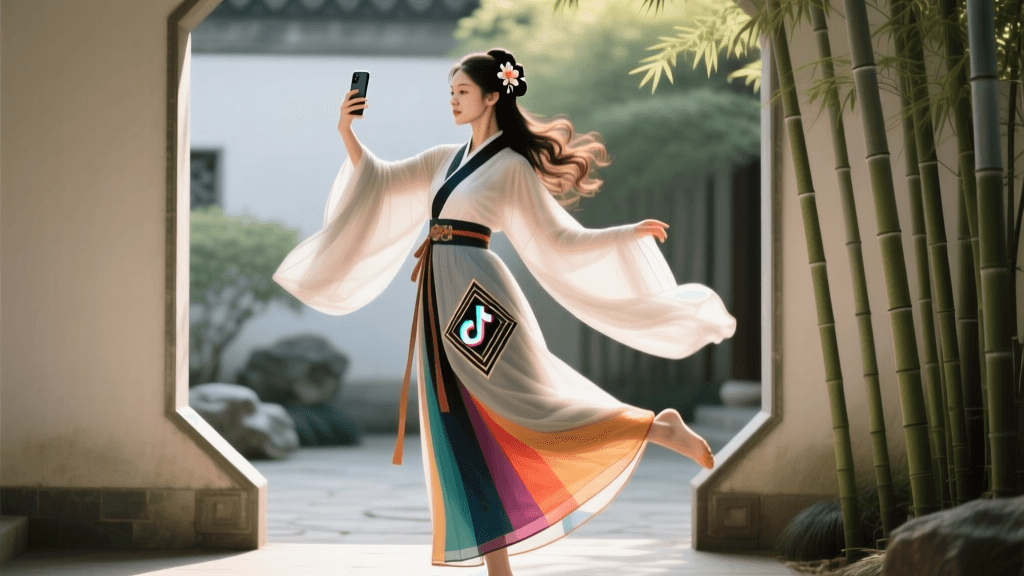
The intersection of traditional Chinese clothing and short-form video algorithms has birthed one of the most visually captivating phenomena on social media: the Hanfu transition video. Originating on Douyin, China’s domestic counterpart to TikTok, these videos have accumulated billions of views under hashtags like #Hanfu and #Guochao (national trend). As the Hanfu movement redefines youth culture and sartorial heritage, as noted by Sixth Tone, international creators on TikTok are now adapting these viral formats to showcase historical Chinese garments to a global audience.
But what exactly makes a Hanfu transition video go viral, and how can you recreate these Douyin-born trends for your own TikTok content? This guide breaks down the technical, sartorial, and algorithmic secrets behind the most successful traditional Chinese fashion content, providing actionable steps for creators, stylists, and heritage enthusiasts alike.
The Anatomy of a Viral 'Street-to-Ethereal' Transition
The most ubiquitous Hanfu trend on both platforms is the 'Street-to-Ethereal' transition. The video typically begins with the creator in mundane, modern streetwear, often looking tired or caught in a busy urban environment. A sudden beat drop or physical gesture—like a snap, a fan flick, or a hairpin toss—triggers an instant cut to the creator in full, meticulously styled Hanfu, surrounded by cinematic lighting or nature.
Filming and Editing Specifications
To achieve the buttery-smooth, high-definition look characteristic of top-tier Douyin creators, you must optimize your camera settings and editing workflow:
- Frame Rate & Resolution: Shoot in 4K at 60fps. The 60fps is crucial for the 'ethereal' slow-motion fabric twirls that follow the transition.
- Lighting: The modern 'before' shot should use flat, slightly cool-toned lighting. The 'after' shot requires golden-hour natural light or a warm 3200K key light with a rim light to highlight the metallic threads in the garment.
- Editing Software: CapCut is the industry standard for this niche. Use the 'Optical Flow' slow-motion effect for the fabric spins, and apply a subtle 'Glow' effect (set to 15% opacity) during the transition frame to mask the cut.
- Audio Syncing: Mark the exact audio beat spike in CapCut. The transition frame must land within 0.1 seconds of the bass drop to satisfy the algorithm's audio-visual retention metrics.
Sartorial Specs: Choosing the Right Garments for the Camera
Not all Hanfu translates well to a vertical, fast-paced video format. The garments that perform best on TikTok and Douyin share specific structural qualities: high movement, reflective elements, and striking color contrast.
The Ming Dynasty Mamianqun (Horse-Face Skirt)
The Mamianqun is the undisputed queen of Hanfu transition videos. Its structured, flat front and back panels contrast with deeply pleated sides, creating a spectacular 'blooming' effect when the creator spins.
- Fabric Weight: For video, you need a skirt with heavy drape. Look for jacquard woven polyester or silk-blends weighing between 250gsm and 350gsm. Lighter fabrics will look flimsy on camera and won't generate the necessary centrifugal force during a spin.
- Pleat Count: Opt for a skirt with at least 12 to 16 pleats per side. More pleats mean a wider, more dramatic flare.
- Measurements: Ensure the skirt length hits exactly 3-5 cm above the ground when wearing your chosen historical shoes (like cloud-toe shoes). A skirt that drags will ruin the slow-motion effect by catching on the floor.
- Cost: Entry-level, camera-ready Mamianqun from reputable Taobao brands like Shisan Yu or Zhongling range from $45 to $85 USD.
The Song Dynasty Beizi (Long Outer Jacket)
For a more elegant, understated transition, the Song Dynasty Beizi offers a beautiful silhouette. It is a long, open-front jacket with side slits that reveal the inner layers (a camisole and pleated skirt) during movement.
- Styling Trick: Use a Beizi made from semi-translucent silk organza or chiffon. When backlit, the fabric catches the sun, creating an ethereal halo effect that performs exceptionally well on TikTok's compression algorithm.
- Color Palette: Pastel gradients (like celadon green fading into pearl white) capture attention faster than solid dark colors on the 'For You' page.
Trend Comparison: Douyin vs. TikTok Hanfu Styling
While TikTok and Douyin share a parent company, their user bases and algorithmic preferences have led to distinct stylistic divergences in how Hanfu is presented. Understanding these differences is key to tailoring your content for the right audience.
| Element | Douyin (China) | TikTok (Global) |
|---|---|---|
| Pacing | Fast, 3-5 outfit transitions per 15s video | Slower, 1-2 cinematic transitions per 30s-60s video |
| Audio | Gufeng (ancient style) pop, DJ remixes, spoken poetry | Lo-fi beats, cinematic orchestral, trending western pop |
| Garment Focus | Ming Dynasty court wear, elaborate embroidery, heavy crowns | Song Dynasty minimalism, Wei-Jin ethereal styles, fusion streetwear |
| Hashtags | #汉服 (Hanfu), #国风 (Guochao), #变装 (Transformation) | #Hanfu, #ChineseFashion, #HistoryTok, #OOTD |
| Context | Often shot in historical sites, studios, or busy modern streets | Often shot in nature, botanical gardens, or indoor aesthetic setups |
Sourcing Authentic Pieces: Logistics for Global Creators
As highlighted by the South China Morning Post, the Hanfu industry has exploded into a multi-billion dollar market, but the best, most camera-ready pieces are still primarily sold on domestic Chinese e-commerce platforms like Taobao and Tmall. For international TikTok creators, sourcing requires a bit of logistical planning.
Using Shopping Agents
Global creators typically use shopping agents like Superbuy, CSSBuy, or Wegobuy. These platforms allow you to paste Taobao links, purchase the items to a domestic Chinese warehouse, and then consolidate them for international shipping.
- Timing: Factor in 3-5 days for the seller to ship to the agent warehouse, 1-2 days for quality check photos, and 15-25 days for international ePacket or DHL shipping. Always order your garments at least 6 weeks before a planned seasonal shoot (e.g., ordering in February for a Cherry Blossom April shoot).
- Sizing: Hanfu sizing is notoriously different from Western fast fashion. Always measure your bust, waist, and hips in centimeters and compare them to the seller's specific size chart. For the Mamianqun, the waist measurement is critical; it should be measured at the narrowest part of your torso, as the skirt sits higher than modern skirts.
Hair and Makeup: The 'Xianqi' (Fairy) Aesthetic
A viral Hanfu video is incomplete without the appropriate historical makeup and hair styling. The 'Xianqi' or fairy aesthetic dominates the transition niche.
Pearl and Huadian Makeup
Instead of heavy contouring, viral Hanfu makeup focuses on a luminous, pearlescent base. The defining feature is the Huadian—a traditional forehead decoration. While historical Huadian were made of gold leaf or jade, modern viral trends utilize tiny faux pearls and rhinestones glued in floral or geometric patterns between the eyebrows and along the cheekbones. This catches the ring light and adds a 3D element to the video that stops users from scrolling.
Hairpieces and Styling
Authentic Hanfu hairstyles require significant volume. Creators should invest in a Jiandie (a traditional hairpad) and clip-in braided hairpieces. A popular Douyin trick is to use a curling iron to crimp the natural hair at the roots before applying the hairpad, ensuring the updo has enough structural integrity to withstand the vigorous head movements required for the transition spin. Secure all pieces with U-pins rather than standard bobby pins, which slip out during slow-motion twirls.
Conclusion: Bridging Heritage and the Algorithm
Recreating viral Douyin Hanfu transitions on TikTok is more than just a fleeting social media trend; it is a dynamic, digital form of cultural preservation. By combining the technical precision of high-frame-rate videography with the historical accuracy of garments like the Ming Mamianqun and Song Beizi, creators can craft content that is both algorithmically favored and culturally rich. Whether you are a seasoned cosplayer or a traditional fashion enthusiast stepping in front of the lens for the first time, mastering the lighting, fabric physics, and editing rhythms of the Hanfu transition will ensure your heritage fashion content resonates across borders and screens.