Kimono Preservation 2026: Silk Storage & Climate Control Guide
Introduction to Kimono Collection Management in 2026
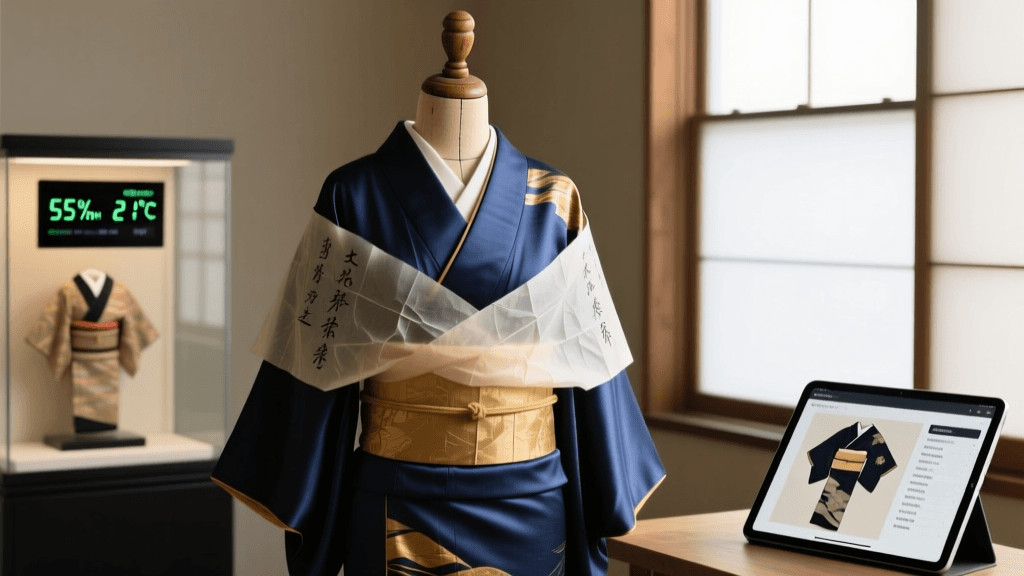
As we navigate 2026, the intersection of traditional Japanese garment care and modern conservation technology has reached new heights. For collectors, curators, and heritage enthusiasts, managing a collection of vintage and antique silk kimono requires more than just careful folding; it demands a rigorous, science-backed approach to environmental control. The vibrant dyes, delicate metallic threads, and intricate weave structures of garments like the uchikake (wedding kimono) and furisode (long-sleeved kimono) are highly susceptible to environmental degradation. This comprehensive guide outlines the definitive 2026 standards for kimono storage preservation, blending centuries-old Japanese wrapping techniques with cutting-edge digital cataloging and climate monitoring.
The Science of Silk Degradation and Textile Conservation
Silk is a natural protein fiber composed primarily of fibroin, which is held together by sericin. While remarkably strong for its weight, silk is highly vulnerable to photo-oxidation, hydrolysis, and biological pests. According to guidelines maintained by the Library of Congress, prolonged exposure to ultraviolet (UV) light and fluctuating humidity levels causes the protein chains in silk to break down, resulting in irreversible shattering, yellowing, and loss of tensile strength. In 2026, conservationists emphasize that prevention is the only viable strategy; once silk shatters, it cannot be restored to its original structural integrity. Therefore, understanding the micro-climate of your storage environment is the foundational step in kimono collection management.
Traditional Tatou Paper vs. Modern Archival Materials
For centuries, the Japanese have utilized tatou (specialized wrapping paper) to store kimono. Traditionally made from high-quality, acid-free washi (Japanese paper) derived from the kozo (paper mulberry) plant, tatou allows the silk to breathe while protecting it from dust, light, and sudden humidity shifts. Today, collectors often debate whether to use traditional tatou or modern Western archival materials. Both have distinct advantages depending on the specific storage scenario.
| Material | Acidity Level | Breathability | Best Use Case | 2026 Est. Cost |
|---|---|---|---|---|
| Traditional Washi (Tatou) | Neutral | High | Long-term silk wrapping, allowing moisture exchange | $18.00 / yard |
| Archival Tyvek | Neutral | Medium | Outer dust covers, transit protection, pest barrier | $12.50 / yard |
| Unbleached Cotton Muslin | Slightly Acidic | High | Padding for heavy embroidery, outermost cabinet covers | $8.00 / yard |
| Acid-Free Tissue Paper | Buffered / Neutral | Low | Stuffing sleeves, padding collars to prevent creases | $0.75 / sheet |
When sourcing tatou in 2026, ensure the paper is certified lignin-free. Some commercially available decorative Japanese papers contain lignin, which breaks down over time to produce acids that will stain and weaken silk fibers. Always use unbuffered, neutral pH tissue paper for direct contact with silk, as buffered (alkaline) tissue can negatively react with the protein structure of animal-based fibers.
Optimal Climate Control Metrics for Silk Garments
Maintaining a stable micro-climate is non-negotiable for serious kimono preservation. The Victoria and Albert Museum recommends strict environmental parameters for historic textiles, which align perfectly with the needs of Japanese silk garments. In 2026, smart home integration allows collectors to monitor these metrics in real-time using wireless hygrometers and data-logging sensors placed directly inside tansu (traditional wooden chests) and archival storage boxes.
- Temperature: Maintain a consistent temperature between 50°F and 65°F (10°C to 18°C). Higher temperatures accelerate chemical degradation and encourage pest activity.
- Relative Humidity (RH): Keep RH strictly between 45% and 55%. Fluctuations greater than 5% within a 24-hour period cause the silk fibers to expand and contract, leading to mechanical stress and weave distortion.
- Light Exposure: Store garments in total darkness. If displaying, limit light levels to 50 lux maximum, and eliminate all UV radiation using specialized 2026 LED filtration sleeves.
- Air Quality: Avoid storing kimono near sources of ozone, sulfur, or volatile organic compounds (VOCs), which can tarnish metallic threads (surihaku) and alter dye chemistry.
Pest Management: Non-Toxic Strategies for 2026
Clothes moths (Tineola bisselliella) and carpet beetles are the natural enemies of silk and wool. Historically, collectors relied on chemical mothballs containing naphthalene or paradichlorobenzene, which are now recognized as highly toxic to humans and damaging to textile dyes. Modern 2026 preservation protocols strictly forbid these chemicals. Instead, integrated pest management (IPM) relies on monitoring and anoxic treatments. Place pheromone-baited sticky traps in the corners of your storage room to monitor for male moth activity. If an infestation is suspected, the safest treatment is anoxic deprivation: sealing the affected kimono in an airtight archival bag and introducing argon gas to displace oxygen, effectively eliminating pests at all life stages without leaving chemical residues.
Digital Cataloging: Managing Your Collection Without Unfolding
Every time a vintage kimono is unfolded, handled, and refolded, it undergoes mechanical stress. To minimize handling, leading collectors in 2026 utilize Near Field Communication (NFC) and Radio Frequency Identification (RFID) technology. By embedding a passive, acid-free NFC tag into the outer tatou wrapper or the storage box (never directly on the garment), you can tap your smartphone or tablet to instantly pull up the garment's digital dossier. This dossier should include high-resolution photographs, provenance records, condition reports, and specific folding instructions. This digital-first approach ensures that you can browse, audit, and manage your collection without subjecting the fragile silk to unnecessary physical manipulation.
Step-by-Step Hon-Datami Folding and Storage Guide
Proper folding is an art form in itself. The Smithsonian Museum Conservation Institute notes that improper folding causes permanent creases that eventually turn into tears. The standard folding method for kimono is hon-datami, which aligns the seams to prevent uneven stress on the fabric.
- Preparation: Lay the kimono face down on a clean, acid-free surface. Ensure your hands are clean, dry, and free of lotions. Wear lint-free cotton gloves if handling heavily embroidered or metallic areas.
- The Hon-Datami Fold: Fold the left front panel over to the center back seam. Then, fold the right front panel over to meet the left. Fold the sleeves back so they align with the body of the garment. Finally, fold the garment in thirds horizontally.
- Padding the Creases: Before making the final horizontal folds, place rolled, acid-free, unbuffered tissue paper along the fold lines. This creates a gentle curve rather than a sharp crease, preventing fiber breakage.
- Wrapping: Wrap the folded kimono snugly in your tatou paper or acid-free tissue. Secure the package with a flat, unbleached cotton tie or a strip of tatou paper. Never use adhesive tape, rubber bands, or plastic clips.
- Storage Placement: Place the wrapped kimono flat in an archival-grade corrugated plastic box or a traditional kiri (paulownia wood) tansu. Paulownia wood is highly prized in Japan because it naturally swells in high humidity to seal out moisture, and contains natural insect-repelling properties. Stack heavier garments at the bottom and lighter, more delicate silks at the top.
Display and Rotation Protocols
If you choose to display your kimono using a traditional ikou (kimono stand) or a modern acrylic mannequin, limit the display period to a maximum of three to six months. Prolonged hanging causes the silk to stretch under its own weight, particularly at the shoulders and the heavy hemlines of lined garments. After a display period, the garment must be taken down, carefully refolded using the hon-datami method, padded with tissue, and allowed to "rest" in dark, climate-controlled storage for at least an equal amount of time. By adhering to these rigorous 2026 preservation standards, collectors can ensure that these masterpieces of Asian textile heritage remain vibrant and structurally sound for generations to come.