Hanfu Tourism: The Ultimate Guide to Destination Photoshoots
The Rise of Hanfu Destination Tourism
Over the past five years, the traditional Chinese garment known as Hanfu has transitioned from a niche historical reenactment hobby into a massive cultural and economic force. Driven by the visual storytelling power of platforms like Douyin and Xiaohongshu, 'Hanfu tourism' has become a primary reason for domestic and international travel across China. Travelers are no longer just visiting historical sites; they are immersing themselves in the architecture by wearing period-accurate clothing, transforming ancient streets into living, breathing cinematic sets.
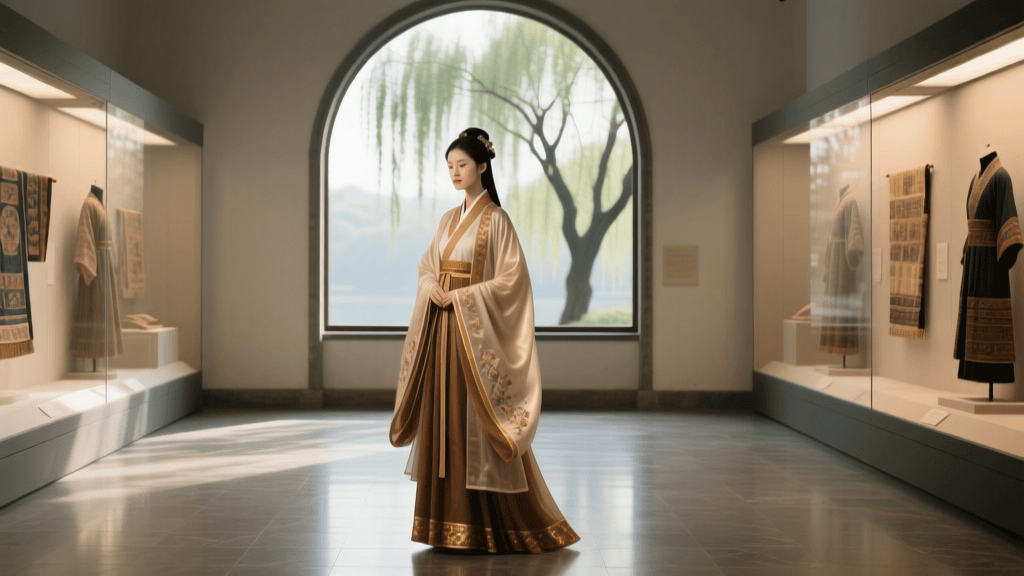
The global fascination with these silhouettes is not entirely new. As explored in The Metropolitan Museum of Art's 'China: Through the Looking Glass' exhibition, Chinese aesthetics have long captivated the visual and cinematic imagination. Today, this grandeur is democratized and amplified by modern social media creators who treat destination travel as an opportunity for high-fashion editorial shoots rooted in heritage.
Top Destinations for Hanfu Photoshoots
Choosing the right destination is critical, as different cities are architecturally aligned with specific Chinese dynasties. Wearing a Ming Dynasty garment in a Tang Dynasty replica city can create visual dissonance for educated viewers on social media. Here are the premier destinations and their corresponding styles.
Xi'an: The Tang Dynasty Spectacle
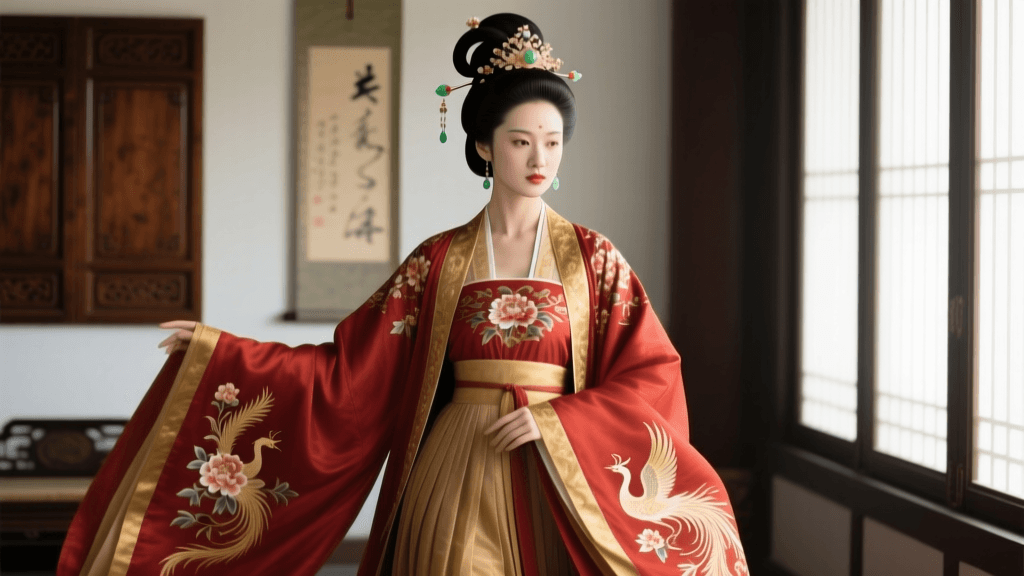
As the ancient capital of Chang'an, Xi'an is the undisputed king of Tang Dynasty aesthetics. The Datang Everbright City is a massive pedestrian zone designed to replicate the grandeur of the 8th century. The best style to wear here is the Qixiong Ruqun (chest-high skirt) or Tang Banbi (half-sleeve jacket). These garments feature vibrant colors, bold floral embroidery, and flowing silhouettes that catch the wind and the neon lights of the evening lantern festivals.
Luoyang: Wei, Jin, and Early Tang Elegance
Luoyang offers a more rugged, ancient atmosphere, particularly around the Longmen Grottoes and the Luoyi Ancient City. The architectural style here leans towards the Wei and Jin dynasties, as well as the early Tang. Travelers should opt for the Wei Jin Feng (characterized by wide, flowing sleeves and a relaxed, scholarly drape) or early Tang Ruqun. The earthy tones and stone backdrops of the grottoes provide a moody, cinematic contrast to the ethereal fabrics.
Suzhou and Hangzhou: Song and Ming Refined Grace
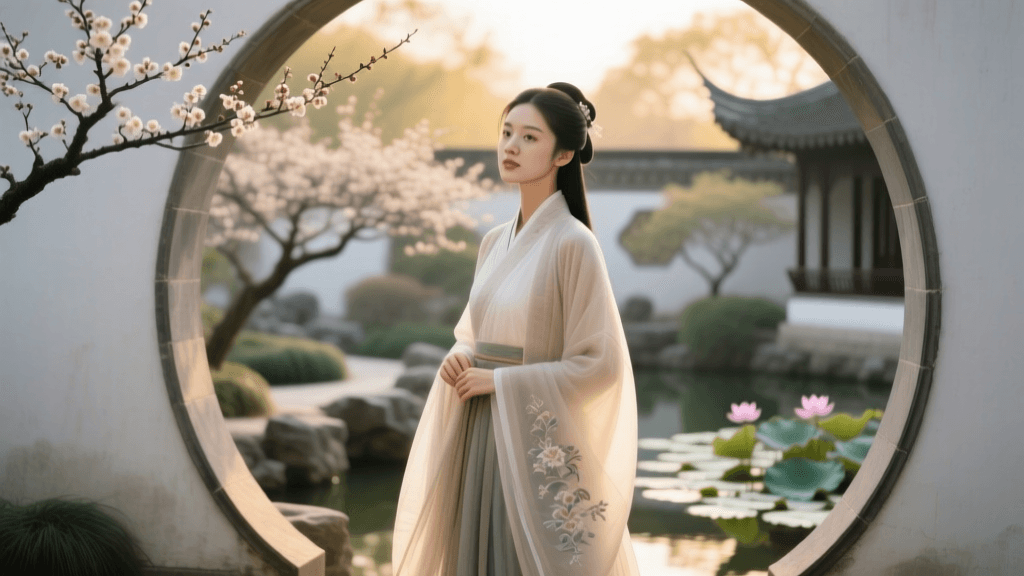
The classical gardens of Suzhou, such as the Humble Administrator's Garden, demand subtlety and elegance. The loud, booming colors of the Tang dynasty feel out of place among the delicate bamboo groves and koi ponds. Instead, the Song Dynasty Beizi (a long, slender overcoat) and the Ming Dynasty Mamianqun (horse-face skirt) are ideal. The Mamianqun, with its structured pleats and intricate woven gold patterns, moves beautifully against the minimalist white-washed walls and dark wooden lattices of Jiangnan architecture.
Destination Comparison Chart
| Destination | Best Hanfu Style | Average Rental Cost (RMB) | Best Time to Shoot |
|---|---|---|---|
| Xi'an (Datang Everbright City) | Tang Qixiong Ruqun | 198 - 350 | 8:00 PM - 10:00 PM (Illuminated) |
| Luoyang (Longmen Grottoes) | Wei Jin / Early Tang | 150 - 298 | 4:00 PM - 6:00 PM (Golden Hour) |
| Suzhou (Classical Gardens) | Song Beizi / Ming Mamianqun | 250 - 450 | 7:00 AM - 9:00 AM (Before Crowds) |
| Beijing (Forbidden City / Temples) | Ming Dynasty Aoqun | 200 - 400 | 3:00 PM (Winter/Autumn Light) |
Practical Guide: Renting vs. Buying for Travel
For most destination tourists, renting is the most practical option. The Hanfu rental industry in cities like Xi'an and Luoyang is highly developed, offering 'one-stop' shops that include the garment, hair styling, traditional makeup, and sometimes even a freelance photographer.
Understanding Rental Tiers and Costs
- Standard Tier (150 - 250 RMB): Includes mass-produced polyester garments, basic wig styling, and standard makeup. Suitable for casual evening strolls and crowded night markets.
- Premium Tier (300 - 600 RMB): Features garments made from silk blends or high-quality chiffon with detailed embroidery. Includes custom hair styling using ethical Dian Cui (kingfisher feather) alternatives made from dyed silk ribbons, and intricate Huadian (forehead decals).
- Couture Tier (800+ RMB): Reserved for serious content creators. Garments are often authentic silk, reflecting techniques recognized by UNESCO's Intangible Cultural Heritage list for Chinese sericulture and silk craftsmanship. This tier usually includes a dedicated photographer and exclusive access to private garden venues.
If you choose to buy and travel with your own Hanfu, invest in a Mamianqun (horse-face skirt). It is universally flattering, easy to pack (it folds flat like a wrap skirt), and can be styled with modern blouses for a 'new Chinese style' (Xin Zhong Shi) look when you are not doing a full historical shoot.
Social Media Strategy: Dominating Douyin and Xiaohongshu
Creating viral Hanfu content requires more than just a beautiful outfit; it requires an understanding of platform algorithms and visual trends.
Timing and Lighting
The 'Golden Hour' is universally flattering, but in Hanfu tourism, the 'Blue Hour' (the 20 minutes just after sunset) is highly prized for Tang Dynasty shoots in Xi'an. The cool blue ambient light contrasts perfectly with the warm, glowing orange lanterns of the ancient streets. For Song and Ming dynasty shoots in gardens, overcast days are actually preferred. The soft, diffused light eliminates harsh shadows and highlights the subtle textures of the silk and embroidery without blowing out the highlights.
Props and Movement
Static poses perform poorly on short-form video platforms. Incorporate dynamic props that encourage movement. A translucent silk round fan, a bamboo umbrella, or a traditional paper lantern can give your hands something to do and create leading lines in your composition. When walking in a Mamianqun, practice the 'gliding' step—keeping your torso still while taking small, rapid steps to make the pleats fan out dramatically without bouncing.
Trending Audio and Editing
On Douyin, syncing your transitions to the beat of traditional Chinese instruments (like the Guzheng or Pipa) mixed with modern electronic beats is a proven formula for virality. Use slow-motion (60fps or 120fps) for fabric twirls and sleeve tosses, capturing the 'flow' (Liu Dong) of the garment.
Essential Packing List for the Hanfu Traveler
Even if you are renting your main garments, there are several crucial items you must pack to ensure your shoot is comfortable and successful.
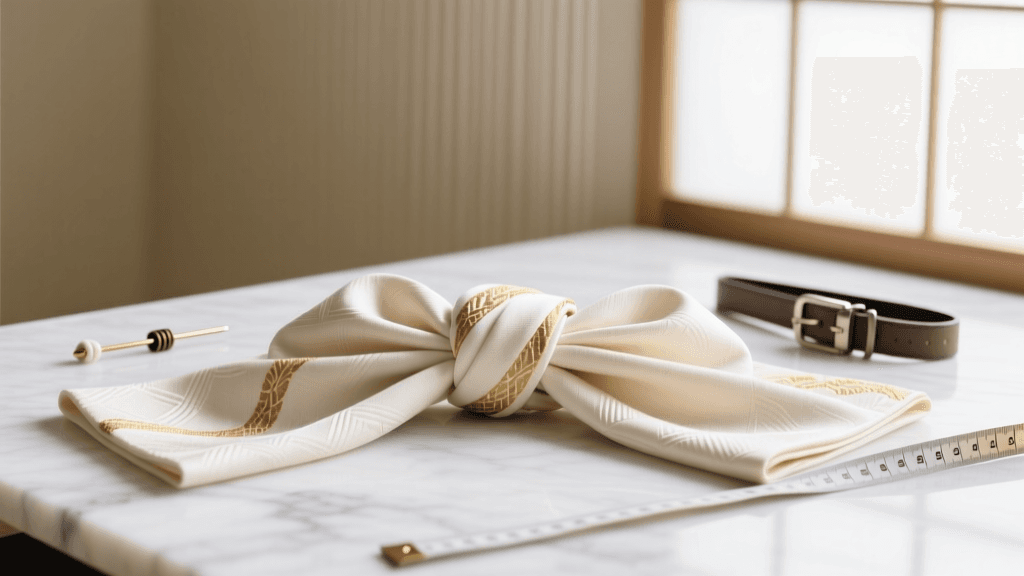
- Double-Sided Fashion Tape: Essential for securing the overlapping collars (Jiaoling) of your Ruqun, especially in windy conditions.
- Cloud Shoulder (Yunjian) or Faux Fur Stole: If you are shooting in Beijing or Luoyang during the shoulder seasons (late autumn or early spring), temperatures can drop rapidly. A historically inspired Yunjian adds a layer of warmth while elevating the visual complexity of your outfit.
- Petticoats and Skirt Extenders: Rental shops often provide generic skirts that may not match your exact height. If you are 165cm tall, ensure your skirt length is at least 105cm to achieve the proper 'floor-grazing' historical silhouette. Pack a lightweight crinoline or cotton petticoat to give the skirt volume.
- Comfortable Walking Shoes: Hanfu skirts are long and will completely hide your footwear. Wear high-quality, cushioned sneakers. The cobblestone streets of Luoyi Ancient City and the vast expanse of the Forbidden City will easily exceed 15,000 steps in a single day.
- Blotting Papers and Setting Spray: Traditional makeup styles often feature heavy, porcelain-like foundation and vibrant red lip colors. Under the hot studio lights or the midday sun, setting spray and oil-absorbing sheets are mandatory to maintain your look for the camera.
Conclusion: Respecting the Culture While Creating Art
As Hanfu tourism continues to boom, the line between historical appreciation and mere costume play can sometimes blur. The most respected creators in the community take the time to research the specific dynasty they are portraying, ensuring that their hair, makeup, and garment layers are historically grounded. By combining rigorous historical respect with modern social media savvy, you can create destination content that not only garners likes but also educates and inspires a global audience about the profound beauty of Asian traditions.