Vintage Silk Kimono Storage & Preservation Guide 2026
The Art and Science of Kimono Preservation
Collecting and preserving vintage Japanese kimonos is a profound way to connect with Asian textile traditions, but it comes with significant conservation responsibilities. Unlike modern synthetic garments, vintage silk kimonos—particularly those from the Taisho and early Showa eras—are highly susceptible to environmental degradation. As of 2026, the intersection of traditional Japanese preservation techniques and modern archival science has provided collectors with unprecedented tools to protect these masterpieces. Whether you own a single family heirloom or a sprawling collection of antique obi and furisode, understanding the precise requirements for kimono storage is essential to ensure these garments survive for future generations.
The Vulnerability of Vintage Silk
Silk is a natural protein fiber composed primarily of fibroin, coated with a gummy protein called sericin. While silk is remarkably strong by weight, it is highly reactive to its environment. The most catastrophic failure in vintage silk is known as 'shattering,' a phenomenon where the fibers become brittle and tear under their own weight. Shattering is often the result of historical manufacturing processes that used metallic salts as weighting agents, combined with decades of exposure to acidic environments, fluctuating humidity, and ultraviolet light.
Human contact also poses a severe threat. The natural oils, sweat, and sebum transferred from bare hands are slightly acidic and will oxidize over time, leaving permanent brown stains and weakening the protein structure of the silk. Therefore, the foundational rule of kimono collection management in 2026 is strict handling protocols: always wash and thoroughly dry your hands before handling vintage textiles, or use clean, lint-free cotton or nitrile gloves. For comprehensive guidelines on handling protein-based historical textiles, collectors should refer to the conservation resources provided by The George Washington University Museum and The Textile Museum, which emphasizes the importance of minimizing direct contact and supporting the full weight of the garment during movement.
The First Line of Defense: Archival Wrapping
In Japan, the traditional method for storing kimonos involves wrapping them in a specialized paper called tatou-shi (tato paper). Historically, this was made from high-quality, acid-free mulberry paper (washi). However, not all modern papers sold as tatou-shi are truly archival. Some commercially available wrapping papers contain lignin or acidic sizing agents that will slowly off-gas and damage the silk.
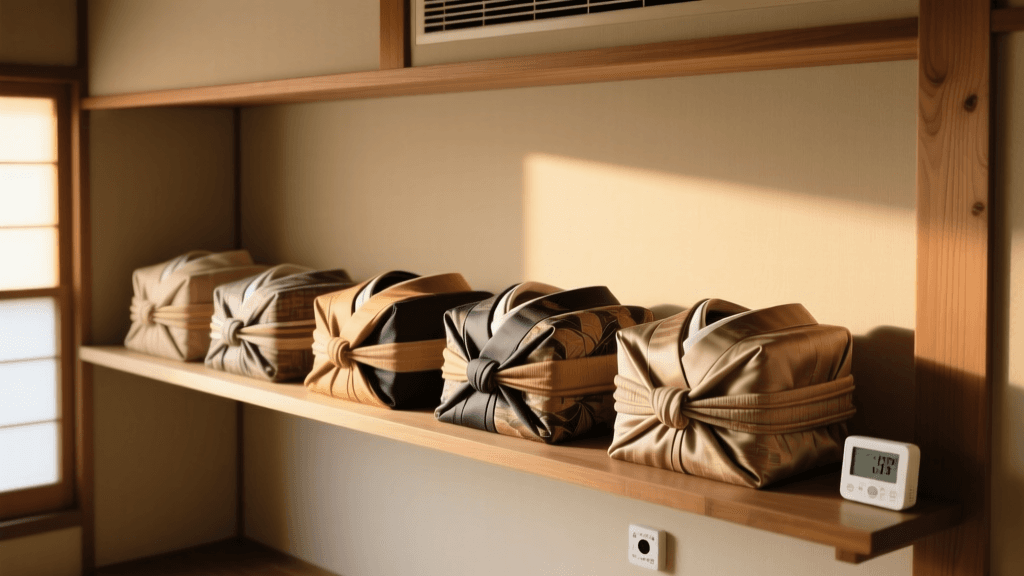
For optimal preservation in 2026, collectors should source unbuffered, acid-free, lignin-free archival tissue paper. Buffered tissue (which contains an alkaline reserve like calcium carbonate) is excellent for plant-based fibers like cotton and linen, but it can be detrimental to protein fibers like silk and wool over long periods. Recently, museum-grade nano-cellulose infused archival wraps have become more accessible to private collectors. These advanced wraps help regulate micro-humidity fluctuations within the fold of the garment, preventing localized desiccation. When wrapping a kimono, never seal the package in plastic, as this traps moisture and invites mold growth. The wrapping should be folded securely but allow the silk to 'breathe'.
Climate Control and Smart Monitoring Standards
The ideal environment for storing vintage silk is a cool, dark, and stable space. The universally accepted museum standard for silk preservation is a temperature of 65°F (18°C) and a Relative Humidity (RH) of 50%. Fluctuations in humidity are far more damaging than a static, slightly sub-optimal reading. When RH spikes above 65%, the risk of mold and foxing (brown fungal spots) increases exponentially. When RH drops below 40%, the silk loses its natural moisture content, accelerating embrittlement and shattering.
In 2026, maintaining this environment is easier than ever thanks to advanced Bluetooth Low Energy (BLE) and Wi-Fi smart hygrometers. Devices from leading brands like Govee and SwitchBot now feature highly accurate Swiss-made sensors that can track historical data and send instant push notifications to your smartphone if the temperature or humidity in your storage room deviates by more than 5%. Placing a smart sensor directly inside your storage chest and another in the ambient room allows you to monitor the micro-climate versus the macro-climate, ensuring your dehumidifiers or HVAC systems are functioning correctly.
Choosing the Right Storage Vessel
The container in which you store your wrapped kimonos is just as critical as the wrapping itself. Below is a comparison of the most common storage vessels used by collectors and institutions today.
| Storage Vessel | Pros | Cons | 2026 Estimated Cost |
|---|---|---|---|
| Kiri-Tansu (Paulownia Wood Chest) | Natural humidity buffer, fire-resistant, traditional aesthetic, blocks light. | Heavy, requires ample floor space, vintage pieces may need restoration to ensure drawers slide smoothly without snagging silk. | $800 - $3,500 |
| Museum-Grade Coroplast Box | Lightweight, chemically inert, stackable, affordable, easy to move. | Lacks aesthetic appeal, offers no natural humidity buffering, must be stored in a dark closet to prevent light damage. | $45 - $120 |
| Traditional Cedar Chest | Readily available in Western markets, pleasant scent, deters some pests. | Cedar oils can stain silk, acidic wood vapors can degrade protein fibers over time, requires an archival barrier. | $300 - $900 |
The kiri-tansu (Paulownia wood chest) remains the gold standard for kimono storage. Paulownia wood is unique; it swells when humidity rises, creating an airtight seal that protects the contents from moisture and fire, and shrinks when the air is dry, allowing the garments to breathe. If you must use a Western cedar chest or a standard plastic bin, you must line the interior completely with washed, unbleached cotton muslin or Marvelseal (an aluminum-nylon laminate barrier) to prevent wood acids and volatile organic compounds (VOCs) from reaching the silk.
Chemical-Free Pest Management
The two primary enemies of stored wool and silk are the webbing clothes moth (Tineola bisselliella) and the carpet beetle. Historically, collectors relied on naphthalene (mothballs) or paradichlorobenzene (PDB) crystals. In 2026, these chemicals are strictly avoided in professional conservation due to their toxicity, carcinogenic properties, and the fact that they can actually melt or fuse with certain synthetic threads and metallic embellishments found in vintage obi.
Instead, modern collection management relies on Integrated Pest Management (IPM). Prevention is achieved through strict environmental controls and the use of natural, aged camphor or thoroughly sealed cedar blocks (ensuring the wood never touches the silk). If an active infestation is discovered, the safest and most effective treatment is anoxia (oxygen deprivation). By sealing the affected garment in a specialized barrier film and introducing an oxygen scavenger, the environment is rendered completely devoid of oxygen, safely killing pests at all life stages without the use of toxic chemicals. This dedication to natural, non-destructive preservation mirrors the ethos found in traditional Japanese craftsmanship, such as the techniques recognized by the UNESCO Intangible Cultural Heritage registry for traditional silk weaving, which emphasizes harmony with natural materials.
The Art of Folding and the Mushiboshi Ritual
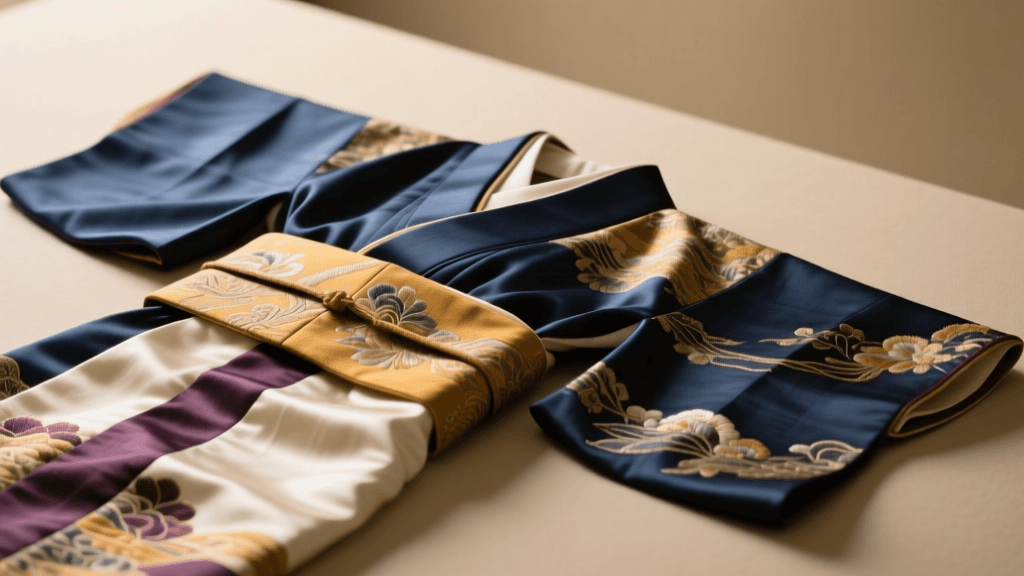
Kimonos are designed to be folded, not hung. Hanging a vintage silk kimono for extended periods will cause severe stress on the shoulder seams, leading to permanent distortion and tearing. The traditional folding method, known as sode-datami (sleeve folding), ensures that the garment lies flat, distributes the weight of the heavy embroidered areas evenly, and prevents sharp creases that could snap the silk fibers.
When folding, always place acid-free tissue paper inside the folds to cushion the creases and prevent the layers of silk from bonding together over time. Never press or iron a vintage kimono with a modern steam iron, as the heat and moisture can permanently set stains or cause the metallic threads to tarnish and bleed.
In Japan, the practice of mushiboshi (insect airing) is a vital seasonal ritual. Typically performed in late autumn or early winter when the air is cool and dry, collectors unwrap their kimonos, inspect them closely for signs of pests, mold, or shifting stains, and allow them to breathe in a shaded, well-ventilated room for a few hours. This practice not only refreshes the garments but also forces the collector to regularly assess the condition of their archive. Institutions like the Kyoto National Museum utilize similar seasonal rotation and inspection schedules to ensure their vast collections of historical textiles remain stable and are monitored for early signs of degradation.
Displaying Your Collection Safely
While storage is paramount, many collectors wish to display their most prized pieces. If you choose to mount a kimono on a display rack (ikou), limit the display time to no more than two to three weeks. Prolonged exposure to ambient light, even indirect sunlight, will cause irreversible photodegradation and fading of the natural dyes. Ensure your display room is equipped with UV-filtering window films and that any artificial lighting used is low-lumen, UV-free LED. By combining the wisdom of traditional Japanese care with the precision of 2026 archival science, you can ensure your kimono collection remains a vibrant, intact testament to Asian textile heritage for centuries to come.