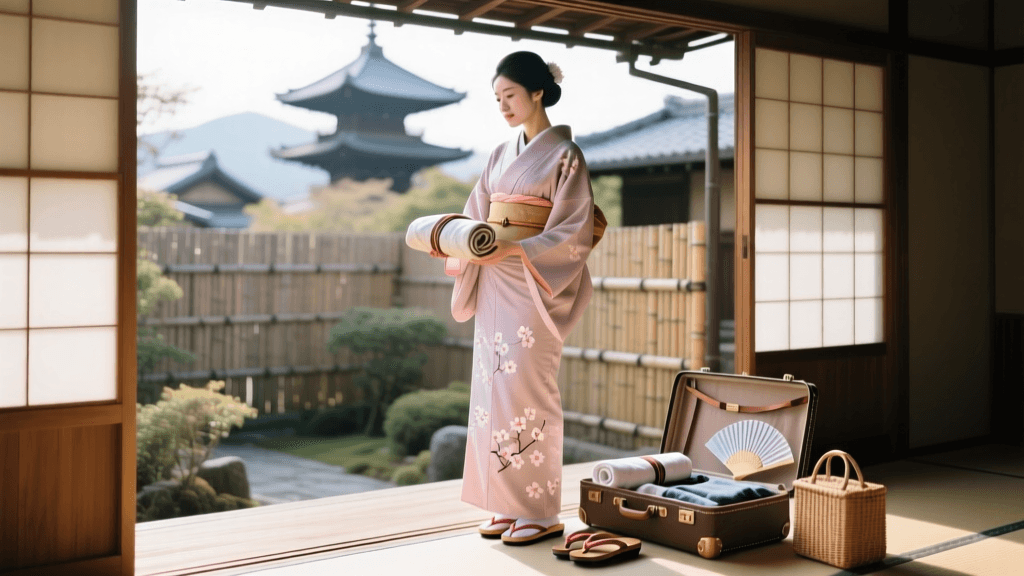
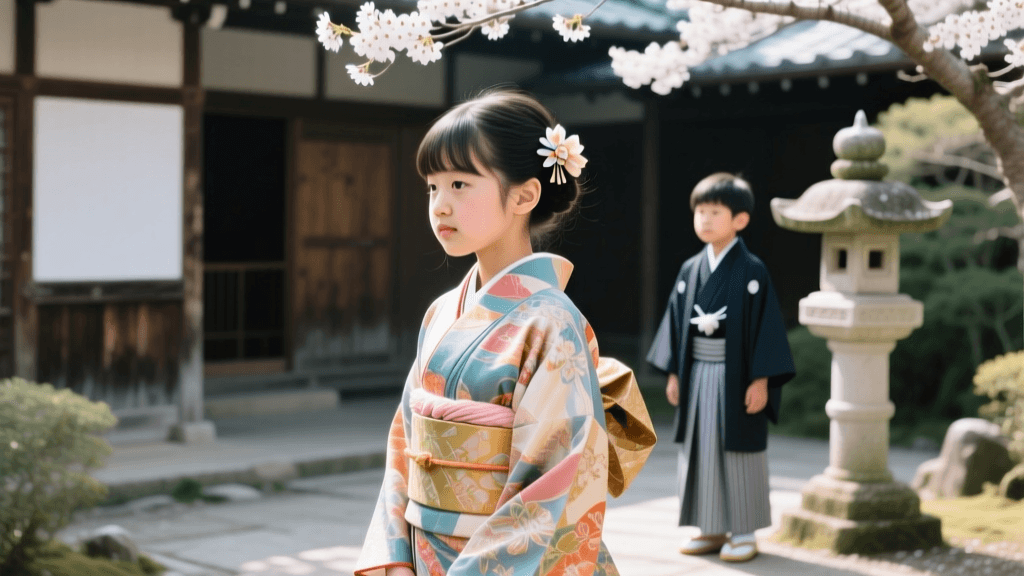
2026 Guide to Tsumugi and Omesho Everyday Kimono Styling
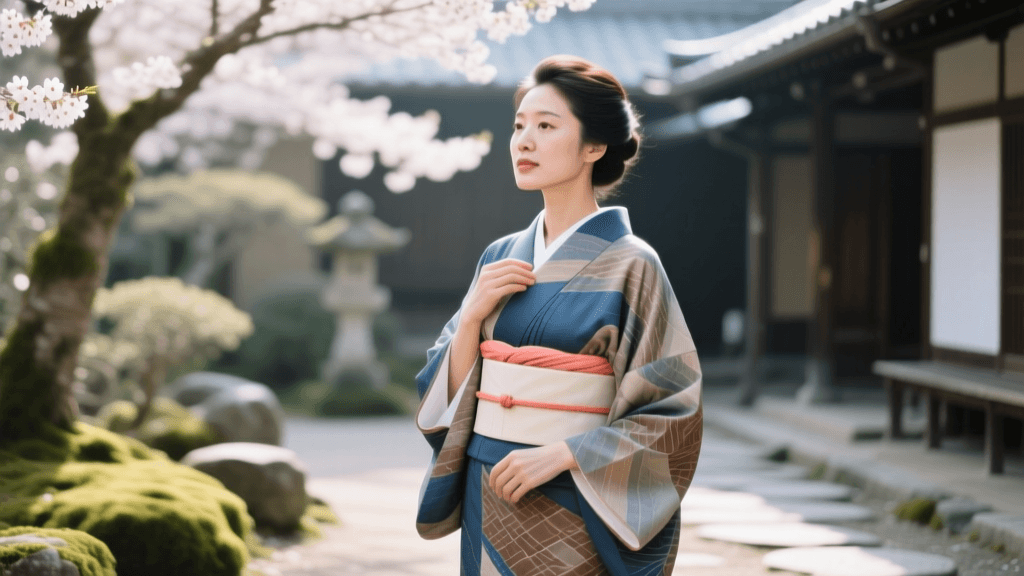
The Foundation of Everyday Elegance: Tsumugi and Omesho
As we navigate the fashion landscape of 2026, the global appreciation for Japanese traditional garments has shifted from viewing them solely as ceremonial costumes to embracing them as sustainable, everyday luxury. At the heart of this movement are two foundational textile types: Tsumugi (pongee) and Omesho (crepe). For enthusiasts and collectors building a modern kimono wardrobe, understanding the nuanced differences between these two fabrics is essential for mastering the Japanese concept of TPO (Time, Place, and Occasion). Unlike formal, dyed-after-weaving silks reserved for weddings and tea ceremonies, Tsumugi and Omesho offer a sophisticated, understated elegance perfect for contemporary urban living, gallery visits, and cultural gatherings.
Tsumugi: The Beauty of Slubbed Silk
Tsumugi is a type of silk fabric woven from yarn spun from silk floss or damaged cocoons, resulting in a distinctive slubbed texture and a matte, understated finish. Unlike the glossy, formal silks used for wedding attire, Tsumugi celebrates the rustic, organic beauty of the fiber. According to the Metropolitan Museum of Art's historical overview of Japanese textiles, the appreciation for these textured, pre-dyed weaves dates back to the Edo period. During this era, sumptuary laws restricted the lower classes from wearing flashy, patterned silks, leading to a sophisticated culture of subtle, woven elegance that prized the tactile quality of the fabric over visual loudness.
Yuki Tsumugi and Oshima Tsumugi
In 2026, the market is dominated by two prestigious regional variations. Yuki Tsumugi, produced primarily in Ibaraki and Tochigi prefectures, is renowned for its incredible lightness and warmth. The hand-tied kasuri (ikat) patterns and the use of traditional back-strap looms have earned it recognition as an Important Intangible Cultural Property by the Japanese government and UNESCO. A genuine, hand-woven Yuki Tsumugi kimono remains a high-investment piece in 2026, often starting at $3,500 for new artisan commissions, though vintage pieces from the late Showa era offer a more accessible entry point.
Oshima Tsumugi, originating from Amami Oshima in Kagoshima, is famous for its intricate mud-dyeing process. Artisans use iron-rich mud and the tannin-heavy bark of the tejichi tree to create a deep, rich brownish-black color that is highly resistant to fading and famously softens with wear. Oshima Tsumugi is slightly crisper than Yuki and is highly sought after in the 2026 vintage recycling market, where authenticated pieces in excellent condition command premium prices due to the declining number of master weavers and the labor-intensive nature of the mud-dyeing process.
Omesho: The Crisp Drape of Pre-Dyed Crepe
If Tsumugi is the epitome of rustic charm, Omesho is the standard for refined, everyday chic. Omesho is a silk crepe fabric characterized by its smooth surface, subtle sheen, and exceptional drape. The secret to Omesho's unique texture lies in the meticulous preparation of the weft threads. The silk is heavily twisted, coated with a natural starch, and woven tightly on a loom. After weaving, the fabric is washed in hot water, which dissolves the starch and causes the weft threads to shrink and crimp, creating the signature microscopic pebbled texture known as shibo.
Because Omesho is typically woven from pre-dyed threads (often featuring elegant striped, checked, or small geometric kasuri patterns), it occupies a unique space in the kimono hierarchy. It is more formal than Tsumugi but less formal than dyed-after-weaving silks like Homon or Tsukesage. In 2026, contemporary weavers in regions like Kiryu and Hachioji are experimenting with sustainable, plant-based dyes and blended fibers to make Omesho more resilient to modern weather patterns, appealing to a younger demographic of urban wearers who desire low-maintenance luxury.
2026 Comparison Chart: Tsumugi vs. Omesho
When curating your wardrobe, use this comparison chart to determine which fabric best suits your lifestyle, climate, and styling preferences.
| Feature | Tsumugi (Pongee) | Omesho (Crepe) |
|---|---|---|
| Texture | Slubbed, matte, slightly rough to the touch | Smooth, pebbled (shibo), subtle sheen |
| Drape | Stiff, holds its shape, lightweight | Fluid, heavy, drapes elegantly over curves |
| Formality (TPO) | Casual to semi-formal (everyday wear, tea practice) | Semi-formal to formal casual (theater, nice dinners) |
| Pattern Method | Woven kasuri (ikat), stripes, checks | Woven stripes, checks, small kasuri, solid colors |
| Best Seasons | Autumn, Winter, early Spring (warmth) | Year-round (depending on lining and weight) |
| 2026 Avg. Vintage Price | $150 - $600 (Oshima can exceed $1,200) | $120 - $450 |
| Wrinkle Resistance | Moderate (stiffness hides minor wrinkles) | High (crepe texture naturally masks creases) |
Styling Your 2026 Wardrobe: Obi and Accessory Pairings
The beauty of both Tsumugi and Omesho lies in their versatility. Because they are pre-dyed (saki-zome), they serve as excellent canvases for expressive obi and accessory pairings. In 2026, the trend leans heavily towards "neo-traditional" styling, mixing heritage textiles with contemporary artisan accessories.
Obi Selection
- Nagoya Obi: The most common pairing for both fabrics. For Tsumugi, choose a Nagoya obi with a matte finish, such as a woven Hakata-ori or a casual silk brocade. For Omesho, you can elevate the look with a slightly more formal, subtly shimmering Nagoya obi featuring seasonal motifs.
- Hanhaba Obi: The half-width obi is experiencing a massive resurgence in 2026 among younger wearers. A reversible, brightly patterned Hanhaba obi tied in a bunko (bow) or karuta knot adds a playful, modern touch to a subdued Oshima Tsumugi.
- Fukuro Obi: While generally too formal for Tsumugi, a lightweight, casual-patterned Fukuro obi can be worn with a high-quality, solid-color Omesho for semi-formal events like gallery openings or upscale dining.
Haneri (Collar) Trends
The haneri, or decorative collar attached to the under-kimono (juban), is where 2026 fashion truly shines. While traditional white or pale pink remains standard, modern wearers are embracing 3D embroidered haneri, sustainable recycled-fabric collars, and even subtle metallic threading that catches the light when worn with a dark, mud-dyed Oshima Tsumugi. This small pop of color near the face is the easiest way to update a vintage kimono for the current year's aesthetic.
Sizing and Proportions for the Modern Wearer
One of the most common challenges for international buyers in 2026 is navigating the sizing of traditional garments, particularly when shopping the booming vintage and upcycled markets. Unlike Western clothing, kimono are sold based on body height and hip width rather than standard S/M/L sizes.
When purchasing Tsumugi or Omesho, pay close attention to the mitake (back length) and yuki (sleeve-to-center-back length). A general rule of thumb is that the ideal kimono length should be roughly equal to your height. However, modern styling in 2026 often embraces the ohashori (the fold at the waist) as a deliberate aesthetic element. If you are taller than 5'7" (170 cm), finding vintage Tsumugi with adequate length can be difficult. In these cases, seek out modern shitate (tailoring) services that specialize in adding discreet silk panels to the hem or shoulders, a technique that has become highly refined and widely available through online kimono boutiques this year.
Care, Maintenance, and Sustainable Practices
Investing in Tsumugi and Omesho requires a commitment to proper garment care. Because these are high-quality silks, improper storage or cleaning can ruin the intricate weaves and natural dyes.
The Arai-Hari Process
For deep cleaning, the traditional arai-hari method remains the gold standard in 2026. This involves completely unsewing the kimono, washing the flat panels of fabric in specialized solutions, stretching them on bamboo frames to dry, and then re-sewing the garment. While expensive (often costing between $200 and $350 per garment), this process restores the fabric's original luster and removes deep-set stains without damaging the slubs of the Tsumugi or the crepe twist of the Omesho.
Everyday Maintenance
- Airing Out: After wearing, hang your kimono on a wide, padded kimono hanger in a well-ventilated, shaded area for 24 hours to allow moisture and odors to dissipate.
- Brushing: Use a soft, natural-bristle garment brush to gently sweep away dust from the surface, always brushing in the direction of the weave.
- Storage: Store folded in tatoushi (acid-free paper wrappers) inside a drawer made of paulownia wood (kiri), which naturally regulates humidity and repels insects. Avoid plastic bags, which trap moisture and cause mold.
Conclusion: Embracing the Woven Heritage
Building a wardrobe around Tsumugi and Omesho in 2026 is more than a fashion choice; it is an investment in sustainable, slow fashion and a profound connection to Japanese textile history. Whether you are drawn to the earthy, historic resilience of a mud-dyed Oshima Tsumugi or the fluid, sophisticated drape of a striped Omesho, mastering these fabrics will elevate your everyday kimono styling. By understanding their unique characteristics, pairing them with thoughtful accessories, and maintaining them with traditional care methods, you ensure that these magnificent garments will continue to be worn and cherished for generations to come.