Kimono Travel Essentials 2026: Packing Guide & Where to Wear
The Renaissance of Slow Travel: Why Pack a Kimono in 2026?
As global tourism evolves in 2026, the shift toward immersive, slow travel has made cultural dress more popular than ever. For enthusiasts of traditional Japanese garments, bringing a kimono on your travels is no longer just about photography; it is about deeply connecting with local heritage, supporting traditional artisans, and experiencing destinations through a mindful lens. However, traveling with a kimono requires strategic planning. The delicate fabrics, numerous accessories, and strict folding etiquette can easily overwhelm a standard suitcase. Whether you are wandering the historic streets of Kanazawa or attending a cultural festival in Europe, this comprehensive 2026 guide covers exactly what to pack, how to protect your garments, and where to wear them with confidence and respect.
The Ultimate 2026 Kimono Travel Packing Checklist
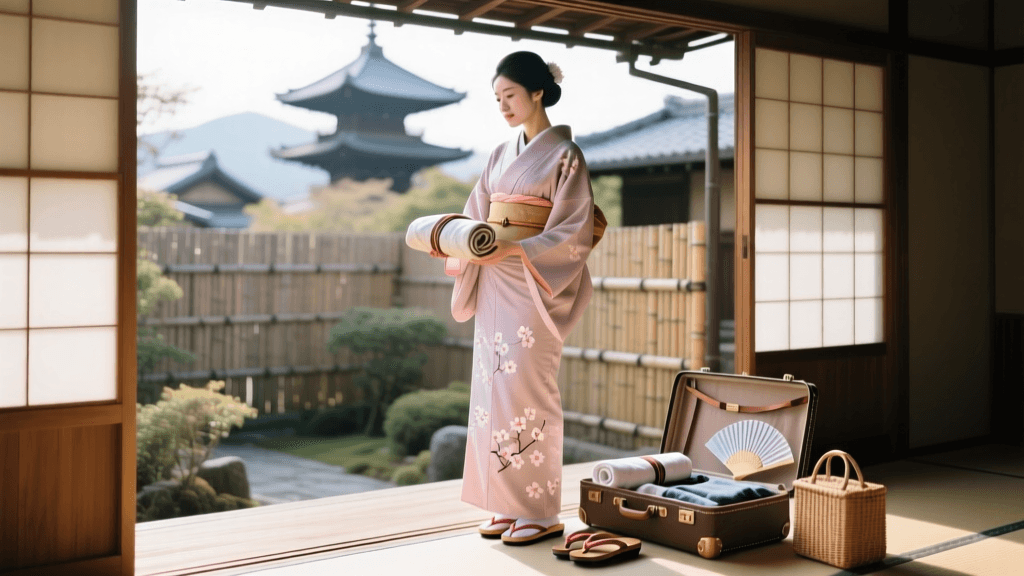
Packing a kimono is not as simple as folding a dress and tossing it into a luggage compartment. A proper kitsuke (dressing) requires several foundational layers and accessories. To keep your luggage light while maintaining authenticity, prioritize versatile, travel-friendly pieces.
The Core Garments
- Kimono (1-2): Opt for a komon (everyday patterned kimono) or a high-quality polyester blend. These are forgiving, easy to clean, and appropriate for most daytime sightseeing.
- Nagajuban or Two-Piece Undergarments: A full silk nagajuban is bulky. In 2026, most travelers prefer a two-piece set consisting of a hadajuban (camisole) and susoyoke (half-slip), paired with a detachable date-eri (collar).
- Hanhaba Obi (Half-Width Sash): Essential for casual wear. It requires no stiff padding and can be tied in simple, elegant knots like the bunko (bow).
Essential Accessories & Modern Upgrades
- Koshihimo (Ties): Pack at least three. Modern 2026 iterations made from stretch silicone or recycled elastane are highly recommended as they grip better and reduce waist fatigue during long walking days.
- Obi-ita (Obi Board): A thin, flexible board to keep the front of your obi smooth. Choose a lightweight mesh version to save space.
- Obijime & Obidome: The decorative cord and clasp. Pack these in a small, hard-shell jewelry case to prevent the cords from tangling with other items.
- Stretch Tabi: Traditional cotton tabi require separate sizing and ironing. Stretch tabi (made with polyurethane blends) conform to the foot, pack flat, and are vastly superior for navigating cobblestone streets.
- Zori or Geta (Footwear): Pack one pair of versatile, neutral-colored zori. Ensure the hanao (thongs) are broken in before your trip to prevent blisters.
Fabric Showdown: What to Choose for Your Suitcase
The fabric of your kimono dictates not only how it looks but how it survives the journey. According to textile conservationists featured in The Metropolitan Museum of Art's historical garment archives, silk requires meticulous climate control, making it a risky choice for standard luggage. Below is a comparison of the best fabric choices for the 2026 traveler.
| Fabric Type | Weight | Wrinkle Resistance | Best For | Care Level |
|---|---|---|---|---|
| Silk (Habutai/Chirimen) | Heavy | Low | Formal Tea Ceremonies | High (Dry Clean Only) |
| Polyester (Washable) | Medium | High | Daily Sightseeing | Low (Machine Washable) |
| Cotton (Yukata) | Light | Medium | Summer Festivals | Low (Machine Washable) |
| Hemp/Ramie Blend | Light | High | Humid Climates | Medium (Hand Wash) |
Mastering the Art of Wrinkle-Free Packing
Never fold a kimono using Western clothing methods. The traditional Japanese folding method, known as hon-datami, is designed to align seams and distribute fabric tension evenly, preventing permanent creases.
Step-by-Step Packing Strategy
- Fold using Hon-Datami: Lay the kimono face down, fold the left side over to the right seam, fold the sleeves back, and fold the bottom hem up to the collar. The result should be a neat, rectangular package.
- Use Tatoushi (Kimono Paper): Wrap the folded kimono in acid-free tatoushi paper. If you cannot source traditional paper, unbleached cotton muslin wraps are an excellent 2026 eco-friendly alternative that allows the fabric to breathe.
- Roll the Obi: Never fold an obi in half, as this creates a harsh, un-ironable crease in the stiff inner core. Roll it loosely from end to end and secure it with a silk ribbon.
- The Hard-Shell Suitcase Rule: Place your wrapped garments at the very top of your hard-shell suitcase. Do not place heavy items like shoes or toiletries on top of the kimono.
- Steam Upon Arrival: Pack a compact, dual-voltage travel steamer. Hanging the kimono in a steamy bathroom or using a handheld steamer on a low setting will release any minor transit wrinkles within minutes.
Where to Wear: Top 2026 Destinations for Kimono Enthusiasts
Knowing where to wear your kimono is just as important as knowing how to pack it. In 2026, local municipalities have updated guidelines to balance cultural appreciation with the daily lives of residents. According to the Kyoto City Official Travel Guide, mindfulness and respect for private spaces are paramount.
Kanazawa: The Uncrowded Cultural Haven
Often called "Little Kyoto," Kanazawa offers a breathtaking backdrop for kimono wearers without the overwhelming crowds of Japan's ancient capital. The Higashi Chaya district, with its preserved wooden tea houses, is perfect for a morning stroll. Visit the Kenrokuen Garden, one of Japan's top three landscape gardens, where the pine trees and koi ponds provide stunning contrast to the flowing sleeves of a komon.
Kyoto: Navigating the New Etiquette Zones
Kyoto remains the spiritual home of the kimono, but travelers must be aware of the strict 2026 overtourism regulations. Photography and lingering in the private, narrow alleys of Gion are strictly prohibited to protect the privacy of geiko and maiko. Instead, wear your kimono to expansive, welcoming public spaces. The grounds of Shoren-in or Kennin-ji temples offer serene, manicured gardens that are highly accommodating to visitors in traditional dress. For a vibrant afternoon, the Arashiyama bamboo grove and the nearby Togetsukyo Bridge remain iconic, provided you visit early in the morning to avoid the midday rush.
Tokyo: Blending Tradition with Modernity
Tokyo offers a fascinating juxtaposition of eras. Wear your kimono to the Nezu Museum in Minami-Aoyama, where traditional Japanese aesthetics meet striking modern architecture. Afterward, take a stroll through the nearby Omotesando avenues. Alternatively, the Rikugien Garden in Bunkyo provides a lush, Edo-period landscape that feels worlds away from the neon skyline of Shinjuku.
Global Festivals: Taking Tradition Worldwide
You do not need to be in Japan to wear a kimono. In 2026, global cultural festivals have expanded their traditional dress showcases. Events like Japan Day in New York City, Hyper Japan in London, and the Cherry Blossom Festival in Washington D.C. are phenomenal venues to wear your garments. These events foster cross-cultural exchange and provide a supportive environment for practicing your kitsuke skills.
Final Thoughts on Mindful Wearing
Traveling with a kimono is an exercise in patience, respect, and cultural appreciation. As highlighted by the Japan National Tourism Organization (JNTO), engaging with local traditions thoughtfully enriches both the traveler and the host community. Ensure your hem is tied slightly higher (ohashori) when walking on unpaved or dirty streets to avoid dragging the fabric. Always carry a large furoshiki (wrapping cloth) to sit on during outdoor picnics or temple visits, protecting your garment from dust and moisture. By packing smartly and choosing your locations with care, your 2026 kimono travel experience will be as seamless and beautiful as the garments themselves.