Shichi-Go-San and Seijin-shiki: Japanese Milestone Kimono Guide
The Cultural Significance of Japanese Milestone Celebrations
Japan’s sartorial heritage is deeply intertwined with its life-cycle rituals. Unlike Western traditions where formalwear is often dictated by the event itself, Japanese traditional clothing is strictly governed by age, gender, and marital status. Two of the most visually stunning and culturally significant milestones in a Japanese person's life are Shichi-Go-San (the Seven-Five-Three festival for children) and Seijin-shiki (the Coming-of-Age ceremony). These events mark the fragile transition from childhood to maturity, utilizing specific garments, textiles, and layering systems that have been refined over centuries.
For families navigating these traditions, or for cultural enthusiasts seeking to understand the mechanics of Japanese formalwear, mastering the nuances of children's kimono and adult furisode is essential. This guide provides a comprehensive, actionable breakdown of the garments, costs, and etiquette surrounding Japan's most important sartorial milestones.
Shichi-Go-San: Celebrating Childhood Survival and Growth
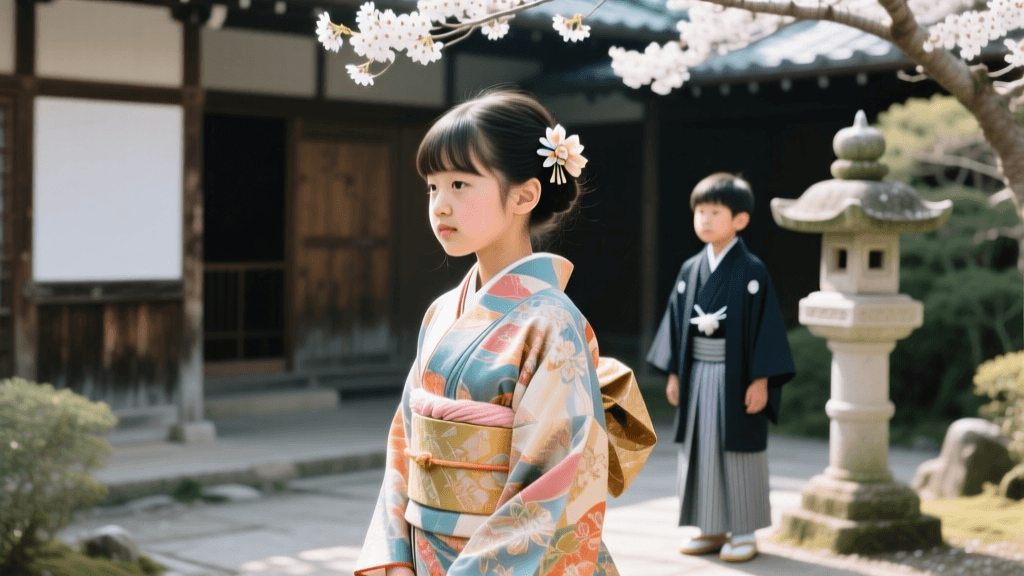
Held annually on November 15th (though practically celebrated on weekends throughout October and November), Shichi-Go-San is a rite of passage for three- and seven-year-old girls, and three- and five-year-old boys. Historically, infant mortality rates in Japan were high. Reaching these specific ages was considered a miracle, prompting families to visit Shinto shrines to give thanks and pray for continued health.
According to Japan Guide's comprehensive overview of Shichi-Go-San, the festival also marks specific developmental milestones: the first time a child's hair is allowed to grow out (age 3), the first time a boy wears a hakama (age 5), and the first time a girl wears a traditional folded obi belt instead of a simple cord (age 7).
Garments and Accessories by Age
The clothing worn during Shichi-Go-San is highly specific. Children's kimono are constructed with deep tucks at the waist and shoulders, allowing the garment to be let out as the child grows.
| Age | Gender | Primary Garment | Key Accessories | Avg. Rental Cost |
|---|---|---|---|---|
| 3 | Girls | Kimono with Hifu (padded vest) | Zori sandals, Kanzashi (hair ornaments) | ¥10,000 - ¥15,000 |
| 3 | Boys | Kimono with Hifu or Haori | Zori, Hakama (optional) | ¥8,000 - ¥12,000 |
| 5 | Boys | Montsuki Kimono & Hakama | Haori jacket, Ogi (folding fan) | ¥12,000 - ¥18,000 |
| 7 | Girls | Yuzen-dyed Kimono | Maru/Kaku Obi, Shigoki (red sash) | ¥15,000 - ¥25,000 |
The Age 7 Obitoki Transition
The most complex children's garment is the seven-year-old girl's kimono. Unlike the three-year-old's outfit, which uses a soft, cord-like tsuke-obi (pre-tied belt) and a fluffy hifu vest to hide the knot, the seven-year-old wears a full-length kimono with a real, folded obi. This is known as obitoki. A decorative red silk sash called a shigoki is tied around the waist to manage the excess fabric, and a small hakoseko (decorative pocket) is tucked into the front of the obi.
Seijin-shiki: The Transition to Adulthood
Held on the second Monday of January, Seijin-shiki celebrates young adults who have reached the age of majority. While Japan legally lowered the age of adulthood to 18 in April 2022, the traditional Coming-of-Age ceremonies and the wearing of milestone formalwear remain firmly anchored at age 20. This is largely because 20 is the legal age for drinking and smoking, and the event serves as a massive cultural homecoming for university students and young professionals.
As detailed in traditions surrounding Coming-of-Age Day, the sartorial choices for this day are among the most expensive and elaborate in a Japanese citizen's life.
The Furisode: A Young Woman’s Canvas
Unmarried young women celebrate Seijin-shiki by wearing a furisode, a highly formal silk kimono characterized by its dramatically long, swinging sleeves. The length of the sleeve dictates the formality and the specific sub-type of the garment:
- Oh-furisode (Large Furisode): Sleeves measure approximately 114 cm. This is the most formal tier, often worn by brides or at the most prestigious coming-of-age events.
- Chu-furisode (Medium Furisode): Sleeves measure around 100 cm. This is the most common and practical choice for Seijin-shiki, offering a balance of visual impact and mobility.
- Ko-furisode (Small Furisode): Sleeves measure about 85 cm. Rarely seen today for this specific event, but historically relevant.
The textiles are masterpieces of Japanese dyeing. Most modern furisode utilize Yuzen (resist dyeing with intricate, painterly motifs) or Kanoko Shibori (meticulous hand-tied tie-dye that creates fawn-spot patterns). Because the motifs often sweep continuously across the seams, the kimono must be hand-painted after the fabric is cut and basted together.
Men’s Formalwear: Montsuki Hakama
While many young men today opt for Western business suits, traditionalists wear the Montsuki Hakama. This ensemble consists of a solid black silk kimono bearing five family crests (mon), paired with a stiff, pleated hakama (divided skirt) and a black silk haori (jacket). The ensemble is anchored by white tabi socks and woven straw setta sandals. The styling is austere, relying on the pristine quality of the silk and the precision of the family crests for its visual authority.
Renting vs. Buying: A Cost and Convenience Comparison
For families and young adults, the decision to rent or buy milestone kimono is a major financial consideration. Furisode, in particular, require extensive maintenance, making renting the dominant choice for modern consumers.
| Factor | Renting (Shichi-Go-San / Seijin-shiki) | Purchasing (Bespoke or Retail) |
|---|---|---|
| Cost (Furisode) | ¥50,000 - ¥150,000 ($350 - $1,000) | ¥300,000 - ¥1,000,000+ ($2,000 - $7,000+) |
| Inclusions | Often includes dressing (kitsuke), hair styling, and photography. | Garment only. Accessories and dressing must be sourced separately. |
| Timeline | Book 6-12 months in advance for January dates. | Custom dyeing and tailoring takes 3-6 months. |
| Maintenance | None. Return as-is (most salons handle basic cleaning). | Requires professional kimono cleaning (arai-hari) and proper storage. |
Actionable Booking Advice
If you are planning for Seijin-shiki, you must book your salon package by the spring of the preceding year. Popular kimono salons in major cities like Tokyo and Kyoto run out of premium furisode inventory by early summer. When booking, verify that the package includes kitsuke (professional dressing), as dressing a furisode requires specialized knowledge of padding, date-jime (tying cords), and obi sculpting that takes a professional 30 to 45 minutes to execute.
Essential Dressing Etiquette and Rules
Whether dealing with a child's Shichi-Go-San ensemble or an adult's furisode, strict rules of etiquette apply to the wearing of traditional Japanese garments.
The Golden Rule: Left Over Right
The most critical rule in kimono dressing is the overlap of the collar. The left side of the kimono must always wrap over the right side. Wrapping right-over-left is strictly reserved for dressing the deceased for burial. This rule applies universally, regardless of gender or age.
Collar Alignment (Kohaku)
For women and girls, the back of the collar should be pulled down slightly to expose the nape of the neck. This gap, known as nuke, is considered a focal point of elegance in Japanese aesthetics. The amount of exposure varies; a furisode worn for Seijin-shiki will feature a deeper, more dramatic nuke compared to the modest collar of a child's Shichi-Go-San kimono.
Footwear and Posture
Both children and adults will wear zori (flat, formal sandals) with white tabi (split-toe socks). When walking, the wearer must take small, sliding steps to prevent the hem of the kimono from kicking up and to maintain the structural integrity of the obi knot. Sitting requires careful folding of the sleeves and smoothing of the skirt to avoid deep creases in the silk.
The transition from the padded, forgiving hifu of a three-year-old to the structured, demanding furisode of a twenty-year-old perfectly mirrors the Japanese cultural journey from protected childhood to the structured responsibilities of adulthood.
Conclusion
The traditions of Shichi-Go-San and Seijin-shiki are not merely photo opportunities; they are profound cultural anchors that connect modern Japanese youth to centuries of textile artistry and social philosophy. Understanding the specific garments, the financial realities of renting versus buying, and the strict etiquette of the dressing room allows participants to engage with these milestones respectfully and authentically. Whether you are a parent preparing for a shrine visit in November, or a young adult selecting your first furisode, honoring these sartorial rules ensures the survival of Japan's most beautiful living traditions.