Authentic Banarasi Silk Sari Online Shopping: 2026 Market Guide
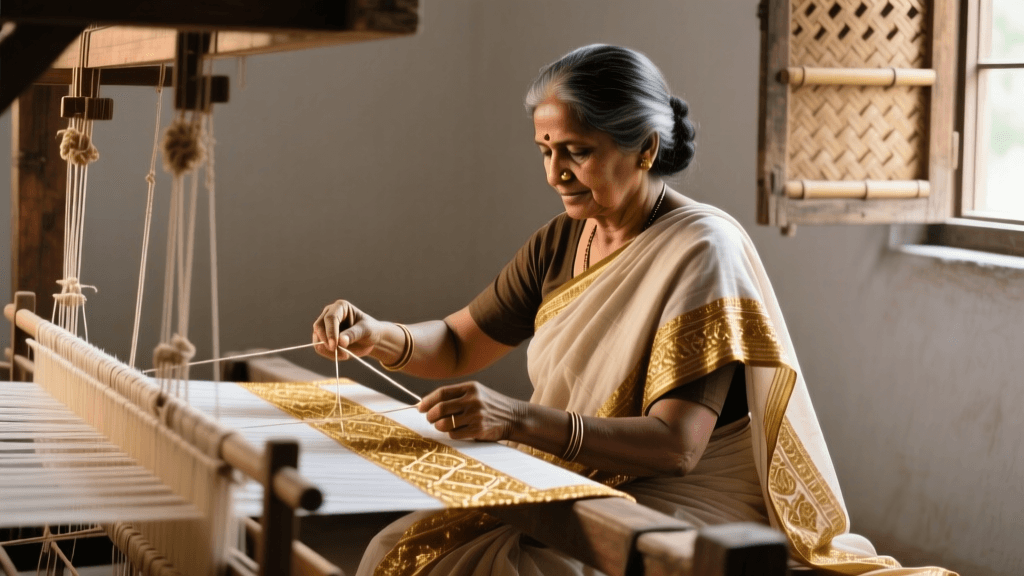
The Shift to Direct-to-Consumer Handloom Marketplaces in 2026
The Banarasi silk sari is widely considered the crown jewel of South Asian traditional garments, renowned for its opulent gold and silver zari work, intricate motifs, and heavy silk base. Historically, purchasing an authentic handwoven Banarasi sari required a physical trip to the bustling alleys of Varanasi, Uttar Pradesh, to negotiate directly with master weavers and local merchants. However, as of 2026, the landscape of traditional garment shopping has undergone a digital renaissance. A new wave of specialized online marketplaces and weaver cooperative portals now allows global consumers to source authentic, Geographical Indication (GI) certified Banarasi silk saris directly from the pit looms of artisan communities.
This shift has not only empowered local weavers by cutting out exploitative middlemen but has also provided international buyers with unprecedented transparency. In this comprehensive 2026 guide, we explore the most trusted online platforms for purchasing Banarasi silk, how to verify digital handloom certifications, and the critical nuances of selecting the right weave for your ceremonial wardrobe.
Top Trusted Online Marketplaces for Direct Weaver Sourcing
When shopping for heritage textiles online, avoiding mass-market fast-fashion replicas is paramount. The following platforms have established themselves in 2026 as the gold standard for authentic, ethically sourced Banarasi handloom garments:
1. Tilfi
Tilfi has revolutionized the direct-to-consumer handloom space by partnering exclusively with award-winning master weavers in Varanasi. Their 2026 platform features high-resolution macro photography that allows buyers to inspect the interlocking warp and weft threads of the zari work. Tilfi is particularly famous for its authentic Katan silk and Jangla motifs, providing detailed artisan profiles and estimated weaving times for each piece.
2. HolyWeavers
Operating as a massive digital cooperative, HolyWeavers aggregates inventory from hundreds of independent weaving families. Their platform is highly regarded for offering a vast spectrum of price points, from accessible Cutwork Banarasi saris to museum-quality Tanchoi pieces. In 2026, they introduced a live-loom streaming feature, allowing buyers to watch their custom-commissioned sari being woven in real-time.
3. Government Handloom Emporiums (Digital Portals)
The Ministry of Textiles has heavily upgraded its digital infrastructure. State-run emporiums and the central Ministry of Textiles, Government of India portal now feature verified cooperative storefronts. Buying through these government-backed channels ensures that 100% of the proceeds support the weaver communities and that every garment carries the official Handloom Mark.
Decoding Certifications: The 2026 Digital Silk Mark and GI Tags
The proliferation of powerloom replicas has made authentication a critical skill for the online shopper. In 2026, physical tags have been augmented by blockchain-backed digital verification systems. When shopping online, you must look for two primary certifications:
- The Silk Mark: Administered by the Silk Mark Organisation of India, this certification guarantees that the base fabric is 100% pure natural silk. In 2026, authentic Silk Mark tags include a scannable QR code that reveals the specific testing batch and laboratory details.
- The Geographical Indication (GI) Tag: Banarasi brocade and saris are protected under the Intellectual Property India GI Registry. A genuine GI tag ensures the sari was woven within the designated geographic clusters of Varanasi and surrounding districts using traditional techniques. Reputable online marketplaces will display the weaver's GI registration number on the product page.
- The Handloom Mark: This mark certifies that the garment was woven on a traditional handloom, distinguishing it from powerloom or jacquard machine-made textiles.
Understanding Traditional Banarasi Weave Techniques
To shop intelligently, one must understand the distinct weaving techniques that dictate the price, drape, and occasion for a Banarasi sari. Online marketplaces typically categorize their inventory by these traditional weave types:
Katan Silk
Katan is the purest form of Banarasi silk, created by twisting together multiple silk filaments to form a durable, lustrous yarn. Katan saris are heavy, hold their shape impeccably, and are the preferred choice for bridal wear and major ceremonial events. When browsing online, look for terms like Katan Butidar (featuring small, repeating floral motifs across the entire body).
Tanchoi
Tanchoi is a marvel of textile engineering, woven with a single or double warp and multiple colored wefts. The defining characteristic of a true Tanchoi sari is that the intricate patterns (often paisleys or floral vines) are created entirely through the weaving process, with no loose threads or extra weft on the reverse side. The back of a Tanchoi sari is as clean as the front, making it highly prized and easily verifiable via the reverse-side photos provided by premium 2026 marketplaces.
Jangla
One of the oldest and most time-consuming Banarasi weaves, Jangla features dense, sprawling vegetative motifs and intricate jal (net) patterns. A pure handwoven Jangla sari can take two to three artisans several months to complete, which is reflected in its premium pricing on cooperative platforms.
Cutwork (Katraua)
Cutwork Banarasi saris offer a more accessible entry point into handloom ownership. The motifs are woven with extra weft threads that are subsequently cut and cleaned at the back. While less expensive than Tanchoi or Jangla, authentic handloom Cutwork still possesses a distinct texture and charm that powerloom versions fail to replicate.
Price and Value Comparison: 2026 Market Rates
Understanding the baseline costs of authentic handloom garments is your best defense against counterfeit listings. The table below outlines the expected 2026 market rates for genuine Banarasi silk saris sourced directly from weaver cooperatives versus mass-market powerloom alternatives.
| Garment Type & Weave | Weaving Time | Direct Weaver Price (2026) | Powerloom Replica Price | Key Identifying Feature |
|---|---|---|---|---|
| Pure Katan Butidar | 15 - 30 Days | $450 - $800 | $40 - $90 | Subtle irregularities in motif alignment; rich silk sheen. |
| Tanchoi (Heavy Zari) | 45 - 90 Days | $900 - $2,500 | $120 - $200 | Clean reverse side with no floating threads or cut marks. |
| Jangla (Bridal) | 2 - 4 Months | $1,500 - $4,000+ | $150 - $300 | Dense, raised texture; real silver/gold tested zari. |
| Handloom Cutwork | 7 - 14 Days | $150 - $350 | $25 - $50 | Small, neatly trimmed thread snips visible on the reverse. |
Note: Prices are approximate and vary based on the purity of the zari (tested vs. untested) and the complexity of the border design.
How to Spot Powerloom Fakes Online
Despite stricter regulations, powerloom replicas flooded with synthetic yarns and metallic plastic threads still permeate general e-commerce sites. Here is how to identify fakes when shopping on digital marketplaces in 2026:
- The Perfection Trap: Handloom weaving is a human endeavor. If the product photos show mathematically perfect, pixel-like uniformity in the motifs, it is likely a jacquard powerloom product. Handlooms feature microscopic, organic variations in the warp tension.
- Zari Quality: Authentic Banarasi zari is traditionally made by wrapping silk yarn with flattened silver wire, which is then electroplated in gold. Powerlooms use synthetic cores wrapped in metallic plastic. Request macro photos of the zari edge; real zari has a softer, warmer luster, whereas plastic zari appears overly shiny and rigid.
- The Drape and Weight: A genuine Katan silk sari has a distinct, heavy drape that molds to the body. Product descriptions that use terms like 'lightweight,' 'breezy,' or 'easy-to-manage' for a heavily zari-worked Banarasi sari are immediate red flags for synthetic blends.
Navigating Customization: Blouse Pieces and Fall Stitching
When purchasing a traditional sari online, it is vital to understand what is included in the package. A standard Banarasi sari measures between 5.5 to 6.5 meters in length and includes an attached 'running blouse' piece (usually 0.8 to 1 meter of matching fabric at the end of the pallu).
In 2026, premier online marketplaces offer value-added tailoring services to bridge the gap between digital shopping and physical boutique experiences:
- Fall and Pico Edging: The 'fall' is a heavy cotton strip stitched to the inner bottom hem to help the sari drape correctly and protect the delicate silk from shoe friction. 'Pico' is a fine hemming stitch applied to the top and bottom edges. Always opt for marketplaces that offer professional fall attachment and pico edging before shipping.
- Custom Blouse Stitching: Many platforms now integrate AI-driven sizing tools. By uploading three basic measurements, the cooperative's tailors will stitch the running blouse piece into a customized, fully lined blouse with traditional hook-and-eye closures, saving you the hassle of finding a specialized tailor locally.
Post-Purchase Care for Handloom Silk and Zari
Investing in an authentic Banarasi sari requires a commitment to proper textile preservation. The natural silk fibers and metallic zari are highly sensitive to moisture, light, and improper folding.
- Cleaning: Never hand-wash or machine-wash a heavily zari-worked Banarasi sari. Always rely on professional dry cleaning, specifically requesting a mild solvent that will not strip the natural sericin from the silk or tarnish the zari.
- Storage: Store your sari in a cool, dark, and well-ventilated space. Wrap the garment in unbleached, pure cotton muslin cloth (often provided by premium 2026 marketplaces). Avoid plastic garment bags, which trap humidity and cause the silver content in the zari to oxidize and turn black.
- Refolding: To prevent permanent crease damage and fiber breakage along the fold lines, remove the sari from storage every three to four months and refold it along different axes.
Conclusion
The 2026 digital marketplace has finally bridged the geographical divide between the master weavers of Varanasi and the global connoisseur of Asian traditional garments. By prioritizing platforms that champion weaver cooperatives, rigorously checking for Silk Mark and GI certifications, and understanding the profound technical differences between handloom weaves, you can confidently curate a collection of authentic Banarasi silk saris. Each purchase not only elevates your ceremonial wardrobe but also plays a vital role in sustaining a centuries-old intangible cultural heritage for the next generation of artisans.