Preserving Vintage Silk Kimonos: Shimi Stain Care & Storage 2026
The Evolution of Kimono Preservation in 2026
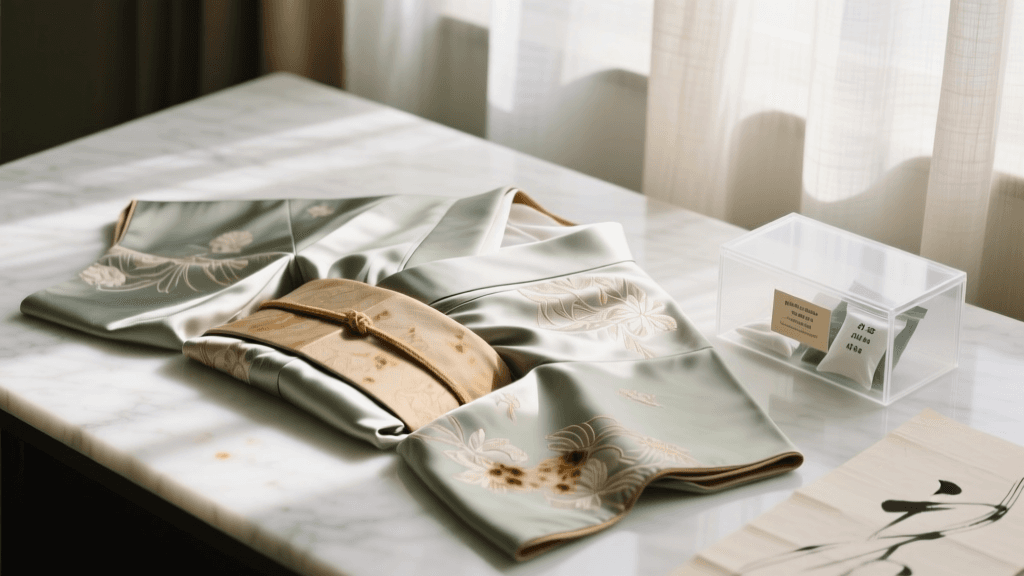
Preserving vintage silk kimonos is an intricate dance between honoring traditional Japanese garment care and embracing modern conservation science. As we navigate the shifting climate patterns of 2026, textile collectors and cultural heritage enthusiasts face new challenges in maintaining the structural integrity and vibrant aesthetics of these historic garments. Extreme fluctuations in seasonal humidity and rising global temperatures have made the traditional rules of kimono storage less reliable, demanding a more rigorous, data-driven approach to preservation.
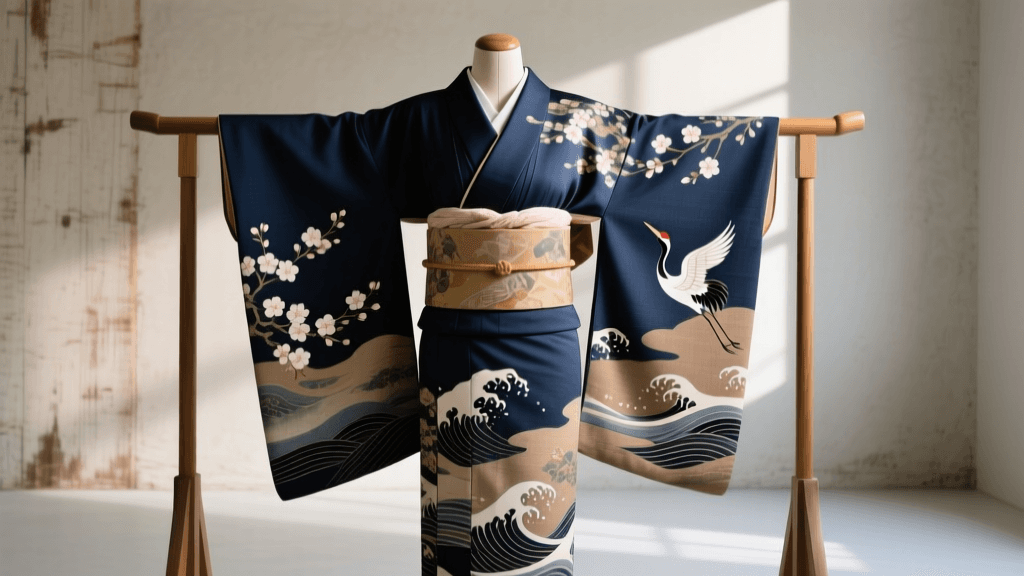
Whether you are safeguarding a Meiji-era uchikake (wedding kimono), a Taisho-era ro (summer silk gauze), or a mid-Showa Yuzen-dyed piece, the fundamental enemies remain the same: light, pests, moisture, and chemical degradation. However, the tools and methodologies available to collectors in 2026 offer unprecedented control over micro-climates and stain remediation. This comprehensive guide explores the latest standards in Asian garment care, focusing specifically on the mitigation of shimi (age stains) and the implementation of modern archival storage systems.
Understanding Shimi: The Chemistry of Silk Degradation
In the realm of Japanese textile conservation, shimi refers to the yellowish-brown age spots that frequently appear on vintage silk garments. To effectively treat and prevent these blemishes, one must understand their chemical origins. Silk is a natural protein fiber composed primarily of fibroin and sericin. Over decades, the amino acids within these proteins undergo oxidation, particularly when exposed to trace moisture, airborne pollutants, and residual organic compounds from the original dyeing process.
Furthermore, vintage kimonos were often sized or stiffened with natural starches and plant-based glues. As these organic sizing agents break down over time, they caramelize and migrate to the surface of the silk, manifesting as stubborn shimi. According to the American Institute for Conservation, protein-based textiles like silk are highly susceptible to hydrolytic degradation when stored in environments where relative humidity (RH) frequently cycles above 60%. In 2026, conservation-grade enzymatic gels have become the standard for safely breaking down these oxidized proteins without damaging the delicate fibroin structure or the surrounding Yuzen dyes.
Professional Restoration vs. At-Home Spot Treatment
When confronting shimi on a valuable vintage kimono, the first rule of modern preservation is restraint. The DIY stain removal methods popularized in the early 2010s—such as using diluted hydrogen peroxide or harsh alkaline solutions—are now universally condemned by textile conservators due to the long-term fiber embrittlement they cause.
The Traditional Arai-Hari Method
For garments with widespread staining or structural soiling, the traditional arai-hari method remains the gold standard. This involves carefully unpicking the kimono's seams to return it to its original flat, bolt-like state (tanmono). The individual panels are then lightly stretched on wooden boards and washed using specialized, pH-neutral soapberry (mukuroji) solutions. In 2026, master arai-hari artisans in Kyoto and Tokyo utilize ultrasonic agitation tanks to dislodge particulate soil from the weave without subjecting the fragile silk to mechanical friction.
Modern Spot-Cleaning and Enzymatic Gels
For localized shimi, full disassembly is rarely necessary. Professional conservators now employ localized enzymatic treatments. By applying a conservation-grade amylase or protease gel directly to the stain, the targeted organic compounds are gently digested and lifted. The Victoria and Albert Museum emphasizes that any localized wet-cleaning on silk must be followed by immediate, controlled drying to prevent the formation of watermarks, which occur when moisture pushes dissolved dyes and sizing agents to the edges of the damp area.
Archival Storage: Blending Tradition with Modern Science
How a kimono is stored dictates its lifespan. The traditional Japanese method involves wrapping the folded garment in tatoushi (specially sized paper envelopes) and storing it inside a kiribako (a chest made of Paulownia wood). While culturally significant and historically effective, these methods require augmentation to meet the stringent archival standards of 2026.
Paulownia wood is naturally hygroscopic, meaning it absorbs and releases moisture to buffer the interior environment. However, in highly humid climates, a wooden chest can eventually become a reservoir for mold spores. Modern preservation strategies blend the aesthetic and cultural value of the kiribako with inert, synthetic archival materials.
Storage Material Comparison
| Material | Traditional Use | 2026 Archival Recommendation | Pros & Cons |
|---|---|---|---|
| Tatoushi (Paper) | Standard wrapping paper for folded kimonos. | Replace with Acid-Free, Lignin-Free Buffered Tissue or Tyvek sleeves. | Pros: Inert, prevents acid migration. Cons: Lacks the cultural aesthetic of traditional paper. |
| Kiribako (Paulownia) | Primary storage chest for silk garments. | Use as an outer shell; line interior with Marvelseal or use archival corrugated plastic boxes inside. | Pros: Beautiful, buffers minor RH changes. Cons: Can harbor pests or mold if not monitored. |
| Mothballs (Camphor) | Pest deterrent placed in storage drawers. | Eliminate entirely. Use frozen anoxic treatments for pest eradication and sealed enclosures for prevention. | Pros: N/A (Banned in modern conservation). Cons: Sublimates into silk, causing yellowing and fiber damage. |
| Silica Gel | Rarely used historically in domestic settings. | Use pre-conditioned Art-Sorb or Prosorb silica cassettes to maintain exactly 50% RH. | Pros: Precise humidity control. Cons: Requires biannual reconditioning. |
The Modernized Mushiboshi (Airing Out) Ritual
Traditionally, Japanese collectors perform mushiboshi (airing out) during the dry, crisp days of late autumn and early winter. The garments are unfolded, draped over bamboo poles, and allowed to breathe, dispelling trapped moisture and odors. In 2026, relying solely on the calendar is a risky proposition due to unpredictable micro-weather events and unseasonal humidity spikes.
Modern mushiboshi is driven by data rather than the season. Collectors now utilize networked smart hygrometers placed directly inside their kiribako or storage closets. When the internal RH exceeds 55% for more than 48 hours, an alert is triggered to initiate the airing process. During the airing, garments must be kept out of direct sunlight. According to the Metropolitan Museum of Art Textile Conservation department, even brief exposure to unfiltered UV and high-intensity visible light can cause irreversible photochemical fading in vintage natural dyes, particularly the delicate safflower reds (benibana) and plant-based purples common in Edo and Meiji textiles.
Step-by-Step 2026 Airing Protocol
- Check Environmental Data: Ensure the room's ambient RH is between 45% and 50%, and the temperature is a stable 18-20°C (64-68°F).
- Prepare the Space: Lay out clean, unbleached cotton sheets on a flat surface. Ensure windows are closed to prevent the ingress of airborne pollutants and particulate matter.
- Unfold and Inspect: Gently unfold the kimono. Inspect the lining and the underarm areas (where sweat and modern deodorant residues often accumulate) for new shimi or signs of webbing from textile pests.
- Rest and Rotate: Allow the garment to rest flat for 24 hours. This relieves the stress on the silk fibers caused by long-term folding along the exact same crease lines, preventing permanent fiber fracture.
- Refold with Archival Buffers: When returning the kimono to storage, place rolled tubes of acid-free tissue paper along the major fold lines. This increases the radius of the fold, significantly reducing mechanical stress on the silk weave.
Smart Climate Monitoring for Textile Collectors
The integration of Internet of Things (IoT) technology into textile preservation has revolutionized how private collectors manage their Asian garment archives. In 2026, museum-grade environmental monitoring is accessible to the public. Wireless data loggers can track temperature, relative humidity, and even lux (light exposure) levels in real-time, uploading the data to cloud-based dashboards.
For collectors storing highly sensitive pieces, such as gold-leaf embroidered Noh costumes or fragile Edo-period kosode, investing in a climate-controlled micro-environment cabinet is highly recommended. These units utilize Peltier cooling and desiccant wheel dehumidification to maintain an unwavering 50% RH, entirely independent of the room's ambient climate. While the initial investment is significant, it is a fraction of the cost of professional restoration for a garment ruined by mold or advanced hydrolytic degradation.
Conclusion: Stewardship for the Next Generation
Caring for vintage silk kimonos is an act of cultural stewardship. The garments are not merely articles of clothing; they are woven canvases that reflect the artistic, social, and technological zeitgeist of their respective eras. By abandoning outdated, potentially harmful home remedies for shimi and embracing the rigorous, science-backed archival storage methods available in 2026, collectors can ensure that these magnificent examples of Asian textile heritage survive to educate and inspire future generations. Always consult with a certified textile conservator before attempting any invasive cleaning or repair on a historic garment, and prioritize environmental stability above all else in your preservation strategy.