Authentic Saenghwal Hanbok Online Shopping: 2026 Guide
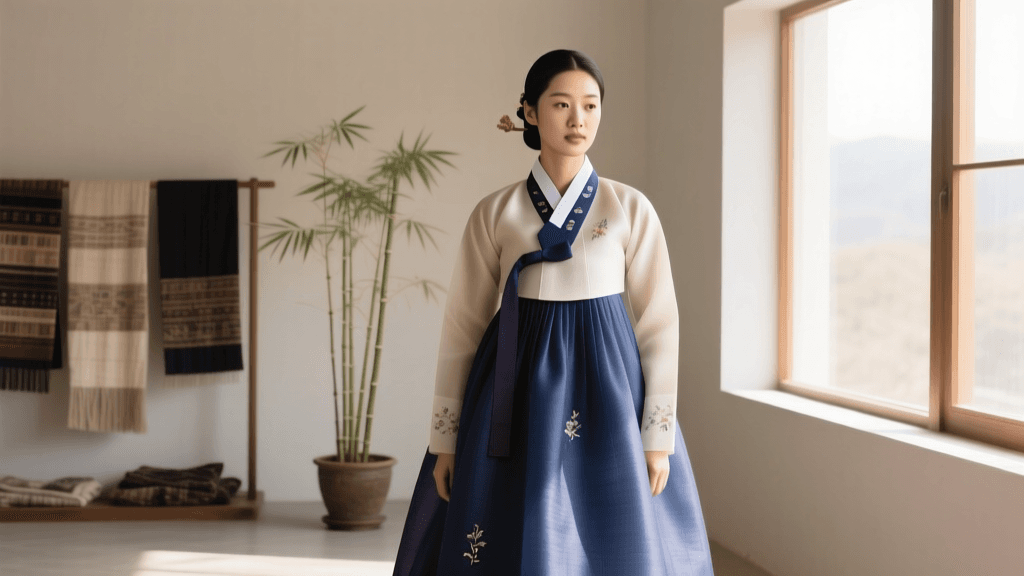
The global appreciation for Korean culture has propelled traditional garments into the international mainstream, but the surge in demand has also created a highly saturated and often confusing online marketplace. As we navigate the fashion landscape of 2026, the distinction between authentic, artisan-crafted garments and mass-produced, fast-fashion costumes has never been more critical. For enthusiasts and cultural practitioners alike, sourcing genuine saenghwal hanbok (everyday, modernized hanbok designed for daily wear) requires a strategic approach to online shopping.
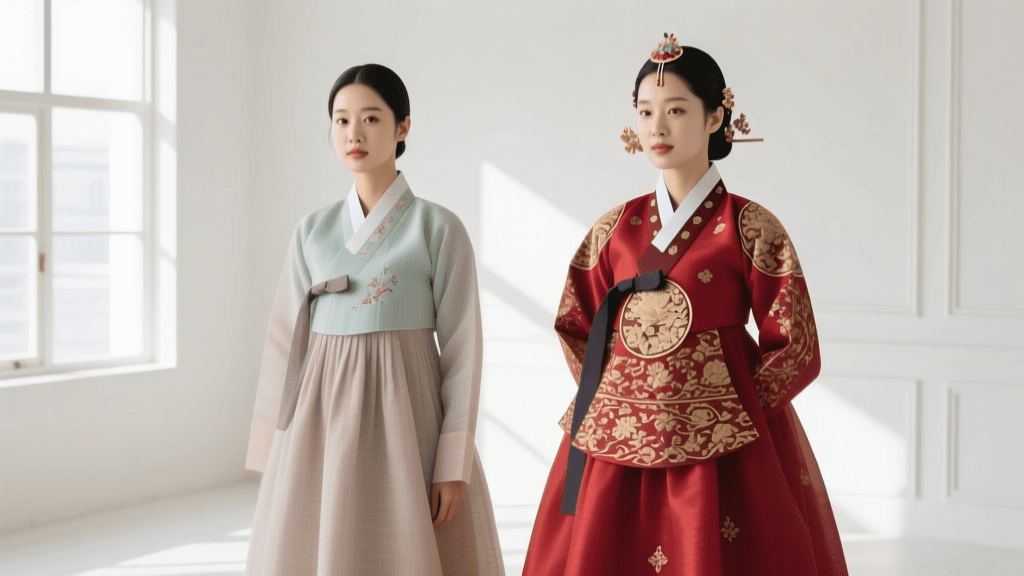
Unlike ceremonial hanbok, which is heavily structured and often rented for specific events, saenghwal hanbok bridges the gap between historical elegance and modern practicality. These garments feature simplified silhouettes, machine-washable fabrics, and versatile styling options that allow them to be paired with contemporary wardrobes. However, finding authentic makers outside of South Korea can be challenging. This comprehensive 2026 guide will walk you through the best online marketplaces, how to verify authenticity, and the logistics of importing genuine Korean craftsmanship to your doorstep.
The 2026 Landscape of Online Hanbok Marketplaces
The digital storefronts for traditional Asian garments have evolved significantly. In 2026, global buyers primarily rely on three distinct tiers of online marketplaces to source saenghwal hanbok, each with its own set of advantages, price points, and authenticity risks.
| Marketplace Tier | Examples | Authenticity Risk | Average Price (USD) | Best For |
|---|---|---|---|---|
| Domestic Korean Platforms | Naver Smart Store, Musinsa | Zero (Direct from Makers) | $80 - $250 | Purists seeking the latest domestic trends |
| Global Artisan Platforms | Etsy, Pinkoi | Low to Medium | $120 - $350 | Buyers wanting direct communication with makers |
| Mass-Market Dropshippers | AliExpress, Temu, Amazon | Extremely High | $25 - $60 | Costume use only (Not recommended for authentic wear) |
According to cultural insights published by the Korean Culture and Information Service, the export of modernized traditional garments has seen a steady year-over-year increase, driven largely by independent designers utilizing global platforms like Etsy and Pinkoi. However, the highest quality and most culturally accurate pieces remain heavily concentrated on domestic Korean platforms like Naver Smart Store, which requires a bit more logistical effort for international buyers.
Anatomy and Fabrics: What Makes Saenghwal Hanbok Authentic?
Before adding an item to your cart, it is essential to understand the anatomical markers of authentic saenghwal hanbok. Even in its modernized 2026 iterations, genuine everyday hanbok respects the foundational architecture of the traditional dress.
The Jeogori (Jacket) Construction
An authentic modern jeogori will still feature a git (collar band) and a dongjeong (the removable, stiff white paper or fabric collar that frames the face). While fast-fashion replicas often print a white line onto a colored collar or omit the dongjeong entirely, genuine makers include a properly structured, detachable dongjeong. Furthermore, the goreum (coat ties) on authentic pieces are cut on the bias or with specific grain alignments to ensure they tie flat and drape elegantly, rather than twisting awkwardly as cheap polyester ribbons do.
The Chima (Skirt) and Silhouette
Modern saenghwal chima often feature a slightly higher waistline than historical versions, sitting just below the bust to accommodate modern blouses underneath. Authentic makers use high-grade cotton blends, washed ramie (mosi), or matte-finish silks. In 2026, there is a massive trend toward eco-friendly Tencel and organic linen blends, which offer the breathability required for summer wear while maintaining the volumetric drape essential to the hanbok silhouette.
How to Spot Authentic Makers vs. Fast-Fashion Dropshippers
The proliferation of AI-generated product images and automated dropshipping has made it harder to identify genuine Korean ateliers. Here are the primary red flags and green lights to look for when shopping online in 2026:
- Green Light (Fabric Transparency): Authentic brands list exact fabric compositions (e.g., '55% Ramie, 45% Cotton') and provide care instructions specific to natural fibers. Dropshippers vaguely list 'cotton blend' or 'polyester'.
- Green Light (Sizing Nuance): Genuine Korean makers use the domestic sizing system (44, 55, 66, 77) and provide detailed flat-lay garment measurements in centimeters, acknowledging that hanbok requires specific ease for movement.
- Red Flag (The 'One-Size' Myth): Hanbok is highly dependent on shoulder width and bust-to-waist ratios. Any listing advertising 'One Size Fits All' for a full hanbok set is almost certainly a mass-produced costume.
- Red Flag (Anachronistic Closures): While some modern fusion hanbok use hidden hooks, authentic saenghwal hanbok relies on ties or fabric-covered buttons. Visible plastic zippers running down the front of a jeogori or cheap metal clasps are immediate indicators of inauthentic manufacturing.
Top Authentic Saenghwal Hanbok Brands to Shop in 2026
If you are looking to invest in high-quality, everyday hanbok, these three South Korean brands have established reliable online presences and international shipping capabilities (or forwarder-friendly policies) as of 2026.
1. Guiroe (귀로에)
Guiroe is arguably the pioneer of the modern 'wash-and-wear' hanbok movement. Their 2026 spring and summer collections feature incredibly lightweight, wrinkle-resistant fabrics that mimic the look of traditional silk but can be tossed into a washing machine on a gentle cycle. Their signature pleated chimas and minimalist jeogori are perfect for office wear or casual travel. Expect to pay around $110 USD for a skirt and $85 USD for a top.
2. Sonjjang Hanbok (선장한복)
While Sonjjang is deeply rooted in traditional and ceremonial tailoring, their 'Daily Sonjjang' line offers exquisite saenghwal pieces. They are renowned for their mastery of color theory, utilizing traditional Korean obangsaek (five cardinal colors) in muted, contemporary palettes. Their garments are slightly more structured, making them ideal for formal dinners, gallery openings, or cultural presentations.
3. Hwaon (화온)
Hwaon represents the avant-garde edge of everyday hanbok. Their 2026 designs often blur the line between hanbok and modern minimalist fashion, featuring asymmetric hems, cropped jeogori that function as boleros, and skirts with integrated pockets. Hwaon is the brand of choice for younger demographics looking to make a subtle yet profound cultural statement in urban environments.
Sizing and Measurement Guide for Global Buyers
One of the most significant hurdles for international buyers is navigating the Korean sizing system. Korean sizes are based on a historical numbering system that roughly correlates to bust measurements but has evolved into a standardized small/medium/large equivalent. Always measure your garments flat and compare them to the brand's specific size chart, as the 'ease' (extra room for movement) built into hanbok differs from Western tailoring.
| Korean Size | US Equivalent | UK Equivalent | Bust (cm) | Waist (cm) |
|---|---|---|---|---|
| 44 | XS | 6 | 82 - 85 | 65 - 68 |
| 55 | S | 8 | 85 - 88 | 68 - 71 |
| 66 | M | 10 | 88 - 92 | 71 - 75 |
| 77 | L | 12/14 | 92 - 98 | 75 - 82 |
| 88 | XL | 16 | 98 - 105 | 82 - 88 |
Note: Saenghwal chima (skirts) typically feature adjustable side tabs or elasticized back panels, making skirt sizing much more forgiving than jeogori (jacket) sizing. Prioritize your shoulder and bust measurements when selecting your top size.
Navigating Naver Smart Store from Abroad
For the most authentic selection and domestic Korean pricing, shopping on Naver Smart Store is the gold standard. However, because many independent artisans do not offer direct international shipping, global buyers in 2026 rely on Korean freight forwarding services. The Korea Tourism Organization frequently highlights the robust infrastructure of Korean e-commerce, which includes highly efficient package forwarding.
- Create a Forwarding Account: Register with a reputable Korean freight forwarder (such as Delivered Korea or Malltail). They will provide you with a domestic Korean warehouse address.
- Shop on Naver: Use a browser extension to translate the Naver Smart Store interface. Search for terms like '생활한복' (Saenghwal Hanbok) or '개량한복' (Modernized Hanbok).
- Ship to the Warehouse: Enter your forwarder's domestic address at checkout. Domestic shipping in Korea is notoriously fast, often arriving at the warehouse within 24 to 48 hours.
- Consolidate and Forward: Once your items arrive at the warehouse, use the forwarder's dashboard to consolidate multiple brand purchases into a single international parcel, significantly reducing your global shipping costs via EMS or DHL.
Conclusion: Investing in Cultural Continuity
Shopping for authentic saenghwal hanbok online in 2026 is about more than just acquiring a beautiful garment; it is an investment in the living continuity of Korean textile arts. By bypassing mass-market dropshippers and choosing to support domestic Korean makers—whether through global artisan platforms or by utilizing freight forwarders to access Naver Smart Store—you ensure that the artisans preserving and evolving these centuries-old techniques are fairly compensated. With the right knowledge of fabrics, construction markers, and sizing, you can build a versatile, authentic everyday hanbok wardrobe that honors tradition while seamlessly integrating into your modern life.