Everyday vs Ceremonial Hanbok: 2026 Wardrobe Guide
The 2026 Hanbok Renaissance: Bridging Past and Present
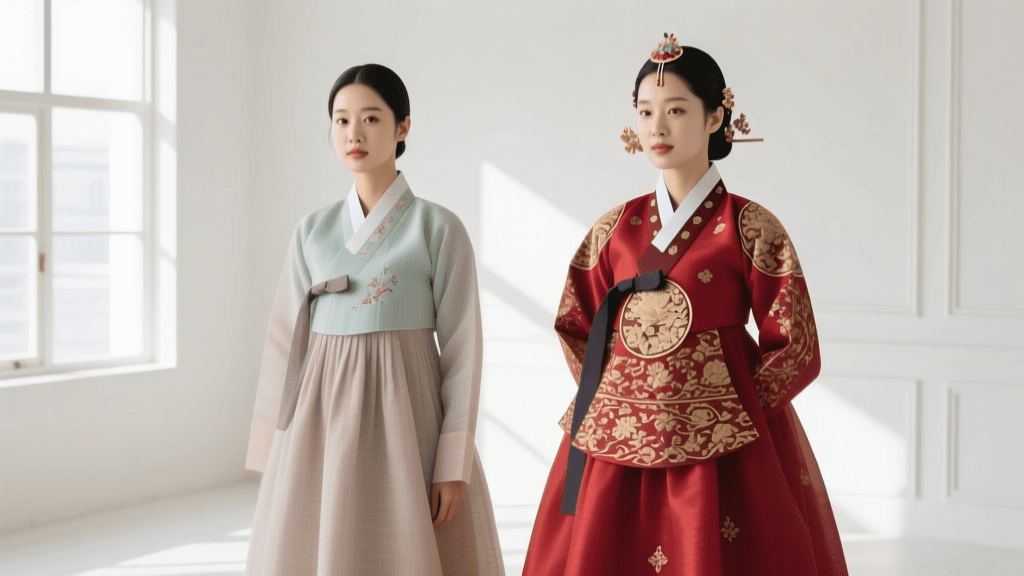
The traditional Korean garment, known as Hanbok, has experienced a massive cultural renaissance over the last decade. As we move through 2026, the Hanbok is no longer viewed merely as a historical costume relegated to museum displays or the occasional holiday photo. Instead, it has bifurcated into two distinct, highly functional categories: Saenghwal Hanbok (everyday living Hanbok) and Myeongjeol Hanbok (ceremonial and festive Hanbok). Understanding the nuanced differences between these two styles is essential for anyone looking to integrate Korean traditional dress into their modern wardrobe. According to the Encyclopedia Britannica's comprehensive overview of Hanbok, the fundamental structure of the garment—characterized by vibrant colors and simple lines without pockets—has remained remarkably consistent since the Joseon Dynasty, yet the materials and construction methods have evolved dramatically to suit contemporary lifestyles.
Saenghwal Hanbok: The Everyday Essential
Saenghwal Hanbok, which translates directly to 'living' or 'daily' Hanbok, is designed for the rigors of modern life. In 2026, the everyday Hanbok movement has matured far beyond the simplified, sometimes clunky designs of the late 20th century. Today's Saenghwal Hanbok marries the elegant silhouette of traditional Korean dress with the practicality required for commuting, working in an office, or enjoying a weekend cafe outing.
Modern Fabrics and 2026 Sustainability Trends
The most significant departure from traditional Hanbok in the Saenghwal category is the fabric. While historical garments relied heavily on delicate silks and high-maintenance ramie, modern everyday Hanbok utilizes durable, breathable, and machine-washable materials. In 2026, there is a massive surge in eco-conscious textiles. Designers are heavily favoring organic cotton-linen blends for summer wear and recycled PET (polyethylene terephthalate) silk alternatives for autumn. These fabrics mimic the beautiful drape and subtle sheen of traditional silk but can withstand the spin cycle of a modern washing machine.
Construction and Styling for Daily Life
Construction-wise, the Saenghwal Hanbok prioritizes ease of wear. The traditional chima (wrap skirt) is notoriously difficult to secure and requires precise tying to maintain its bell-like shape without slipping. The 2026 everyday chima almost universally features hidden side-zippers, elasticized waistbands, and adjustable hook-and-eye closures. Similarly, the jeogori (jacket) is often tailored with subtle darts for a more contemporary fit, and the traditional long goreum (ribbon tie) is frequently shortened, narrowed, or replaced entirely by discreet snap-buttons and internal ties for a minimalist look. For men, everyday Hanbok in 2026 often takes the form of relaxed, wide-legged baji (trousers) paired with a simple, collarless cotton tunic, blending seamlessly with modern streetwear aesthetics.
Myeongjeol Hanbok: The Ceremonial Masterpiece
Myeongjeol Hanbok refers to the formal, ceremonial garments worn during major life events and traditional holidays such as Chuseok (Korean Thanksgiving), Seollal (Lunar New Year), weddings, and Doljanchi (first birthday celebrations). This category strictly adheres to historical construction methods, layering rules, and luxurious textiles. The Metropolitan Museum of Art's Heilbrunn Timeline of Korean Art highlights how the intricate layering and use of precious silks in ceremonial dress have historically served as vital markers of social status, familial harmony, and cultural continuity.
Traditional Silk and the Art of Layering
Ceremonial Hanbok is defined by its opulent materials. High-grade Myeongju (pure silk) and intricately woven brocades are the standard. The visual impact of Myeongjeol Hanbok relies heavily on layering. For women, a formal outfit is not just a skirt and jacket; it involves the sokjeoksam (innermost slip), the main chima and jeogori, and often a magoja (a lined, collarless jacket) or a durumagi (a formal overcoat) for outdoor winter ceremonies. For men, the ceremonial ensemble is equally complex, requiring the jeogori, baji, jokki (vest), magoja, and the essential durumagi overcoat, sometimes topped with a traditional gat (horsehair hat) for groom's attire.
The Art of the Goreum and Accessories
Unlike the simplified ties of the everyday Hanbok, the ceremonial goreum is long, wide, and must be tied in a very specific, asymmetrical bow that holds deep cultural significance. The knot must be precise, with the ends falling at exact lengths to denote elegance and respect. Furthermore, Myeongjeol Hanbok is never worn without traditional accessories. A norigae (a decorative pendant featuring intricate knotwork and gemstones or jade) is tied to the goreum or the waistband of the skirt, while hair is adorned with a daenggi (traditional ribbon) or elaborate binyeo (hairpins).
2026 Comparison Chart: Saenghwal vs. Myeongjeol Hanbok
To help you navigate your purchasing decisions, here is a detailed breakdown of how everyday and ceremonial Hanbok compare across several critical metrics in the current 2026 market.
| Feature | Saenghwal (Everyday) Hanbok | Myeongjeol (Ceremonial) Hanbok |
|---|---|---|
| Primary Fabric | Cotton, linen, machine-washable poly-blends, recycled eco-silk. | Pure Myeongju (silk), silk brocade, high-grade ramie. |
| Skirt/Trouser Closure | Hidden zippers, elastic waists, velcro, adjustable hooks. | Traditional wrap-and-tie method, internal fabric ties only. |
| Ribbon (Goreum) Style | Shortened, narrowed, or replaced by hidden snaps/buttons. | Long, wide, tied in a strict traditional asymmetrical bow. |
| Layering | Minimal; usually just the base top and bottom. | Extensive; includes inner slips, vests, jackets, and overcoats. |
| Average 2026 Cost (USD) | $90 - $250 for a complete, high-quality set. | $400 - $1,200+ for custom-tailored silk ensembles. |
| Cleaning Method | Machine washable (cold, gentle cycle, mesh bag). | Professional dry cleaning specialized in delicate silks only. |
| Primary Occasions | Daily wear, casual dining, travel, modern workplace. | Weddings, Chuseok, Seollal, formal ancestral rites, galas. |
Building Your 2026 Hanbok Wardrobe: Actionable Advice
If you are looking to invest in Hanbok this year, it is crucial to approach your wardrobe strategically. Jumping straight into a highly expensive ceremonial piece without understanding your personal styling preferences can lead to buyer's remorse.
Step 1: Start with a Versatile Saenghwal Set
Your first purchase should be a high-quality Saenghwal Hanbok. For women, opt for a neutral-colored chima (such as charcoal, navy, or deep forest green) paired with a lighter, contrasting jeogori (like ivory or soft blush). This allows you to mix and match the skirt with modern blouses, or the top with contemporary trousers. For men, a pair of well-tailored, wide-legged black or navy baji paired with a crisp, white cotton jeogori offers incredible versatility. Expect to spend around $150 USD for a reputable, ethically made set from modern online boutiques or specialized designers in Seoul's Insadong district.
Step 2: Invest in Custom Ceremonial Wear
Once you have integrated everyday Hanbok into your life and understand your preferred fit and color palette, you are ready for Myeongjeol Hanbok. Because ceremonial Hanbok relies on the flawless drape of silk and precise layering, off-the-rack purchases are rarely sufficient. In 2026, the best approach is to visit the Hanbok tailors of Gwangjang Market in Seoul or book a virtual consultation with master tailors who cater to the international diaspora. A custom silk set ensures the goreum falls perfectly and the chima achieves the correct volumetric bell shape without overwhelming your frame.
Step 3: Curate Your Accessories
Do not neglect the accessories. A beautiful ceremonial Hanbok can look incomplete without the proper finishing touches. Allocate at least $50 to $100 USD of your budget for a high-quality norigae. In 2026, contemporary artisans are creating norigae that feature modern geometric jade carvings and metallic knotwork, bridging the gap between antique aesthetics and modern minimalist tastes.
Care and Maintenance for Longevity
The longevity of your garments depends entirely on respecting the differences in their construction. Saenghwal Hanbok is designed for independence; wash your cotton and poly-blend sets in a mesh laundry bag on a cold, delicate cycle, and hang them to dry to prevent heat damage to hidden zippers and elastic waists. Iron on a low setting if necessary. Myeongjeol Hanbok, however, demands strict professional care. Never attempt to spot-clean pure silk with water, as it will leave permanent watermarks. After wearing your ceremonial Hanbok, air it out in a shaded, well-ventilated area for 24 hours before returning it to a breathable cotton garment bag. Always seek out a dry cleaner who explicitly advertises expertise in traditional and bridal silks.
Conclusion
The divide between Saenghwal and Myeongjeol Hanbok in 2026 is not a dilution of tradition, but rather a testament to its survival and adaptability. By understanding the distinct purposes, fabrics, and construction methods of everyday versus ceremonial garments, you can build a wardrobe that honors Korean heritage while seamlessly supporting your modern lifestyle. Whether you are commuting to the office in a breathable cotton wrap-skirt or celebrating the Lunar New Year in layers of hand-woven silk, the Hanbok remains a profound, living expression of cultural identity.