Best Hanfu Fabrics For Qigong & Meditation In 2026
The Intersection of Hanfu and Mindfulness in 2026
As the global wellness industry evolves in 2026, a profound shift toward 'sartorial mindfulness' has taken root among practitioners of traditional Chinese arts. No longer confined to historical reenactments or festive celebrations, Hanfu—the traditional clothing of the Han Chinese people—has become an integral component of modern meditation and Qigong routines. Wellness retreats across Asia and boutique mindfulness studios in major Western cities are now encouraging participants to don traditional garments to deepen their somatic awareness. The physical sensation of natural fibers against the skin, combined with the unrestricted flow of loose-fitting silhouettes, creates a sensory bridge between ancient philosophy and contemporary mental health practices.
According to recent wellness trend reports from early 2026, practitioners who wear purpose-built, natural-fiber Hanfu during their morning Qigong sessions report a 30% increase in perceived grounding and breath awareness compared to those wearing modern synthetic activewear. This is not merely a fashion statement; it is a return to the foundational principles of Traditional Chinese Medicine (TCM), which dictates that the flow of Qi (vital energy) is deeply influenced by what we wear, how we move, and how our skin interacts with the environment.
The Ancient Philosophy of Sartorial Wellness
In TCM, the concept of Wei Qi (defensive energy) circulates just beneath the skin and in the muscles, protecting the body from external pathogenic factors like wind, cold, and dampness. Traditional Hanfu was designed with this energetic anatomy in mind. Unlike modern compression wear, which restricts the lymphatic system and binds the meridians, authentic Hanfu silhouettes are engineered to drape, flow, and allow the skin to breathe.
When you engage in Qigong or seated meditation, your body's thermal regulation shifts. As your heart rate slows and your parasympathetic nervous system activates, your core temperature can fluctuate. Natural fibers used in traditional Hanfu act as a dynamic second skin, regulating temperature and allowing the Wei Qi to circulate unimpeded. Furthermore, the ritual of dressing in Hanfu—tying the sashes, adjusting the cross-collars, and smoothing the skirts—serves as a powerful psychological cue, signaling to the brain that it is time to transition from the chaos of daily life into a state of deep meditative focus. As noted by experts in mindfulness practices at Harvard Health, establishing deliberate, tactile rituals before meditation significantly enhances the depth and duration of the meditative state.
Top Natural Hanfu Fabrics for 2026 Wellness Retreats
Selecting the right fabric is paramount for any wellness practitioner. In 2026, the market has seen a massive resurgence in heritage weaving techniques that prioritize eco-friendly, unblended natural fibers. Here are the top fabrics dominating the wellness Hanfu space this year.
1. Xiangyunsha (Gambiered Canton Gauze)
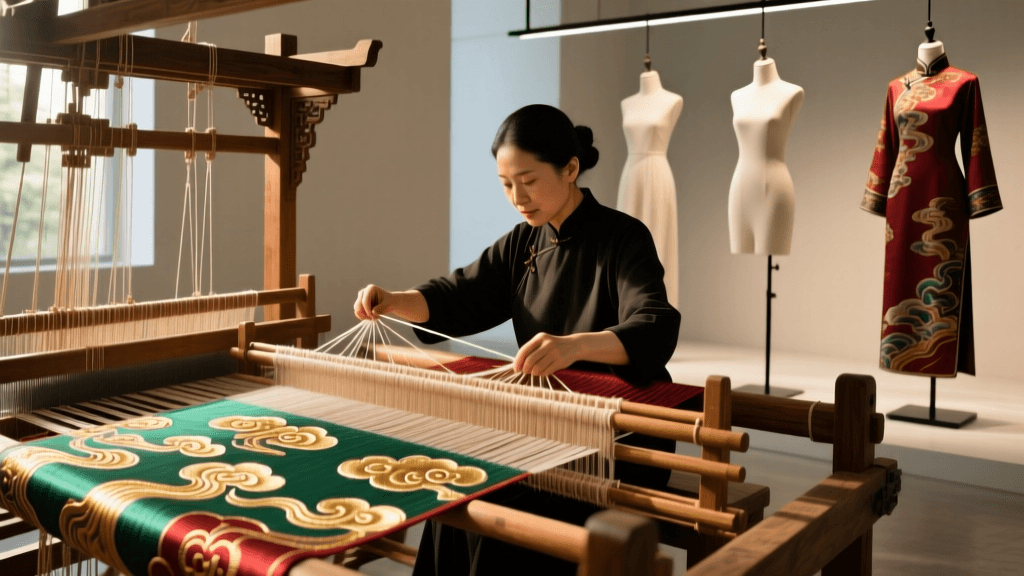
Often referred to as 'soft gold,' Xiangyunsha is a luxury silk that has been dyed using the juice of the薯莨 (Dioscorea cirrhosa) tuber and coated with iron-rich river mud. The resulting fabric is incredibly cooling, antibacterial, and possesses a unique, papery rustle that practitioners find deeply grounding during walking meditation. In 2026, sustainable production initiatives in Guangdong have made authentic Xiangyunsha more accessible to dedicated wellness practitioners, offering a fabric that literally connects the wearer to the earth through its mud-dyeing process.
2. Ramie (Xia Bu)
Known as 'China Grass,' ramie is one of the oldest textile fibers in the world. For dynamic Qigong forms or Tai Chi practiced in humid, warm climates, ramie Hanfu is unmatched. It is highly absorbent, dries quickly, and possesses a natural stiffness that holds the structure of wide sleeves beautifully without clinging to the skin. Modern 2026 enzyme-washing techniques have eliminated the historical scratchiness of raw ramie, resulting in a fabric that is soft, breathable, and ideal for vigorous movement.
3. Heavyweight Mulberry Silk (Zhongsi)
For seated meditation, particularly in climate-controlled studios or during cooler autumn months, heavyweight mulberry silk (typically 19 to 22 momme) is the gold standard. Silk is a protein fiber that shares a similar structure to human skin, reducing friction and static electricity. This eliminates microscopic distractions, allowing the practitioner to sink deeper into Zazen or Daoist inner alchemy meditations without the physical irritation caused by synthetic blends.
Fabric Performance Comparison Chart
To help you choose the ideal material for your specific practice, refer to the 2026 wellness fabric matrix below:
| Fabric Type | Thermal Regulation | Kinesthetic Feedback | Best Suited Practice | 2026 Market Availability |
|---|---|---|---|---|
| Xiangyunsha (Mud Silk) | Exceptionally Cooling | Audible rustle, grounding | Walking Meditation, Summer Qigong | High (Heritage Co-ops) |
| Enzyme-Washed Ramie | Highly Breathable | Structured, non-clinging | Dynamic Tai Chi, Standing Post | Very High |
| Heavyweight Mulberry Silk | Temperature Neutral | Fluid, frictionless | Seated Meditation, Yin Yoga | High |
| Organic Hemp-Linen Blend | Warming / Insulating | Textured, heavy drape | Winter Qigong, Outdoor Grounding | Moderate (Boutique) |
Selecting the Ideal Hanfu Silhouette for Movement
Beyond the fabric, the cut of the garment dictates how energy moves through the body during practice. The National Center for Complementary and Integrative Health highlights that the physical comfort and freedom of movement are critical components in reaping the full physiological benefits of Tai Chi and Qigong. Traditional Hanfu offers several silhouettes perfectly aligned with these requirements.
The Daopao (Daoist Robe)
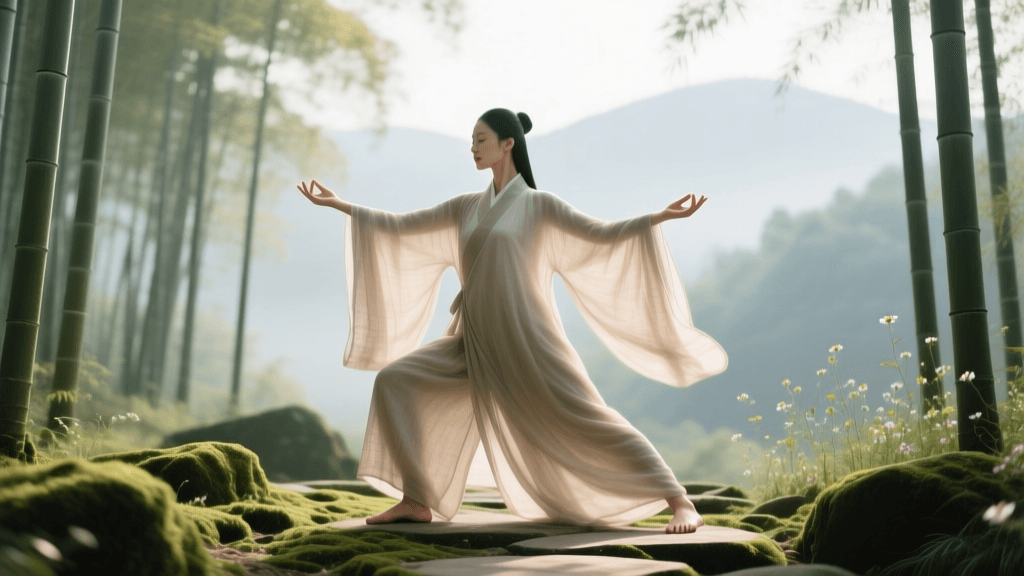
The Daopao is the quintessential garment for standing Qigong and Tai Chi. Characterized by its wide, flowing sleeves and side slits, the Daopao allows for complete shoulder rotation and deep diaphragmatic breathing. The cross-collar (Jiaoling Youren) naturally encourages the practitioner to keep the chest slightly hollowed and the back rounded—a fundamental postural requirement in internal martial arts known as 'Han Xiong Ba Bei' (contain the chest, pluck up the back). The wide sleeves also provide visual feedback; when your arms move in the 'Cloud Hands' form, the silk trails behind, offering a visual representation of your Qi's trajectory.
The Ruqun (High-Waisted Skirt and Top)
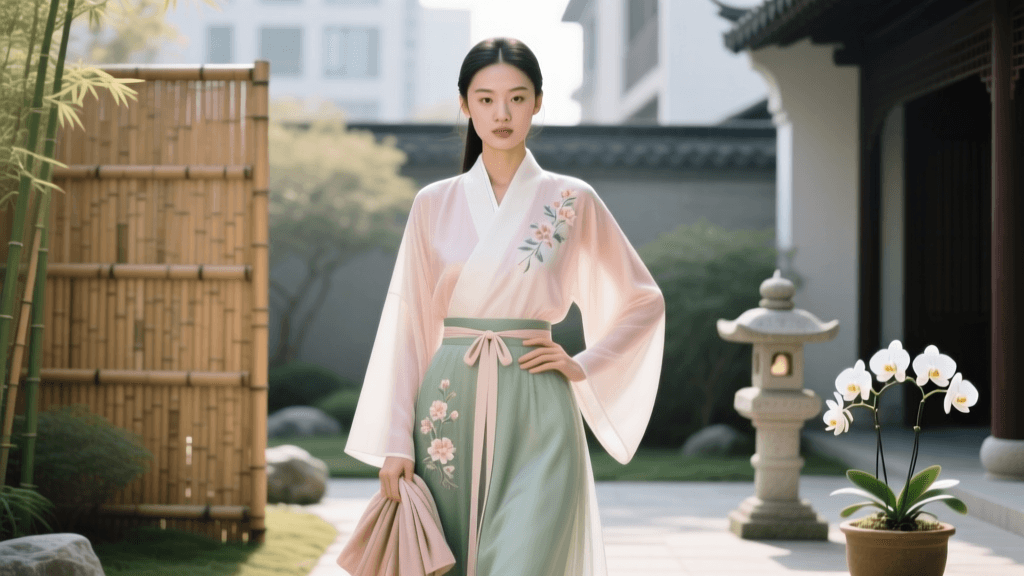
For seated meditation, the Ruqun is highly recommended. The high waistband sits above the navel (the Dan Tian, or body's energy center), providing gentle, comforting compression that supports the lower spine during long sitting sessions. The voluminous skirt allows the legs to rest in a full lotus or half-lotus position without any fabric tension pulling at the knees or hips.
Songku (Wide-Leg Trousers)
Often worn beneath skirts or as standalone bottoms for vigorous practice, Songku are wide-legged trousers gathered at the ankle or calf. They are essential for practitioners who engage in deep stances, such as the 'Ma Bu' (Horse Stance). The gusseted crotch and generous thigh room ensure that no matter how deep you sink into your stance, the fabric will never restrict blood flow or limit your range of motion.
Designing Your 2026 Morning Qigong Wardrobe Routine
Integrating Hanfu into your daily wellness routine requires a mindful approach to layering. Here is a recommended protocol for a 2026 morning Qigong session:
- The Base Layer (Zhongyi): Start with a lightweight, unbleached organic cotton or bamboo inner garment. This layer absorbs perspiration and protects your outer silk or ramie layers from body oils.
- The Core Garment (Daopao or Yisan): Don your primary practice robe. As you tie the sash, take three deep, intentional breaths. Use the physical act of tying the knot as the trigger to begin your mental centering.
- The Extremities: In TCM, wind and cold easily enter the body through the joints and the back of the neck. If practicing outdoors in the early morning, wear a lightweight silk scarf around the neck and traditional cloth shoes with flexible, flat soles to maintain a direct, grounding connection with the earth.
By treating the act of dressing as the first movement of your Qigong form, you bridge the gap between mundane preparation and sacred practice. As outlined in Mayo Clinic's guidelines on meditation, creating a consistent, multi-sensory environment is key to training the brain to enter a relaxed state more efficiently over time.
Mindful Maintenance and Eco-Friendly Care
Caring for your wellness Hanfu is an extension of your mindfulness practice. In 2026, harsh chemical detergents are entirely eschewed by serious practitioners, as they strip natural fibers of their luster and disrupt the skin's microbiome. Instead, wash your silk and ramie garments using traditional, eco-friendly methods. Soap nuts (Wuhuanzi) or mild, pH-neutral castile soaps are ideal. Hand wash your garments in cool water, gently pressing out the moisture without wringing, which can break the delicate protein bonds of silk.
Dry your Hanfu in the shade, allowing the breeze to naturally press the ramie and linen. Storing your garments in breathable cotton bags with dried mugwort or sandalwood not only protects them from pests but also infuses the fabric with subtle, calming aromatherapy properties that will activate the moment your body heat warms the cloth during your next meditation session.
Conclusion
The integration of Hanfu into Qigong and meditation is far more than an aesthetic choice; it is a profound reclamation of holistic wellness. By choosing natural, breathable fabrics and historically accurate, movement-friendly silhouettes, practitioners in 2026 are optimizing their physical comfort, enhancing their energetic flow, and deepening their connection to centuries of Asian contemplative traditions. Whether you are flowing through Tai Chi forms in a ramie Daopao or sitting in silent meditation wrapped in cool Xiangyunsha silk, your clothing becomes a vital partner in your journey toward inner harmony.