Preserving Vintage Silk Kimonos & Hanboks: 2026 Care Guide
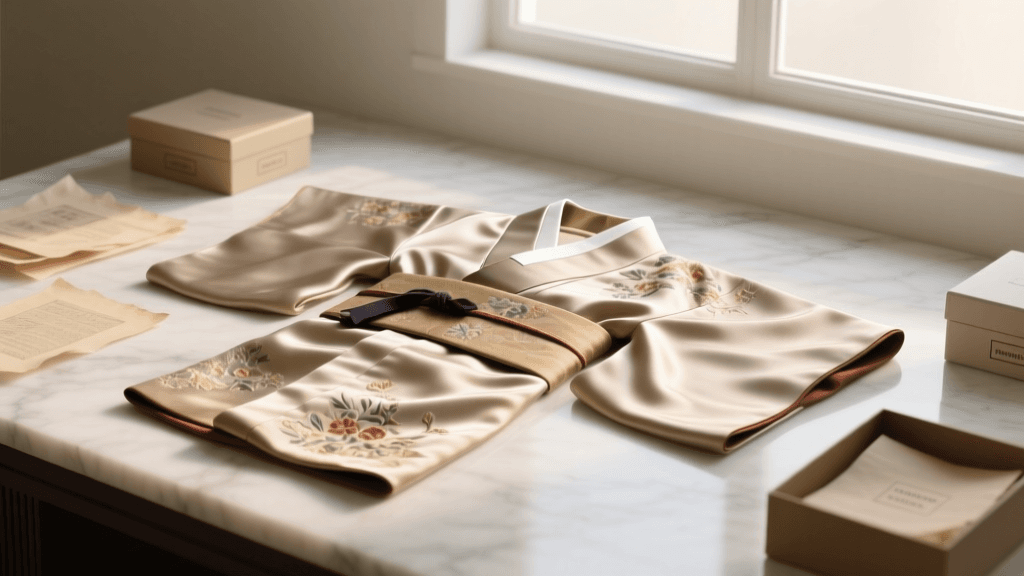
The Silent Threat to Asian Heritage Textiles
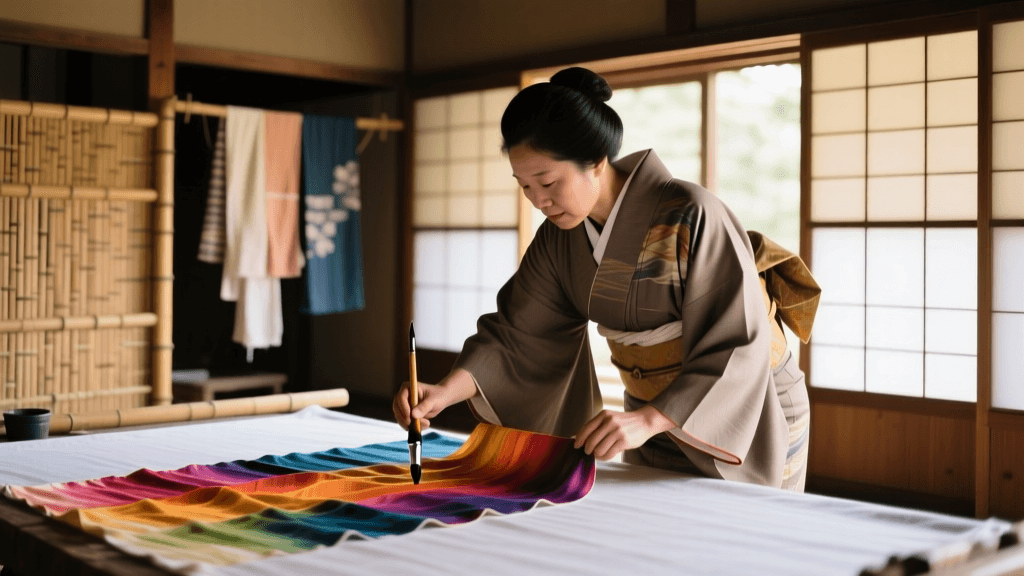
Asian traditional garments, particularly vintage silk kimonos from Japan and hanboks from Korea, are not merely clothing; they are woven archives of cultural history, artisanal mastery, and familial lineage. However, as we navigate the preservation landscape in 2026, collectors, museums, and descendants face a formidable enemy: time-induced textile degradation. The most catastrophic of these is 'silk shattering,' a chemical breakdown that can reduce a century-old masterpiece to fragile confetti.
Preserving these delicate garments requires moving beyond standard wardrobe care and adopting museum-grade conservation strategies. Whether you are safeguarding a Meiji-era uchikake (wedding kimono) or a mid-century silk hanbok chima (skirt), understanding the material science of vintage Asian textiles is the first step toward ensuring they survive for future generations. This comprehensive 2026 guide details the exact environmental controls, archival materials, and handling techniques required to halt degradation and properly store your heritage pieces.
Understanding Silk Shattering: The Chemistry of Decay
To protect vintage silk, you must first understand why it deteriorates. In the late 19th and early 20th centuries, silk was sold by weight. To increase profits, manufacturers soaked raw silk in metallic salts—most commonly tin chloride and iron. This process, known as 'weighting,' gave the silk a heavier, more luxurious drape and a brilliant luster, making it highly desirable for premium kimonos and hanbok fabrics.
Unfortunately, these metallic salts are inherently acidic and hygroscopic (water-attracting). Over decades, the salts catalyze a chemical reaction that breaks down the fibroin protein chains within the silk fibers. The result is 'silk shattering.' The fabric becomes brittle, develops a distinct metallic cracking sound when moved, and eventually splits along fold lines or areas of tension. Once silk has shattered, the damage is irreversible; conservation can only stabilize the garment to prevent further loss, but it cannot restore the structural integrity of the fibers.
Creating a Microclimate: 2026 Climate Control Standards
The rate of chemical decay in weighted silk is directly accelerated by fluctuating temperature and high humidity. In 2026, the gold standard for textile preservation relies on creating a stable, monitored microclimate. According to the Canadian Conservation Institute, the ideal storage environment for protein-based fibers like silk is a temperature of 65°F (18°C) with a Relative Humidity (RH) strictly maintained between 45% and 50%.
Fluctuations are more damaging than a slightly imperfect static environment. If humidity spikes above 55%, mold spores can activate, and the metallic salts in weighted silk will draw moisture from the air, accelerating the shattering process. If RH drops below 40%, the silk fibers will desiccate and snap.
Modern Monitoring Technology
Gone are the days of relying on analog hygrometers that require manual calibration. Today, smart environmental monitors are essential for private collectors. Devices like the Govee H5179 WiFi Thermometer Hygrometer allow you to place a discreet sensor inside your archival storage box or closet. These devices connect to your smartphone, sending immediate push notifications if the RH deviates from your preset 45-50% parameters, allowing you to intervene before irreversible damage occurs.
Choosing the Right Archival Storage Materials
A common and devastating mistake made by well-meaning collectors is using the wrong type of acid-free tissue paper. In the archival supply market, there are two distinct types of acid-free tissue: buffered and unbuffered. Choosing the wrong one will chemically burn your garments.
- Buffered Tissue: Contains an alkaline reserve (usually calcium carbonate) designed to neutralize acids migrating from wood-pulp papers. It is excellent for cellulose-based fibers like cotton and linen.
- Unbuffered Tissue: Contains no alkaline reserve and is pH neutral. This is mandatory for all protein-based fibers, including silk and wool. The alkaline reserve in buffered tissue will degrade silk proteins over time, causing yellowing and weakening.
When purchasing supplies from archival vendors like Gaylord Archival or Blue Star Preservation in 2026, you must explicitly verify that the packaging states 'Unbuffered' or 'pH Neutral' for use with silk.
Archival Material Comparison Chart
| Material | Properties | Best Used For | Never Use On |
|---|---|---|---|
| Unbuffered Acid-Free Tissue | pH neutral, no alkaline reserve | Silk kimonos, hanbok skirts, wool, vintage photographs | Nothing (safe for all textiles) |
| Buffered Acid-Free Tissue | Contains calcium carbonate (alkaline) | Cotton, linen, hemp, ramie | Silk, wool, leather, protein fibers |
| Archival Tyvek Envelopes | Water-resistant, breathable, pH neutral | Small accessories, obijime, hanbok norigae | Direct contact with heavily embroidered metallic threads |
| Metal-Edge Archival Boxes | Rigid, acid-free board, metal reinforced corners | Long-term flat storage of folded garments | Environments with high flood risk (cardboard absorbs water) |
The Art of Folding: Tato Paper and Tissue Sausages
Hanging vintage silk kimonos or heavy hanbok skirts on hangers is strictly forbidden. The gravitational pull on the shoulders and waistbands will cause the weighted silk to tear under its own weight. These garments must be stored flat. However, flat storage introduces the problem of hard fold lines, which are the exact locations where shattered silk tends to split.
The Kimono 'Tato' Method
Traditional Japanese folding, known as 'tato,' is designed to align the seams and minimize stress on the fabric. When folding a vintage kimono for long-term storage, you must modify the traditional method by introducing 'tissue sausages.'
- Lay the kimono flat on a clean, unbleached cotton sheet.
- Fold the sleeves and body according to the standard rectangular tato pattern.
- Before making any final hard crease, roll unbuffered acid-free tissue paper into thick cylinders (tissue sausages).
- Place these tissue cylinders inside the folds. This creates a soft, rounded curve rather than a sharp crease, distributing the stress across a wider area of the silk fibroin.
- Wrap the entire folded garment in a final sheet of unbuffered tissue before placing it in a metal-edge archival box.
Hanbok Chima and Jeogori Storage
The hanbok presents unique challenges due to the voluminous, heavily pleated chima (skirt) and the structured jeogori (jacket). The high waistband of the chima often contains stiffeners that can off-gas acids. Pad the waistband with unbuffered tissue, and gently roll the skirt from the hem upward rather than folding it into squares. The jeogori should be stuffed lightly with tissue sausages at the shoulders and elbows to maintain its three-dimensional shape without stressing the seams.
Surface Cleaning: Why Dry Cleaning is Forbidden
One of the most frequent questions collectors ask is how to clean a vintage garment that smells of dust or camphor. The answer is almost never dry cleaning. The harsh chemical solvents (like perc or modern hydrocarbon alternatives) and the mechanical tumbling action of a dry-cleaning machine will instantly destroy weakened, weighted silk. The solvents can also strip the delicate natural dyes used in traditional Asian textiles.
For surface dust, utilize a soft, goat-hair hake brush. Lay the garment flat, place a piece of flexible plastic screening (like fiberglass window screen) over the silk to protect it from direct bristle friction, and gently brush the dust away. The screen catches the bristles while allowing the dust to pass through. For deeper cleaning or odor removal, consult a professional. Sublimation techniques and specialized micro-vacuums used by conservators are the only safe methods for heavily soiled heritage pieces.
Displaying vs. Storing: UV and Light Damage
If you intend to display your kimono or hanbok rather than store it in a box, light damage is your primary concern. Silk is highly susceptible to photochemical degradation. Ultraviolet (UV) and even high-intensity visible light will cause the silk to yellow and the natural dyes to fade irreversibly.
In 2026, if you are framing a section of a damaged kimono or mounting a hanbok for exhibition, you must use UV-filtering glazing. Products like Tru Vue Optium Museum Acrylic offer 99% UV protection, anti-static properties, and anti-reflective coatings. Ensure the display environment is kept below 50 lux (a very dim light level), and rotate the displayed garments every three to six months to give the textiles a 'rest' in dark archival storage.
When to Call a Professional Textile Conservator
While preventive care and proper storage can be managed at home, active restoration should never be attempted by an amateur. If you notice brown spots (foxing), active mold, severe shattering where the silk is literally crumbling to dust, or structural seam failures, stop handling the garment immediately.
Attempting to iron shattered silk, applying commercial stain removers, or using standard sewing threads to patch holes will cause catastrophic damage and drastically reduce the historical and monetary value of the piece. Instead, seek out a certified professional. The American Institute for Conservation (AIC) provides a 'Find a Conservator' directory, allowing you to locate specialists trained specifically in Asian textiles and historic silk stabilization. These professionals use reversible conservation stitching, custom-dyed crepeline silk overlays, and specialized humidification chambers to stabilize your garments safely.
Conclusion: Stewardship for the Future
Preserving vintage silk kimonos and hanboks is an act of cultural stewardship. By understanding the hidden dangers of metallic salt weighting, investing in proper climate monitoring, and strictly utilizing unbuffered archival materials, you can halt the clock on textile decay. The techniques outlined in this 2026 guide bridge the gap between traditional reverence for Asian garments and modern conservation science, ensuring that these magnificent woven histories remain intact for centuries to come.