Hanfu Revival Guide: Build Your First Traditional Chinese Wardrobe
The Hanfu Revival Movement: Reclaiming Cultural Identity
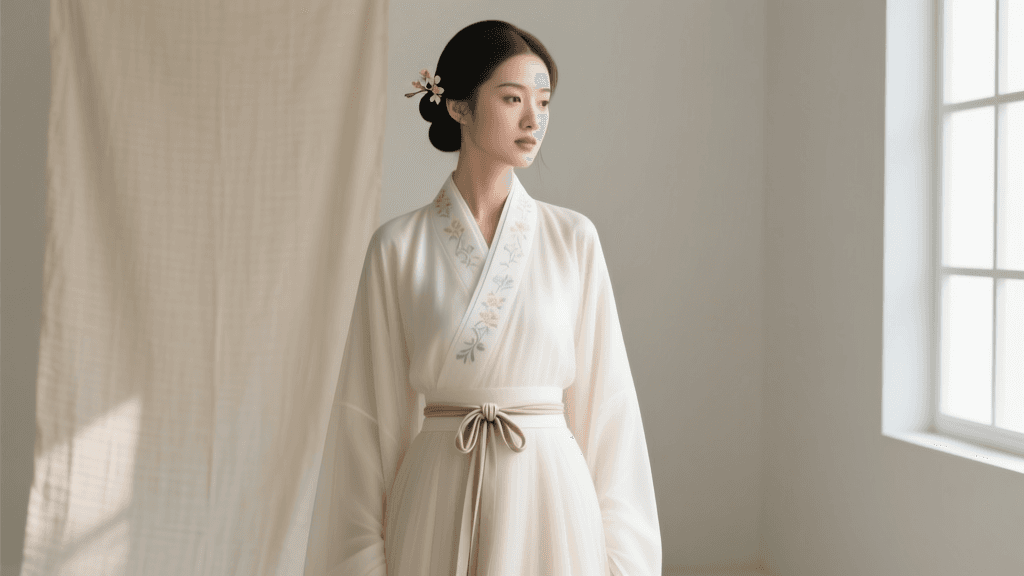
Over the past two decades, the streets of China’s major cities—and digital platforms globally—have witnessed a vibrant sartorial renaissance. The Hanfu revival movement is not merely a fashion trend; it is a profound cultural phenomenon where young Chinese people are reclaiming the traditional dress of the Han ethnic group. Sparked in 2003 when a man named Wang Letian famously wore a homemade Hanfu on the streets of Zhengzhou, the movement has since exploded into a multi-billion-dollar industry. According to industry reports, the Hanfu market in China is valued at over 10 billion RMB, driven by a generation seeking to connect with their pre-Qing dynasty heritage. For enthusiasts and newcomers alike, building a Hanfu wardrobe requires an understanding of historical silhouettes, traditional tailoring philosophies, and modern styling techniques.
"Hanfu is more than just clothing; it is a wearable connection to thousands of years of philosophy, etiquette, and aesthetics. To wear it is to participate in a living history."
Essential Hanfu Styles for the Modern Wardrobe
When starting your Hanfu journey, the sheer volume of historical dynasties and regional variations can be overwhelming. To build a versatile and authentic wardrobe, focus on these three foundational styles that have been widely adapted for modern wear.
1. Mamianqun (Horse-Face Skirt)
Originating in the Song dynasty and reaching its zenith in the Ming dynasty, the Mamianqun is arguably the most popular entry point for modern Hanfu enthusiasts. It is a wrap skirt characterized by two flat, unpleated panels (the "horse faces") at the front and back, with deeply pleated sections on the sides. This design allows for ease of movement while maintaining a structured, elegant silhouette. Modern wearers frequently pair the Mamianqun with contemporary knitwear, turtlenecks, or traditional Ao (jackets), making it a staple for both daily wear and office environments.
2. Ruqun (Blouse and Skirt Ensemble)
The Ruqun consists of a short upper garment (Ru) tucked into a long, flowing skirt (Qun). This style is heavily associated with the Tang and Song dynasties. The Tang dynasty variations often feature higher waistlines, wider sleeves, and vibrant, daring colors, reflecting the cosmopolitan and prosperous nature of the era. Song dynasty Ruqun tends to be more subdued, featuring slender silhouettes, narrow sleeves, and muted, elegant pastel tones, reflecting the Neo-Confucian emphasis on modesty and restraint.
3. Yuanlingpao (Round-Collar Robe)
The Yuanlingpao is a unisex, one-piece robe with a round neckline that fastens at the right shoulder, adhering to the traditional jiaoling youren (left over right) rule. Popular during the Tang and Ming dynasties, this robe is often worn with a leather belt and boots. It is an excellent choice for those seeking a more structured, gender-neutral, or masculine-leaning traditional aesthetic, and it serves as an excellent outer layer during cooler months.
Traditional Tailoring: How to Measure for Hanfu
Unlike Western clothing, which relies on complex 3D tailoring, darts, and seams to contour the body, traditional Hanfu utilizes a "flat-cutting" (pingcai) technique. Garments are cut from whole pieces of fabric and folded, meaning the fit is determined by the drape of the fabric and the way it is tied, rather than tight seams. When ordering custom or made-to-measure Hanfu from traditional artisans, you must provide specific measurements.
- Xiongwei (Bust/Chest): Measure around the fullest part of your chest. Because Hanfu is flat-cut, add 4-6 cm for ease and comfort.
- Yaowei (Waist): Measure your natural waist. This is crucial for the placement of skirts and the tying of sashes.
- Tunwei (Hips): Measure the fullest part of your hips, essential for ensuring the Mamianqun pleats lay flat and do not pull open.
- Jiankuan (Shoulder Width): Measure from the edge of one shoulder bone to the other. Note that traditional Hanfu often features dropped shoulders, so this measurement is used more for proportion than a strict structural seam.
- Xiucai (Sleeve Length): This is unique to traditional Chinese garments. Measure from the center back of your neck, over the shoulder, and down to your desired wrist or finger point. Many traditional styles require sleeves that extend past the fingertips to create the elegant "water sleeve" drape.
- Qunchang (Skirt Length): Measure from your natural waist down to your ankle or floor, depending on your preferred drape and the height of your footwear.
Cost Breakdown: Budgeting for Your First Hanfu
The Hanfu market caters to a wide spectrum of budgets, from mass-produced polyester sets to museum-grade silk replicas. Understanding the pricing tiers will help you allocate your budget effectively. Below is a structured comparison of the current market tiers.
| Tier | Typical Brands | Materials | Price Range (USD) | Best For |
|---|---|---|---|---|
| Entry-Level | Shisan Yu, Lantian Hanfu | Polyester, Cotton blends, Chiffon | $25 - $60 | Beginners, daily wear, travel, cosplay |
| Mid-Range | Zhongzheng, Tingyue Fengge | Silk blends, Rayon, Linen, Jacquard | $70 - $150 | Enthusiasts, festivals, photography |
| High-End / Custom | Minghua Tang, Chanyue | 100% Mulberry Silk, Brocade, Xiangyunsha | $200 - $1,000+ | Collectors, weddings, historical accuracy |
For a beginner, a budget of around $100 is sufficient to acquire a high-quality mid-range Mamianqun and a versatile cotton-blend upper garment, providing a comfortable and authentic introduction to the wardrobe.
Modern Styling: Integrating Hanfu into Daily Life
One of the core tenets of the Hanfu revival is that traditional clothing should not be relegated to costumes worn only on holidays. The "Hanfu everyday" (Hanfu richang) subculture focuses on integrating these garments into modern life. Here are actionable styling tips to bridge the gap between ancient aesthetics and contemporary practicality:
- Mix Eras and Textures: Pair a heavy, woven Ming-style Mamianqun with a modern, slim-fitting merino wool turtleneck. The contrast between the structured historical skirt and the sleek modern top creates a sophisticated, office-appropriate look.
- Footwear Adaptations: While traditional embroidered cloth shoes (Buxie) are beautiful, they lack arch support for modern concrete environments. Many enthusiasts opt for modern leather loafers, Mary Janes, or even minimalist white sneakers to ground the outfit in contemporary streetwear.
- Hair and Accessories: You do not need elaborate, historically accurate updos for daily wear. A simple low bun secured with a single wooden or jade hair stick (Zanzi) provides an elegant nod to tradition without the time commitment of a full historical hairstyle.
- Outerwear: In winter, the traditional Doupeng (a sleeveless, hooded cloak) is highly practical and can be worn over modern winter clothing, instantly transforming a standard winter coat into a striking traditional ensemble.
Sourcing Authentic Hanfu: Brands and Platforms
To acquire authentic Hanfu, most enthusiasts turn to China’s domestic e-commerce platforms, primarily Taobao and Tmall. While international sites like AliExpress carry some Hanfu, they are often mixed with inaccurate "costume" versions. To ensure historical accuracy and support the revival movement, purchasing from established domestic brands is recommended.
Brands like Minghua Tang are revered for their meticulous research, often collaborating with museums to replicate extant Ming dynasty garments using traditional looms. For more accessible, daily-wear options, brands like Shisan Yu (Thirteen Yu) offer vibrant, durable designs that have helped popularize the movement among university students. For international buyers, utilizing shopping agents such as Superbuy or CSSBuy is the most reliable method to navigate Taobao, consolidate shipping, and handle international customs.
As the movement continues to grow, it transcends mere aesthetics. It is a dialogue between the past and the present, allowing wearers to drape themselves in the philosophy, artistry, and resilience of Chinese heritage. Whether you are tying the sash of your first Ruqun or investing in a bespoke silk Mamianqun, you are participating in a global renaissance of traditional Asian dress.
Further Reading and Resources
To deepen your understanding of the historical context and the socio-cultural impact of this revival, the following resources provide extensive research and community insights:
- Explore the comprehensive historical timeline and socio-political context of the movement on the Hanfu movement Wikipedia archive.
- For practical guides on wearing, folding, and understanding the etiquette of traditional garments, refer to the China Highlights Hanfu Guide.
- Read about the global digital impact and how social media platforms accelerated the revival in the BBC Future feature, The ancient Chinese clothes taking over TikTok.