Styling Vintage Silk Haori Jackets With 2026 Minimalist Streetwear
The Renaissance of the Haori in 2026 Streetwear
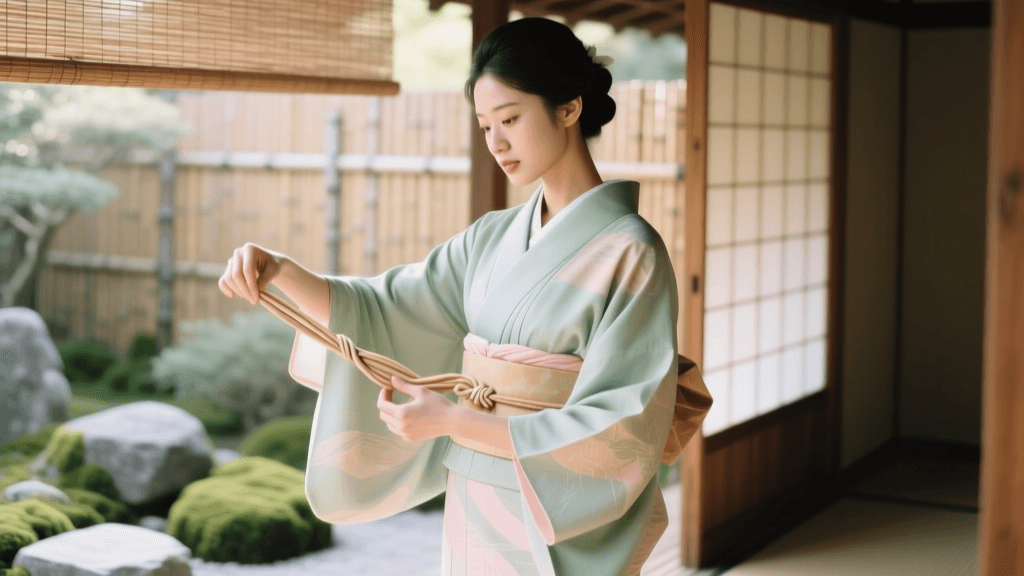
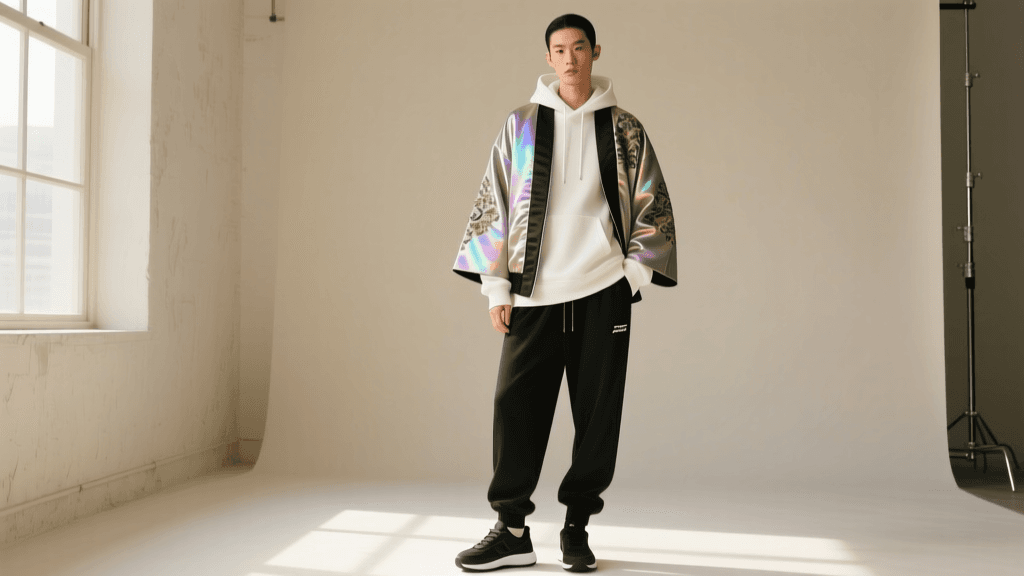
As the global fashion landscape in 2026 continues to pivot away from micro-trends and disposable fast fashion, a profound appreciation for heritage garments has taken center stage. Among the most versatile and visually striking of these is the Japanese haori. Originally worn over the kimono as a formal or protective outer layer, the haori has been reclaimed by contemporary stylists and streetwear enthusiasts as the ultimate statement layering piece. Unlike structured Western blazers or heavy wool overcoats, the haori offers a fluid, unstructured silhouette that perfectly complements the relaxed, oversized proportions dominating 2026 minimalist streetwear.
Mixing traditional Asian garments with modern wardrobes requires more than just throwing a vintage piece over a t-shirt. It demands an understanding of proportion, fabric weight, and cultural context. According to the Metropolitan Museum of Art, the T-shaped silhouette of traditional Japanese garments relies on straight seams and a lack of tailoring to the body's curves, which inherently creates a striking architectural contrast when paired with modern, tailored, or technical streetwear. In this guide, we will break down exactly how to source, measure, and style vintage silk haori jackets for the modern 2026 wardrobe.
Decoding the Silhouette: Why Haori Works With Modern Cuts
The magic of the haori lies in its drop-shoulder construction and open front. In 2026, streetwear is defined by 'quiet luxury' and modular layering—think wide-leg trousers, boxy heavyweight tees, and technical nylon outerwear. The haori bridges the gap between organic heritage textiles and modern utilitarianism.
Key Measurements to Look For
When shopping for a vintage haori to wear as modern outerwear, you must look beyond standard Western sizing (S, M, L) and focus on specific traditional measurements:
- Mitake (Back Length): For a modern streetwear aesthetic, look for a mitake between 30 and 34 inches. This ensures the hem hits around the mid-thigh, providing excellent coverage over longline t-shirts and hoodies without overwhelming your frame.
- Yuki (Sleeve Length): Measured from the center back of the neck to the wrist. A yuki of 30 to 33 inches provides the ideal drop-shoulder effect that aligns with contemporary oversized outerwear trends.
- Sodeguchi (Sleeve Opening): The haori features wide, open sleeves. Ensure the opening is at least 14 inches across to comfortably layer over thick 2026 knitwear or hoodie cuffs without bunching.
Fabric Weight and Drape: A 2026 Pairing Guide
Not all silk is created equal. The way a haori drapes over modern streetwear depends heavily on the specific weaving technique used in its creation. Below is a structured guide to pairing traditional silk weaves with contemporary 2026 wardrobe staples.
| Traditional Fabric | Weight & Drape | Ideal 2026 Modern Pairing | Styling Vibe |
|---|---|---|---|
| Rinzu (Figured Silk) | Medium weight, fluid and soft drape | Heavyweight cotton tees, raw selvedge denim | Elevated Casual |
| Tsumugi (Pongee Silk) | Heavier, textured, slightly stiff | Technical nylon cargo pants, merino turtlenecks | Utilitarian / Techwear |
| Chirimen (Crepe Silk) | Lightweight, matte finish, high drape | Wide-leg wool trousers, minimalist leather boots | Avant-Garde / High Fashion |
| Meisen (Ikat Silk) | Medium weight, crisp, bold geometric patterns | Monochromatic oversized hoodies, chunky sneakers | Retro Streetwear |
As noted by textile historians at the Victoria and Albert Museum, the intricate weaving and dyeing techniques of these silks were historically meant to be viewed in motion. When layered over matte, modern fabrics like heavy cotton or technical nylon, the subtle sheen and texture of the silk are amplified, creating a rich visual contrast.
Three Actionable Layering Formulas for 2026
To successfully integrate a haori into your daily rotation, rely on these three tested styling formulas that balance traditional elegance with modern edge.
Formula 1: The Urban Commuter
The Pieces: A dark, solid-colored Tsumugi silk haori + a charcoal grey merino wool turtleneck + Uniqlo U 2026 wide-fit pleated trousers + leather Derby shoes.
Why it works: This formula leans into the 'quiet luxury' trend of 2026. The lack of loud patterns on the haori keeps the look professional enough for creative office environments, while the wide-leg trousers echo the voluminous silhouette of traditional Japanese hakama. The open front of the haori allows the turtleneck to act as a grounding anchor.
Formula 2: Weekend Tech-Streetwear
The Pieces: A geometric Meisen silk haori + a heavyweight black hoodie (worn with the hood tucked neatly inside the haori collar) + Arc'teryx Veilance technical nylon cargos + trail-running sneakers.
Why it works: Meisen silk often features bold, Art Deco-inspired geometric patterns that pop beautifully against matte black technical gear. The contrast between century-old organic silk and modern, weather-resistant nylon is a hallmark of high-end 2026 streetwear.
Formula 3: Evening Minimalist
The Pieces: A black Rinzu silk haori with subtle tone-on-tone damask patterns + a crisp white oversized poplin button-down (left untucked) + tailored black denim + Chelsea boots.
Why it works: The tone-on-tone pattern of the Rinzu silk reveals itself only when the light hits it, making it an exceptional choice for evening wear. The crisp cotton of the poplin shirt provides a structured base that prevents the fluid silk from looking too much like sleepwear.
Sourcing, Pricing, and Authenticating Vintage Silk
The 2026 market for vintage Japanese garments is highly curated. While fast-fashion brands frequently release 'kimono-style' cardigans, true heritage enthusiasts seek out authentic, mid-20th-century vintage pieces.
Current 2026 Pricing:
- Entry-Level (Machine-woven, minor flaws): $60 - $120
- Mid-Tier (Hand-dyed, excellent condition, Tsumugi/Meisen): $150 - $350
- Investment Grade (Hand-painted Yuzen, Rinzu, pristine lining): $400 - $800+
When sourcing from online marketplaces or specialized Kyoto vintage exporters, always check the lining. A traditional haori features a separate, often highly decorative inner lining (the hakkake). If the garment is unlined or the lining is fused to the outer shell, it is likely a modern, mass-produced reproduction rather than a true vintage piece.
Garment Care: Preserving Heritage Textiles
Mixing traditional garments into a modern wardrobe also means adopting modern, specialized care routines. Vintage silk is incredibly resilient but requires specific handling to maintain its structural integrity and vibrant dyes.
- Avoid Water and Heat: Never machine wash or steam vintage silk. Water can cause the natural dyes to bleed, and heat will shatter the delicate fibers over time.
- Ozone Cleaning: In 2026, professional ozone treatment is the gold standard for refreshing heritage textiles. It eliminates odors and bacteria without the use of harsh chemicals or water.
- Storage: Store your haori flat or folded with acid-free tissue paper between the layers. If you must hang it, use a wide, padded hanger to support the drop-shoulder seam, and keep it in a breathable cotton garment bag away from direct sunlight to prevent UV fading.
Conclusion
Integrating a vintage silk haori into a 2026 minimalist streetwear wardrobe is an exercise in intentional styling. It requires a respect for the garment's architectural origins and a keen eye for modern proportion. By focusing on precise measurements, contrasting fabric weights, and thoughtful layering formulas, you can transform a piece of Asian sartorial history into a cornerstone of your contemporary personal style. As the fashion world continues to value longevity and narrative over fleeting trends, the haori stands as a testament to the enduring power of traditional craftsmanship.