2026 Guide to Preserving Vintage Silk Kimonos & Hanboks
The Delicate Nature of Asian Silk Heritage
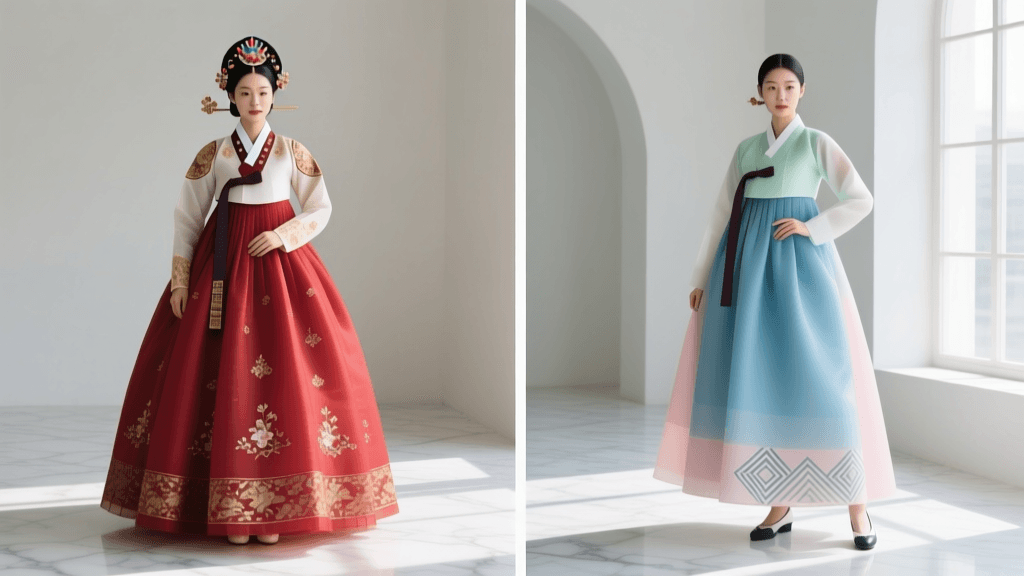
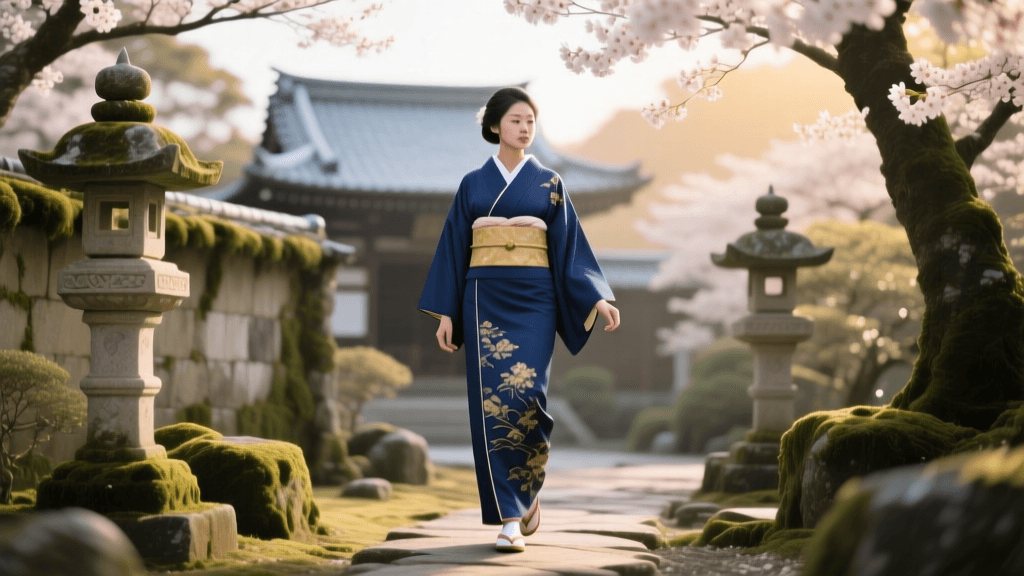
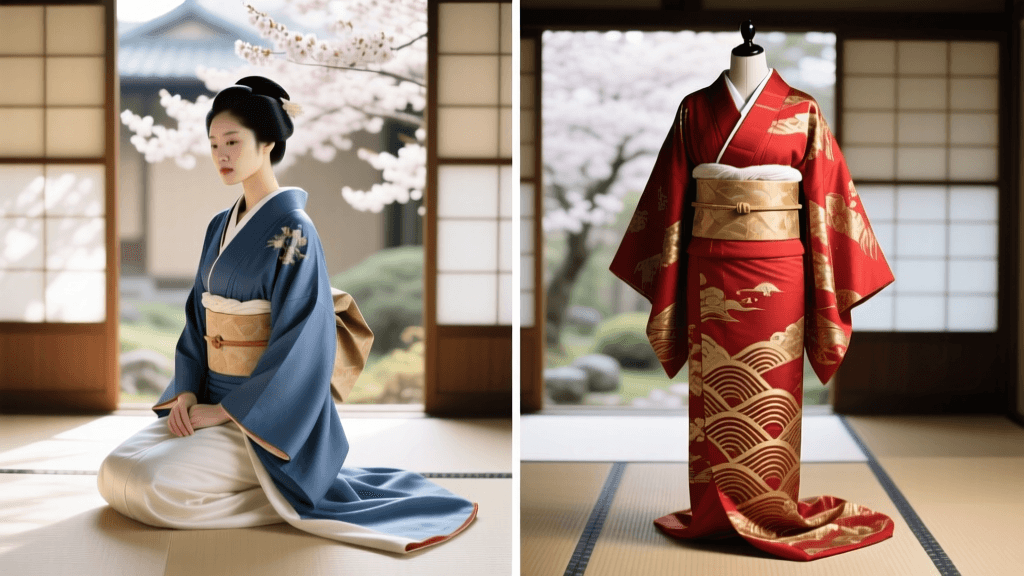
Asian traditional garments, particularly the sweeping silk kimonos of Japan and the elegantly structured silk hanboks of Korea, represent centuries of meticulous craftsmanship, cultural storytelling, and textile innovation. As we navigate the shifting environmental realities of 2026, preserving these delicate heirlooms has become more challenging than ever. Modern indoor climate fluctuations, increased urban humidity, and the natural aging of protein fibers demand a proactive, museum-grade approach to home archiving. Whether you have inherited a Meiji-era uchikake (wedding kimono) or a mid-century Joseon-inspired ceremonial hanbok, understanding the specific vulnerabilities of these garments is the first step toward ensuring they survive for future generations.
Understanding Silk Degradation and 'Shattering'
The primary enemy of vintage Asian silk is a phenomenon known in the conservation world as 'shattering.' Many antique kimonos and hanboks produced in the late 19th and early 20th centuries were dyed using metallic salts, particularly tin and iron, to achieve deep, rich colors and a heavier, more luxurious drape. Over decades, these salts react with moisture in the air, creating acidic byproducts that literally slice through the silk fibers at a microscopic level. This results in the fabric becoming brittle, tearing along fold lines, and eventually disintegrating into a fine dust. In 2026, with global temperature anomalies causing unpredictable indoor humidity spikes, the chemical degradation of weighted silk accelerates if left unmonitored. Furthermore, the metallic threads—often composed of lacquered paper wrapped in gold or silver leaf, commonly seen in Korean wedding hanboks and Japanese obi sashes—are highly susceptible to tarnishing, flaking, and permanent creasing if stored improperly.
Essential 2026 Preservation Toolkit for Home Archivists
To combat these threats, home collectors and family archivists must invest in specialized preservation materials. Standard plastic bins and cedar chests, once considered the gold standard for household storage, are now recognized as actively harmful to antique silk. Plastic traps off-gassing chemicals and moisture, while the natural acids in cedar wood can migrate to the textiles, causing yellowing and fiber weakness. Below is the essential 2026 preservation toolkit required for maintaining a safe microclimate for your Asian garment collection.
| Preservation Tool | Primary Purpose | 2026 Estimated Cost | Recommended Specification |
|---|---|---|---|
| Unbuffered Acid-Free Tissue | Interleaving and wrapping protein fibers | $25 - $40 per ream | pH neutral, lignin-free (do not use buffered) |
| Archival Storage Tubes | Rolling heavily embroidered garments | $45 - $80 per tube | Minimum 4-inch diameter, acid-free cardboard |
| Bluetooth Hygrometer | Real-time microclimate monitoring | $30 - $60 per unit | App-enabled alerts for RH fluctuations |
| Museum-Grade Silica Cassettes | Buffering humidity inside enclosures | $35 - $55 per cassette | Conditionable to 50% RH (e.g., ArtSorb) |
| Hake Brush (Goat Hair) | Safe surface dust removal | $15 - $25 per brush | Ultra-soft, traditional Japanese construction |
Climate Control: Managing Humidity and Temperature
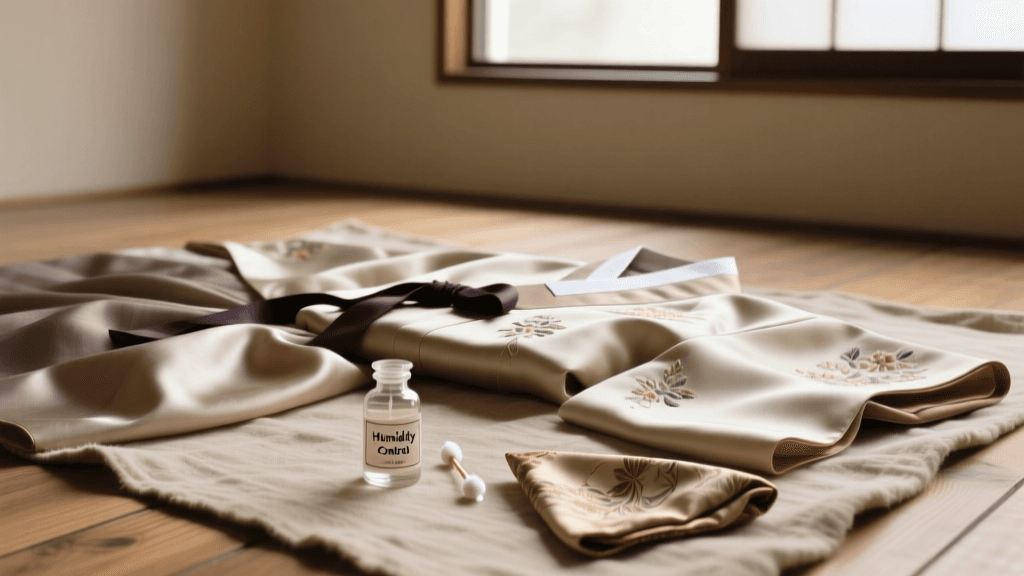
Maintaining a stable microclimate is the cornerstone of textile preservation. The ideal environment for vintage silk is a consistent temperature of 65°F to 70°F (18°C to 21°C) with a relative humidity (RH) strictly maintained between 45% and 55%. Fluctuations are often more damaging than the absolute numbers; a rapid swing from 40% to 70% RH causes the silk fibers to swell and contract, leading to structural fatigue. In 2026, smart home integration makes this easier to manage. Bluetooth-enabled hygrometers placed inside storage enclosures can send real-time alerts to your smartphone if the humidity breaches the safe threshold. For localized humidity control inside archival boxes, silica gel cassettes are indispensable. Unlike the cheap desiccant packets found in shoe boxes, museum-grade silica cassettes can be conditioned to buffer the environment, absorbing excess moisture when it is too humid and releasing it when the air becomes too dry.
Proper Folding, Rolling, and Storage Techniques
How you physically store a kimono or hanbok dictates its structural longevity. The traditional Japanese method of folding a kimono along specific seams (tatami-mat folding) is acceptable for lightweight, unweighted modern silks, but it is disastrous for heavy, antique garments with metallic embroidery. Permanent fold lines will eventually turn into cracks and tears. For heavily embroidered hanbok skirts (chima) and ornate kimonos, rolling is the only safe long-term storage method. Use an acid-free, unbuffered archival tube. (Note: Silk is a protein fiber and should never be stored in buffered, alkaline-treated paper, which damages the amino acids). Wrap the garment in unbuffered acid-free tissue paper, interleaving the folds to prevent friction, and roll it gently around the tube. Never roll a garment tightly; the core diameter should be at least four inches to prevent crushing the metallic threads. Store the rolled tube horizontally on a shelf, never resting on its ends, to avoid putting pressure on the fabric edges.
Surface Cleaning and Pest Management
Cleaning vintage Asian silk at home is fraught with peril. Under no circumstances should an antique kimono or hanbok be submerged in water or taken to a standard commercial dry cleaner. The chemicals used in modern dry cleaning will strip the natural sericin from the silk, dissolve the adhesives holding metallic leaf in place, and cause irreversible dye bleeding. Instead, rely on preventive surface cleaning. Use a traditional hake brush, made from ultra-soft goat hair, to gently sweep away surface dust before storing the garment. Always brush in the direction of the weave, supporting the fabric from underneath with a clean cotton sheet. Pest management is equally critical. Clothes moths and carpet beetles are notorious for devouring protein-based fibers, and they are particularly attracted to the organic residues of sweat and food stains often found on vintage collars and cuffs. In 2026, the use of chemical mothballs (naphthalene or paradichlorobenzene) is strictly forbidden in textile conservation; these chemicals are not only toxic to humans but also react with metallic threads, causing them to blacken and corrode. Instead, utilize pheromone traps to monitor for insect activity in your storage room, and ensure all garments are isolated in sealed archival enclosures to prevent infestations from taking root.
When to Consult a Professional Textile Conservator
Despite your best efforts at home, there are scenarios where DIY preservation must stop, and professional intervention is required. If you notice active mold growth, a sudden vinegar-like odor (indicating advanced cellulose or silk degradation), or extensive shattering where the fabric cracks when gently manipulated, do not attempt to clean or fold the garment. Handling severely degraded silk will cause irreversible loss of the textile and its historical data. According to the Victoria and Albert Museum, textiles showing signs of advanced structural failure require immediate stabilization by a trained expert using specialized humidification chambers and custom-dyed support patches. Furthermore, if you wish to display your kimono or hanbok on a mannequin, professional mounting is essential. Improperly stuffed mannequins place immense tension on the shoulder seams and delicate sleeve attachments. The American Institute for Conservation provides a directory of certified textile conservators who specialize in historical Asian dress and can construct custom, acid-free internal supports that distribute the garment's weight safely. For comprehensive guidelines on preventive care, the Canadian Conservation Institute offers extensive, peer-reviewed documentation on managing light exposure and environmental pollutants that threaten delicate dyes.
Conclusion
Preserving a vintage silk kimono or hanbok is an act of cultural stewardship. These garments are not merely clothing; they are woven archives of Asian history, artistry, and familial lineage. By abandoning outdated storage myths and embracing the precise, scientifically backed preservation techniques available in 2026, you ensure that the vibrant colors, intricate metallic embroidery, and delicate silk weaves remain intact. Whether safely rolled in an archival tube or professionally mounted for display, your proactive care guarantees that these magnificent examples of Asian traditional dress will continue to tell their stories for centuries to come.