Preserving Silk Kimono & Hanbok Metallic Threads: 2026 Guide
The Allure and Vulnerability of Asian Metallic Textiles
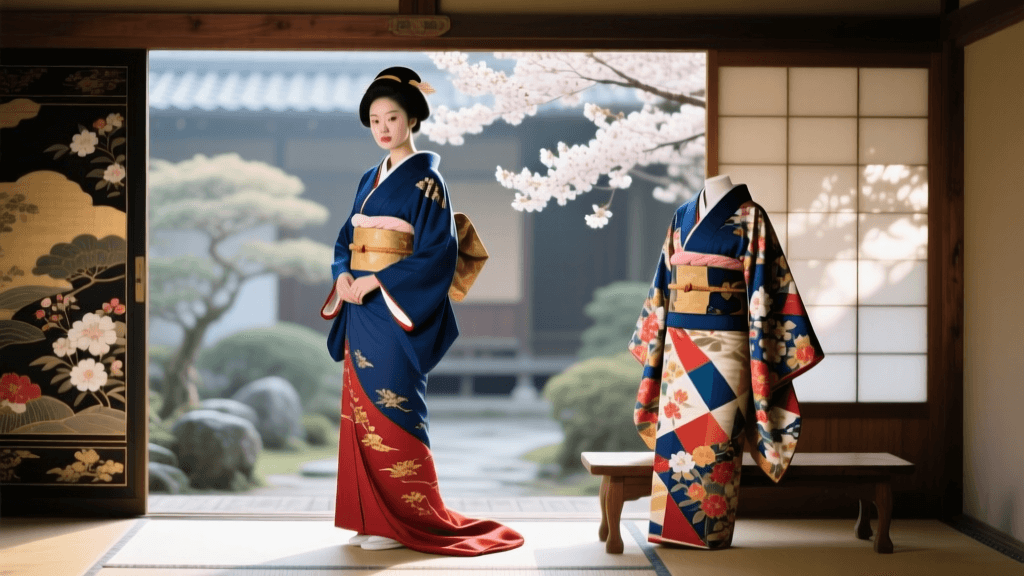
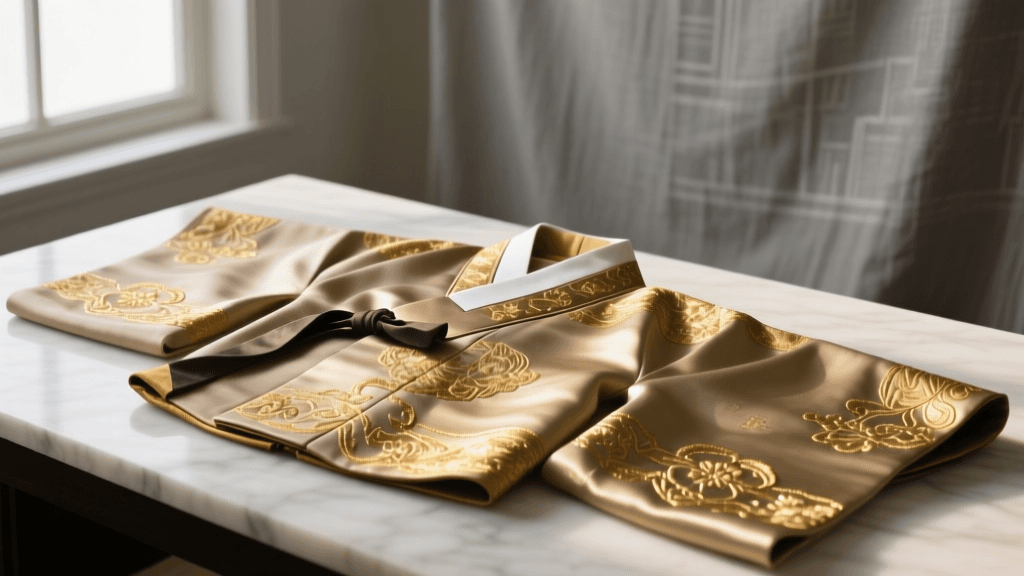
Vintage Asian garments are not merely clothing; they are wearable archives of cultural history, textile engineering, and artistic expression. Among the most breathtaking elements of traditional East Asian dress are the metallic embellishments found on Japanese kimono and Korean hanbok. In Japan, the application of gold and silver leaf or metallic yarns is known as surihaku (foil imprinting) and kinran (gold brocade). In Korea, the delicate application of gold leaf patterns onto silk is called geumbak. When you acquire a vintage piece featuring these techniques, you are holding a masterpiece of artisanal craftsmanship. However, as of 2026, collectors and curators face a growing challenge: the rapid degradation, tarnishing, and flaking of these metallic threads and foils.
Unlike the resilient protein structure of the silk itself, metallic embellishments are highly reactive. The adhesives used centuries ago—often derived from animal glues, plant resins, or urushi (lacquer)—become brittle over time. Furthermore, the metals themselves, which were historically created by wrapping thin strips of gold- or silver-coated paper or animal membrane around a silk core, are incredibly fragile. This comprehensive guide explores the modern, non-invasive preservation and restoration techniques for Asian metallic textiles, ensuring these cultural treasures survive for future generations.
The Chemistry of Degradation: Why Surahaku and Geumbak Fail
To properly care for metallic Asian garments, one must first understand the chemistry of their decay. Tarnish and physical loss are the two primary enemies of surihaku and geumbak. Tarnish occurs when the silver base beneath a thin gold wash reacts with sulfur compounds in the atmosphere, turning the once-brilliant metallic threads a dull, bruised purple or black. Physical loss, on the other hand, happens when the adhesive binding the metal foil to the silk substrate crystallizes and shatters due to fluctuations in humidity or improper folding.
In the past, well-meaning collectors attempted to clean tarnished kimono threads using commercial metal polishes or abrasive cloths. In 2026, textile conservation science strictly forbids these practices. Commercial polishes contain harsh alkaline solvents and micro-abrasives that will instantly dissolve the historic silk protein and strip the microscopic top layer of gold from the thread, causing irreversible damage. Modern preservation relies entirely on environmental control and localized, reversible stabilization techniques.
2026 Conservation Standards for Metallic Embellishments
Current museum standards emphasize preventive conservation over interventive restoration. According to the Victoria and Albert Museum's textile conservation guidelines, the primary focus for metallic threads should be minimizing mechanical stress and chemical exposure. The V&A advises that garments with heavy metallic embroidery or foil work should never be hung on standard hangers, as the weight of the metal will distort the silk warp threads and cause the metallic elements to snap.
Furthermore, 2026 conservation protocols highlight the danger of 'micro-climates' created by improper storage. If a vintage hanbok with geumbak is stored in a sealed plastic bin, off-gassing from the plastic combined with trapped moisture will accelerate the oxidation of the metallic leaf. Archival, breathable storage is now the universally mandated standard for both private collectors and institutional archives.
Step-by-Step Home Preservation Protocol
For collectors managing a private collection of kimono and hanbok, implementing a strict preservation protocol is essential. Follow these actionable steps to stabilize your garments at home.
1. Environmental Stabilization
Metallic threads require a highly stable environment. The ideal climate for mixed-media silk garments (silk plus metal) is a temperature of 65°F (18°C) and a Relative Humidity (RH) of exactly 50%. Fluctuations in RH are more damaging than a steady, slightly imperfect number. When RH drops below 40%, the historic animal glues shrink and crack, causing gold leaf to flake off. When RH rises above 60%, mold spores can activate on the silk, and silver-based threads will rapidly oxidize. Invest in a digital datalogger to monitor your storage space continuously throughout the year.
2. Archival Storage and Handling
Never fold a garment with extensive surihaku or geumbak along the same lines twice. Folding creates sharp creases that will snap the metallic paper cores. Instead, use the 'padding and rolling' method:
- Padding: Use unbuffered, acid-free tissue paper. (Note: Buffered tissue contains calcium carbonate, which is alkaline and harmful to silk; always ensure your tissue is unbuffered).
- Rolling: Roll the garment gently around a large-diameter archival tube covered in washed, unbleached cotton muslin or Tyvek. The metallic embellishments should face outward so they are not crushed against the tube.
- Handling: Always wear powder-free nitrile gloves when handling metallic textiles. Cotton gloves, while traditionally used for textiles, have a textured weave that can snag on loose metallic threads and pull them from the fabric.
Professional Restoration: When to Call a Conservator
While home preservation focuses on halting further damage, active restoration—such as re-adhering flaking gold leaf or stabilizing shattered metallic threads—must be left to trained professionals. The Smithsonian Museum Conservation Institute warns that amateur attempts to re-glue metallic foils often result in 'tide lines' (visible watermarks) and permanent stiffening of the silk.
In 2026, professional textile conservators utilize specialized, reversible cellulose ethers (such as Klucel G) dissolved in pure ethanol to consolidate flaking metallic leaf. This adhesive is applied under a stereomicroscope using a single sable-hair brush, ensuring that the adhesive penetrates the microscopic cracks without bleeding onto the surrounding silk. If your vintage kimono features severe metallic loss, you can locate a certified textile specialist through the American Institute for Conservation (AIC) 'Find a Conservator' directory.
As of 2026, professional stabilization of metallic embroidery and foil work typically costs between $250 and $600 per linear foot, depending on the complexity of the weave and the severity of the adhesive failure. While expensive, this investment prevents the total loss of the garment's historic and monetary value.
Comparison Chart: DIY Preservation vs. Professional Restoration
| Feature | DIY Home Preservation | Professional Conservation |
|---|---|---|
| Primary Goal | Preventative care and environmental stabilization | Active stabilization, consolidation, and tarnish mitigation |
| Handling Tools | Nitrile gloves, unbuffered tissue, archival tubes | Stereomicroscopes, sable-hair brushes, micro-spatulas |
| Adhesives Used | None (strictly non-interventive) | Reversible cellulose ethers (e.g., Klucel G), purified starch pastes |
| Tarnish Treatment | Do not attempt; focus on reducing sulfur exposure | Localized, non-abrasive chemical reduction under magnification |
| Estimated Cost (2026) | $50 - $150 (Archival storage supplies) | $250 - $600+ per linear foot of treated embellishment |
Displaying Your Garments Safely
If you choose to display your preserved kimono or hanbok rather than store it, you must mitigate the destructive power of ultraviolet (UV) light. UV radiation not only fades the silk dyes but also degrades the organic adhesives holding the geumbak and surihaku in place. In 2026, the standard for displaying historic textiles involves utilizing UV-filtering acrylic vitrines (display cases) that block 99% of harmful rays. Additionally, illumination should be restricted to fiber-optic or specialized LED lighting that emits zero UV and minimal infrared heat, kept at a lux level no higher than 50. Always mount the garment on a custom-carved, padded mannequin that supports the weight of the metallic threads without placing tension on the shoulder seams.
Conclusion
The preservation of metallic threads on vintage Asian garments requires a delicate balance of environmental vigilance and scientific restraint. By understanding the unique vulnerabilities of surihaku and geumbak, and by adhering to the stringent 2026 conservation standards set by leading global institutions, collectors can ensure these shimmering masterpieces remain intact. Remember that when it comes to historic textiles, the best restoration is the one that never has to happen. Prioritize archival storage, monitor your climate, and always defer to certified conservators when active intervention is required.