Everyday Kimono vs Hanbok: 2026 Styling & Wear Guide
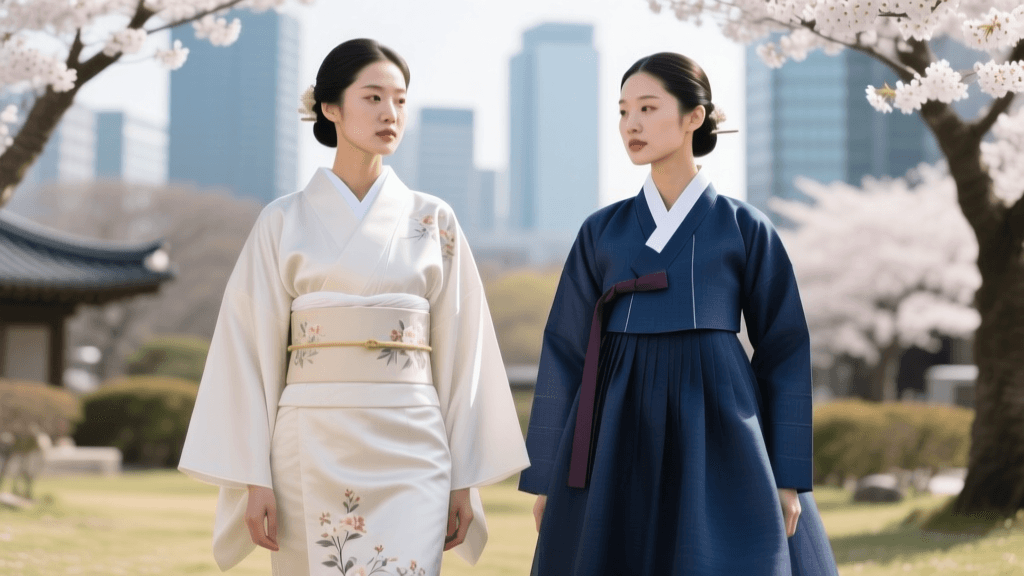
The global fashion landscape of 2026 has witnessed a profound renaissance in the way we interact with cultural heritage. No longer confined to weddings, tea ceremonies, or lunar new year celebrations, traditional Asian garments are actively reclaiming their space in daily streetwear. Two of the most prominent silhouettes leading this movement are the Japanese everyday kimono and the Korean saenghwal hanbok. While ceremonial versions of these garments—such as the heavily embroidered Japanese uchikake or the voluminous, multi-layered Korean hwalot—require hours of dressing and specialized assistance, their everyday counterparts are designed for movement, comfort, and modern utility.
For enthusiasts and newcomers alike, understanding the functional differences between these two iconic garments is essential for building a versatile heritage wardrobe. In this comprehensive guide, we break down the fabrics, construction, costs, and 2026 styling techniques that make the everyday kimono and saenghwal hanbok the ultimate choices for lived-in cultural fashion.
The Shift to Daily Heritage Wear in 2026
Historically, traditional garments were the standard daily attire across East Asia. However, the rapid westernization of the mid-20th century relegated them to ceremonial status. Today, a new generation of designers and wearers is reversing this trend. According to insights from The Victoria and Albert Museum's Asian textiles and fashion archives, there is a growing emphasis on the material culture of daily life, where historical garments are recontextualized for contemporary urban environments.
In 2026, the 'heritage streetwear' movement prioritizes garments that can withstand the rigors of public transit, office environments, and casual socializing. This requires a departure from fragile, dry-clean-only silks and restrictive undergarments, favoring instead innovative textile blends and structural simplifications that honor traditional aesthetics while embracing modern convenience.
Everyday Kimono: Komon and Modern Blends
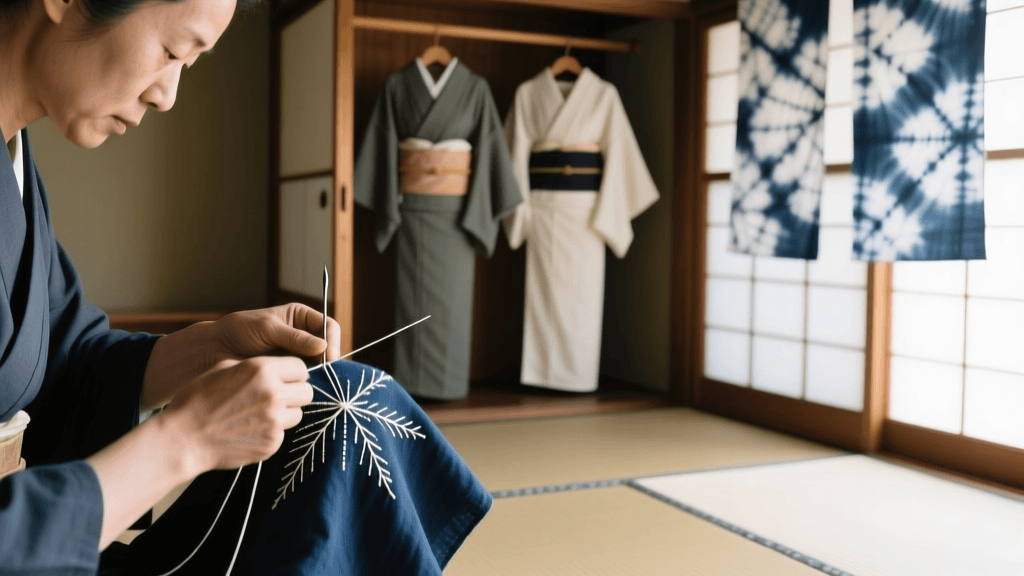
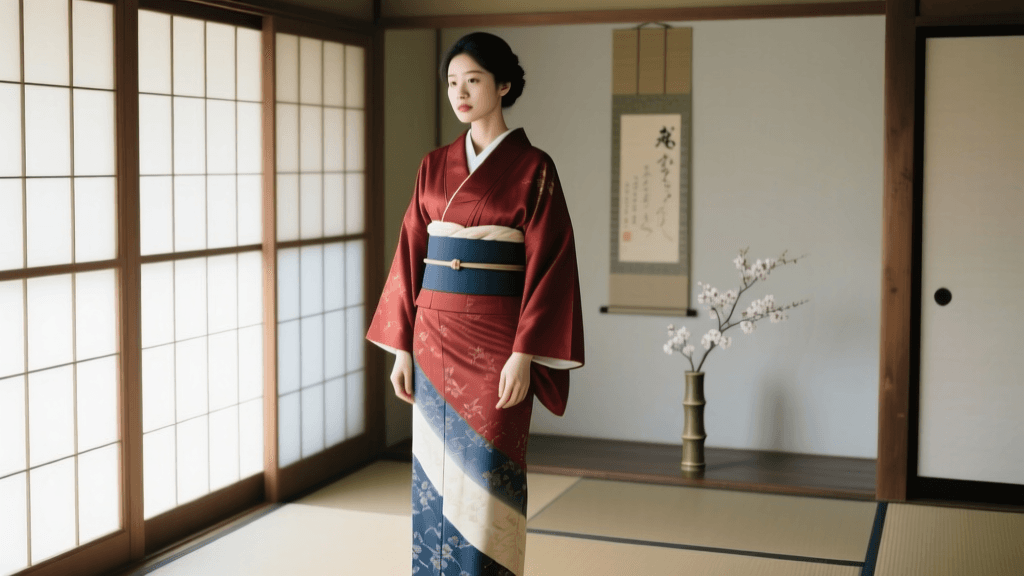
When discussing everyday Japanese kimono, the focus is primarily on the komon (small, repeating pattern) and modern iterations of the yukata. Unlike the solid-color iromuji or the highly formal kurotomesode, the komon is inherently casual and versatile. As detailed in Encyclopedia Britannica's comprehensive guide to the Kimono, the T-shaped structure of the garment is cut from standard bolts of fabric known as tanmono, which typically measure around 36 centimeters in width.
In 2026, the most significant advancement in everyday kimono wearability is textile engineering. While traditional silk chirimen (crepe) remains popular for its beautiful drape, modern manufacturers in Kyoto and Kiryu are producing washable, nano-treated silks and high-grade polyester blends that mimic the texture of raw silk while offering complete water and stain resistance. This means a sudden rain shower or a spilled coffee no longer ruins a $300 garment.
Dressing in an everyday kimono takes approximately 15 to 25 minutes. It requires a nagajuban (under-robe), datejime (tying belts), and an obi. However, 2026 has seen the mainstream adoption of 'tsuke-obi' (pre-tied obi sashes) for casual wear, which snap into place and reduce dressing time to under ten minutes, making the kimono a viable option for a morning commute.
Saenghwal Hanbok: The Practical Korean Silhouette
The Korean equivalent to everyday traditional wear is the saenghwal hanbok (daily life hanbok). While traditional ceremonial hanbok features wide, bell-shaped skirts supported by multiple layers of petticoats (sokchima), the saenghwal hanbok strips away the bulk. As noted in Britannica's historical and cultural overview of the Hanbok, the fundamental structure consists of the jeogori (jacket) and the chima (skirt) for women, or baji (trousers) for men.
For 2026 daily wear, the women's jeogori is tailored to hit precisely at the natural waistline, avoiding the extreme cropping of late-Joseon era fashion while maintaining the elegant, curved baerae (sleeve) silhouette. The chima is constructed with hidden elastic waistbands and lightweight cotton-linen or ramie (mosi) blends. Ramie, a breathable summer fabric historically prized in Korea, has been blended with modern microfibers to prevent wrinkling while maintaining its crisp, cooling properties.
The most striking advantage of the saenghwal hanbok is its ease of wear. A modern two-piece hanbok set can be put on in under five minutes. The skirts function much like modern maxi skirts, while the jeogori fastens with traditional goreum (ribbons) that have been subtly reinforced with internal snaps to prevent them from coming undone during active movement.
2026 Comparison Chart: Everyday Kimono vs. Saenghwal Hanbok
To help you decide which garment best suits your lifestyle, budget, and styling preferences, we have compiled a direct comparison based on 2026 market data and wearable metrics.
| Feature | Everyday Kimono (Komon/Yukata) | Saenghwal Hanbok (Daily Wear) |
|---|---|---|
| Primary Fabrics (2026) | Washable silk, poly-chirimen, cotton-linen | Ramie (mosi), cotton blends, lightweight linen |
| Dressing Time | 15–25 minutes (requires obi tying) | 3–5 minutes (slip-on skirts, elastic waists) |
| Average Entry Cost | $120–$250 USD (garment + basic obi) | $80–$180 USD (two-piece set) |
| Maintenance | Machine washable (modern blends), air dry | Machine wash gentle, iron on low heat |
| Footwear Pairing | Zori, geta, or modern minimalist sneakers | Loafers, oxfords, or low-profile boots |
| Climate Suitability | Highly adaptable via layering (winter to summer) | Best for Spring/Summer; winter requires heavy coats |
Modern Styling: Integrating Heritage into 2026 Streetwear
Wearing traditional garments in a modern context requires a balance of respect for the silhouette and an understanding of contemporary proportions. In 2026, rigid rules have given way to expressive, personalized styling.
Styling the Everyday Kimono
The most popular way to style a komon kimono in 2026 is by treating it as a statement outer layer. For a transitional autumn look, wear a navy or charcoal kimono open over a fitted white turtleneck and tailored wide-leg trousers. If wearing it closed and traditionally tied, swap out formal zori sandals for minimalist leather sneakers or modern split-toe boots. Layering is also key: a lightweight, ribbed knit top worn beneath the kimono, with the collar slightly visible above the nagajuban, adds a contemporary textural contrast that bridges the gap between heritage and modern minimalism.
Styling the Saenghwal Hanbok
The saenghwal hanbok excels in mix-and-match styling. A muted, sage-green cotton jeogori pairs beautifully with high-waisted, vintage-wash denim jeans, creating a silhouette that is distinctly Korean yet universally wearable. For a more traditional but office-appropriate look, pair a crisp white linen jeogori with a flowing, ankle-length chima in a deep plum tone, cinched at the waist with a thin, modern leather belt over the traditional ribbon. Footwear leans heavily towards polished loafers or low-heeled oxfords, which complement the grounded, sweeping lines of the hanbok skirt.
Sourcing and Budgeting in 2026
Building a daily heritage wardrobe is more accessible than ever, thanks to specialized global shipping and direct-to-consumer artisan platforms. For everyday kimonos, online retailers based in Kyoto's Nishijin weaving district now offer dedicated 'washable and wearable' collections, with entry-level poly-chirimen komon sets starting around $130 USD, including a pre-tied obi and basic undergarments.
For saenghwal hanbok, Seoul's Bukchon Hanok Village boutiques have expanded their digital storefronts. A high-quality, ramie-blend two-piece set from established daily-hanbok brands typically ranges from $110 to $170 USD. When budgeting, remember that kimono requires a few more accessories (koshihimo ties, obi-ita stiffeners, and tabi socks), which can add an extra $40 to your initial investment, whereas hanbok is generally sold as a complete, ready-to-wear set.
Care and Maintenance for the Modern Wearer
Proper care ensures these garments last for decades. Modern washable kimonos can be machine washed on a delicate cycle using a mesh laundry bag and cold water. However, they must never be tumble dried. Instead, they should be hung to air dry and then folded using the traditional tatami method. This specific folding technique ensures that creases only form along the original 36cm tanmono seam lines, preserving the structural integrity of the fabric.
Saenghwal hanbok care is slightly more straightforward. Cotton and ramie blends can be gently machine washed and laid flat to dry. The chima should be hung on a wide, padded hanger to maintain its bell shape and prevent sharp creases in the waistband. The jeogori can be folded neatly in half and stored in a drawer, though hanging it on a contoured wooden hanger helps preserve the curved baerae sleeves.
Conclusion
The choice between an everyday kimono and a saenghwal hanbok ultimately comes down to your lifestyle and aesthetic preferences. If you enjoy the ritual of dressing, the architectural structure of the obi, and the sweeping, linear elegance of the T-shaped sleeve, the modern komon is an unparalleled choice. If you prioritize speed, ease of movement, and the ability to seamlessly mix traditional pieces with your existing western wardrobe, the saenghwal hanbok offers unmatched versatility. In 2026, both garments stand as testaments to the enduring power of Asian sartorial heritage, proving that tradition is not a relic of the past, but a living, breathing part of our daily lives.