Kimono Seasonal Dressing: Koromogae and Layering Rules
The Philosophy of Shun and the Art of Koromogae
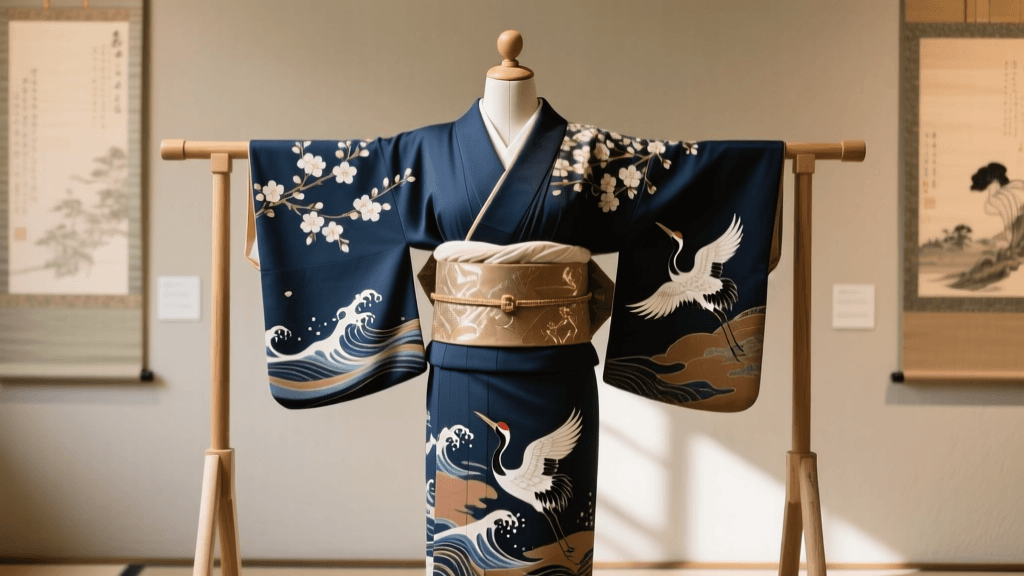
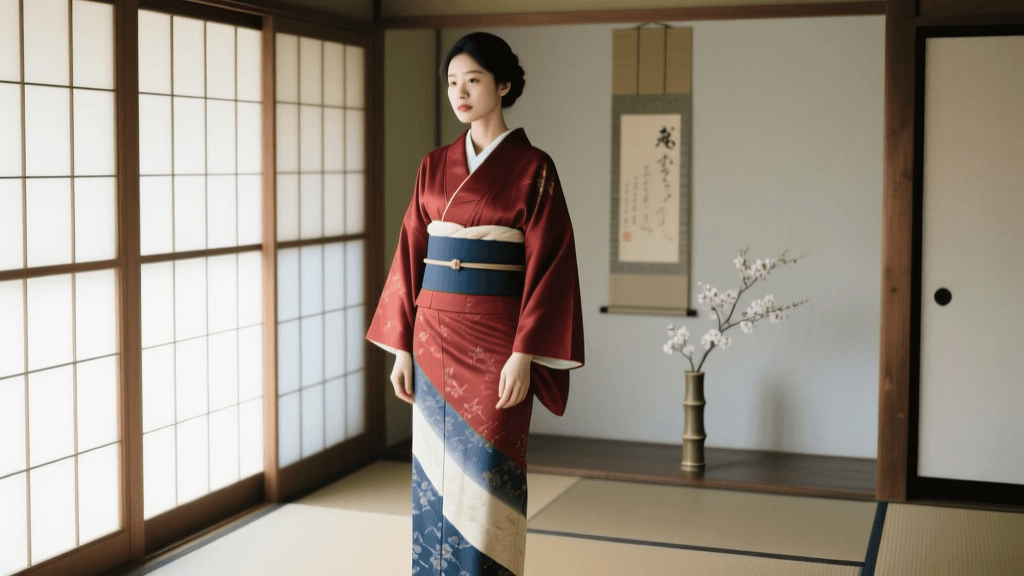
In the intricate world of traditional Japanese clothing, the concept of shun (seasonality) is not merely a stylistic choice; it is a profound cultural imperative. To wear a kimono is to wear the season itself. This deep connection to nature is most visibly expressed through Koromogae, the traditional practice of transitioning one's wardrobe to align with the shifting climate and aesthetic rhythms of the year. Historically observed in the Heian period court and later codified during the Edo period, Koromogae dictates not only when to change from lined to unlined garments, but also the specific motifs, colors, and layering techniques appropriate for any given month.
Understanding Koromogae is essential for anyone looking to master kimono dressing techniques. It requires a meticulous approach to fabric selection, undergarment layering, and obi tying, ensuring that the wearer remains both culturally respectful and physically comfortable. According to the Metropolitan Museum of Art, the evolution of kimono style is deeply intertwined with these seasonal shifts, reflecting a society that historically measured time and status through the subtle changes in textile weaves and layered hues.
The Traditional Kimono Calendar: Awase, Hitoe, and Natsugi
The traditional kimono calendar is rigidly divided into three primary categories of garment construction: Awase (lined kimono), Hitoe (unlined kimono), and Natsugi (summer sheer garments). While modern climate control has allowed for some flexibility, purists and practitioners of tea ceremony or formal events still adhere strictly to these timelines. The transition between these garments requires specific dressing techniques to manage the volume and drape of the silk.
| Month | Garment Type | Fabric & Weave | Lining Status |
|---|---|---|---|
| January - February | Awase | Heavy Chirimen (crepe), Tsumugi (pongee), Wool | Fully lined (Silk or synthetic) |
| March - April | Awase | Lighter Chirimen, Rinzu (satin weave) | Fully lined, lighter weight |
| May | Awase / Hitoe | Transition period; light silks | Lined early month, unlined late month |
| June | Hitoe | Chirimen, Tsumugi, Ro (leno weave) | Strictly unlined |
| July - August | Natsugi | Ro (leno), Sha (gauze), Hemp, Linen | Unlined, sheer, worn with sheer juban |
| September | Hitoe | Chirimen, Tsumugi | Strictly unlined |
| October | Awase | Rinzu, Chirimen | Fully lined returns |
| November - December | Awase | Heavy Chirimen, Omeshi, Wool | Fully lined, warm undergarments |
Layering Techniques: The Legacy of Kasane no Irome
Layering in Japanese dress, known as Kasane, reached its zenith during the Heian period with the Jūnihitoe (twelve-layer robe). Today, while the sheer volume of layers has been reduced, the aesthetic principle of Kasane no Irome (layered color combinations) remains a cornerstone of kimono dressing. This technique involves coordinating the colors of the outer kimono, the juban (under-kimono), the han-eri (half-collar), and the obi to evoke seasonal imagery.
For example, in early spring, a pale pink kimono might be layered over a vibrant green juban, with a white han-eri embroidered with plum blossoms, mimicking the blooming of plum trees against the new spring foliage. The Victoria and Albert Museum notes in their exploration of the garment that these layered colors were not just decorative but served as a silent, sophisticated language among the aristocracy, conveying poetic allusions and emotional states.
'The beauty of the kimono lies not just in the outer garment, but in the subtle revelations of the layers beneath. A flash of a contrasting collar or the hem of a juban is where the true elegance of seasonal dressing is found.'
Modern Layering Mechanics
Practically, modern layering requires precise dressing techniques to avoid bulkiness, which can ruin the cylindrical silhouette essential to kimono aesthetics. When dressing in an Awase kimono for winter, the layering process involves:
- Hadajuban: A thin, skin-tight undergarment, often made of cotton or moisture-wicking synthetic blends, measuring approximately 120cm in length to protect the outer silks from body oils.
- Nagajuban: The main under-kimono. For winter, this is fully lined and made of silk or warm synthetic crepe. It must be tied tightly at the waist using a koshihimo (waist tie) to ensure the collar sits perfectly flat against the nape of the neck.
- Han-eri: A detachable collar sewn onto the nagajuban. In winter, these are often made of thick silk crepe or velvet, featuring heavy gold-thread embroidery.
Practical Summer Dressing: Beating the Humidity
Dressing in a kimono during the Japanese summer (July and August) is a formidable challenge due to extreme heat and humidity. The garments worn during this time are Ro (a leno weave with distinct horizontal gaps) and Sha (a lighter, more open gauze weave). Because these fabrics are sheer, the dressing technique must be flawless; any bunched fabric or misaligned tie will be completely visible through the outer garment.
Tools and Measurements for Summer Kimono Dressing
To achieve a flawless, cool summer silhouette, practitioners utilize specific tools designed to minimize bulk and maximize airflow. Below is a guide to the essential summer dressing accessories, including typical market costs and measurements:
- Sara-Cool Hadajuban (Cooling Undergarment): Made from specialized mesh or linen-blend fabrics. Cost: $25 - $40. Measurement: Usually cut shorter (110cm) to prevent bunching at the hips.
- Mesh Koshihimo (Waist Ties): Standard silk ties trap heat and slip on sweaty skin. Summer dressing requires mesh or stretchy polyester ties, typically 4cm wide and 100cm long. Cost: $8 - $15 each. You will need at least three.
- Kohrin Datejime (Under-Obi Belt): A wide, perforated velcro belt used to secure the kimono at the waist before tying the obi. The perforations allow heat to escape. Measurement: 8cm wide, 60cm long. Cost: $15 - $25.
- Summer Obi-ita (Obi Board): A rigid board inserted into the obi to keep it flat. For summer, these are made of breathable mesh or thin rattan rather than solid plastic. Measurement: 45cm x 15cm. Cost: $10 - $20.
Tying the Summer Obi
For sheer Ro and Sha kimono, the obi must also be seasonally appropriate. A heavy brocade Fukuro obi (30cm wide, 4.5 meters long) is visually and physically suffocating in August. Instead, dressers opt for a Nagoya obi made of woven ramie or a sheer heko obi (a soft, scarf-like sash). The knot itself should be airy; the Kyo-musubi (Kyoto knot) or a simple, loose Bunko-musubi (butterfly knot) are preferred, allowing air to circulate around the lower back.
Transitioning to Autumn: The Return of Awase
October 1st marks the official return to Awase (lined kimono). However, autumn in Japan can be unpredictably warm, requiring a nuanced approach to layering. The technique here involves using a lined outer kimono but pairing it with a lighter, unlined juban. This satisfies the visual and traditional requirement of Koromogae while preventing the wearer from overheating during unseasonably warm autumn days.
As detailed by the Japan National Tourism Organization, seasonal awareness is a pillar of traditional Japanese culture, extending from cuisine to architecture and, most visibly, to clothing. The autumn transition also brings a shift in color palettes. Dressers move away from the cool blues, whites, and sheer greens of summer, adopting deep crimsons, mustard yellows, and rich browns, often featuring motifs of maple leaves (momiji), chrysanthemums, and autumn grasses.
Conclusion: Mastering the Seasonal Wardrobe
Mastering the seasonal wear and dressing techniques of the kimono is a lifelong pursuit. It demands an understanding of textile weaves, a respect for historical calendars, and the practical dexterity to manipulate meters of silk into a flawless, seasonally appropriate silhouette. Whether you are navigating the sheer, humid challenges of a Ro kimono in August or embracing the comforting, layered warmth of an Awase in January, the practice of Koromogae ensures that the wearer remains in perfect harmony with the natural world.