2026 Guide to Vintage Silk Kimono & Hanbok Preservation
The Science of Asian Textile Degradation
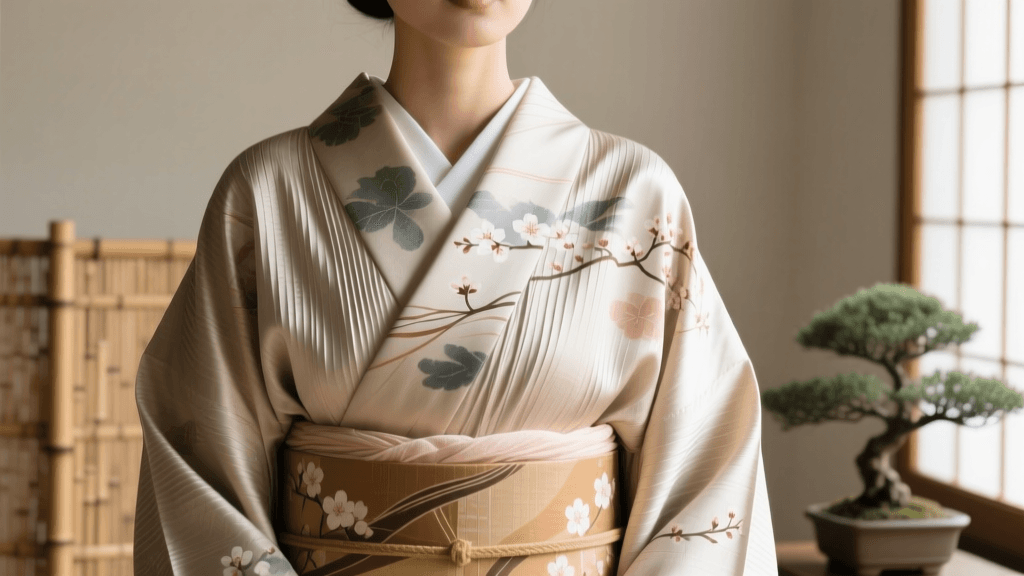
Preserving Asian heritage garments is a meticulous endeavor that bridges cultural reverence with material science. Vintage Japanese kimonos and Korean hanboks are predominantly crafted from mulberry silk (Bombyx mori), ramie, and hemp, dyed with highly sensitive natural pigments like indigo (ai), safflower (benibana), and gromwell (murasaki). As we navigate the shifting environmental baselines of 2026, these proteinaceous and cellulosic fibers face unprecedented threats from atmospheric pollutants, micro-plastic dust, and erratic indoor humidity levels.
Silk fibroin is inherently vulnerable to hydrolysis and photo-oxidation. When exposed to unfiltered UV light or alkaline environments, the peptide bonds in silk begin to shatter, leading to irreversible tensile weakness known as 'silk rot.' Similarly, the natural dyes used in Edo-period kimonos and Joseon-era hanboks are notoriously fugitive; they can shift color or fade entirely if exposed to a pH imbalance or prolonged illumination. Understanding these material vulnerabilities is the first step in implementing a robust 2026 archival preservation strategy.
2026 Archival Storage Standards for Kimonos and Hanboks
The traditional Japanese method of wrapping kimono in tatoshi (acid-free tatou paper) and storing them in kiri (paulownia) wood chests remains a foundational practice. Paulownia wood is naturally hygroscopic, meaning it absorbs and releases moisture to buffer the microclimate inside the chest, while its natural tannins repel insects. However, modern 2026 archival standards dictate that traditional methods must be augmented with active environmental monitoring.
Integrating Smart Climate Technology
In 2026, relying solely on passive wooden chests is insufficient for museum-grade preservation. Conservators now recommend placing IoT-enabled smart-hygrometers inside each drawer or storage box. The ideal baseline for mixed Asian textile collections is 50% Relative Humidity (RH) and a stable temperature of 65°F (18°C). It is critical to note that fluctuations in humidity are far more damaging than a slightly suboptimal static number. Rapid swings cause the silk fibers to expand and contract, leading to structural fatigue and the cracking of metallic gold-leaf threads (surihaku).
The Dangers of Traditional Pest Control
Historically, households relied on naphthalene or paradichlorobenzene mothballs to protect garments from silverfish and carpet beetles. In 2026, the use of these volatile organic compounds (VOCs) is strictly prohibited in textile conservation. These chemicals sublimate into gases that can melt into silk fibers, causing severe yellowing and chemical burns that cannot be washed out. Instead, modern preservation utilizes non-toxic pheromone traps placed in the periphery of the storage room, combined with the traditional use of dried camphor and neem leaves enclosed in breathable muslin sachets, ensuring the botanicals never directly touch the silk.
Identifying and Treating Mold on Vintage Silk
Mold is the most aggressive biological threat to vintage Asian garments. It typically manifests when garments are stored with trace amounts of perspiration, starch, or ambient moisture. Aspergillus often appears as powdery white or yellow spots, while Penicillium presents as green or blue fuzz. If left untreated, the fungal hyphae will consume the protein structure of the silk and permanently stain the natural dyes.
Step-by-Step Mold Remediation Protocol
If you discover mold on a vintage kimono or hanbok, do not attempt to wash it with water or commercial detergents, as moisture will only accelerate fungal growth and cause dyes to bleed. Follow this dry-remediation protocol:
- Step 1: Isolation and Quarantine. Immediately remove the garment from your storage area and place it in a sealed, climate-controlled isolation chamber or a clean, dry room with HEPA air filtration to prevent cross-contamination of spores.
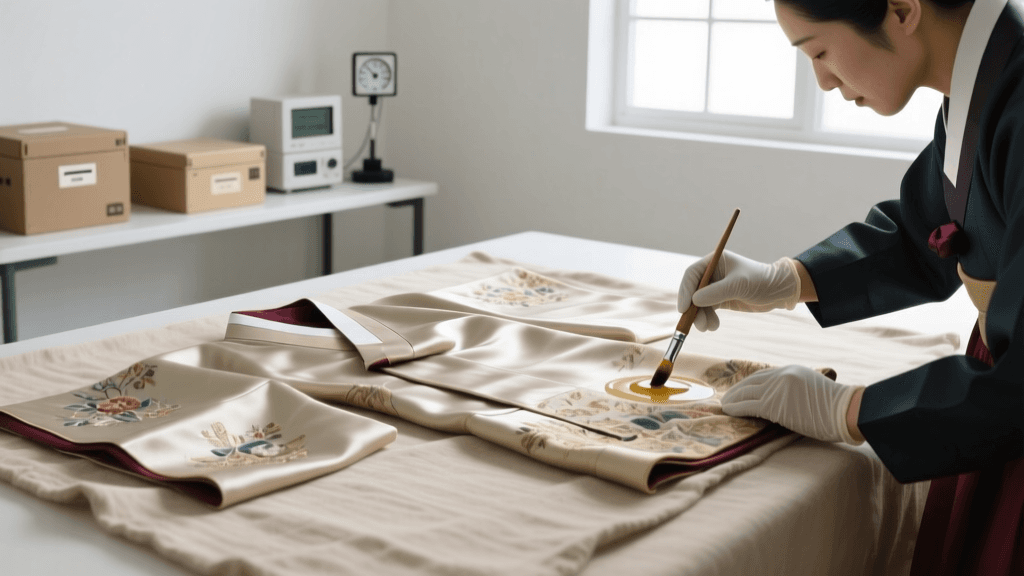
- Step 2: Dry Spore Removal. Using a museum-grade HEPA micro-vacuum with variable suction, gently hover the nozzle over the affected areas. Use a soft, traditional goat-hair hake brush to lightly sweep the spores into the vacuum's path. Never scrub the fabric, as this will grind the spores into the weave.
- Step 3: UV-C Surface Treatment. For stubborn surface spores, conservators in 2026 utilize low-dose, handheld UV-C wands. Brief, calculated exposure neutralizes surface fungi without the thermal damage associated with heat treatments. This must be done with extreme caution to avoid UV-induced yellowing of the silk.
- Step 4: Airing and Re-evaluation. Allow the garment to rest in a dark, humidity-controlled environment (below 45% RH) for 48 hours. Re-inspect under magnification to ensure no active hyphae remain before returning it to archival storage.
Hanbok Specifics: Caring for Ramie (Mosi)
While silk requires careful folding, the ramie (mosi) used in summer hanboks presents a different challenge. Ramie is a bast fiber with high tensile strength but low elasticity. When folded tightly and left undisturbed for years, the crease lines can suffer from permanent fiber fracture. In 2026, the recommended practice for vintage ramie hanboks is to roll them around acid-free, archival-grade honeycomb cardboard tubes, interleaved with unbuffered tissue paper, rather than folding them flat. This eliminates hard creases and preserves the structural integrity of the stiff, translucent weave.
Comparison: Traditional vs. 2026 Museum-Grade Preservation
| Preservation Aspect | Traditional Method (Pre-2000s) | 2026 Archival Standard |
|---|---|---|
| Wrapping Material | Standard tissue or cotton cloth | pH-neutral, unbuffered tatou paper or Tyvek sleeves |
| Storage Container | Pine or standard cedar chests | Paulownia (kiri) wood or archival corrugated polypropylene |
| Pest Control | Naphthalene mothballs or camphor blocks | |
| Climate Monitoring | Visual inspection and room-level thermometers | Micro-climate IoT sensors inside individual storage enclosures |
| Cleaning Approach | Harsh chemical dry cleaning or spot washing | HEPA micro-vacuuming, enzymatic poultices by certified conservators |
The Role of Professional Conservation
While meticulous home care can prevent degradation, active restoration of shattered silk, severe dye migration, or deep-set biological staining requires professional intervention. When seeking a conservator, it is vital to look for professionals who adhere to the ethical guidelines set forth by the ICOM Committee for Conservation. The core tenet of modern conservation is reversibility; any adhesive, dye, or stabilizing thread applied to a vintage kimono must be removable in the future without damaging the original artifact.
Institutions like the Getty Conservation Institute and the Victoria and Albert Museum (V&A) Conservation Department have published extensive research on the stabilization of proteinaceous textiles, emphasizing the use of sheer silk crepeline and conservation-grade stitching techniques to support weak areas without altering the garment's original drape or aesthetic. In Japan, the traditional art of shikkoku (dyeing and restoration) continues to evolve, with master artisans now utilizing spectrophotometers to perfectly match natural dye recipes for invisible patching of vintage kimono.
Conclusion
Preserving vintage kimonos and hanboks in 2026 requires a harmonious blend of ancestral wisdom and modern material science. By abandoning toxic pest deterrents, embracing micro-climate monitoring, and utilizing safe, dry mold remediation techniques, collectors and descendants can ensure these magnificent garments survive for centuries to come. These textiles are not merely fabrics; they are woven archives of Asian history, artistry, and identity, deserving of the highest standard of archival stewardship.