Traditional Japanese Garments in Global Pop Culture
The intersection of traditional Japanese garments, collectively known as wafuku, and global pop culture represents one of the most fascinating cross-cultural exchanges in modern media history. From the sweeping, silk-draped cinematography of Hollywood period dramas to the gravity-defying, stylized battle outfits in blockbuster anime, the kimono, hakama, and haori have transcended their historical roots to become globally recognized symbols of aesthetic power, discipline, and mystique. For collectors, cosplayers, and fashion enthusiasts, understanding how these garments are adapted for the screen—and how to source and style them in real life—requires a deep dive into both traditional textile arts and modern media production design.
The Cinematic and Animated Appeal of Wafuku
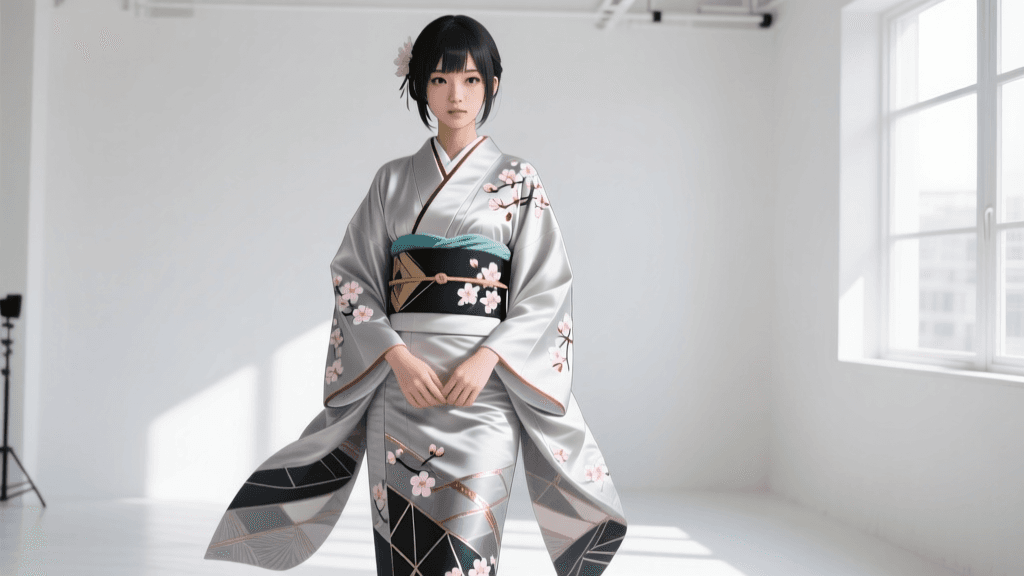
When Hollywood seeks to convey elegance, danger, or historical gravity, costume designers frequently turn to traditional Japanese silhouettes. Films like Memoirs of a Geisha and Kill Bill utilized the kimono not merely as clothing, but as narrative armor. The heavy, brocaded uchikake (outer robe) and the stark, monochromatic shiromuku (wedding kimono) communicate volumes about a character's status and intent before a single line of dialogue is spoken. In the realm of animation, the impact is equally profound. Anime franchises such as Demon Slayer (Kimetsu no Yaiba), Inuyasha, and Bleach have introduced millions of global fans to the mechanics of the haori (jacket) and hakama (pleated trousers).
This global fascination is not merely a modern phenomenon driven by screen media; it is part of a centuries-long dialogue between Japanese textiles and global fashion. As highlighted by the Victoria and Albert Museum's landmark exhibition, Kimono: Kyoto to Catwalk, the garment has continuously transcended borders, influencing everything from 19th-century European Japonisme to contemporary streetwear and global cinematic costuming. The museum's extensive research demonstrates how the kimono's T-shaped, non-restrictive silhouette offers a canvas for storytelling that Western tailored clothing simply cannot replicate.
Decoding Screen-Accurate Garments: Anime vs. Hollywood
To accurately recreate or draw inspiration from media, one must understand the divergence between historical accuracy and stylized media design. Hollywood period pieces generally prioritize historical authenticity in textile choice, utilizing heavy silk brocades (nishiki), hand-painted yuzen dyeing, and authentic obi knots like the taiko musubi or the elaborate fukura-suzume. The costuming in these films often requires the wearer to be dressed by professionals, as the layers of juban (undergarments), datejime (tying belts), and heavy silk restrict movement significantly.
Conversely, anime and manga prioritize dynamic movement and visual shorthand. The iconic black-and-white checkered haori worn by Tanjiro Kamado in Demon Slayer features the ichimatsu moyo pattern, historically popularized by an 18th-century kabuki actor. However, in the anime, the haori is depicted billowing dramatically in the wind, defying the natural weight of traditional cotton or silk. Cosplayers and fans looking to recreate these looks must often compromise between authentic fabric weight and the structural wire or lightweight synthetics required to achieve "screen-accurate" anime physics at conventions.
Sourcing Guide: Where to Buy Media-Inspired Pieces
Whether you are building a high-end cosplay, organizing a cinematic photoshoot, or simply integrating traditional pieces into a modern wardrobe, sourcing the right garment is critical. Below is a practical comparison of the three primary sourcing methods for media-inspired Japanese garments.
| Sourcing Method | Estimated Cost (USD) | Lead Time | Best Use Case | Authenticity Level |
|---|---|---|---|---|
| Vintage / Antique | $80 - $400 | Immediate | Photoshoots, Collecting, High-End Cosplay | High (Historical) |
| Modern Reproduction (Costume) | $40 - $150 | 1 - 3 Weeks | Convention Cosplay, Themed Parties | Low (Costume Grade) |
| Custom Tailored (Artisan) | $500 - $2,500+ | 2 - 6 Months | Screen-Accurate Film, Professional Theater | Very High (Bespoke) |
Actionable Advice: For cosplayers on a budget seeking authenticity, purchasing a vintage haori or hakama from Japanese online auction proxies (such as Buyee or ZenMarket) is often cheaper and vastly superior in quality to buying a polyester "costume" from a fast-fashion Halloween retailer. A genuine vintage cotton haori can often be secured for under $60, whereas a synthetic replica may cost $80 and look noticeably cheap on camera.
Practical Sizing and Styling for Cosplay
One of the most common hurdles for global fans is sizing. Traditional Japanese garments do not use Western S/M/L sizing, nor are they tailored to the body's curves. According to The Metropolitan Museum of Art's Heilbrunn Timeline of Art History, the kimono is constructed from straight bolts of fabric (tanmono) that are cut and sewn without wasting material, meaning the fit is adjusted entirely through the folding and tying of the obi, rather than through darts or seams.
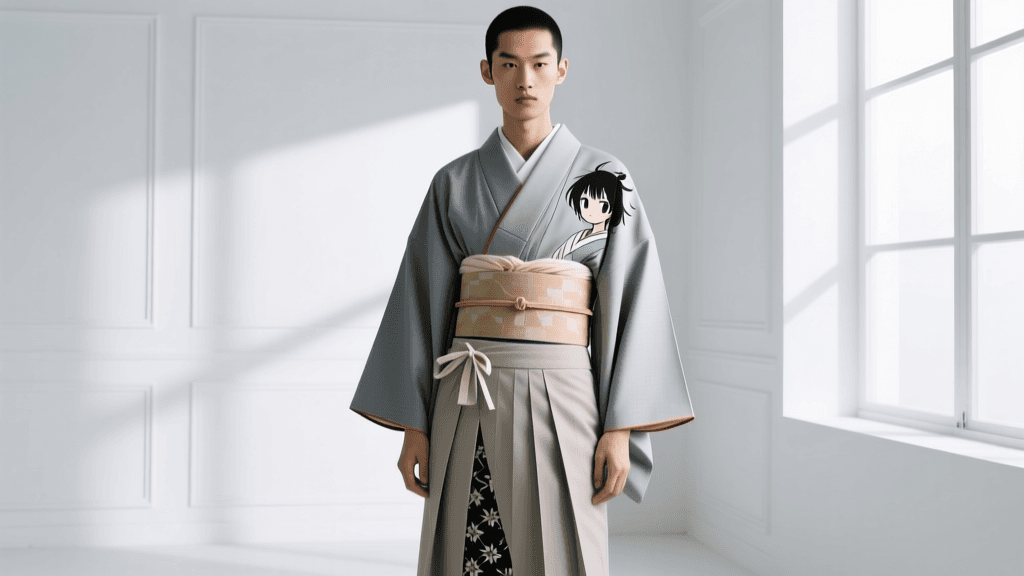
Sizing the Hakama: Unlike trousers, hakama are sized based on the wearer's height, not their waist. The rigid back panel (koshi-ita) should sit at the small of your back. A standard size 22 fits heights around 150 cm (4'11"), size 25 fits 165 cm (5'5"), and size 28 fits 180 cm (5'11"). Always measure from your navel to your ankle bone to determine your hakama length.
Styling the Obi for Media: In anime, the obi is often depicted as a simple, thin belt tied in a front knot. In reality, a formal obi is thick, stiff, and tied in complex back knots. To achieve an anime-accurate look while maintaining structural integrity, use a lightweight heko obi (soft, unlined silk or cotton sash) or a specialized cosplay foam belt painted to resemble brocade. This allows for the dramatic front-bows seen in magical girl and fantasy anime without the back strain of a 5kg formal silk obi.
Footwear and Accessories: Completing the Media Look
No screen-accurate Japanese garment is complete without the correct footwear. The split-toed tabi socks are mandatory when wearing zori (flat sandals) or geta (wooden clogs). When purchasing geta for a photoshoot or convention, be aware that traditional Japanese footwear is designed to be worn slightly smaller than the foot. Your heel should overhang the back wooden block by about 1 to 2 centimeters. This prevents the hem of your kimono or hakama from catching on the back of the shoe and dragging in the mud.
For characters like the shinobi or samurai seen in historical dramas, waraji (straw sandals) are frequently depicted. Because real straw waraji degrade quickly and are difficult to walk in on modern pavement, modern cosplayers often purchase synthetic hemp or rubber-soled replicas designed specifically for martial arts demonstrations and convention wear, which provide the visual aesthetic of the Edo period with the arch support required for a ten-hour convention day.
Cultural Appreciation in Global Fandom
As traditional Japanese garments become increasingly visible in global pop culture, the conversation around cultural appreciation versus appropriation naturally arises. The Japanese government and various cultural organizations actively encourage the global sharing of wafuku, viewing it as a vital component of cultural diplomacy and the "Cool Japan" initiative. The key to respectful participation lies in understanding the garment's context.
When wearing a kimono or hakama for a convention or photoshoot, avoid mixing the garment with overtly sexualized modifications that contradict its traditional modesty, such as hiking the hemline above the knee or wearing the collar backward (in Japanese culture, a backward or heavily opened collar is strictly reserved for the deceased). By taking the time to learn the proper left-over-right collar rule (migi-mae), tying the obi with respect, and understanding the historical weight of the textiles you wear, fans can celebrate the artistry of Japanese garment-making while honoring the culture that birthed these iconic media silhouettes.