Antique Silk Kimono & Hanbok Restoration Guide 2026
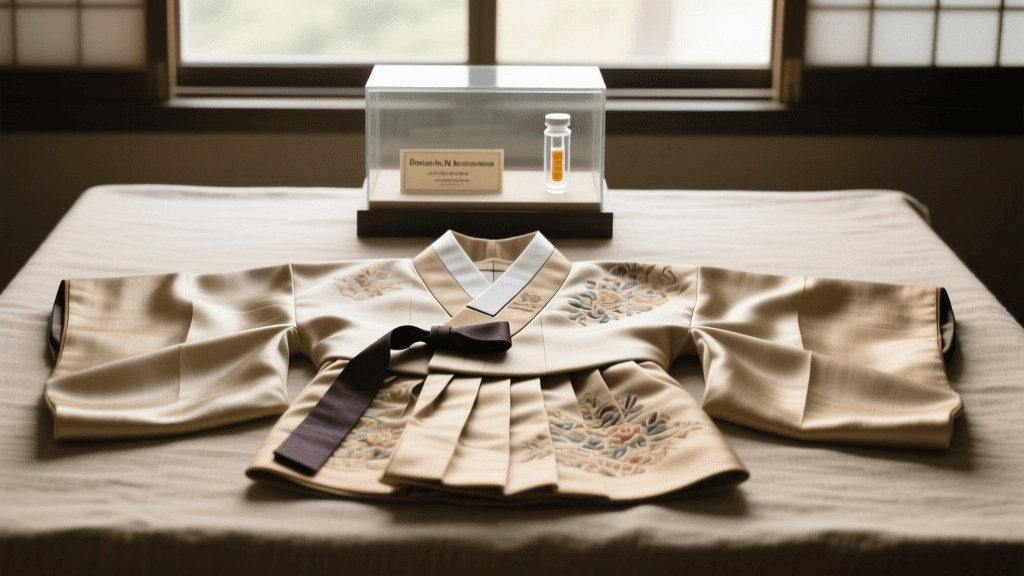
The Delicate Science of East Asian Silk Garments
Preserving antique East Asian garments, particularly the intricate silk kimonos of Japan and the vibrant silk hanboks of Korea, requires a profound understanding of textile chemistry. As we navigate the conservation landscape in 2026, the shift away from harsh, invasive chemical solvents toward sustainable, non-invasive bio-enzymatic treatments has revolutionized how private collectors and archivists approach garment restoration. Silk is a natural protein fiber composed primarily of fibroin, coated in a protective gum called sericin. Over decades, exposure to light, fluctuating humidity, and improper storage causes the fibroin chains to break down, leading to the dreaded 'shattered silk' phenomenon.
Unlike modern synthetic blends, vintage Asian silks are often dyed with natural, pH-sensitive pigments such as indigo, safflower, and madder root. According to the Victoria and Albert Museum's conservation guidelines, improper cleaning can strip these historic dyes and accelerate fiber degradation. Therefore, the 2026 standard for home collectors and boutique archivists emphasizes micro-environment control and targeted enzymatic cleaning over traditional wet-washing or dry-cleaning methods.
The 2026 Standard: Bio-Enzymatic Stain Restoration
Historically, removing organic stains from vintage kimono and hanbok silk involved risky solvent applications that often left water rings or dissolved metallic threads (such as gold-leaf couched embroidery). In 2026, the conservation community heavily relies on advanced bio-enzymatic cleaners. These specialized solutions utilize engineered proteases and amylases that target specific stain molecules—breaking down proteins, starches, and oils—without raising the alkalinity of the fabric or damaging the delicate fibroin structure.
When dealing with antique Asian garments, it is critical to identify the stain type before application. Protein-based stains (blood, sweat, food) require protease enzymes, while starch-based stains (rice paste, traditional sizing) require amylase. The American Institute for Conservation's Textile Wiki strongly advises against using off-the-shelf commercial laundry enzymes, as their high pH levels and added optical brighteners will permanently alter historic silk dyes. Instead, collectors must source conservation-grade, pH-neutral (6.5 to 7.0) enzymatic gels specifically formulated for museum textiles.
Step-by-Step Enzymatic Micro-Cleaning Protocol
If you are attempting localized stain reduction on a sturdy vintage hanbok skirt (chima) or a kosode kimono, follow this conservative 2026 protocol:
- Step 1: Surface Preparation. Use a micro-vacuum with a HEPA filter and a low-suction screen mesh to gently remove particulate dust. Never brush antique silk, as mechanical friction can snap weakened fibers.
- Step 2: Dye Fastness Test. Apply a microscopic drop of the enzymatic gel to a hidden seam allowance. Blot with a white cotton swab. If any dye transfers, abort the wet cleaning process immediately.
- Step 3: Targeted Application. Using a fine-tipped silicone spatula, apply a thin layer of conservation-grade enzymatic gel directly to the stain. Do not rub or agitate the fabric.
- Step 4: Dwell Time and Extraction. Allow the enzyme to dwell for exactly 10 to 15 minutes at room temperature (68°F/20°C). Place a highly absorbent, unbleached blotting paper beneath the stain. Using a damp (not wet) micro-swab, gently lift the broken-down stain molecules from the surface, transferring them to the blotting paper below.
- Step 5: Neutralization. Lightly mist the area with distilled water to halt the enzymatic action, and blot dry immediately with fresh archival paper. Allow the garment to air-dry flat in a dark, climate-controlled room.
Archival Storage: Building a Museum-Grade Environment
Proper storage is the single most effective preservation strategy for Asian traditional garments. The traditional method of folding kimonos into tatoushi (paper wrappers) or storing hanboks in wooden chests is no longer considered sufficient for long-term preservation due to the acidic nature of standard paper and the off-gassing of wood resins. The Canadian Conservation Institute mandates the use of inert, acid-free, and chemically stable materials for all historic textile storage.
In 2026, the gold standard for storing flat Asian garments involves utilizing unbleached, washed cotton muslin bags placed inside corrugated polypropylene or archival-grade Blue/Gray barrier board boxes. These boxes prevent environmental pollutants and acidic migration from affecting the silk. Furthermore, the use of Tyvek sheets as an interleaving barrier has become standard practice to protect delicate metallic embroidery and silk-slip weaves from abrasion during folding.
Buffered vs. Unbuffered Archival Tissue: A Critical Choice
When padding the folds of a kimono or stuffing the sleeves of a hanbok jeogori to prevent sharp creases, archivists must choose the correct tissue paper. Using the wrong type can cause severe chemical burns to the silk over time.
| Tissue Type | Composition | Best Used For | Avoid Using On |
|---|---|---|---|
| Buffered Tissue | Contains 3% calcium carbonate alkaline reserve (pH 8.5) | Plant-based fibers (cotton, linen, hemp), standard modern textiles. | Antique silk, wool, and protein-based fibers. The alkalinity degrades fibroin. |
| Unbuffered Tissue | Pure, neutral pH (6.5 - 7.0), no chemical additives. | All vintage silk kimonos, hanboks, and metallic embroidered garments. | Cellulose-based garments suffering from severe acid degradation (mold risk). |
For all East Asian silk garments, unbuffered, acid-free tissue is the mandatory choice. Roll the tissue into soft 'sausages' and place them inside the sleeves, collar folds, and hemlines to distribute the stress of gravity and prevent permanent creasing of the silk fibers.
Climate Control: Monitoring Temperature and Relative Humidity
Silk is highly hygroscopic, meaning it readily absorbs and releases moisture from the surrounding air. Fluctuations in Relative Humidity (RH) cause the fibers to swell and contract, leading to mechanical fatigue and eventual shattering. In 2026, smart-home integration allows collectors to maintain museum-grade environments without industrial HVAC systems.
The ideal climate for storing antique kimonos and hanboks is a stable 65°F (18°C) with an RH of 50% to 55%. Modern wireless hygrometers with data-logging capabilities can now alert collectors via smartphone apps if the RH deviates by more than 2% over a 24-hour period. To maintain this in a standard home environment, utilize a dedicated, interior-facing closet (away from exterior walls and direct sunlight) equipped with a silent, energy-efficient desiccant dehumidifier and UV-filtering LED lighting. Never store silk garments in basements or attics, where temperature swings and moisture accumulation guarantee mold growth and fiber rot.
Handling and Displaying Vintage Garments
When handling antique Asian garments for inspection, photography, or display, always wear clean, powder-free nitrile gloves. While cotton gloves were once the standard, conservation experts in 2026 prefer nitrile because cotton can snag on delicate metallic threads and fails to block the transfer of natural skin oils and salts to the fabric.
If you choose to display a vintage kimono on an ikou (traditional wooden kimono stand) or a hanbok on a mannequin, limit the display period to a maximum of three months. Prolonged exposure to gravity and ambient light, even indirect sunlight, will cause irreversible photodegradation of the natural dyes. Rotate your collection regularly, returning pieces to their dark, climate-controlled archival boxes to ensure these magnificent testaments to Asian cultural heritage survive for generations to come.