Kimono Travel Essentials 2026: What to Pack & Where to Wear
The 2026 Kimono Travel Renaissance
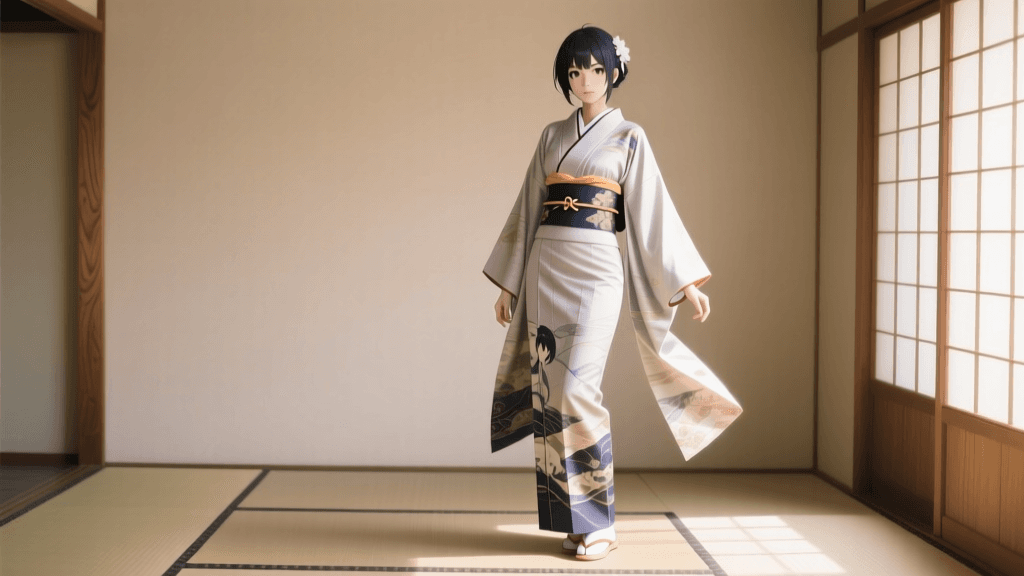
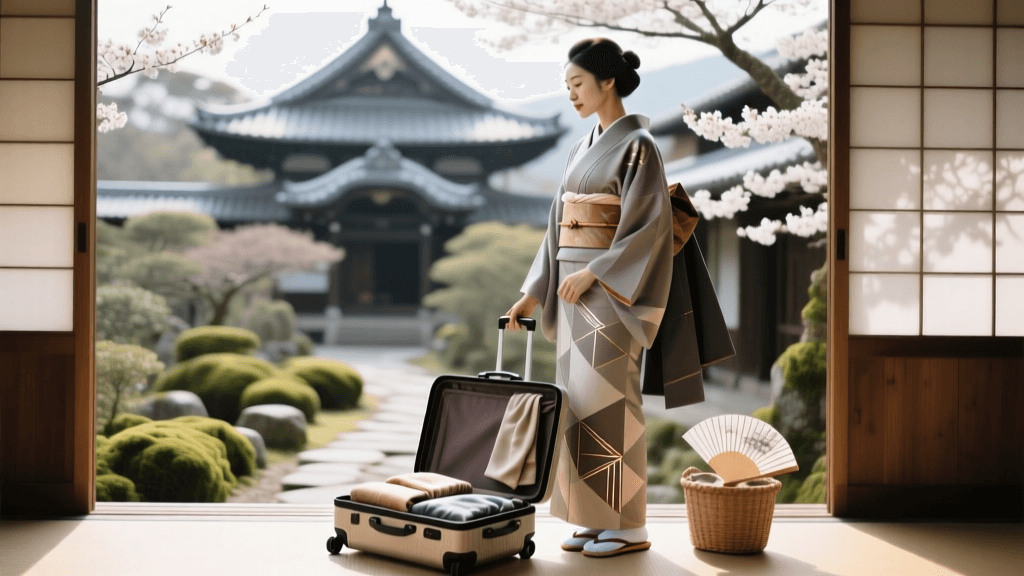
As global tourism embraces immersive, sustainable cultural experiences in 2026, the traditional Japanese kimono has transcended local ceremonies to become a centerpiece of international travel wardrobes. Travelers visiting Japan are no longer satisfied with merely observing the culture; they want to participate in it. While renting a garment on arrival remains popular, a growing movement of enthusiasts prefers to curate, pack, and style their own kimono and yukata collections. This approach not only supports the vintage textile market but also allows for a deeply personalized aesthetic while navigating the historic streets of Kyoto or the vibrant neighborhoods of Tokyo.
However, packing a kimono requires more than just folding a beautiful silk garment into a suitcase. The intricate layering system, delicate fabrics, and specific footwear demand careful logistical planning. Whether you are a seasoned kitsuke (dressing) practitioner or a beginner who has recently acquired a modern two-piece travel kimono, understanding what to pack, how to care for your garments on the road, and where it is appropriate to wear them is essential for a seamless journey.
Bring Your Own vs. Renting: A 2026 Comparison
Before you begin stuffing your luggage with silk and cotton, it is important to weigh the logistics of bringing your own garments against the convenience of Japan's robust rental industry. In 2026, the rental market has become highly sophisticated, offering everything from basic polyester yukatas to premium, hand-painted silk furisode. Below is a breakdown to help you decide which route suits your travel style.
| Factor | Bringing Your Own Garments | Renting in Japan (2026 Averages) |
|---|---|---|
| Financial Cost | Upfront investment ($150–$800+ for vintage/modern sets) | 6,500 to 15,000 JPY ($45–$100 USD) per day |
| Luggage Space | High (requires dedicated packing cubes and shoe bags) | Zero (frees up suitcase space for souvenirs) |
| Time & Convenience | Dress yourself in your hotel (30–45 minutes) | Salon appointment required (1–2 hours including transit) |
| Authenticity & Fit | Customized to your exact measurements and taste | Limited to salon inventory; tall/plus sizes can be scarce |
| Weather Flexibility | Choose specific seasonal fabrics (ro, sha, awase) | Salons dictate seasonal inventory availability |
For travelers planning multiple kimono outings or those with specific sizing requirements, bringing your own garment is highly recommended. If you only plan a single day of sightseeing in Kyoto, renting remains a hassle-free alternative.
The Ultimate Kimono Packing Checklist
Packing a kimono is an exercise in precision. You cannot simply pack the outer garment; the foundation layers and structural ties are what give the kimono its iconic, elegant silhouette. Here is your comprehensive packing list for a 2026 trip to Japan.
The Garments
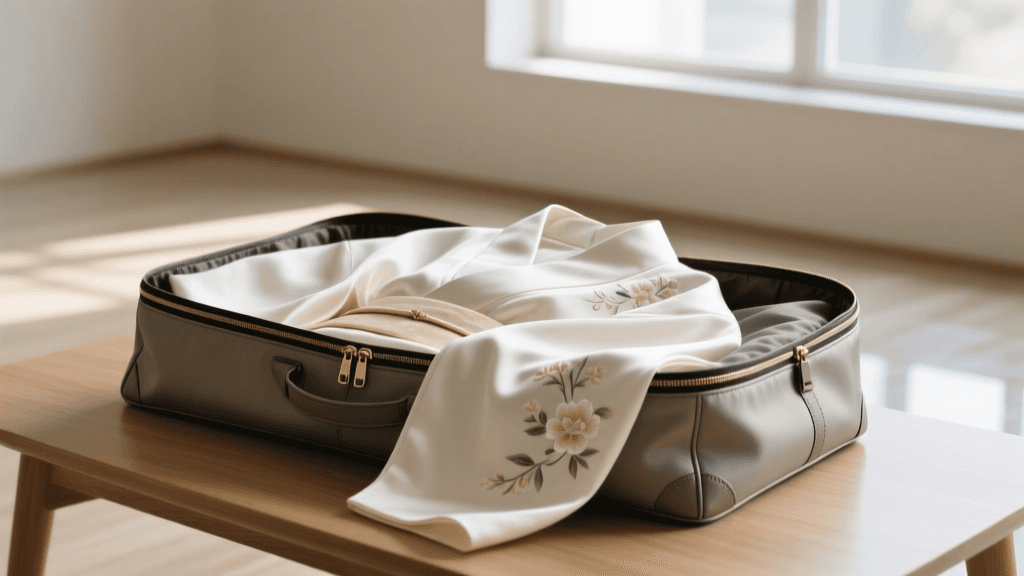
- Kimono or Yukata: For summer travel, pack a lightweight cotton yukata or a sheer silk ro kimono. For spring and autumn, a lined awase silk kimono or a wrinkle-resistant polyester blend is ideal. Always fold along the traditional seams to prevent permanent creasing.
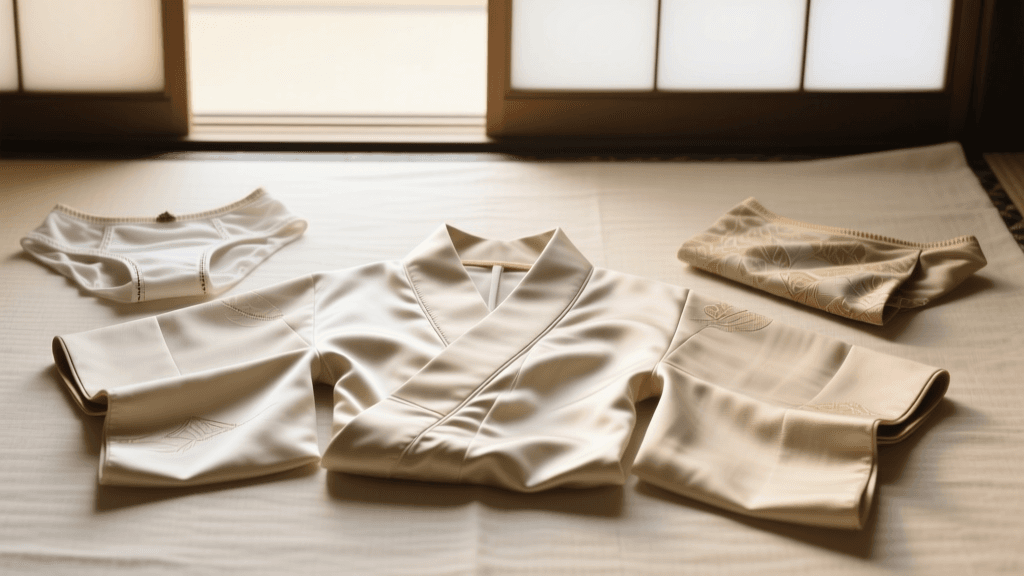
- Nagajuban or Modern Slip: The under-kimono protects your outer silk from sweat and oils. In 2026, many travelers opt for modern two-piece camisole and skirt slips (hadajuban and susoyoke) made from moisture-wicking athletic fabrics, which are far easier to pack and wash in hotel sinks.
The Structural Ties and Belts
- Koshihimo (Waist Ties): Pack at least four. These thin ties secure the kimono and nagajuban in place. While traditional silk ties are luxurious, modern stretch-polyurethane koshihimo are a travel favorite because they grip better and are easier to tie one-handed.
- Datejime: A wide, secondary belt tied over the koshihimo to flatten the front of the kimono and smooth out wrinkles. Velcro-fastened datejime are excellent for travel as they eliminate bulky knots.
- Obi-ita (Obi Board): A stiff board inserted inside the obi sash to keep it perfectly flat and prevent wrinkling when sitting. Choose a flexible, travel-sized plastic board rather than a rigid, full-length one.
The Obi (Sash) and Accessories
- Hanhaba Obi (Half-Width Sash): For casual travel and yukata wearing, a hanhaba obi is essential. It requires no additional accessories (like obijime or obiage) and can be tied in a simple, elegant bunko (bow) knot.
- Obijime and Obiage: If you are packing a formal Nagoya obi, you will need these decorative cord and silk scarf accessories to finish the look.
Footwear
- Tabi Socks: The split-toe socks required for traditional footwear. Pack at least two pairs of white cotton tabi. Black or patterned tabi are also acceptable for casual yukata wear.
- Zori or Geta: Crucial Travel Tip: Never bring brand-new wooden geta or woven zori on a trip. The rigid thongs (hanao) will cause severe blisters if not broken in. Wear them around your house with your tabi socks for at least two weeks prior to your departure.
Fabric Care: Managing Wrinkles on the Road
Japanese hotel rooms are notoriously compact, and closet space is often limited. Silk and cotton garments will inevitably develop fold lines during transit. To combat this, invest in a high-quality, dual-voltage portable travel steamer. Steamers are vastly superior to irons for kimono care, as the hot moisture relaxes the fibers without the risk of scorching delicate silk or flattening the woven texture of a yukata.
If you do not have a steamer, utilize the traditional "bathroom steam" method. Hang your kimono on a specialized, wide-shouldered kimono hanger (which you can pack by unscrewing the two-piece pole) and place it in the bathroom while you take a hot shower. Ensure the garment is far enough away from direct water splashes. The ambient steam will release minor wrinkles overnight. Never use the harsh, high-heat iron provided in hotel rooms directly on silk; if you must press cotton, always use a pressing cloth and a low-heat setting.
Where to Wear: Curating Your 2026 Itinerary
Knowing where your garments will be most appreciated and practical is key to a comfortable trip. The Kyoto City Tourism Association actively encourages respectful cultural dress, but the physical landscape of certain areas demands specific footwear and fabric choices.
Kyoto: Higashiyama and Arashiyama
The preserved historic districts of Higashiyama (leading up to Kiyomizu-dera) and the bamboo groves of Arashiyama are the premier destinations for kimono photography. However, be warned: the streets are paved with uneven, centuries-old cobblestones. Leave the towering wooden okobo or rigid geta at the hotel; opt for flat, rubber-soled zori or modern, ergonomic kimono shoes to save your ankles and maintain your balance.
Tokyo: Asakusa and Yanaka
Tokyo offers a more modern, fast-paced backdrop. In Asakusa, near the Senso-ji temple, a vibrant, patterned yukata or a bold, modern kimono fits perfectly with the bustling, festive atmosphere. For the quiet, retro neighborhood of Yanaka, a subdued, vintage aesthetic with a muted color palette and a subtle botanical pattern is highly appropriate.
Onsen Towns: Kinosaki and Kurokawa
If your itinerary includes a stay at a traditional hot spring town like Kinosaki Onsen, the dress code shifts entirely to the casual cotton yukata. In these towns, it is customary and expected to wear your yukata and geta while strolling from the ryokan to the various public bathhouses, even in the evening. This is the most relaxed and comfortable environment to enjoy traditional Japanese garments.
Navigating Modern Transit and Cultural Etiquette
Wearing a kimono in 2026 means interacting with hyper-modern infrastructure while adhering to centuries-old etiquette. The Japan National Tourism Organization (JNTO) provides excellent guidelines for travelers looking to respect local customs while navigating public spaces.
The Golden Rule: Left Over Right
When wrapping your kimono or yukata, the left panel must always cross over the right panel. Wrapping right-over-left is strictly reserved for dressing the deceased for burial. Before leaving your hotel, do a quick mirror check to ensure your collar forms a lowercase 'y' shape, not a reverse 'y'.
Mastering Transit
Navigating turnstiles, escalators, and crowded trains requires specific physical adjustments.
- Shinkansen and Trains: When sitting, gently sweep your sleeves forward onto your lap to prevent them from touching the floor or the seat. Sit shallowly on the edge of the seat to keep your back straight and prevent the obi from crushing against the seatback.
- Walking (Suriashi): Traditional footwear and tight skirts require a specific gait. Practice suriashi (sliding feet). Take smaller steps, keep your knees close together, and slide your feet along the ground rather than taking long, bounding strides. This not only preserves your modesty but also prevents the thongs of your zori from snapping.
- Stairs and Escalators: When climbing stairs, gently lift the front hem of your kimono with your right hand to avoid stepping on it. When descending, hold the hem slightly to the side to maintain balance and visibility of the steps.
Final Thoughts
Traveling with a kimono in 2026 is a deeply rewarding endeavor that bridges the gap between tourist and participant. By carefully selecting wrinkle-resistant fabrics, packing the correct structural undergarments, and respecting the physical limitations of traditional footwear, you can transform your Japanese itinerary into a living, breathing cultural experience. Whether you are sipping matcha in a quiet Kyoto tea house or navigating the neon-lit crossings of Tokyo, your thoughtfully packed garment will serve as a beautiful, respectful tribute to Asian traditions.