Vintage Silk Kimono Preservation & Enzyme Cleaning Guide 2026
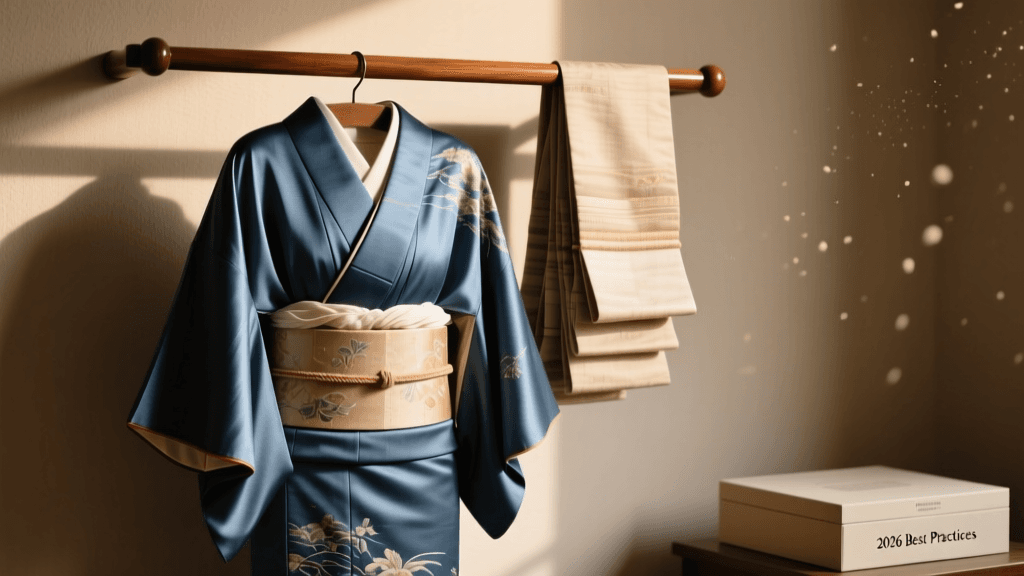
The Art and Science of Vintage Silk Kimono Preservation in 2026
Preserving the rich textile heritage of East Asia requires a delicate balance between honoring historical construction methods and utilizing modern conservation science. At The Garment Atlas, we recognize that vintage silk kimono, haori, and intricately woven obi from the Meiji, Taisho, and early Showa eras are not merely garments; they are fragile historical artifacts. As of 2026, the landscape of textile conservation has shifted dramatically. Harsh chemical solvents are being phased out globally due to stringent environmental regulations, making way for advanced bio-enzymatic cleaners and smart-monitored archival storage solutions.
Whether you are a private collector, a museum curator, or an enthusiast looking to protect a family heirloom, understanding the specific vulnerabilities of protein-based fibers is critical. This comprehensive guide outlines the 2026 gold standards for storing, cleaning, and restoring vintage silk kimono, ensuring these masterpieces survive for future generations.
The Unique Vulnerability of Vintage Silk
Silk is a natural protein fiber composed primarily of fibroin and sericin. While it boasts incredible tensile strength, it is highly susceptible to environmental stressors, particularly ultraviolet (UV) light, fluctuating humidity, and acidic contact. Furthermore, many vintage kimono produced in the late 19th and early 20th centuries underwent a process known as ‘silk weighting.’ Manufacturers treated the silk with metallic salts (like tin and iron) to increase its weight, drape, and luster. Over decades, these metallic salts catalyze oxidative degradation, leading to a phenomenon known as ‘shattering,’ where the silk literally cracks and disintegrates along fold lines. Preventing mechanical stress on weighted silk is the primary directive of modern preservation.
2026 Archival Storage Standards: Unbuffered Enclosures
The foundation of garment preservation is proper storage. According to the Canadian Conservation Institute (CCI), textiles must be stored in environments that neutralize acidic off-gassing while allowing the fibers to breathe.
Unbuffered vs. Buffered Tissue Paper
A common and catastrophic mistake made by amateur collectors is using buffered archival tissue paper. Buffered tissue contains calcium carbonate, an alkaline reserve designed to neutralize acids in plant-based fibers like cotton and linen. However, silk is a protein. Alkaline environments break down protein structures, causing silk to yellow and weaken. In 2026, the strict rule for kimono storage is to use only 100% unbuffered, acid-free, pH-neutral tissue paper.
Choosing the Right Enclosures
Standard plastic bins are entirely unsuitable for long-term silk storage, as they trap moisture and emit plasticizers that degrade fibers. The current industry standard involves using drop-front archival boxes manufactured from acid-free corrugated board or powder-coated steel, such as those produced by Hollinger Metal Edge or Gaylord Archival. Drop-front designs are crucial because they allow you to slide the kimono out horizontally without lifting it, thereby preventing gravitational stress on fragile, weighted seams.
Smart Climate Control and IoT Monitoring
Temperature and relative humidity (RH) fluctuations cause silk fibers to expand and contract, leading to micro-tears. The 2026 conservation standard dictates a stable environment of 65°F (18°C) and 50% RH. Today’s collectors utilize Internet of Things (IoT) smart hygrometers equipped with Bluetooth and Wi-Fi capabilities. These devices provide real-time alerts to your smartphone if the microclimate inside an archival cabinet deviates from the safe zone, allowing for immediate intervention before mold or desiccation can occur.
The Enzyme Cleaning Revolution: Navigating the Protease Trap
Historically, dry cleaning vintage kimono relied on tetrachloroethylene (perc), a harsh solvent that strips silk of its natural luster and damages metallic threads. With perc facing widespread bans in 2026, the conservation world has turned to bio-enzymatic cleaning. Enzymes are biological catalysts that target specific stain molecules without the need for aggressive mechanical agitation or high heat.
However, there is a critical caveat that every collector must understand: Never use protease enzymes on silk. Protease is designed to break down protein-based stains (like blood or sweat). Because silk itself is a protein, protease cannot distinguish between the stain and the garment, and will literally digest the kimono fabric.
Instead, 2026 conservation protocols utilize specialized enzyme formulations:
- Amylase: Safely breaks down starch-based stains, historical sizing, and carbohydrate spills without harming protein fibers.
- Lipase: Targets lipid and oil-based stains (such as sebum from skin contact or food oils) by breaking down triglycerides.
- Conservation-Grade Surfactants: For general soil, non-ionic, pH-neutral surfactants like Orvus WA Paste are used in localized, deionized water baths to lift dirt via micelle encapsulation.
For complex restorations, consulting a certified textile conservator listed on the American Institute for Conservation (AIC) Textile Wiki is highly recommended to ensure the correct enzymatic or surfactant protocol is applied.
Mold Remediation in High-Humidity Climates
For collectors in tropical or high-humidity regions, mold is a persistent threat to organic textiles. If a vintage kimono develops active fungal growth, do not attempt to wipe it with a wet cloth, as this drives the mycelium deeper into the weave. The 2026 protocol involves isolating the garment in a controlled chamber, allowing the mold to dry and become dormant, and then gently removing the spores using a museum-grade HEPA micro-vacuum with a screened nozzle. For residual staining, a localized application of 70% ethanol in deionized water can be used to kill remaining spores, provided the dyes have been rigorously tested for colorfastness.
The Hondatami Folding Technique and Crease Padding
Kimono are traditionally folded using the hondatami method, a specific geometric folding pattern that aligns the seams and prevents the garment from pulling out of shape. While this folding method is culturally and historically accurate, the repeated pressure on the exact same fold lines over decades will cause weighted silk to shatter at the creases.
To mitigate this, modern preservation requires crease padding. Before executing the hondatami fold, conservators roll unbuffered tissue paper into soft, cylindrical tubes and place them inside every major fold line. This creates a gentle curve rather than a hard crease, distributing the mechanical stress and preventing the fibroin structure from snapping. Additionally, the kimono should be refolded along slightly different lines every 12 to 18 months to ensure no single area bears permanent tension.
2026 Stain Treatment and Risk Matrix
The following table outlines the modern approach to common stains found on vintage Asian garments, contrasting outdated methods with current conservation standards.
| Stain Type | Historical Treatment (Pre-2020) | 2026 Conservation Standard | Risk to Silk |
|---|---|---|---|
| Sebum / Skin Oils | Perc Dry Cleaning / Harsh Degreasers | Localized Lipase Enzyme Application | Low (if pH neutral) |
| Sweat / Perspiration | Alkaline Soaps / Protease Cleaners | Deionized Water Flush / Neutral Surfactant | High (Protease digests silk) |
| Starch / Sizing | Hot Water Immersion | Amylase Enzyme in Cool Water | Low |
| Mold / Mildew | Bleach / UV Sunlight Exposure | HEPA Vacuum / 70% Ethanol Solution | Moderate (Dye testing required) |
| Rust / Iron Gall | Strong Acidic Rust Removers | Chelating Agents (e.g., EDTA) / Professional | High (Requires expert neutralization) |
Handling Protocols: The Glove Debate
A significant shift in textile handling has occurred in recent years. While white cotton gloves were once the universal standard for handling museum artifacts, they are now largely discouraged for delicate, heavily embroidered kimono and metallic obi. Cotton gloves reduce tactile sensitivity, increasing the likelihood of snagging fragile metallic threads or dropping the garment. Furthermore, cotton fibers can catch on rough embroidery. In 2026, the preferred method for handling vintage silk is to wash your hands thoroughly with unscented soap, dry them completely, and handle the garment with clean, bare hands. Nitrile gloves are reserved only for garments with known toxic historical dyes (such as arsenic-based greens) or when applying chemical treatments.
Conclusion
The preservation of vintage silk kimono and obi is an ongoing commitment to cultural stewardship. By abandoning harsh chemical solvents in favor of targeted bio-enzymes, utilizing unbuffered archival materials, and leveraging smart climate technology, collectors can halt the degradation of these exquisite garments. As we navigate 2026 and beyond, the integration of traditional Japanese folding wisdom with cutting-edge conservation science ensures that the vibrant history woven into every silk thread remains intact for centuries to come.