Vintage Kimono Auctions 2026: Appraisal & Bidding Guide
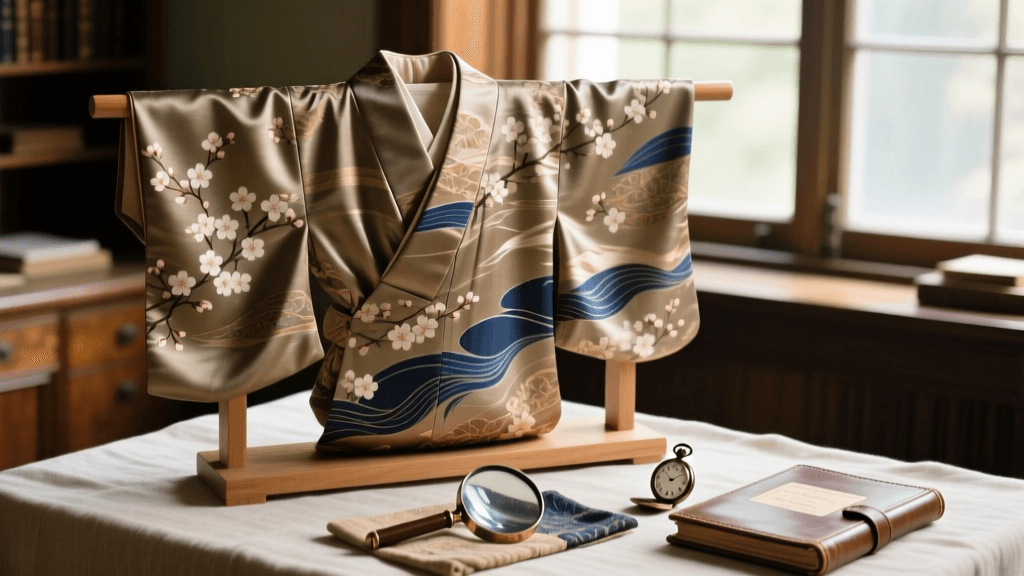
The secondary market for traditional Japanese garments has experienced a massive renaissance by 2026. Driven by a global shift toward sustainable fashion, upcycling, and a deep appreciation for artisanal craftsmanship, vintage kimono auctions have transformed from niche collector circles into a vibrant international marketplace. Whether you are a textile historian, a vintage fashion enthusiast, or an investor looking for undervalued silk garments, understanding the nuances of kimono appraisal and auction dynamics is essential.
In 2026, platforms like Yahoo! Auctions Japan remain the undisputed epicenter for secondhand kimono trading. However, navigating these auctions requires more than just a proxy bidding account; it demands a trained eye for textile composition, structural integrity, and historical provenance. This comprehensive guide will walk you through the core pillars of kimono value appraisal, essential search strategies, and how to accurately assess listings in the current market.
The 2026 Kimono Secondhand Market Landscape
The landscape of vintage Japanese clothing has shifted dramatically. While the domestic market in Japan was once saturated with discarded family heirlooms, the 2026 market reflects a more curated ecosystem. High-quality, pure silk garments from the Taisho (1912–1926) and early Showa (1926–1989) eras are increasingly scarce, driving up the hammer prices for mint-condition pieces. Conversely, the market is flooded with mass-produced synthetic garments from the late 20th century, making the ability to distinguish between authentic silk and modern polyester a critical skill for any bidder.
According to the Victoria and Albert Museum's extensive research on kimono structure and style, the traditional T-shaped garment is a masterclass in zero-waste design, constructed from straight bolts of fabric (tanmono) without cutting curves. This structural integrity means that even damaged vintage kimono hold immense value for upcyclers and textile artists who harvest the silk for modern garments, quilt making, or interior design.
Core Pillars of Kimono Value Appraisal
Appraising a kimono from a digital auction listing requires a systematic approach. Without the ability to physically touch the fabric, you must rely on high-resolution photography, seller descriptions, and an understanding of traditional Japanese textile terminology.
1. Textile Composition and Weave
The foundation of any kimono's value is its material. Pure silk (shouken / 正絹) is the gold standard. Within the silk category, specific weaves command premium prices:
- Chirimen (Crepe Silk): Known for its textured, pebbled surface, chirimen is highly prized for its drape and resilience against creasing. Vintage chirimen from the early Showa era is exceptionally sought after.
- Rinzu (Satin Weave): A glossy, intricately patterned damask silk. Rinzu is often used for formal garments and features woven background patterns that shimmer in the light.
- Tsumugi (Pongee): A slubbed, textured silk woven from pre-dyed threads. As highlighted by UNESCO's recognition of Yuki-tsumugi production techniques, this labor-intensive weaving method creates incredibly durable, lightweight, and breathable textiles that appreciate in value over time.
- Meisen: A highly collectible, boldly patterned silk from the Taisho and early Showa eras. Meisen kimono feature graphic, modernist designs that appeal heavily to contemporary vintage fashion collectors.
Bidders must be wary of jinken (rayon) and modern polyester. While rayon was popular in the mid-20th century and holds some vintage charm, it lacks the investment value of pure silk. Polyester, heavily produced in the 1970s and 1980s, generally holds minimal resale value unless it features exceptional artisanal dyeing.
2. Condition and Structural Integrity
Condition is the primary determinant of a garment's auction ceiling. Japanese sellers are notoriously meticulous about documenting flaws, but you must know what to look for in the photos:
- Shimi (Stains): Small, localized stains can often be spot-cleaned by a professional. However, large, dark, or mildewed stains significantly devalue the piece.
- Hiyake (Sun Fading): Often seen on the shoulders or back of vintage kimono that were displayed in sunny windows. Fading breaks the continuous flow of the dye and is virtually impossible to fix without complete re-dyeing.
- Kibi and Hiki (Snags and Pulls): Common in delicate weaves like Rinzu or loose weaves like Chirimen. While minor snags are acceptable for casual wear, they ruin the investment grade of a formal garment.
- Yakke (Folding Creases): Deep, permanent creases along the hem or obi lines indicate poor storage. While steaming can help, severe creases may have weakened the silk fibers.
3. Provenance and Artisan Seals
High-end formal kimono often feature a sasshiki (maker's seal) or a hiyaku (certificate of authenticity) hidden inside the lining or attached to the collar. Garments dyed using the traditional Yuzen or Katazome techniques documented by the Metropolitan Museum of Art may bear the stamp of a Living National Treasure or a renowned dyeing house like Chiso or Kawashima. Identifying these seals in auction photos can turn a seemingly ordinary listing into a high-value investment.
2026 Market Pricing and Appraisal Table
Understanding the baseline market value is crucial to avoid overbidding. The table below outlines the average 2026 auction dynamics for pure silk (shouken) garments in good to mint condition.
| Garment Type | Formality Level | 2026 Avg. Starting Bid | 2026 Avg. Hammer Price (Mint) | Key Value Drivers |
|---|---|---|---|---|
| Komon | Casual / Everyday | ¥1,000 | ¥5,000 - ¥15,000 | Edo Komon micro-patterns, Meisen graphics |
| Tsukesage | Semi-Formal | ¥3,000 | ¥20,000 - ¥45,000 | Yuzen dyeing, gold leaf application |
| Houmongi | Formal Visiting | ¥5,000 | ¥40,000 - ¥120,000 | Eba-moyo (continuous picture pattern), Rinzu silk |
| Furisode | Unmarried Formal | ¥10,000 | ¥80,000 - ¥250,000+ | Heavy Shibori tie-dye, elaborate embroidery |
| Uchikake | Wedding Outer Robe | ¥15,000 | ¥100,000 - ¥400,000+ | Thick padding, metallic thread weaving (Nishiki) |
Note: Prices are in Japanese Yen (JPY). International bidders must factor in 2026 proxy service fees, domestic shipping, and international consolidated freight.
Mastering Yahoo! Auctions Japan in 2026
To access these garments, international collectors rely on proxy bidding services like Buyee, ZenMarket, and Neokyo. In 2026, these platforms have streamlined their consolidation warehouses, allowing buyers to bundle multiple kimono purchases into a single, insured international parcel. However, the key to success lies in how you search the database.
Essential Japanese Search Terminology
Translating English terms into Japanese will exponentially increase your search results. Use these exact keywords in the Yahoo! Auctions search bar:
- 正絹 (Shouken): Pure silk. Always pair this with your garment search to filter out synthetics.
- リサイクル (Recycled): The Japanese term for secondhand or vintage clothing. A mandatory keyword for auction hunting.
- 絞り (Shibori): Tie-dye. Highly valued for its labor-intensive, three-dimensional texture.
- 友禅 (Yuzen): Resist-dyeing technique, known for painterly, intricate designs.
- アンティーク (Antique): Generally refers to pre-WWII garments (Taisho and early Showa).
- 難あり (Wear/Flaws): Use this as a negative keyword if you only want mint condition pieces, or search it specifically if you are a textile artist looking for cheap, damaged silk to harvest.
Identifying Misrepresented Listings
While most Japanese sellers are highly reputable, the global influx of resellers has led to some misrepresented listings. A common tactic in 2026 is labeling a garment as 'Antique' when it is actually a 1980s polyester reproduction. Always check the material tag if photographed, or look for the tell-tale synthetic sheen and stiff drape of polyester in the listing images.
Another red flag is the misidentification of formalwear. Sellers may list a Komon (casual) as a Houmongi (formal) to justify a higher starting bid. Remember the golden rule of kimono formality: if the pattern crosses the seams and creates a continuous image (Eba-moyo), it is likely a Houmongi. If the pattern is cut off at the seams and repeats, it is a Tsukesage or Komon.
Post-Auction Care and Preservation
Winning the auction is only the beginning. Once your vintage silk kimono arrives via international freight, it requires immediate stabilization. Never attempt to wash vintage silk at home. The dyes, particularly in older Yuzen and Shibori pieces, are highly sensitive to water and modern detergents.
Instead, air the garment out in a shaded, climate-controlled room for 48 hours to release any musty odors from long-term storage. If the garment has deep creases, use a professional steamer held at least six inches away from the fabric, or better yet, send it to a specialist Japanese textile conservator. Store your investments flat in acid-free tissue paper, away from direct sunlight and humidity, ensuring these masterpieces of Asian tradition survive for another century.
By mastering these appraisal techniques and leveraging the right search strategies, you can confidently navigate the 2026 kimono auction market, securing breathtaking pieces of wearable history while supporting the preservation of traditional Japanese craftsmanship.