Cheongsam in 2026 Global Fashion Media: Runway Trends
The Cheongsam's 2026 Renaissance in High Fashion
The cheongsam, also widely known as the qipao, has long stood as a paramount symbol of Chinese elegance, structural ingenuity, and cultural heritage. However, in 2026, this iconic garment has transcended its traditional boundaries to become a focal point in global fashion media. From the haute couture runways of Paris to the avant-garde editorial spreads of top-tier fashion magazines in New York and Milan, the cheongsam is experiencing a profound renaissance. Fashion journalists and critics are no longer treating the garment merely as a historical artifact or a niche ceremonial dress; instead, they are celebrating it as a dynamic, evolving canvas for modern sartorial expression.
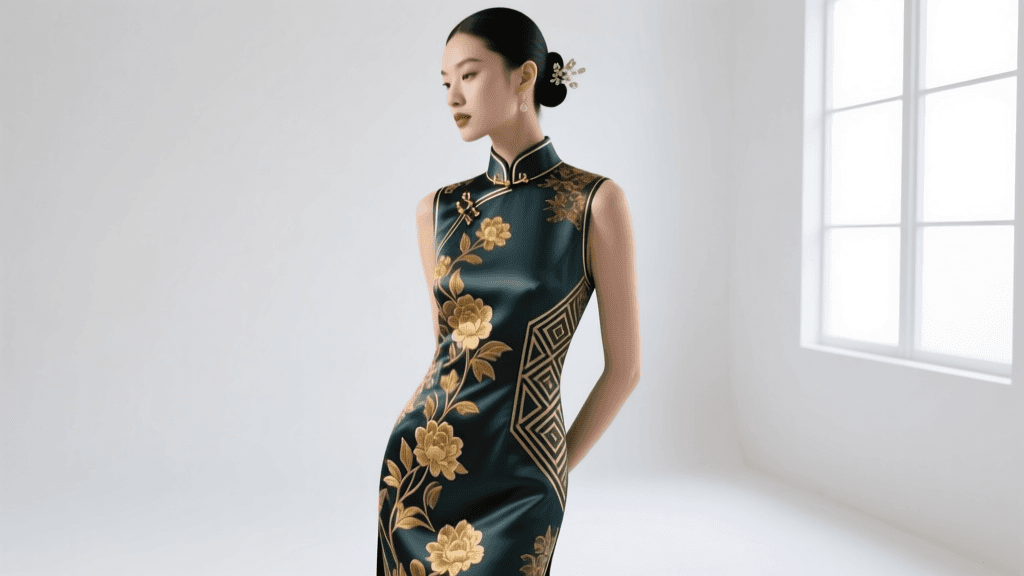
In the current 2026 fashion cycle, global media outlets are highlighting how contemporary designers are deconstructing and reimagining the classic silhouette. The traditional elements—the stiff mandarin collar (yuanling), the intricate frog fastenings (pankou), and the daring side slits (kaitou)—are being juxtaposed with sustainable textiles, asymmetrical hemlines, and gender-fluid tailoring. This shift reflects a broader industry movement toward cultural appreciation, where the rich history of Asian garments is honored through innovative, forward-thinking design rather than superficial exoticization.
Editorial Styling: How Top Magazines are Framing the Qipao
A review of 2026's most celebrated fashion editorials reveals a distinct visual language surrounding the cheongsam. Leading fashion publications have moved away from the cliché, hyper-romanticized backdrops of the past. Instead, stylists are placing the garment in stark, modern environments to emphasize its architectural qualities. It is common to see heavy silk brocade cheongsams photographed against brutalist concrete architecture or illuminated by harsh, neon cyberpunk lighting.
Accessories have also undergone a radical transformation in the media's styling lexicon. Rather than pairing the qipao with traditional jade jewelry or delicate heels, 2026 editorial spreads frequently feature the garment styled with chunky, utilitarian combat boots, oversized minimalist silver cuffs, and structured, avant-garde outerwear. This high-low styling approach, heavily championed by influential fashion editors this year, positions the cheongsam as a versatile, everyday luxury item rather than a costume reserved for special occasions.
Textile Innovations: Traditional Brocade Meets 2026 Sustainability
One of the most significant narratives in 2026 fashion journalism regarding the cheongsam is the revolution in textile sourcing. Historically, the qipao was crafted from heavy silk brocades, satins, and velvets. While these fabrics remain popular for ceremonial wear, global fashion media is currently fixated on how designers are integrating sustainable and bio-engineered fabrics into the traditional cut.
The table below outlines the primary textiles being utilized in 2026 runway collections and editorial features, comparing their traditional roots with modern applications.
| Textile Type | Traditional Characteristics | 2026 Media and Runway Application | Sustainability Factor |
|---|---|---|---|
| Heavy Silk Brocade | Stiff, richly patterned, woven with metallic threads, highly structured. | Used in heritage-inspired couture pieces; laser-cut to reduce fraying and weight. | Low (traditional sericulture); offset by zero-waste pattern cutting. |
| Peace Silk (Ahimsa) | Softer drape, slightly textured, historically rare for formal qipaos. | Favored for fluid, gender-neutral cheongsam designs featured in indie fashion zines. | High (silkworms are not harmed during harvesting). |
| Bio-Engineered Spider Silk | Non-existent in traditional garment history. | Utilized in avant-garde, sheer paneling and structural slits on major runways. | Very High (lab-grown, biodegradable, low water footprint). |
| Recycled PET Organza | Traditional organza was made from tightly twisted silk. | Used for voluminous, layered overlays that modernize the classic slim silhouette. | High (diverts plastic waste, reduces reliance on virgin petroleum). |
Navigating Cultural Narratives in Fashion Journalism
The representation of Asian traditional garments in Western media has historically been fraught with issues of cultural appropriation and orientalism. However, 2026 marks a pivotal turning point in fashion journalism. Influential critics and cultural historians are actively collaborating with fashion houses to ensure that the narrative surrounding the cheongsam is rooted in respect and historical accuracy.
To understand the depth of this garment, modern journalists frequently reference established cultural institutions. As detailed by the Victoria and Albert Museum, the qipao originated in 1920s Shanghai as a radical symbol of modernity and female emancipation, blending traditional Manchu tailoring with Western darting techniques. This historical context is vital, as it proves the garment was always meant to evolve. Furthermore, The Metropolitan Museum of Art highlights the structural evolution of Chinese dress, emphasizing how the cheongsam's silhouette adapted to the socio-political climates of the 20th century. By anchoring 2026 fashion coverage in these historical truths, global media is successfully shifting the conversation from exotic fetishization to an appreciation of sartorial engineering and cultural resilience.
The Consumer Guide: Acquiring a Runway-Inspired Cheongsam in 2026
For readers inspired by the 2026 global fashion media coverage, acquiring a modern, high-quality cheongsam requires an understanding of bespoke tailoring, contemporary pricing, and specialized garment care. Unlike off-the-rack Western dresses, a proper qipao demands precise measurements to achieve its signature second-skin fit without restricting movement.
Essential Measurements for the Modern Qipao
When commissioning or purchasing a modern cheongsam, you must provide the following specific measurements to ensure the structural integrity of the garment:
- Bust, Waist, and Hips: Measured at the fullest points. The cheongsam relies on precise darting rather than elastic or drawstrings.
- Hollow-to-Hem: Measured from the hollow at the base of the neck down to the desired hemline. In 2026, midi and asymmetrical lengths are trending heavily in editorial styling.
- Shoulder Width and Sleeve Circumference: Crucial for the set-in sleeve, which must allow for arm mobility despite the high armhole.
- Neck Circumference: The mandarin collar must sit flush against the neck without choking the wearer; a precise measurement allows for the traditional 1-2 cm gap of comfort.
2026 Market Pricing Tiers
The cost of a cheongsam varies wildly based on craftsmanship, textile origin, and designer prestige. Here is what consumers can expect in the current market:
- Haute Couture and Bespoke (Starting at $3,500+): Hand-rolled hems, custom-woven silk brocade, and intricate hand-embroidered motifs. These pieces are often featured in high-fashion editorials and are considered investment heirlooms.
- Mid-Tier Designer (Approx. $800 to $2,000): Ready-to-wear collections from established Asian and global fusion brands. These utilize high-quality peace silks and modern sustainable blends, offering excellent construction with contemporary cuts.
- Accessible Contemporary ($250 to $600): Mass-produced but ethically manufactured pieces that capture the 2026 aesthetic—such as relaxed fits and recycled organza overlays—though they may lack the internal structuring of bespoke garments.
Garment Care for Modern Textiles
Caring for a modern cheongsam requires attention to its specific fabric composition. Traditional heavy brocades must be strictly dry-cleaned to prevent the metallic threads from tarnishing or the stiff backing from warping. However, the 2026 favorites—peace silk and bio-engineered textiles—often require gentle hand-washing in cold water with a pH-neutral detergent. Always store your qipao on a wide, padded hanger to maintain the shoulder structure, and keep it in a breathable cotton garment bag away from direct sunlight to preserve the vibrant dyes.
Conclusion
The cheongsam's prominent placement in 2026 global fashion media is a testament to its enduring versatility and profound cultural significance. By embracing sustainable textiles, avant-garde styling, and historically informed journalism, the fashion industry is finally giving the qipao the nuanced, respectful platform it deserves. Whether viewed on a Parisian runway or styled in the streets of a modern metropolis, the cheongsam remains a masterclass in the intersection of heritage and high fashion.