Kimono vs Hanbok vs Cheongsam: 2026 Formal Fabric Guide
Introduction to Asian Formal Garments in 2026
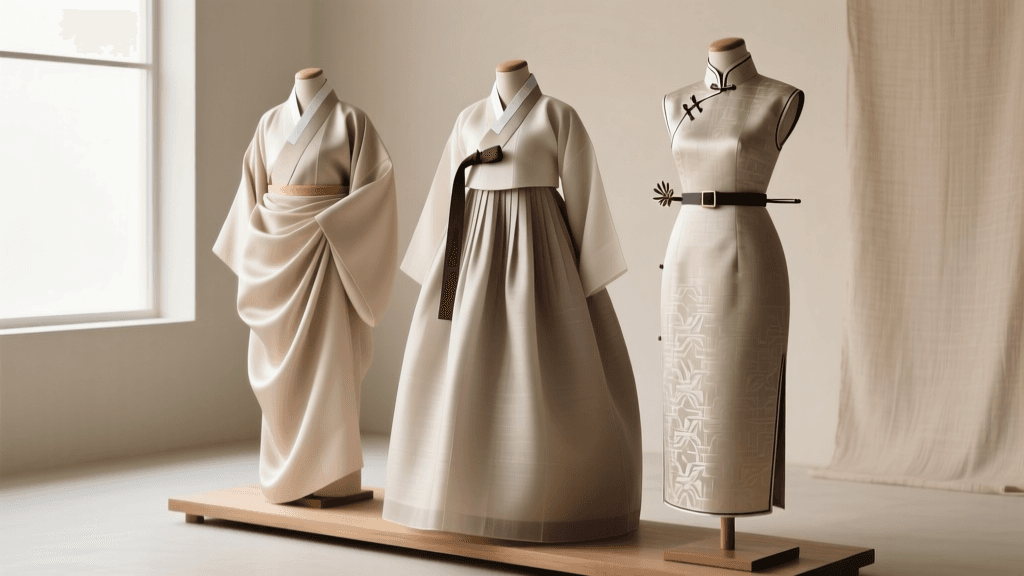
Asian traditional garments have transcended their historical roots to become staples of global haute couture and modern formalwear. In 2026, the distinction between a Japanese kimono, a Korean hanbok, and a Chinese cheongsam (qipao) is not merely visual; it is deeply rooted in textile engineering, fabric weight, and structural draping. Whether you are attending a high-society gala, a traditional wedding, or a diplomatic summit, understanding the technical nuances of these garments is essential for achieving the perfect silhouette. This guide compares the fabric weights, draping mechanics, and 2026 sourcing trends for these three iconic garments, providing actionable advice for collectors, stylists, and bespoke enthusiasts.
The Kimono: Structural Elegance and Silk Crepes
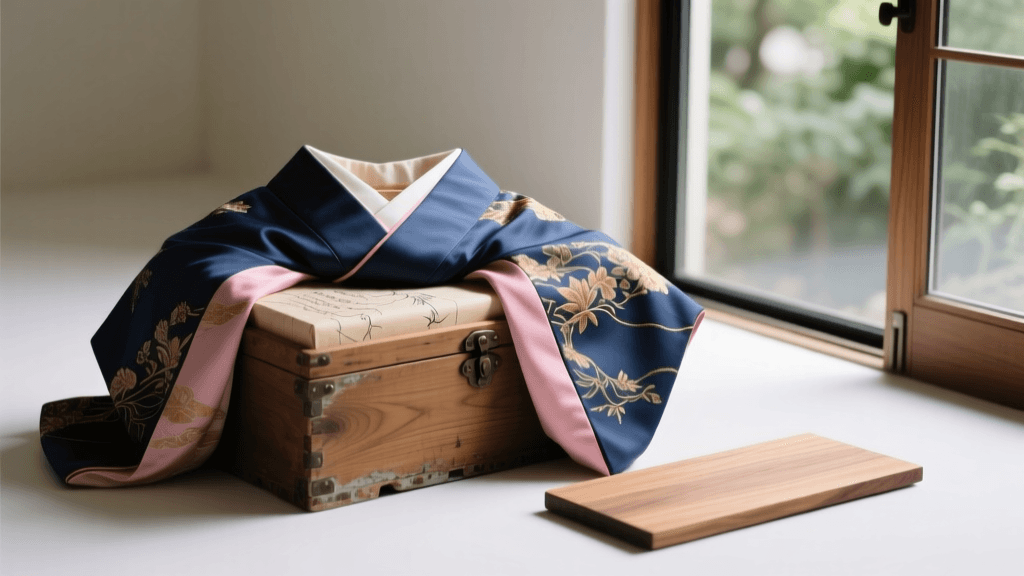
The Japanese kimono is defined by its T-shaped, straight-seam construction, which relies entirely on the weight of the textile and the underlying binding to create its silhouette. Unlike Western tailoring, the kimono does not hug the body; instead, it wraps and folds. For formal occasions in 2026, such as weddings or tea ceremonies, the most coveted fabrics are tango chirimen (a highly textured silk crepe) and rinzu (a glossy silk satin damask).
The drape of a kimono is heavily dependent on its momme (mm) weight, a traditional Japanese unit of measurement for silk. A standard formal kurotomesode (black crested kimono) typically utilizes 16 to 20 momme silk. This heavier weight ensures the garment falls in a fluid, unbroken line from the shoulder to the ankle, resisting wrinkles and providing the necessary anchor for the heavy, brocade obi (sash). According to the Metropolitan Museum of Art's Heilbrunn Timeline of Art History, the continuous evolution of Japanese silk weaving techniques has allowed modern weavers to produce these heavy crepes with unprecedented colorfastness and tensile strength, making 2026 vintage and newly woven silks equally durable.
The Hanbok: Volumetric Draping and Modern Organza
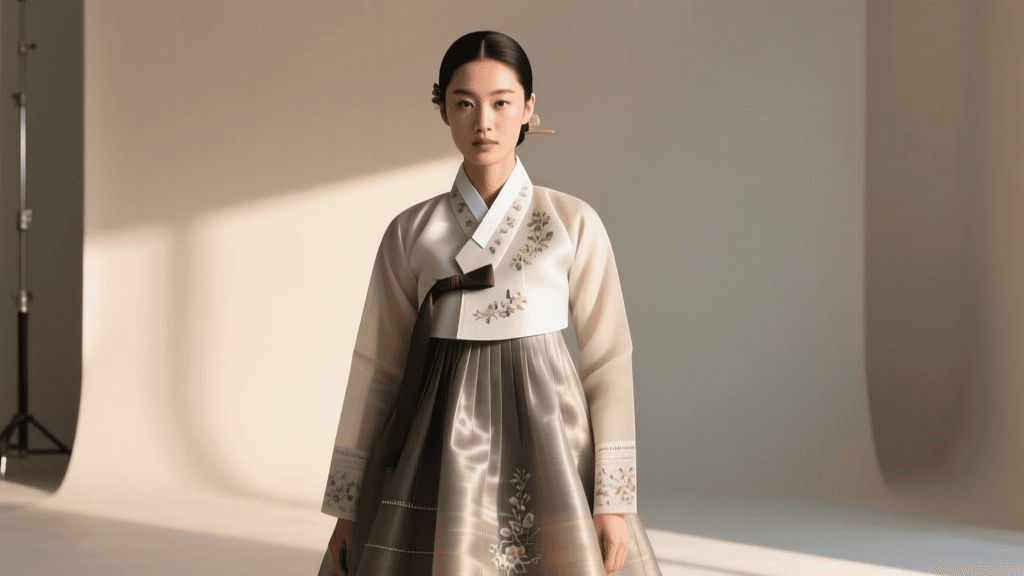
In stark contrast to the kimono’s columnar drape, the Korean hanbok is celebrated for its volumetric, architectural silhouette. The traditional women’s hanbok consists of the jeogori (a cropped, fitted jacket) and the chima (a full, high-waisted wrap skirt). The structural integrity of the hanbok does not come from heavy, dense fabrics, but rather from the stiffness and gathering of lighter, high-twist textiles.
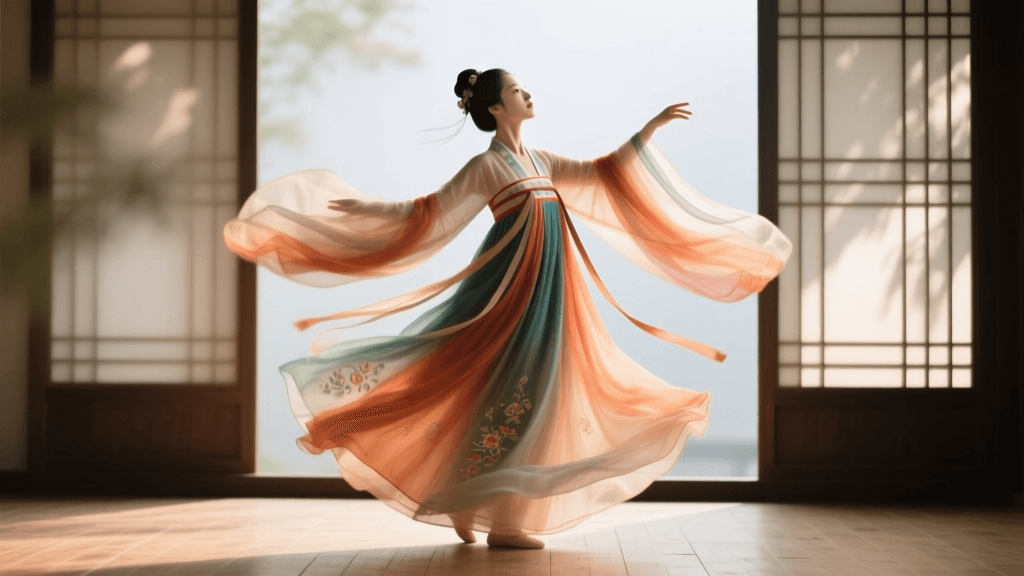
In 2026, modern formal hanbok designers are moving away from traditional soft sa (silk gauze) and heavily favoring weighted silk organza, stiff silk taffeta, and modern ramie-silk blends. A formal chima requires anywhere from 8 to 12 yards of 12 to 14 momme organza to achieve the signature bell shape without collapsing under its own weight. The crispness of the organza allows the skirt to project outward from the body, creating a dramatic, floating effect when the wearer moves. The jeogori, meanwhile, is often lined with a contrasting silk to provide stiffness to the collar (dongjeong) and the sleeve cuffs, ensuring the upper body maintains a sharp, geometric contrast to the voluminous skirt.
The Cheongsam: Bias-Cut Precision and Brocades
The Chinese cheongsam (or qipao), which evolved into its modern, figure-hugging form in 1920s Shanghai, represents the pinnacle of bias-cut tailoring in Asian fashion. Unlike the kimono and hanbok, the cheongsam is designed to map precisely to the wearer’s natural contours, requiring fabrics that possess both structural memory and fluid elasticity.
For 2026 formal galas, the most sought-after fabric is xiangyunsha (mud silk) from Guangdong, alongside heavy 22 to 25 momme silk brocades woven with metallic threads. The bias cut requires fabric with a specific tensile strength; if the silk is too light, the garment loses its sculptural, high Mandarin collar and the sharp lines of the side slits. To accommodate the demands of modern, multi-hour events, 2026 bespoke tailors in Shanghai and Singapore are increasingly weaving a 2% to 4% elastane thread into silk crepe de chine. This innovation provides the necessary micro-stretch for sitting and dancing while maintaining the illusion of a rigid, traditional brocade. The preservation of these complex silk weaving techniques is so vital to regional identity that it is documented in the UNESCO Intangible Cultural Heritage registry, highlighting the deep cultural significance of the textiles used in modern cheongsams.
Undergarments and Structural Padding
The outer fabric is only half the equation in Asian formalwear; the undergarments dictate the final silhouette.
- Kimono: Requires a hadajuban (undershirt) and nagajuban (full under-robe), along with multiple datejime (binding sashes) and padding to create a smooth, cylindrical torso. This padding prevents the body's natural curves from disrupting the straight lines of the silk.
- Hanbok: Relies on the sokchima (underskirt) and sometimes traditional padded under-layers to boost the volume of the outer chima. In 2026, lightweight, structured petticoats made of synthetic organza are often used to reduce the overall weight of the garment while maximizing volume.
- Cheongsam: Demands seamless, skin-tone foundation garments. Because the silk is cut on the bias and fits tightly, any lines from modern undergarments will disrupt the fluid, unbroken visual line of the dress.
2026 Fabric and Silhouette Comparison Chart
| Garment | Primary 2026 Formal Fabric | Average Weight (Momme) | Silhouette Mechanism | Best 2026 Occasion |
|---|---|---|---|---|
| Kimono | Tango Chirimen (Silk Crepe) | 16 - 20 mm | Wrapping, folding, and binding | Tea ceremonies, traditional weddings |
| Hanbok | Weighted Silk Organza | 12 - 14 mm | Gathering, pleating, and stiff underlayers | Chuseok, high-society galas, receptions |
| Cheongsam | Xiangyunsha / Silk Brocade | 22 - 25 mm | Western bias-cut and darting | Diplomatic summits, red-carpet events |
Sourcing, Bespoke Tailoring, and Pricing in 2026
Sourcing authentic, high-quality formal garments in 2026 requires navigating a market that heavily favors bespoke craftsmanship over mass production. The cost of bespoke tailoring has risen due to the increasing scarcity of master weavers and the high cost of raw, ethically sourced silk.
For a bespoke kimono, sourcing directly from the Nishijin district in Kyoto remains the gold standard. Expect to pay between $2,500 and $5,000 for a fully custom, hand-painted formal kimono with a matching woven obi. Lead times in 2026 average six to eight months. For the hanbok, the Bukchon Hanok Village in Seoul hosts premier ateliers where a modern, formal silk hanbok will cost between $1,200 and $2,800, with a much faster turnaround time of four to six weeks. The cheongsam market is dominated by master tailors in Shanghai’s former French Concession and Hong Kong’s Central district. A fully bespoke, hand-rolled hem cheongsam utilizing premium mud silk or heavy brocade will range from $1,500 to $4,000, requiring at least three separate fitting sessions over two months.
Ethical Sourcing and Textile Preservation
A major trend in 2026 is the demand for Ahimsa (peace) silk, where the silkworm is allowed to emerge from the cocoon before the silk is harvested. While this process breaks the continuous filament—resulting in a slightly more textured, matte finish compared to traditional reeled silk—it has become highly prized among eco-conscious consumers in the Asian formalwear market. When sourcing Ahimsa silk for a kimono or cheongsam, buyers must accept a slightly heavier drape and a more rustic luster.
Preserving these garments is equally critical. The Victoria and Albert Museum's Asian Collections department advises that heavy silk brocades and crepes should never be stored on wire hangers, as the weight of the fabric will cause irreversible stretching and shoulder distortion. Kimonos and hanboks must be folded flat along their traditional seam lines using acid-free tissue paper, while cheongsams should be hung on wide, padded wooden hangers in climate-controlled environments to prevent the bias-cut fibers from warping over time.
Conclusion
Understanding the technical differences between the kimono, hanbok, and cheongsam elevates the appreciation of Asian formalwear from mere aesthetics to textile engineering. Whether you are drawn to the heavy, grounded drape of a 20-momme Japanese silk crepe, the architectural, floating volume of a Korean silk organza skirt, or the precision-engineered bias cut of a Chinese mud silk brocade, 2026 offers unprecedented access to both traditional mastery and modern innovation. By prioritizing correct fabric weights, ethical sourcing, and bespoke tailoring, collectors and wearers can ensure these magnificent garments continue to command respect on the global stage.