Preserving Vintage Silk Kimonos: Archival Storage 2026
The Delicate Nature of Vintage Asian Silks
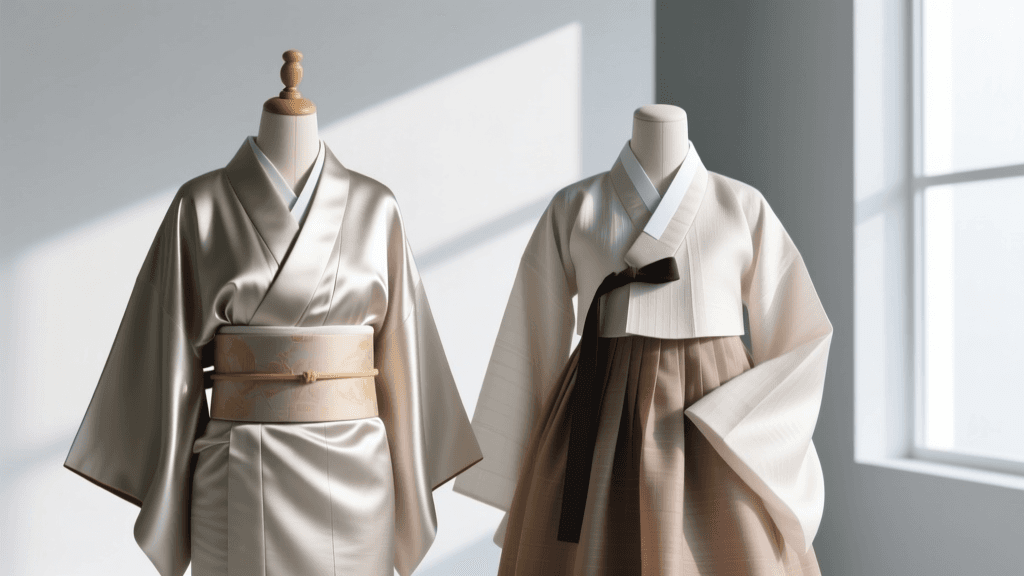
Preserving traditional Asian garments requires a delicate balance between ancestral wisdom and modern conservation science. Vintage silk kimonos, Korean hanboks, and Chinese qipaos are not merely clothing; they are woven artifacts of cultural heritage. However, silk is a protein fiber composed of fibroin and sericin, making it highly susceptible to environmental stressors, light degradation, and chemical breakdown. In 2026, collectors and archivists have access to advanced preservation tools, yet the foundational principles of textile care remain rooted in traditional practices.
Understanding Weighted Silks and Specialty Dyes
When caring for garments from the late 19th and early 20th centuries, it is crucial to understand the chemical treatments used during their creation. Many vintage kimonos and early qipaos feature 'weighted silk.' Manufacturers treated the silk with metallic salts, such as tin chloride, to increase the fabric's weight, drape, and luster. Over decades, these salts cause the silk fibers to become brittle and shatter, a phenomenon known as silk shattering. Furthermore, specialty regional textiles like Chinese xiangyunsha (gambiered Canton silk), which is dyed using yam juice and river mud, require highly specific pH-neutral environments to prevent the degradation of their unique waterproof coatings.
Traditional Tatoushi vs. Modern Archival Tissues
For centuries, the Japanese utilized tatoushi (traditional wrapping paper) to store kimonos inside tansu (wooden chests). Originally made from specific types of washi paper, modern archival equivalents have evolved. When building a preservation vault in 2026, choosing the right interleaving and wrapping material is critical to prevent dye transfer and acid migration.
| Material | Origin / Type | pH Level | Breathability | Best Use Case | 2026 Est. Cost |
|---|---|---|---|---|---|
| Traditional Tatoushi (Washi) | Japan / Mulberry Kozo | Neutral (7.0) | High | Wrapping entire kimono, Obi belts | $12 - $18 / sheet |
| Unbuffered Acid-Free Tissue | Global / Wood Pulp | Neutral (7.0) | Medium | Interleaving folds, stuffing sleeves | $25 / 100 sheets |
| Buffered Archival Tissue | Global / Calcium Carbonate | Alkaline (8.5) | Medium | Cotton/Linen Hanbok (AVOID for silk) | $28 / 100 sheets |
| Archival Tyvek Envelopes | Global / HDPE Fiber | Neutral (7.0) | Low (Waterproof) | Isolating heavily embroidered Obis | $4 - $8 / envelope |
Important Note: Never use buffered (alkaline) tissue on silk or wool. The alkaline reserve designed to neutralize acids in cotton and paper will actively damage protein fibers over time. Always select unbuffered, neutral pH tissues for Asian silk garments.
Smart Climate Monitoring for Garment Vaults in 2026
The environment inside a storage chest or archival box is just as important as the materials touching the fabric. According to the Canadian Conservation Institute, fluctuations in temperature and humidity cause silk fibers to expand and contract, leading to mechanical stress and eventual tearing at the fold lines.
In 2026, the integration of Matter-compatible smart hygrometers and Bluetooth Low Energy (BLE) micro-sensors allows collectors to monitor the micro-climate inside cedar tansu or archival Coroplast boxes without opening them. These sensors log data to cloud dashboards, alerting you via smartphone if the relative humidity (RH) breaches safe thresholds.
Ideal Environmental Parameters for Silk
- Temperature: 18°C to 20°C (64°F to 68°F). Avoid attics or basements where seasonal temperature swings are extreme.
- Relative Humidity (RH): 45% to 55%. Humidity above 60% invites mold and foxing; below 40% causes the silk to desiccate and shatter.
- Light Exposure: 0 Lux. Store in total darkness. UV radiation permanently severs the polymer chains in silk, causing irreversible yellowing and weakening.
- Air Quality: Filter out sulfur dioxide and nitrogen oxides, which can react with moisture to form acids that degrade metallic gold and silver threads often found in ceremonial kimonos.
Step-by-Step Kimono Folding and Wrapping Technique
Improper folding is the leading cause of damage to vintage kimonos. Hard, permanent creases will eventually cause the silk to split. The traditional Japanese folding method, known as hon-datami, is designed to distribute stress and align with the garment's seams.
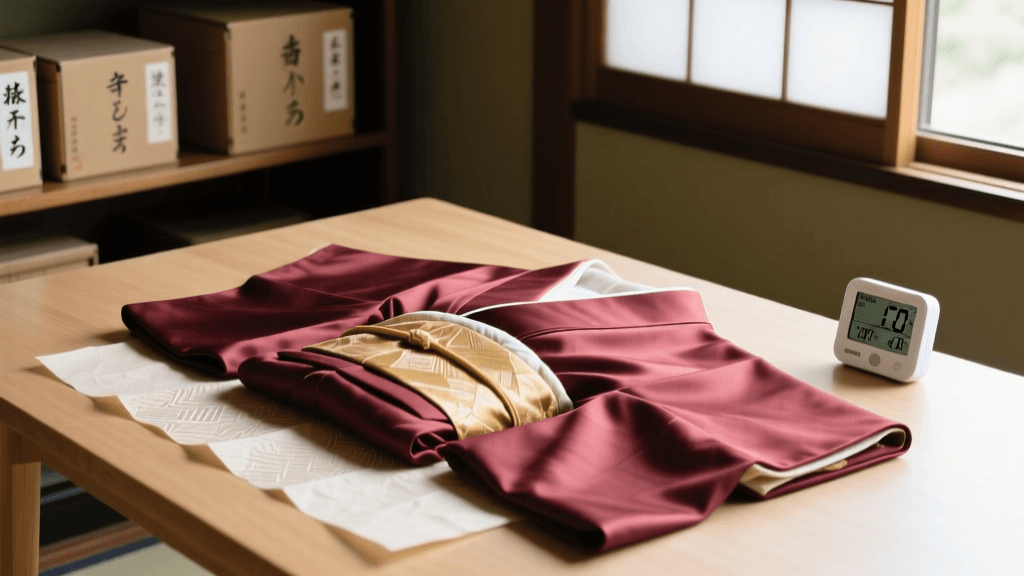
- Prepare the Surface: Lay a clean, unbleached cotton sheet or a large piece of Tyvek on a flat, acid-free work table. Ensure your hands are clean and free of lotions or oils; cotton archival gloves are recommended when handling heavily embroidered or metallic areas.
- The Hon-Datami Fold: Lay the kimono face down. Fold the left side over the center, then fold the right side over the left. Fold the sleeves back so they do not overlap the body's fold lines. Finally, fold the garment in thirds horizontally.
- Interleaving the Folds: This is a critical 2026 best practice. Before making the final horizontal folds, place a sheet of crumpled unbuffered acid-free tissue paper inside the fold. This creates a soft, rounded roll rather than a sharp, hard crease, preventing stress fractures in the silk.
- Wrapping in Tatoushi: Place the folded kimono in the center of a large sheet of archival tatoushi or unbuffered tissue. Fold the paper over the garment, tucking the edges in neatly. Never use tape or adhesives on the wrapping paper.
- Storage Orientation: Store the wrapped kimono flat in an archival box or cedar drawer. Never hang a vintage silk kimono on a hanger for long-term storage, as the weight of the fabric and the heavy Obi will distort the shoulder seams and cause irreversible stretching.
Pest Prevention: Cedar, Camphor, and Pheromone Traps
Textile pests, specifically the webbing clothes moth and the carpet beetle, are the natural enemies of protein fibers. Historically, naphthalene mothballs and paradichlorobenzene (PDB) crystals were used to fumigate storage chests. Today, we know these chemicals are not only toxic to humans but also leave residue that can melt synthetic threads and degrade delicate natural dyes.
The Victoria and Albert Museum recommends a multi-tiered, non-toxic approach to pest management. For Asian garments, traditional Japanese camphor wood (kusunoki) chests naturally repel insects, though their efficacy diminishes over decades. In 2026, the gold standard for monitoring involves placing discrete, non-toxic pheromone traps inside the storage room (not directly inside the garment boxes) to detect the presence of male moths before an infestation can take hold.
If you must use a repellent inside the storage box, opt for sustainably harvested, kiln-dried cedar blocks or sachets of dried lavender and cloves. Ensure these botanicals are wrapped in unbuffered tissue so their natural oils do not transfer directly onto the silk, which could cause localized staining.
When to Seek Professional Restoration
Despite meticulous care, vintage garments may exhibit signs of age that require professional intervention. If you notice dye migration (colors bleeding into adjacent areas), localized shattering along fold lines, or the detachment of metallic couched embroidery, do not attempt DIY repairs.
Modern textile conservators utilize advanced techniques, such as microscopic laser cleaning and custom-dyed silk crepeline overlays, to stabilize shattering silk without altering the garment's historical integrity. Always consult a certified textile conservator who specializes in Asian heritage garments. Proper preservation is not just about maintaining the monetary value of a kimono or hanbok; it is about safeguarding the intricate artistry and cultural narratives woven into every thread for future generations.