Decoding Douyin Hanfu Street Fashion: Trends and Tips
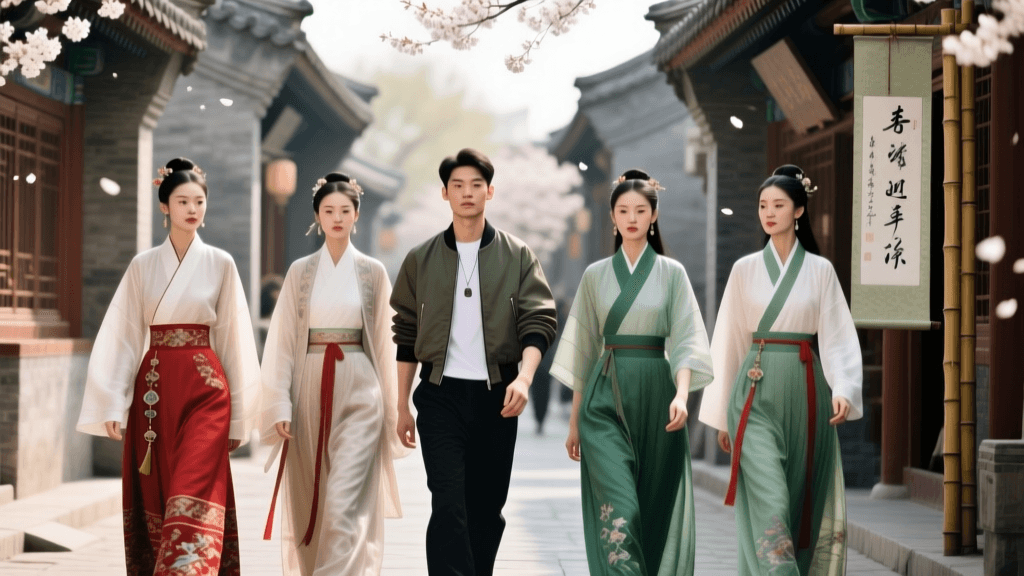
The intersection of ancient Chinese sartorial traditions and modern social media algorithms has birthed one of the most visually stunning fashion phenomena of the decade. On Douyin, the Chinese counterpart to TikTok, traditional garments are no longer confined to museum exhibits or historical reenactments. Instead, they dominate the streets of Chengdu, Hangzhou, and Beijing, propelled by influencers who have turned the Hanfu Movement into a multi-billion-dollar global streetwear trend.
For global enthusiasts and content creators, understanding the mechanics of Douyin street fashion is essential. It is not just about wearing the clothes; it is about mastering the styling hacks, the camera transitions, and the precise tailoring required to make these ancient silhouettes look effortlessly modern. In this comprehensive guide, we decode the top Douyin Hanfu street fashion trends, providing actionable advice on sourcing, sizing, and filming your own viral street snaps.
The Anatomy of a Viral Douyin Hanfu Transition
If you have spent any time on Asian street fashion feeds, you have likely witnessed the iconic 'Hanfu Transition.' This video format relies on a stark contrast between mundane modern clothing and breathtaking traditional attire, synchronized perfectly to a heavy bass drop or traditional instrumental beat.
Mastering the 'Drop' Technique
The most critical element of a Douyin transition is the timing of the garment reveal. Influencers typically time the 'drop' to hit exactly at the 0:12 or 0:15 mark of a trending audio track. To replicate this:
- The Prop Toss: Begin in modern streetwear holding a traditional prop, such as an oil-paper umbrella or a silk folding fan. Toss the prop directly at the camera lens to create a natural 'wipe' transition.
- The Skirt Spin: For the Mamianqun (horse-face skirt), the transition often involves grabbing the waistband and letting the heavy, pleated fabric drop and flare out in a 360-degree spin just as the beat hits.
- Frame Rate Matching: Film the 'before' clip at standard 30fps, but switch to 60fps or 120fps for the 'after' clip. This allows you to slow down the fabric movement in post-production (using apps like CapCut) to give the silk and brocade a cinematic, ethereal float.
Top 3 Hanfu Silhouettes Dominating Street Snaps
Douyin influencers rarely wear full, historically rigid ensembles for everyday street snaps. Instead, they utilize 'Hanfu fusion' or select specific dynastic silhouettes that translate well to modern urban environments.
1. The Ming Dynasty Mamianqun (Horse-Face Skirt)
The undisputed queen of Douyin street fashion is the Mamianqun. Characterized by its flat front and back panels with heavily pleated sides, this skirt is incredibly versatile. Influencers in Chengdu's Taikoo Li district frequently pair heavily brocaded Mamianqun with modern black turtlenecks, cropped leather jackets, or tailored blazers. The contrast between the ornate, gold-woven traditional skirt and sleek, minimalist modern tops creates a high-fashion editorial look that performs exceptionally well on algorithmic feeds.
2. The Song Dynasty Beizi (Long Coat)
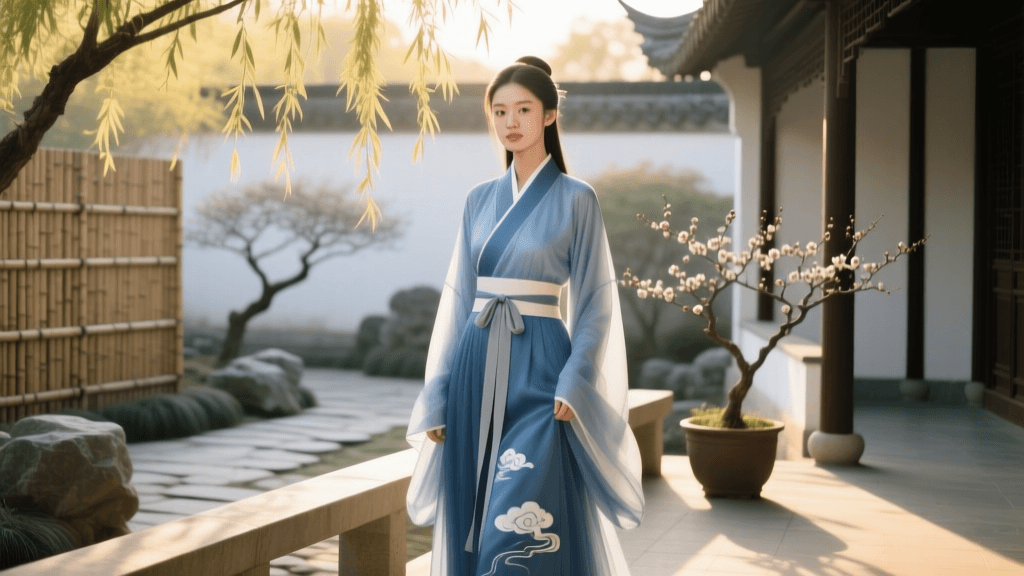
For a more subdued, intellectual, and minimalist aesthetic, the Song Dynasty Beizi is the go-to choice. This is a long, open-front coat with side slits, usually worn over a pleated skirt and a simple camisole. Douyin creators often style the Beizi in muted, earthy tones—celadon greens, soft creams, and slate grays. It is the preferred silhouette for 'quiet luxury' street snaps, often filmed in botanical gardens or traditional tea houses, emphasizing graceful, slow-paced walking shots.
3. The Tang Dynasty Qixiong Ruqun (Chest-High Skirt)
When the goal is pure cinematic drama, the Tang Dynasty chest-high skirt takes center stage. Tied securely above the bust, this silhouette allows for massive amounts of flowing fabric. It is heavily favored for nighttime street shoots in Xi'an, where influencers use LED-lit hairpins and glowing lanterns to illuminate the translucent silk layers against the dark, neon-lit urban backdrop.
Data Table: The Douyin Hanfu Styling Matrix
Choosing the right silhouette depends on your filming goals, budget, and local climate. Use the matrix below to select the ideal garment for your next street fashion shoot.
| Silhouette | Estimated Cost (USD) | Skirt Length | Best Season | Douyin Vibe / Transition Style |
|---|---|---|---|---|
| Ming Mamianqun | $60 - $150 | 100 - 105cm | Autumn / Winter | Urban Chic, Slow-Mo Spin, Modern Fusion |
| Song Beizi Set | $45 - $90 | 90 - 100cm | Spring / Summer | Ethereal, Minimalist Walk, Quiet Luxury |
| Tang Qixiong | $50 - $120 | 110 - 120cm | Summer | Cinematic, Dramatic Drop, Nighttime Neon |
Actionable Sourcing: Where to Buy Douyin-Approved Hanfu
To achieve the authentic drape and fabric weight seen on Douyin, you must source from established Chinese manufacturers. While international retailers exist, the most dedicated enthusiasts use Taobao via shopping agents like Superbuy or CSSBuy to access domestic collections.
Top Brands to Follow
- Shisanyu (十三余): Known for high-concept collaborations with popular anime and television dramas. Their pieces are heavily stylized, making them perfect for dramatic, fantasy-inspired street snaps. Expect to pay between $70 and $130 per set.
- Zhongzheng Hanfu (重回汉唐): A pioneer in the Hanfu revival, this brand focuses on historical accuracy and premium fabrics like mulberry silk and heavy jacquard. Ideal for the 'quiet luxury' Song and Ming aesthetics. Prices range from $100 to $250.
- Tingyue (听月小筑): Excellent for Ming Dynasty Mamianqun with intricate, metallic-woven motifs that catch the light beautifully during slow-motion video transitions.
Critical Sizing and Measurement Hacks
The biggest mistake Western buyers make is ordering Hanfu using standard Western sizing charts. Traditional garments rely on flat-pattern cutting and tie-closures rather than elastic or zippers.
Pro-Tip for Mamianqun: Never guess your waist size. The skirt must wrap around your waist and overlap securely using side ties. Measure your natural waist, then add 2-3 inches to ensure the flat front panels overlap correctly without exposing the pleats underneath. For length, measure from your natural waist to 3cm above the ground while wearing the shoes you intend to film in.
Filming Techniques for the Douyin Aesthetic
Having the right garment is only half the battle. The 'Douyin look' is defined by specific camera techniques and color grading that elevate a simple outfit check into a piece of digital art.
Camera Settings and Gear
Most top-tier Douyin street snaps are not filmed on smartphones. They utilize mirrorless cameras (like the Sony A7S III or Fujifilm X-T4) paired with a 35mm or 50mm prime lens. The 35mm lens is particularly favored for 'environmental portraits,' allowing the photographer to capture the sweeping architecture of the street alongside the flowing garments. Always shoot in 4K at 60fps. This provides the necessary data to slow the footage down to 40% speed in post-production without introducing motion blur or stuttering.
Lighting and Color Grading
For daytime shoots in areas like Chengdu's Jinli Street, utilize the 'golden hour' (the hour just after sunrise or before sunset) to cast long, dramatic shadows that highlight the texture of the brocade. For nighttime shoots, Douyin creators often employ a portable RGB LED tube light hidden just out of frame to cast a subtle rim light on the hair and shoulders, separating the subject from the dark background. In editing, push the contrast, lower the highlights to save the details in metallic embroidery, and apply a subtle film grain to give the digital footage a nostalgic, timeless feel.
Conclusion
The Douyin Hanfu street fashion phenomenon is a testament to the living, breathing nature of traditional Asian garments. By understanding the historical silhouettes, mastering the technical aspects of sourcing and sizing, and applying modern cinematic filming techniques, anyone can participate in this global sartorial renaissance. Whether you are walking the streets of your local city or planning a destination shoot in China, the fusion of ancient threads and modern lenses offers endless creative possibilities.