Heian vs Edo Period Kimono: History and Modern Styling Guide
The Evolution of Japanese Dynasty Fashion
Japanese traditional clothing is not a static monolith; it is a dynamic tapestry woven through centuries of shifting political power, aesthetic philosophies, and sumptuary laws. For collectors, historians, and modern enthusiasts of the Victoria and Albert Museum's textile archives, understanding the transition from the aristocratic Heian period to the merchant-driven Edo period is crucial. This guide explores the profound differences between these two defining eras of Japanese dynasty fashion and provides actionable advice on how to source, measure, and style these historical garments today.
The Heian Period (794–1185): The Zenith of Layered Elegance
The Heian period represents the pinnacle of Japanese courtly aesthetics. Isolated from mainland Asian influences, the imperial court in Heian-kyo (modern-day Kyoto) developed a highly refined, indigenous culture. Fashion was dictated by the aristocracy, and the ultimate expression of this was the junihitoe (twelve-layer robe). According to the Izutsu Costume Research Institute, the junihitoe was less about warmth and more about the visual poetry of layered silk.
Noblewomen wore multiple layers of uchigi (unlined robes) over a hitoe (single lining), topped with a karaginu (short jacket) and a mo (apron-like train). The aesthetic focus was on kasane no irome—the meticulous color combinations of the sleeve and collar edges that represented specific seasons, flora, and poetic motifs. For instance, a layering of pale green over white signified early spring plum blossoms.
Actionable Advice: Sourcing and Styling Heian-Inspired Garments
While a full twelve-layer junihitoe is impractical for modern wear and prohibitively expensive, you can incorporate Heian aesthetics into your wardrobe through simplified layering.
- Product Focus: Seek out a modern reproduction itsutsuginu (five-layer robe) or a standalone kariginu (hunting robe, originally for men but adapted for women's formal wear).
- Cost Expectations: Authentic silk Heian reproductions from Kyoto ateliers like Chiso or Izutsu range from $1,500 to $4,000. Synthetic blends for theatrical use cost between $300 and $600.
- Styling Tip: To achieve the Heian silhouette without the weight, wear a standard modern kimono but layer a contrasting han-eri (false collar) and a sheer, heavily embroidered uchikake (outer robe) left open to mimic the cascading sleeve effects of the court.
The Edo Period (1603–1867): The Birth of the Modern Kimono
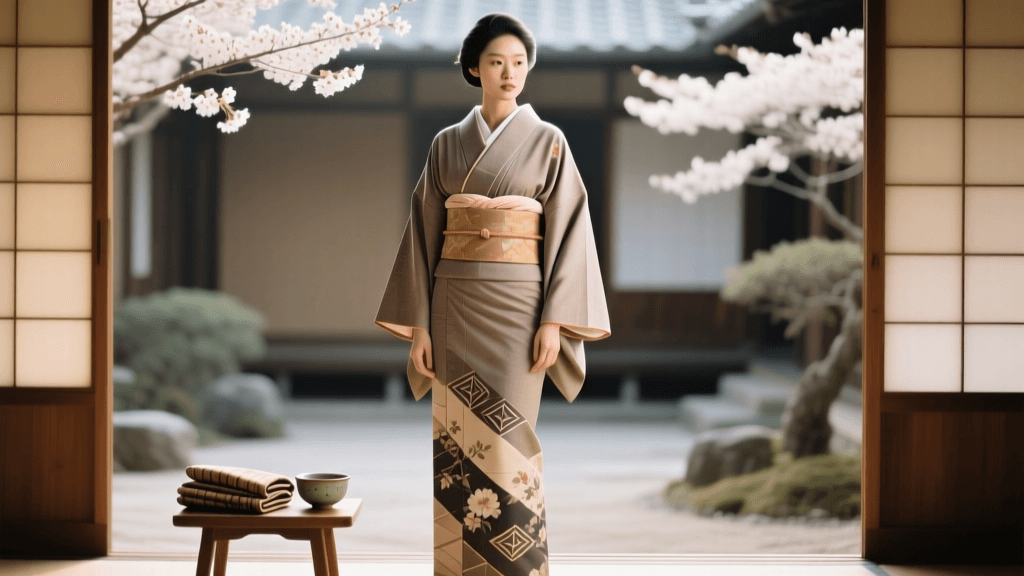
If the Heian period was about hidden layers and courtly isolation, the Edo period was about outward display, urban culture, and the rise of the merchant class. The Metropolitan Museum of Art notes that during this era, the kosode (small-sleeved robe), which was previously an undergarment, emerged as the primary outer garment for both men and women.
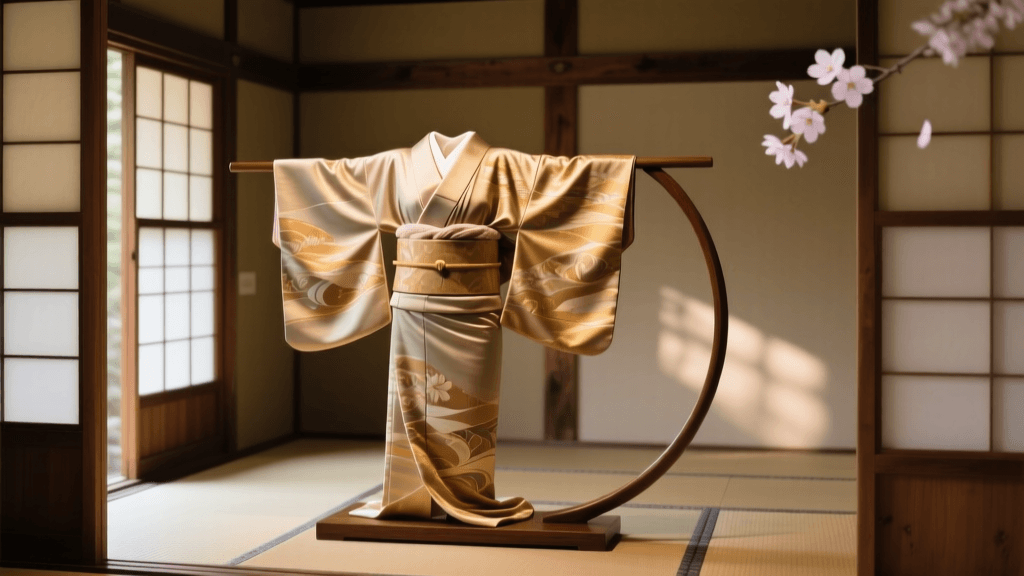
The Edo period also saw the birth of the wide obi. As the kosode became the main canvas for artistic expression, the obi evolved from a thin, functional cord into a wide, heavily brocaded sash tied in elaborate knots at the back. This era also introduced Yuzen dyeing, a resist-dye technique that allowed for pictorial, painterly designs to flow across the seams of the garment, bypassing the strict sumptuary laws that restricted the use of expensive brocades and tie-dyes.
Actionable Advice: Building an Edo-Style Wardrobe
The Edo period birthed the direct ancestor of the modern kimono, making these garments highly accessible and wearable today.
- Product Focus: Look for vintage kosode featuring hand-painted Yuzen dyeing and intricate gold leaf (kinpaku) application. For formal Edo-inspired styling, source a vintage Maru obi (a fully patterned, double-width obi woven with heavy silk and gold threads).
- Cost Expectations: A verified late-Edo or early-Meiji vintage kosode in good condition costs between $200 and $800. A vintage Maru obi ranges from $150 to $500.
- Timing Your Purchase: The best time to acquire these historical pieces is during the January Hatsu-uri (New Year sales) when Japanese antique dealers release their premium collections, or during the August Obon festival clearances when estate sales flood the market.
Historical Silhouette Comparison Chart
Understanding the structural differences between these two dynasties is essential for proper styling and historical accuracy.
| Feature | Heian Period (794–1185) | Edo Period (1603–1867) |
|---|---|---|
| Primary Garment | Junihitoe / Kariginu | Kosode |
| Silhouette | Flat, wide, cascading layers; floor-dragging hem | Tubular, streamlined; hem rests at the ankle |
| Sleeve Style | Open, unsewn side seams; extremely long drops | Sewn side seams; moderate drop (precursor to modern furisode/tomesode) |
| Fastening | Thin cords; garments held by weight and layering | Wide Obi sash tied at the back |
| Primary Decoration | Woven patterns; color layering (Kasane) | Yuzen dyeing; embroidery; gold leaf |
| Modern Sourcing Cost | $1,500 - $4,000+ (Reproductions) | $200 - $800 (Authentic Vintage) |
Practical Guide: Measurements, Fitting, and Costs
Unlike Western historical fashion, which relies on tailored bodices and corsetry, Japanese historical garments are constructed from flat, rectangular panels of fabric. The fit is dictated by how the garment is folded and tied, rather than cut to the body. However, acquiring vintage or custom-made pieces requires precise knowledge of traditional Japanese measurements.
Essential Measurements for Historical Kimono
- Yuki (Arm Span): This is the most critical measurement. It is measured from the center back of the neck, over the shoulder, and down to the wrist bone. For women, a standard historical yuki is between 63cm and 68cm. If the yuki is too short, the garment will look modern and ill-fitting; if too long, it will restrict arm movement.
- Mitake (Back Length): Measured from the base of the neck down to the desired hemline. For an Edo-style kosode, the mitake should be approximately 120cm to 130cm, allowing the hem to rest just at the ankle bone. Heian garments require a much longer mitake (140cm+) to allow for the traditional floor-dragging fold.
- Sodehaba (Sleeve Width): Standard Edo kosode sleeves measure about 32cm to 34cm in width. Heian sleeves are significantly wider and feature open underarms.
"The beauty of the kimono lies not in how it clings to the body, but in how it creates a new, architectural space around the wearer. When styling Edo or Heian garments, respect the negative space between the silk and the skin." — Curator's Note, Japanese Textile Conservation Society.
Where to Buy Authentic Pieces
To build a historically accurate wardrobe, avoid mass-market costume shops. Instead, utilize specialized Japanese export platforms:
- Ichiroya: Excellent for sourcing authentic, pre-WWII Edo and Meiji transition kosode. Expect to pay $250+ for pieces with verified hand-stitching and Yuzen dye.
- Yamatoku: A reliable auction-based site for vintage Maru obi and formal Edo-style outerwear. Set a maximum bid of $300 to avoid overpaying for damaged silk.
- Kyoto Kimono Yuzen: Ideal for commissioning modern reproductions of Heian kariginu or specific kasane color combinations. Custom orders start at $1,200 and take 3 to 6 months to complete.
Conclusion
The journey from the Heian court's poetic layers to the Edo merchant's vibrant kosode reflects Japan's broader historical evolution. By understanding the structural differences, mastering the traditional measurements, and knowing exactly when and where to source these garments, modern enthusiasts can authentically resurrect the silhouettes of Japan's most iconic dynasties. Whether you are draping a simplified Heian uchigi for a historical symposium or tying a heavy Edo Maru obi for a formal tea ceremony, you are participating in a living, breathing continuum of Asian sartorial excellence.