Explore Japan's Top Kimono Museums and Heritage Exhibitions
The Living Threads of Japanese History
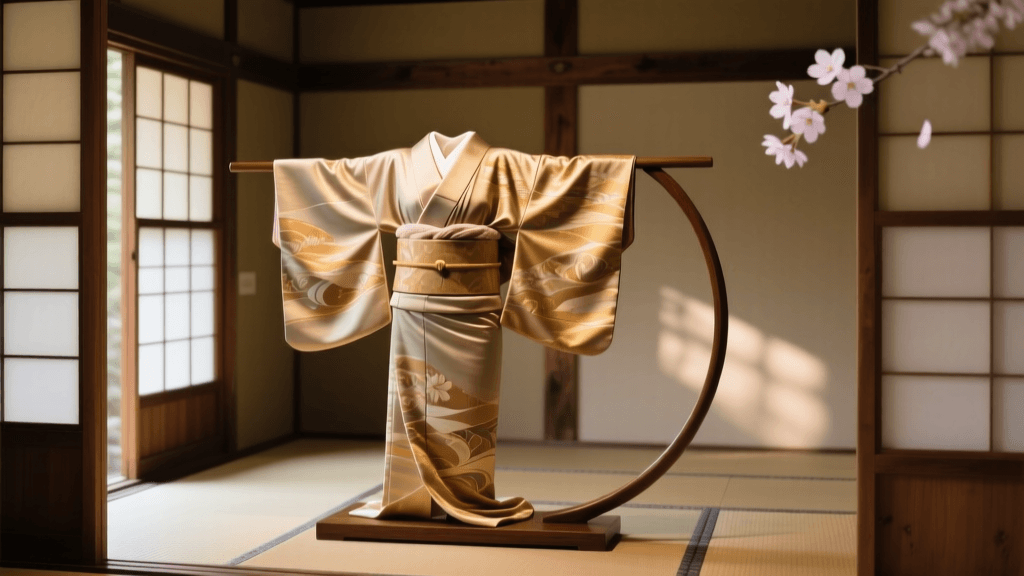
For centuries, the kimono was not merely a garment but a canvas for Japanese artistry, reflecting the wearer's social status, the changing of the micro-seasons, and the pinnacle of regional textile craftsmanship. Today, as everyday kimono wearing has transitioned into ceremonial and formal use, Japan's premier museums and heritage sites have taken on the vital role of preserving these masterpieces. For textile enthusiasts, fashion historians, and cultural travelers, visiting a dedicated kimono museum or a seasonal textile exhibition offers an unparalleled glimpse into the techniques of yuzen dyeing, tsuzure-ori tapestry weaving, and intricate silk embroidery.
This comprehensive guide explores the most significant kimono museums and heritage textile exhibitions in Japan, providing actionable travel advice, preservation insights, and practical tips for planning your sartorial pilgrimage.
Premier Kimono and Textile Museums in Japan
Nomura Kimono Museum (Kanazawa)
Located in the historic samurai and geisha district of Kanazawa, the Nomura Kimono Museum offers an intimate look into the sartorial opulence of the Edo period's elite merchant class. The Nomura family amassed immense wealth through salt production and finance, and their private collection includes over 1,200 artifacts. The museum is particularly renowned for its collection of katabira (summer hemp kimonos) and lavish uchikake (wedding overcoats). Visitors can observe the meticulous gold-leaf embroidery and the subtle, sophisticated aesthetics favored by the Kaga domain. The museum's small, curated display cases allow for close-up viewing of the weave structures and dye penetrations that are often missed in larger, dimly lit national galleries.
Kyoto National Museum (Kyoto)
As the cultural heart of Japan, Kyoto is synonymous with the kimono, and the Kyoto National Museum houses one of the most extensive collections of historical Japanese textiles in the world. The museum's textile gallery frequently showcases the evolution of the kosode (the small-sleeved predecessor to the modern kimono) from the Muromachi period through the Edo period. Exhibits often feature spectacular examples of tsujigahana (tie-dye and ink painting) and early nishijin-ori brocades. Because Kyoto was the imperial capital, the museum also preserves rare Heian-period court garments and Noh theater costumes, providing a holistic view of how layered garments functioned both aesthetically and structurally in historical Japanese society.
Tokyo National Museum (Tokyo)
For a broader overview of Japanese art history that heavily features textile arts, the Tokyo National Museum in Ueno Park is an essential destination. Room 10 of the Honkan (Japanese Gallery) is dedicated to Ukiyo-e and Textiles. Here, the museum rotates its collection of Edo-period kosode, obi sashes, and fireman's coats (hikeshi-banten) every few months to prevent light degradation. The Tokyo National Museum is particularly valuable for viewing the bold, graphic designs of the late Edo period, including striking shima (stripes) and kasuri (ikat) patterns that influenced global fashion movements centuries later.
Comparative Guide to Japan’s Textile Heritage Sites
When planning an itinerary focused on traditional Japanese garments, it is helpful to understand the distinct focus and logistics of each institution. Below is a structured comparison to help you prioritize your visits based on your specific textile interests.
| Museum / Heritage Site | Location | Primary Textile Focus | Avg. Admission | Best Time to Visit |
|---|---|---|---|---|
| Nomura Kimono Museum | Kanazawa, Ishikawa | Edo-period merchant kosode, Noh costumes, Kaga yuzen | 700 JPY | Early morning, Weekdays |
| Kyoto National Museum | Kyoto | Imperial court garments, Heian to Edo kosode, Nishijin brocade | 700 JPY | Spring/Autumn special exhibitions |
| Tokyo National Museum (Honkan) | Tokyo, Ueno | Ukiyo-e textiles, Edo fireman coats, rural kasuri and indigo | 1,000 JPY | Weekday afternoons, Winter |
| Matsuzakaya Art Museum | Nagoya, Aichi | Historical merchant textiles, regional dyeing techniques | Varies by exhibit | During seasonal department store festivals |
The Science of Silk: Preservation and Exhibition Etiquette
Viewing historical kimonos requires an understanding of the strict conservation science that keeps these fragile garments intact. Silk is highly susceptible to photodegradation, meaning that prolonged exposure to light causes the fibers to become brittle and the natural dyes to fade. To combat this, museums maintain exhibition lighting at or below 50 lux (a very dim, ambient light level). Furthermore, display cases are kept at a strict temperature of around 20°C (68°F) with a relative humidity of 50-55% to prevent mold growth and fiber desiccation.
Visitor Etiquette and Rules:
- Photography Policies: Flash photography is universally banned in Japanese museums to protect the dyes. However, many institutions now strictly prohibit all photography in textile and Ukiyo-e rooms due to the extreme light sensitivity of the artifacts. Always look for the camera icon with a red slash at the gallery entrance.
- Viewing Distances: Never lean on the glass display cases. The oils from your skin can transfer to the glass, and the physical pressure can disrupt the micro-climate seals of the archival enclosures.
- Pacing: Allow your eyes to adjust to the low lighting. It often takes up to two minutes for the human eye to fully adapt to 50-lux environments, revealing the subtle metallic threads and minute embroidery details that are initially hidden in the dimness.
Timing Your Visit: Seasonal Exhibitions and Rotations
Unlike Western art museums where permanent collections remain on display year-round, Japanese textile exhibitions are highly transient. Due to the aforementioned light sensitivity, a specific kimono may only be displayed for three to six months before being returned to dark storage for several years of 'rest.' Therefore, timing your visit is critical.
Museums frequently align their textile rotations with Japan's traditional micro-seasons. If you visit in early April, you are highly likely to see exhibitions featuring cherry blossom (sakura) motifs, flowing water patterns, and lightweight spring silks. Conversely, a visit in November will yield exhibitions heavy with autumn maple (momiji) motifs, chrysanthemum embroidery, and the rich, warm tones of late-season formal wear. The Japan National Tourism Organization frequently updates its cultural calendar, which is an excellent resource for tracking upcoming special exhibitions (tokubetsu-ten) at major national museums.
Actionable Travel and Ticketing Advice
To maximize your experience at Japan's kimono and textile museums, consider the following practical strategies:
- Book Special Exhibition Tickets in Advance: While general admission can usually be purchased at the door, special seasonal exhibitions (which often feature National Treasure designated kimonos) require timed-entry tickets. These frequently sell out on weekends. Purchase your tickets via the museum's official English website or through convenience store kiosks (like Lawson's L-Ticket) upon arriving in Japan.
- Utilize Museum Combination Passes: In cities like Kyoto and Tokyo, multi-museum passes can save you up to 20% on admission fees. Check the local tourism board websites for 'Museum Grutto Passes' or regional cultural heritage bundles.
- Combine with Artisan Workshops: A museum visit is best paired with a live demonstration. In Kyoto, visit the Nishijin Textile Center to see the mechanical Jacquard looms weaving the very brocades you observed in the museum. In Kanazawa, book a Kaga Yuzen dyeing workshop to understand the resist-dyeing processes used on the Nomura family's garments.
- Bring a Monocular or Opera Glasses: Because you cannot get physically close to the garments and the lighting is dim, bringing a small pair of lightweight opera glasses or a monocular will allow you to inspect the weave structures, the tension of the embroidery threads, and the subtle color gradients of the bokashi dyeing techniques from a respectful distance.
Conclusion
Exploring Japan's kimono museums and heritage exhibitions is a journey through the technical mastery and aesthetic philosophy of Japanese culture. From the opulent merchant silks of Kanazawa to the imperial court garments preserved in Kyoto, these institutions safeguard the tangible history of Asian textile traditions. By planning your visit around seasonal rotations, respecting the rigorous preservation protocols, and engaging deeply with the craftsmanship on display, you will gain a profound appreciation for the kimono not just as a garment, but as a masterpiece of wearable art.