Styling Vintage Silk Haori With 2026 Minimalist Streetwear
The Resurgence of the Haori in 2026 Streetwear
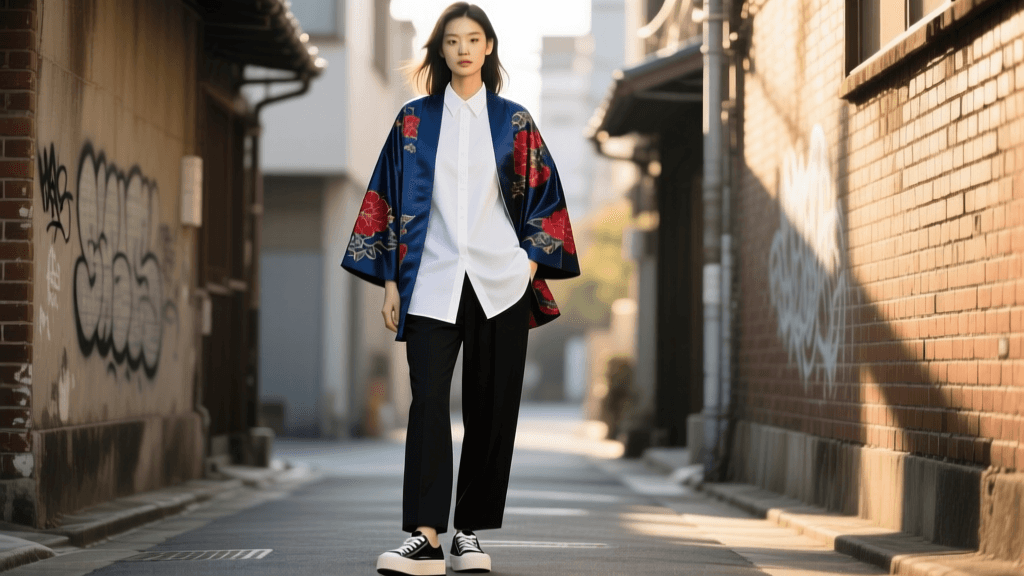
The intersection of traditional Japanese garments and contemporary urban fashion has reached a breathtaking zenith in 2026. As the global fashion community moves away from hyper-logomania and embraces quiet luxury, neo-heritage, and technical minimalism, the traditional Japanese haori has emerged as the ultimate statement layering piece. Originally designed as a hip- or thigh-length jacket worn over the kimono, the haori offers a masterclass in drape, silhouette, and artisanal textile work. Today, fashion-forward individuals are seamlessly integrating vintage silk haori into modern streetwear wardrobes, creating a striking juxtaposition between centuries-old craftsmanship and cutting-edge urban utility.
According to the Metropolitan Museum of Art, the haori evolved from a practical garment worn by samurai to protect against the cold into a highly decorative status symbol during the Edo period. In the 2026 fashion landscape, this historical weight adds an unparalleled narrative depth to modern outfits. Whether you are navigating the concrete jungle of Tokyo, the creative hubs of London, or the minimalist streets of Copenhagen, styling a vintage silk haori requires a nuanced understanding of proportion, fabric behavior, and contemporary styling codes.
Selecting the Right Silhouette for Modern Layering
When integrating a traditional Asian garment into a modern wardrobe, the silhouette is paramount. Vintage haori typically feature a straight, boxy cut with wide, drop-shoulder sleeves that naturally complement the oversized, relaxed fits dominating 2026 streetwear. However, not all haori are created equal. For modern streetwear pairings, look for haori with a sleeve drop of at least 12 to 14 inches and a body length that hits right at the mid-thigh. This specific measurement ensures the jacket moves fluidly over modern staples like heavyweight boxy t-shirts, cropped hoodies, and technical outerwear without restricting movement.
The Victoria and Albert Museum highlights how the structural integrity of traditional Japanese dress relies on straight-line cutting rather than curved tailoring. This geometric construction is precisely why the haori layers so beautifully over modern, angular streetwear. The lack of darts and curved seams allows the silk to cascade naturally, creating an ethereal, architectural drape that rigid Western tailoring simply cannot replicate.
Reimagining the Haori Himo: Hardware and Fastenings
Traditionally, the haori is secured at the front using a braided cord known as a haori himo. While preserving the original silk or cotton himo is essential for archival value, 2026 streetwear styling often calls for a more utilitarian approach. Many contemporary stylists are carefully looping the traditional ties and securing the jacket using matte-black carabiners, paracord toggles, or Fidlock magnetic clasps. This subtle modification bridges the gap between Edo-period elegance and modern techwear utility, allowing the wearer to adjust the drape of the jacket on the fly while adding a distinct industrial edge to the garment.
Three Masterclass Outfit Formulas for 2026
Formula 1: The Archival Patchwork and Wide-Leg Denim
Inspired by the reconstruction techniques pioneered by Japanese labels like Needles and Kapital, this look leans into the wabi-sabi aesthetic. Start with a vintage silk haori that features visible mending, sashiko stitching, or patchwork. Layer it over a heavyweight, 280 GSM cotton t-shirt in a muted earth tone like charcoal or olive. For the bottom half, opt for wide-leg, raw selvedge denim with a 32-inch inseam that pools slightly over your footwear. The contrast between the delicate, intricately patterned silk and the rugged, heavy denim creates a visually arresting texture clash that defines the 2026 neo-heritage movement.
Formula 2: Gorpcore Tech-Shell Layering
For a highly functional, weather-ready ensemble, use the silk haori as an unexpected mid-layer. Begin with a moisture-wicking merino wool base layer, followed by a lightweight, breathable Gore-Tex shell jacket in a monochromatic black or slate grey. Drape the haori over the technical shell. The synthetic, matte finish of the modern waterproof shell provides a striking backdrop for the lustrous sheen of the vintage silk. This look is perfect for transitional spring weather in 2026, offering the weather protection of modern outdoor gear while maintaining the sophisticated drape of traditional Japanese dress.
Formula 3: Elevated Smart-Casual Tailoring
The haori is not strictly limited to casual streetwear; it can effortlessly replace the traditional blazer in a smart-casual office environment. Pair a solid-colored, unpatterned black or navy silk crepe haori with a fine-gauge turtleneck and high-waisted, double-pleated trousers. The boxy nature of the haori mimics the relaxed, unstructured blazers favored by contemporary designers like Yohji Yamamoto and Lemaire. Ensure the trousers feature a clean, tailored break to balance the voluminous top half of the outfit.
Fabric Comparison: Choosing Your Silk
Understanding the textile is crucial for achieving the right drape and aesthetic. Below is a comparison of the most common vintage haori fabrics and how they interact with modern streetwear.
| Fabric Type | Characteristics | Best Streetwear Pairing | 2026 Market Price Range |
|---|---|---|---|
| Rinzu (Satin-Weave Silk) | Highly lustrous, smooth, features subtle woven damask patterns. | Monochromatic techwear and sleek minimalist tailoring. | $150 - $400 |
| Tsumugi (Pongee Silk) | Matte finish, slightly slubbed texture, rustic and durable. | Rugged workwear, raw denim, and heavy cotton basics. | $80 - $250 |
| Chirimen (Silk Crepe) | Textured, pebbled surface, excellent drape, resistant to wrinkling. | Oversized hoodies, wide-leg trousers, and layered streetwear. | $120 - $350 |
| Modern Eco-Silk Blends | Synthetic-silk mixes developed in 2026 for weather resistance. | Gorpcore, outdoor utility wear, and high-mobility urban commuting. | $200 - $500 (New) |
Footwear Pairings: Grounding the Ethereal
Because the haori introduces a significant amount of volume and visual interest to the upper body, your footwear must anchor the outfit. In 2026, the bulky, aggressive silhouettes of early 2020s sneakers have softened into more refined, technical trail runners and chunky derbies. Pair your haori with technical footwear featuring advanced cushioning systems and mixed-material uppers, such as the latest iterations of the Salomon XT-6 or the ASICS Gel-NYC. The complex paneling and utilitarian lacing systems of these shoes echo the intricate craftsmanship of the haori. Alternatively, for a more avant-garde approach, a pair of heavy, rubber-soled leather loafers or split-toe derby shoes will complement the traditional origins of the jacket while firmly planting the look in contemporary fashion.
Care and Maintenance in a Modern Context
Vintage silk requires meticulous care, especially when subjected to the rigors of daily urban wear. Avoid traditional dry cleaning, as the harsh chemicals used in 2026 commercial cleaning can strip the silk of its natural oils and degrade the vintage dyes. Instead, invest in a high-quality handheld garment steamer. Steaming not only removes wrinkles but also gently refreshes the silk fibers and eliminates odors without the need for water immersion. For storage, never hang a heavy silk haori on a thin wire hanger, as the weight of the fabric will distort the shoulder seams over time. Use a wide, padded wooden hanger and store the garment in a breathable cotton garment bag, away from direct sunlight, to preserve the vibrancy of the ancestral dyes.
Conclusion
Mixing traditional Asian pieces with modern wardrobes is not about wearing a costume; it is about engaging in a cross-cultural dialogue through textiles and silhouettes. The vintage silk haori stands as a testament to the enduring power of Japanese craftsmanship. By respecting its historical roots while boldly recontextualizing it within the framework of 2026 minimalist streetwear, you create a personal style that is both deeply rooted in tradition and fiercely forward-looking. Whether layered over a technical shell or draped over raw denim, the haori remains one of the most versatile and profound garments in the modern fashion lexicon.