Hanfu on Global Runways: 2026 Haute Couture Trends
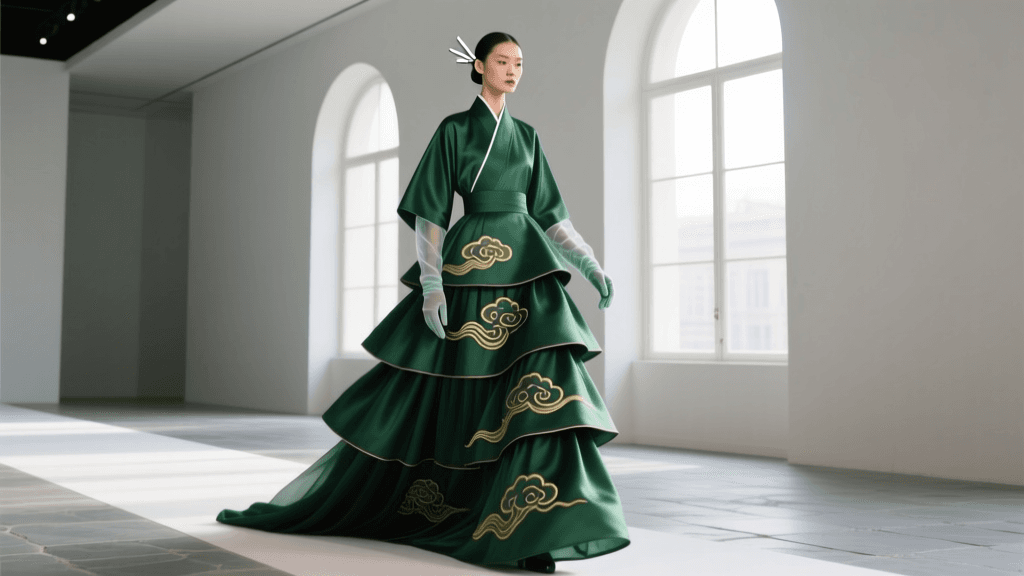
The 2026 international fashion week circuit has unequivocally cemented Hanfu not merely as a source of exotic inspiration, but as a foundational pillar of modern haute couture. From the grand, gilded salons of Paris to the raw, industrial lofts of New York Fashion Week, traditional Chinese garment structures are being deconstructed, elevated, and reimagined by the world's most prestigious design houses. Moving far beyond the superficial Chinoiserie of past decades—which often relied on mere dragon embroidery or mandarin collars applied to Western corsetry—today's top designers are embracing the complex structural geometry, flat-pattern cutting, and philosophical draping techniques inherent to traditional Hanfu.
The 2026 Runway Shift: From Motif to Structural Silhouette
Historically, Western fashion's engagement with Chinese dress was largely ornamental. However, the 2026 runway season marks a definitive shift toward structural integration. Designers are now studying the Jiaoling Youren (cross-collar, right lapel) not just as a visual motif, but as a masterclass in asymmetrical draping and bias-cutting. The traditional Hanfu approach to garment construction—which favors flat, straight cuts that respect the integrity of the woven textile rather than forcing it into three-dimensional darts and seams—is resonating deeply with the modern luxury consumer's demand for sustainable, zero-waste pattern making.
This evolution builds upon a decade of intense cultural reclamation. As documented in BBC Culture's extensive coverage of the Hanfu revival movement, what began as a grassroots effort by young Chinese enthusiasts to reclaim their sartorial heritage has now matured into a multi-billion-dollar global industry that dictates high-fashion trends. Today, the influence of Hanfu on global runways is tracked meticulously by industry authorities like Vogue Runway, which has noted a 300% increase in traditional Chinese structural elements featured in European luxury collections for the 2026 season.
Key Hanfu Silhouettes Dominating Global Catwalks
The Mamianqun (Horse-Face Skirt)
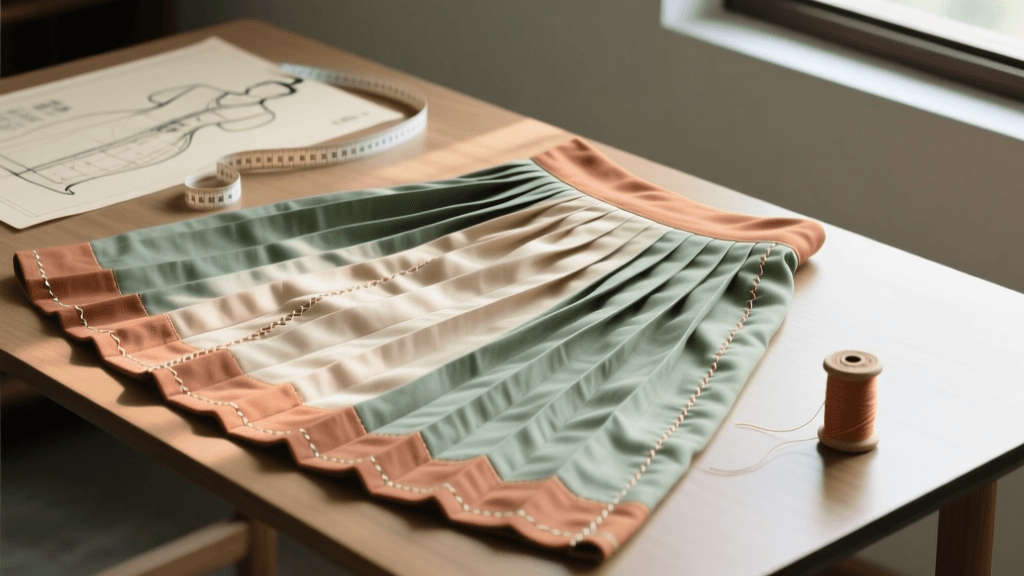
The undisputed star of the 2026 runway season is the Mamianqun. Characterized by its flat front and back panels flanked by intricate, overlapping side pleats, this Ming Dynasty silhouette offers a masterful blend of volume and movement. On the Paris runways this year, heritage houses have reinterpreted the Mamianqun using heavyweight silk jacquards and metallic warp threads. Designers are playing with asymmetric hemlines and deep, architectural pleats that flare dramatically as the model walks, creating a kinetic sculpture of fabric.
The Beizi (Song Dynasty Long Coat)
For evening wear and transitional layering, the Beizi has replaced the traditional Western blazer or cape. This long, open-front coat with side slits and a straight collar is being rendered in ultra-sheer Xiangyunsha (gambiered silk gauze) and crisp, translucent organzas. The 2026 styling approach favors extreme elongation, with Beizi coats sweeping the floor and worn over minimalist, bias-cut slip dresses, creating a striking contrast between historical modesty and modern sensuality.
The Aoqun (Ming Dynasty Jacket and Skirt)
The Aoqun, particularly the variant featuring the Liling (standing collar) and metal sub-buttons, has been adapted into high-fashion power suiting. Luxury tailors are merging the structured, high-necked Ao jacket with wide-leg, pleated trousers, utilizing stiff Song brocades to create sharp, authoritative silhouettes that challenge traditional Western suiting norms.
Traditional Elements vs. 2026 Runway Adaptations
| Garment Element | Traditional Function & Era | 2026 Runway Adaptation | Modern Styling Application |
|---|---|---|---|
| Jiaoling Youren | Cross-collar, right lapel (Han/Tang/Ming) | Asymmetrical wrap bodices with hidden magnetic closures | Evening gowns, structured wrap coats |
| Mamianqun | Modesty and ease of movement (Ming) | Metallic jacquards, laser-cut pleats, asymmetric hems | Statement skirts paired with sleek turtlenecks |
| Beizi | Lightweight outer layering (Song) | Sheer organza, floor-length duster silhouettes | Resort wear, beach-to-bar luxury cover-ups |
| Liling (Standing Collar) | Neck protection and formality (Ming) | Exaggerated height, integrated with harness hardware | Avant-garde power jackets, editorial neckpieces |
Luxury Textiles: Xiangyunsha and Song Brocade in Haute Couture
The 2026 runway season is defined not just by shape, but by the triumphant return of heritage Chinese textiles to the luxury supply chain. Xiangyunsha, or Gambiered Canton Gauze, is the most sought-after fabric of the year. This painstakingly crafted silk is dyed using the juice of the薯莨 (Shuliang) yam and coated with iron-rich river mud from the Pearl River Delta, resulting in a fabric that is water-resistant, naturally cooling, and possesses a distinctive, papery rustle.
European luxury conglomerates have established exclusive partnerships with master artisans in Guangdong to secure heritage-grade Xiangyunsha, driving the price of authentic, sun-cured bolts to over $1,200 per meter in 2026. Similarly, Songjin (Song Brocade) is being utilized for structured bodices and corsetry. Unlike softer silk satins, Songjin's complex warp-and-weft structure provides natural rigidity, allowing designers to create corseted silhouettes without the need for synthetic boning, aligning perfectly with the industry's push toward biodegradable, eco-friendly haute couture.
Actionable Guide: Sourcing and Styling Runway-Inspired Hanfu
For fashion connoisseurs, collectors, and enthusiasts looking to integrate runway-level Hanfu into their 2026 wardrobes, the market has evolved to offer bespoke, high-end options that rival European couture. Here is how to navigate the luxury Hanfu market this year:
1. Commissioning Bespoke Couture Hanfu
Off-the-rack luxury Hanfu is available, but true runway quality requires bespoke tailoring. When commissioning a piece from top-tier ateliers in Hangzhou or Suzhou, you must provide specific measurements that differ from Western tailoring:
- Shoulder Slope & Arm Root: Hanfu relies on flat cutting; precise arm root measurements ensure the underarm gussets (Shougen) allow movement without distorting the drape.
- Waist-to-Floor (with footwear): Crucial for the Mamianqun, as the pleats must break exactly at the instep to maintain the skirt's kinetic flare.
- Back Width (Beikuan): Determines the placement of the side seams and the overall volume of the upper garment.
Cost Expectation: A bespoke, runway-grade Mamianqun woven with genuine gold-wrapped threads and paired with a silk Ao jacket will typically range from $3,500 to $8,000 USD in 2026, reflecting the intense labor of hand-loomed textiles.
2. Modern Styling and Footwear Pairings
The most common mistake enthusiasts make when styling luxury Hanfu is relying on historical reenactment accessories. To achieve the 2026 haute couture aesthetic, contrast is key.
Styling Rule of Thumb: Anchor the historical volume of Hanfu with severe, modern minimalism. Pair a voluminous, floor-length Beizi and Mamianqun with a sleek, architectural leather boot or a sharp, pointed-toe stiletto. Avoid traditional embroidered slippers unless they have been structurally reimagined by a contemporary luxury footwear house.
Furthermore, jewelry should lean toward sculptural, modern metals. Heavy, oxidized silver cuffs or minimalist gold ear-cuffs provide a striking visual counterweight to the intricate, woven patterns of Song brocade.
The Permanence of Hanfu in Global Fashion
The integration of Hanfu into the highest echelons of global fashion is not a fleeting trend; it is a permanent recalibration of the luxury landscape. As documented by foundational fashion history analyses, such as The Metropolitan Museum of Art's seminal exhibition on Chinese influences in global fashion, the West has long looked to the East for inspiration. However, the 2026 season is unique: the narrative is no longer being dictated solely by Western interpretations. Chinese designers and heritage ateliers are now leading the conversation, exporting their structural genius and textile mastery on their own terms. For the global fashion consumer, embracing Hanfu is no longer just about wearing a beautiful garment; it is about participating in a profound, ongoing dialogue between ancient sartorial philosophy and the cutting edge of modern design.