Sourcing Sustainable Silk Ikat: Adras & Patola 2026
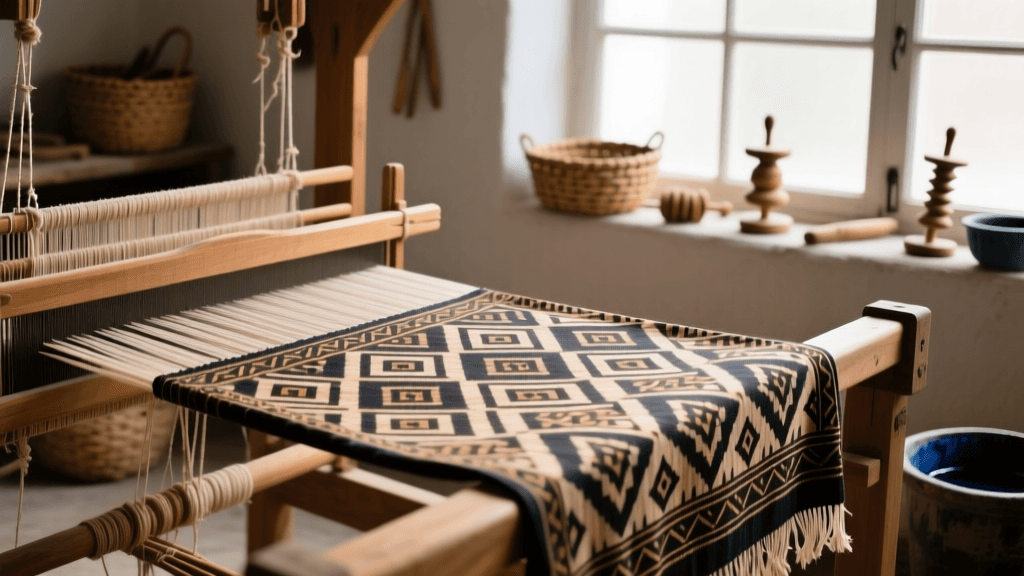
The 2026 Renaissance of Heritage Ikat Textiles
In 2026, the landscape of Asian ceremonial and traditional wear has experienced a profound shift. Discerning collectors, brides, and fashion houses are moving away from mass-produced, synthetic blends and digitally printed imitations, turning instead to the rich, tactile heritage of hand-loomed silk ikat. Ikat, a complex resist-dyeing technique where threads are dyed before weaving, represents the pinnacle of textile artistry across Asia. From the vibrant, flowing robes of Central Asia to the meticulously structured bridal sarees of South Asia, ikat textiles are not merely fabrics; they are woven narratives of cultural identity.
However, the modern market presents unique challenges. The proliferation of AI-generated digital prints that mimic the blurred edges of traditional ikat has flooded the market, making authenticity a primary concern for buyers. Furthermore, the 2026 consumer demands transparency, seeking textiles that align with rigorous environmental and ethical standards. This comprehensive guide explores the nuances of sourcing authentic, sustainable silk ikat—specifically focusing on Uzbek Adras and Atlas, and Indian Patola—for contemporary ceremonial garments.
Understanding the Anatomy of Ikat: Warp, Weft, and Double
Before sourcing, it is crucial to understand the structural differences in ikat weaving, as these dictate the fabric's drape, durability, and price point. The term 'ikat' originates from the Malay-Indonesian word for 'to tie' or 'to bind.' The resist-dyeing process involves tightly wrapping bundles of yarn with waterproof materials—traditionally palm leaf strips, though 2026 eco-conscious weavers increasingly use biodegradable cellulose wraps—before submerging them in dye vats.
- Warp Ikat: The longitudinal threads (warp) are dyed. The pattern is visible on the loom before the weft is even woven. This is common in Central Asian Atlas and Adras.
- Weft Ikat: The transverse threads (weft) are dyed. The pattern only emerges as the weaving progresses, requiring immense skill to align. This is typical of many Southeast Asian and Japanese textiles.
- Double Ikat: Both warp and weft threads are resist-dyed to precisely interlock and form the pattern. This is the rarest and most expensive form, epitomized by Indian Patola and Indonesian Geringsing.
Central Asian Silks: Atlas and Adras from the Fergana Valley
The Fergana Valley, spanning Uzbekistan, Kyrgyzstan, and Tajikistan, is the undisputed heartland of Central Asian warp ikat. In 2026, the city of Margilan remains the epicenter of this craft, producing two primary textiles that dominate regional ceremonial wear: Atlas and Adras.
Atlas: The Pure Silk Cloud
Atlas is a 100% silk warp ikat characterized by its brilliant, high-contrast colors and fluid, liquid-like drape. Traditionally used for voluminous dresses and flowing coats, Atlas is highly prized for its luminous sheen. In recent years, Margilan's master dyers have revived historical natural dye recipes, utilizing pomegranate rinds for deep ochres, madder root for rich reds, and indigo for complex blues, significantly reducing the chemical runoff that plagued the region in the early 2000s.
Adras: The Structured Silk-Cotton Blend
Adras combines a silk warp with a cotton weft. This composition gives the fabric a heavier, more structured hand, making it ideal for tailored ceremonial jackets, structured corsetry, and modern architectural silhouettes. The cotton weft also provides a matte finish that grounds the vibrant silk warp, creating a sophisticated visual depth. According to the UNESCO Intangible Cultural Heritage frameworks, the transmission of these specific weaving techniques is vital to regional identity, and 2026 has seen a surge in government-backed apprenticeships to preserve the craft.
South Asian Mastery: The Legacy of Patola
If Central Asian ikat is celebrated for its bold, abstract expressionism, Indian Patola is revered for its mathematical precision. Originating from Patan in Gujarat, Patola is a double ikat silk textile that requires months, sometimes years, to complete a single saree length. The Salvi weaver families of Patan have guarded their geometric and figurative motifs—such as the elephant (hathi), parrot (popat), and dancing doll (nritya)—for generations.
In 2026, the Patola market has evolved to meet the demands of the ethically conscious luxury consumer. The most significant development is the widespread adoption of Ahimsa (peace) silk. Unlike conventional sericulture, where the silkworm is boiled inside the cocoon, Ahimsa silk allows the moth to emerge naturally before the silk is harvested. While this results in a slightly more textured, slubby yarn that is harder to weave into the micro-precise patterns of double ikat, master weavers have adapted their tensioning techniques to produce breathtaking, cruelty-free Patola that commands premium prices in the global bridal market.
2026 Sourcing and Pricing Guide
Sourcing authentic ikat requires navigating a complex supply chain. Below is a comparative overview of the primary silk ikat textiles, their current 2026 market pricing, and their ideal applications in garment construction.
| Textile Name | Origin Region | Ikat Type | 2026 Avg. Price (per meter) | Best Garment Application |
|---|---|---|---|---|
| Atlas | Margilan, Uzbekistan | Warp (100% Silk) | $65 - $110 | Flowing gowns, linings, wide-leg trousers |
| Adras | Fergana Valley, Uzbekistan | Warp (Silk/Cotton) | $50 - $95 | Structured jackets, A-line skirts, robes |
| Patola | Patan, Gujarat, India | Double (100% Silk/Ahimsa) | $400 - $900+ | Bridal sarees, heirloom shawls, ceremonial stoles |
| Pochampally | Telangana, India | Double (Silk/Cotton blends) | $90 - $180 | Festive wear, contemporary tailored separates |
Note: Prices reflect direct-from-artisan or certified fair-trade cooperative sourcing. Retail markups in Western boutiques can increase these prices by 200% to 400%.
Identifying Authentic Hand-Loomed Ikat in the AI Era
The most significant threat to the traditional ikat market in 2026 is the influx of hyper-realistic digital prints. Advanced AI pattern-generation tools can now perfectly replicate the 'bleed' and blurred edges characteristic of resist-dyeing, printing them onto cheap polyester or low-grade rayon. To ensure you are sourcing genuine hand-loomed silk ikat, employ the following verification methods:
- The Reverse Test: True ikat is dyed through the yarn. The pattern should be nearly as vibrant on the reverse side of the fabric as it is on the front. Digital prints will show a stark white or faded reverse.
- The Selvedge Check: Hand-loomed ikat will feature a distinct, often slightly uneven selvedge edge. Many traditional weavers incorporate a solid color border or a specific twill weave at the edges to stabilize the fabric on the loom.
- Imperfection as Proof: Look closely at the intersections of the pattern. In double ikat like Patola, there will be microscopic misalignments. A perfectly symmetrical, pixel-sharp intersection is a hallmark of digital printing, not human hands.
- The Burn Test (with caution): If sourcing raw yardage, a burn test on a few warp and weft threads will confirm protein fiber (silk) versus cellulose (cotton/rayon) or synthetic (polyester) content. Silk smells like burning hair and leaves a crushable ash.
Sustainability and Ethical Certifications
When sourcing for high-end ceremonial wear, clients increasingly demand proof of sustainable practices. In 2026, the gold standard for organic fiber content and ecological processing is the Global Organic Textile Standard (GOTS). While achieving full GOTS certification is challenging for small, rural weaving cooperatives due to the cost of auditing, many reputable exporters now provide GOTS-certified organic cotton for the weft of Adras, paired with naturally dyed, heavy-metal-free silk warps.
Furthermore, look for cooperatives that utilize closed-loop water systems in their dye houses. The Fergana Valley has seen significant investment in solar-powered water recycling vats, ensuring that indigo and madder runoff does not contaminate local aquifers. Sourcing from these certified eco-cooperatives not only guarantees a cleaner product but also supports the economic resilience of the artisan communities.
Garment Construction and Tailoring Considerations
Working with hand-loomed ikat requires specialized tailoring techniques. Because the fabric is woven on relatively narrow handlooms (typically 40 to 90 centimeters wide), pattern cutting must be highly strategic to maximize yardage and respect the integrity of the motifs.
For Central Asian Adras, the fabric's natural stiffness lends itself beautifully to tailored bodices and structured outerwear. However, tailors must use a microtex or sharp needle (size 70/10) to prevent snagging the delicate silk warp. Seams should be finished with silk organza bias binding rather than synthetic serging, which can cut the natural fibers over time.
For Indian Patola, the fabric is considered sacred and is rarely cut. The traditional application remains the saree, where the pallu (the decorative end piece) features the most complex double ikat motifs. If adapting Patola for modern ceremonial stoles or dupattas, the borders must be preserved intact, and the fabric should be backed with a lightweight silk habotai to provide structural support without adding excessive weight.
Preservation and Archival Care
Silk is a protein fiber, making it highly susceptible to environmental damage, pests, and light degradation. Proper archival care is essential for maintaining the value and vibrancy of ikat garments. According to preservation guidelines outlined by institutions like The Textile Museum at George Washington University, protein fibers require specific storage conditions to prevent irreversible damage.
- Cleaning: Avoid traditional dry cleaning, as the harsh chemicals (like perc) can strip the natural sericin from the silk and cause natural dyes to bleed. Opt for specialized eco-friendly wet cleaning or gentle hand-washing in cold water with a pH-neutral silk detergent, only if the dyes are confirmed to be colorfast.
- Storage: Never store silk ikat in plastic garment bags, which can trap moisture and emit off-gassing chemicals that yellow the silk. Wrap garments in unbleached, washed cotton muslin to allow the fibers to breathe.
- Folding vs. Hanging: Heavy Adras and Patola should never be hung on wire or wooden hangers, as the weight of the fabric will distort the warp threads over time. Store them flat, interleaved with acid-free tissue paper to prevent hard creases that can lead to fiber breakage.
Conclusion: Investing in Woven Heritage
Sourcing authentic silk ikat in 2026 is an exercise in cultural preservation, ethical consumption, and sartorial excellence. Whether you are commissioning a flowing Atlas coat for a modern Nikah ceremony, or investing in a multi-generational Ahimsa silk Patola for a Hindu wedding, the choice of textile dictates the soul of the garment. By understanding the technical nuances of warp and double ikat, demanding sustainable certifications, and employing proper archival care, you ensure that these magnificent Asian textile traditions continue to thrive and inspire for generations to come.