The Complete Guide To Japanese Kimono And Yukata In 2026
The Global Renaissance of Japanese Garments in 2026
The year 2026 marks a pivotal moment for traditional Japanese garments. Far from being relegated to museum archives or strictly reserved for domestic ceremonies, the kimono and yukata are experiencing a massive global renaissance. Driven by a renewed interest in sustainable fashion, artisanal craftsmanship, and cross-cultural styling, enthusiasts worldwide are embracing these iconic silhouettes. Whether you are attending a summer festival in Kyoto, a formal tea ceremony, or simply looking to integrate traditional textiles into your modern wardrobe, understanding the nuances of Japanese garment types is essential.
As documented by The Metropolitan Museum of Art's Heilbrunn Timeline of Art History, the kimono evolved from the kosode (a garment with small sleeve openings) during the Muromachi period, eventually becoming the principal article of clothing for all classes in the Edo period. Today, the rules of wearing these garments—known as kitsuke—have adapted to modern lifestyles while fiercely protecting their historical integrity. This comprehensive guide will walk you through the distinct types of kimono and yukata, the art of dressing, and the latest 2026 innovations in textile care and styling.
Decoding the Kimono: Formality and Types
The word "kimono" literally translates to "thing to wear" (ki = wear, mono = thing). However, in contemporary usage, it refers specifically to the T-shaped, straight-lined robes worn with an obi (sash). The formality of a kimono is dictated by its fabric, pattern placement, color, and the number of family crests (kamon) it bears.
Furisode (Swinging Sleeves)
The furisode is the most formal kimono worn by unmarried women. It is instantly recognizable by its long, flowing sleeves, which can range from 85 to 114 centimeters in length. Historically, the swinging sleeves were believed to ward off evil spirits and express romantic interest. In 2026, furisode remain the standard attire for Seijin Shiki (Coming of Age Day) and formal weddings. Due to the intricate yuzen dyeing techniques and heavy silk brocades used, purchasing a new furisode can cost upwards of ¥500,000, making the 2026 rental market—which averages ¥20,000 to ¥35,000—highly popular among young adults.
Tomesode (Fastened Sleeves)
The tomesode is the most formal kimono for married women. The sleeves are shorter and "fastened" compared to the furisode. There are two main types:
- Kurotomesode (Black Tomesode): Always black, featuring five family crests, and patterns only below the waistline. It is strictly worn by married female relatives of the bride or groom at weddings.
- Irotomesode (Colored Tomesode): Features a colored background with patterns below the waist. Depending on the number of crests (one, three, or five), it can be worn by both married and unmarried women at highly formal events.
Houmongi (Visiting Wear)
The houmongi is a versatile, semi-formal kimono worn by both married and unmarried women. Its defining characteristic is the eba pattern—a continuous design that flows seamlessly across the seams when the garment is laid flat. It is appropriate for tea ceremonies, visiting shrines, and attending parties. In 2026, we are seeing a surge in houmongi crafted from washable smart-silks, allowing for easier maintenance without sacrificing the elegant drape of traditional textiles.
Komon (Fine Pattern)
The komon is the casual, everyday kimono. It features a repeating pattern that covers the entire garment and does not align at the seams. It is perfect for strolling through the city, casual dining, or practicing traditional arts. Because of its informal nature, komon are highly sought after by international collectors and vintage enthusiasts looking to incorporate authentic Japanese garments into daily fashion.
The Yukata: Summer Elegance and Accessibility
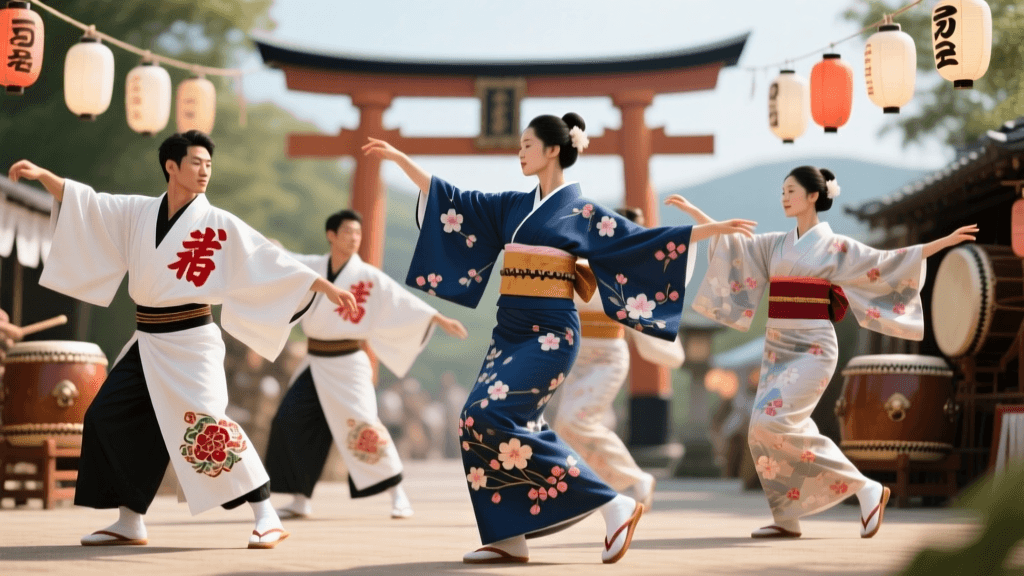
While the kimono is often layered and made of silk, the yukata is its lightweight, casual cousin. Originally worn as a bathrobe by the nobility during the Heian period, the yukata evolved into the quintessential summer garment for festivals (matsuri) and fireworks displays. Made primarily of cotton or modern cotton-polyester blends, it is worn directly over undergarments without the need for a nagajuban (under-kimono).
The 2026 yukata market is thriving with innovative textiles. We are seeing a rise in organic cotton blends, upcycled denim yukata, and moisture-wicking fabrics designed to combat increasingly hot summers. Unlike formal kimono, the yukata is tied with a simpler, narrower obi, often secured with pre-tied bows or decorative obi-jime cords that are easily adjustable for beginners.
Comparison Chart: Japanese Garment Types
To help you navigate the complexities of Japanese traditional wear, refer to the comparison table below outlining the core differences between major garment types.
| Garment Type | Formality Level | Primary Fabric | Sleeve Length | Best Occasions (2026 Context) |
|---|---|---|---|---|
| Furisode | Very Formal | Heavy Silk / Brocade | Long (85-114cm) | Coming of Age Day, Formal Weddings |
| Kurotomesode | Very Formal | Silk Crepe / Rinzu | Short (50-70cm) | Weddings (Close Relatives) |
| Houmongi | Semi-Formal | Silk / Smart-Silk Blends | Short (50-70cm) | Tea Ceremonies, Gallery Openings |
| Komon | Casual | Silk / Wool / Polyester | Short (50-70cm) | City Strolls, Casual Dining |
| Yukata | Very Casual | Cotton / Linen Blends | Short (50-70cm) | Summer Festivals, Onsen Ryokan |
The Art of Kitsuke: Dressing in the Modern Era
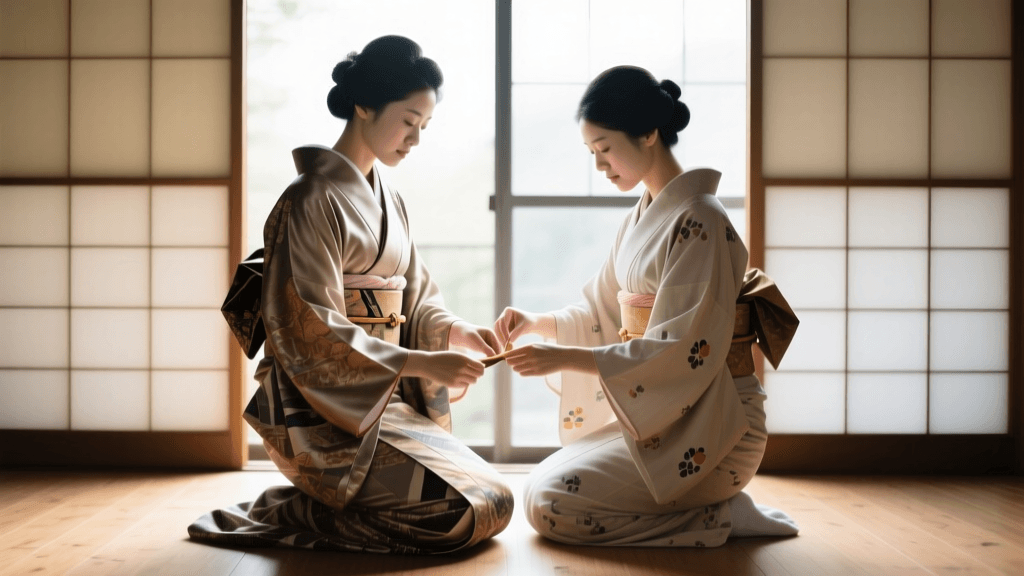
Kitsuke is the art of wearing a kimono. It is a meticulous process that prioritizes straight lines, precise folds, and the concealment of the body's natural curves to create a cylindrical silhouette. While traditional kitsuke requires numerous accessories, 2026 has introduced several modern conveniences that make the process more accessible to global enthusiasts.
Essential Layers and Accessories
- Hadajuban & Susoyoke: The foundational undergarments that protect the outer silk from skin oils and sweat.
- Nagajuban: The under-kimono, usually made of cotton or washable silk, featuring a visible collar (han-eri) that adds a pop of color or texture at the neckline.
- Date-jime & Koshi-himo: Ties used to secure the layers in place before the obi is applied.
- Obi & Obi-ita: The sash and the stiff board inserted inside it to prevent wrinkling.
- Obi-jime & Obi-dome: The decorative cord and clasp that secure the obi knot.
2026 Innovations in Kitsuke
For those intimidated by the complex tying of a traditional otaiko musubi (the standard drum knot for married women), 2026 has seen the widespread adoption of magnetic obi clips and 3D-printed, lightweight obi forms. These tools allow wearers to achieve a flawless, professional-looking silhouette in under twenty minutes, democratizing the art of kitsuke for those without access to a professional dresser.
Sizing and Proportions: Finding Your Fit
Unlike Western clothing, kimono are generally sold in standard lengths rather than specific sizes. The ideal length of a kimono is roughly equal to your height. The extra fabric is folded at the waist to create the ohashori, a visible tuck that sits just above the obi. This tuck is not merely a stylistic choice; it allows the garment to be adjusted for different heights and provides a margin of error for movement.
When shopping for vintage or modern kimono in 2026, always check the mitake (total length) measurement. If the mitake is more than 15 centimeters shorter than your height, the garment will be too short to create a proper ohashori, resulting in an informal, awkward drape. For yukata, the rules are slightly more relaxed, and modern brands frequently offer pre-cut, hemmed lengths tailored to standard global height brackets.
Sourcing, Care, and Sustainable Practices
The secondary market for vintage kimono is a treasure trove for collectors. Platforms specializing in Japanese exports have made it easier than ever to source authentic, mid-century silk garments. However, caring for these textiles requires diligence. Traditional arai-hari (the practice of unsewing the kimono, washing the fabric panels, and stretching them on boards) is a rare and expensive artisanal service today.
Fortunately, sustainable care practices have evolved. For everyday komon and yukata, gentle hand-washing with pH-neutral detergents designed for protein fibers is highly recommended. For formal silk garments, eco-friendly dry cleaning services that utilize liquid silicone instead of harsh perchloroethylene have become the industry standard in 2026, ensuring that delicate dyes and gold-leaf applications are preserved without environmental harm.
For deeper historical context and textile preservation techniques, the Victoria and Albert Museum's Asian Collections provides extensive resources on the conservation of historic garments. By understanding both the history and the modern care requirements of these garments, you ensure that the legacy of the kimono and yukata continues to thrive for generations to come.
Conclusion
Navigating the world of Japanese traditional garments is a rewarding journey into a culture that deeply respects aesthetics, seasonality, and craftsmanship. Whether you are draping a casual cotton yukata for a summer evening or mastering the intricate layers of a formal houmongi, the kimono offers a profound connection to Asian heritage. As we move through 2026, the fusion of time-honored techniques with modern accessibility ensures that these magnificent garments remain a vibrant, living tradition on the global stage.